
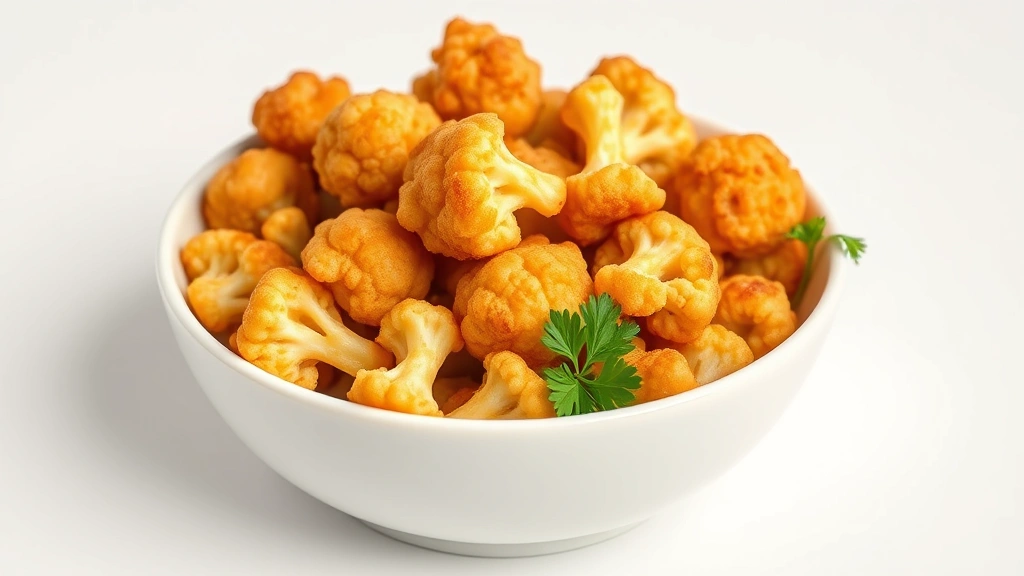
A solid fried cauliflower recipe is one of those kitchen wins that feels fancy but requires zero fancy skills. You get that satisfying crunch, golden exterior, and tender florets inside in under 15 minutes. Whether you’re prepping a side dish, making appetizers, or building a meal, this method works every single time. No deep fryer needed—just a skillet, some basic ingredients, and the know-how to nail the technique.
Table of Contents
Why This Method Works
The secret to a killer fried cauliflower recipe isn’t rocket science—it’s all about moisture control and temperature. Cauliflower is naturally high in water content, which means it’ll steam instead of fry if you don’t handle it right. The trick is getting the florets completely dry before they hit the pan, then maintaining a steady heat that crisps the exterior without burning it. This method uses shallow frying instead of deep frying, which means less oil, easier cleanup, and better control over the final product.
When you nail this technique, you get that restaurant-quality texture: a crispy, golden crust with a tender, slightly caramelized interior. The florets stay intact, and you avoid that greasy, soggy mess that happens when people wing it.
Ingredients You Need
Here’s what goes into a solid fried cauliflower recipe:
- 1 medium head of cauliflower (about 4-5 cups florets)
- 1 cup all-purpose flour (or cornstarch for extra crunch)
- 1 teaspoon garlic powder
- 1 teaspoon paprika
- ½ teaspoon cayenne pepper (optional, for heat)
- Salt and black pepper to taste
- 1 egg, beaten
- ¼ cup water or milk
- Vegetable oil for frying (about 2-3 cups)
That’s it. No mystery ingredients. Everything here serves a purpose—the flour creates the crust, the egg binds it all together, and the spices build flavor without overpowering the cauliflower.
Prep Like a Pro
This is where most people slip up. Prep determines everything. Start by cutting your cauliflower into florets—aim for pieces about 2-3 inches long. Smaller pieces cook faster and get crispier; bigger pieces stay more tender inside. There’s no wrong size, just pick what you want.
Next, wash your florets thoroughly and pat them completely dry with paper towels. This step is non-negotiable. Any moisture on the surface will create steam and prevent crisping. Don’t rush it—spend an extra 30 seconds making sure they’re genuinely dry.
While your florets are air-drying, set up your breading station. Get three shallow bowls or plates ready: one with your flour mixture (flour, garlic powder, paprika, cayenne, salt, and pepper mixed together), one with your egg wash (beaten egg mixed with water or milk), and one empty plate for the breaded florets. This assembly-line approach keeps things clean and efficient.
The Frying Technique
Heat your oil to 350°F. If you don’t have a thermometer, use the bread test—drop a small piece of bread in the oil; it should sizzle immediately and turn golden in about 60 seconds. Too hot and your florets burn outside before cooking inside; too cool and they absorb oil and turn greasy.
Working in batches (don’t crowd the pan), coat each floret: dunk it in the egg wash, then roll it in the flour mixture until fully covered. Tap off excess flour—you want a coating, not a thick crust. Carefully lay it in the hot oil.
Fry for 3-4 minutes per batch, turning halfway through. You’re looking for a golden-brown color on all sides. The florets should look crispy and feel firm when you poke them. Don’t mess with them constantly—let them sit in the oil long enough to develop that crust.
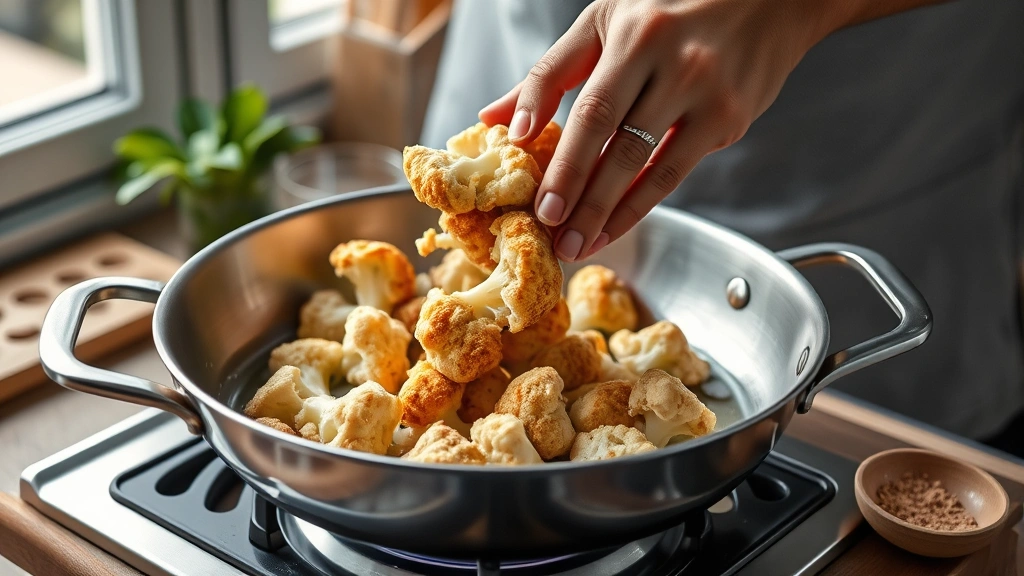
Transfer finished florets to a paper towel-lined plate. The paper towels absorb excess oil and help them stay crispy. Season immediately with a pinch of salt while they’re still hot—it sticks better than seasoning after they cool.
Seasoning and Sauces
Plain fried cauliflower is great. Seasoned fried cauliflower is unforgettable. Beyond the basic salt, try tossing your finished florets with:
- Garlic and parmesan: Toss with minced garlic, grated Parmigiano-Reggiano, and fresh parsley while still hot.
- Spicy kick: Mix cayenne pepper, chili powder, and a touch of cumin into your flour coating.
- Asian-inspired: Serve with a dipping sauce made from soy sauce, rice vinegar, and sesame oil.
For dipping sauces, pair your fried cauliflower recipe with something that cuts through the richness. A simple adobo sauce recipe works beautifully, or make a quick ranch by mixing sour cream, mayo, dill, and garlic powder. If you’re building a full meal, consider pairing it with a chipotle bowl recipe for a complete dinner.
Timing and Doneness
The whole process—from raw florets to finished product—takes about 15 minutes. Prep takes 5-7 minutes, frying takes 6-8 minutes depending on batch size and floret size. The key is not rushing the frying temperature or time. Underdone florets will be soft and greasy; overdone ones become bitter and tough.
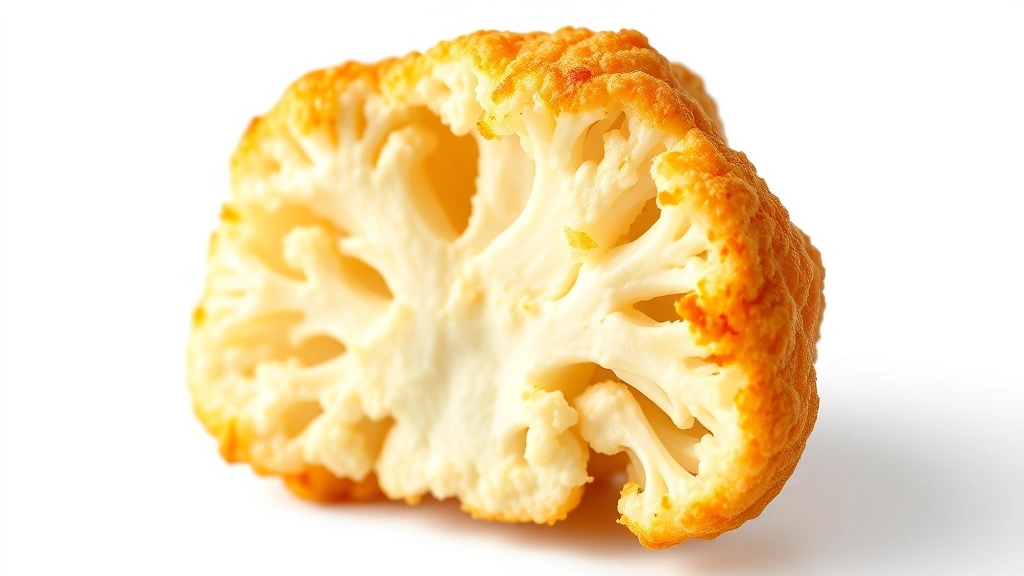
Test doneness by cutting into a floret—the inside should be tender and fully cooked, with no raw edges. The outside should be deep golden brown, almost caramelized. If you’re unsure, fry for an extra 30 seconds.
Storage and Leftovers
Fried cauliflower is best fresh and hot, but it keeps reasonably well. Store leftovers in an airtight container in the fridge for up to 3 days. To reheat, spread them on a baking sheet and warm in a 375°F oven for 5-7 minutes. This restores crispiness better than a microwave, which turns them soggy.
You can also freeze uncooked, breaded florets on a baking sheet, then transfer them to a freezer bag. Fry them straight from frozen, adding 1-2 minutes to the cooking time. This is a legit meal-prep move if you want fried cauliflower on demand.
Variations and Tweaks
Once you master the basic fried cauliflower recipe, experiment. Swap all-purpose flour for cornstarch (or a 50/50 mix) for extra crispiness. Add different spices to your coating—curry powder, Old Bay seasoning, or Italian herbs all work. Use panko breadcrumbs mixed with flour for a thicker, crunchier crust.
If you want to build out a bigger meal, this pairs perfectly with a blackstone fried rice recipe for an Asian-inspired dinner, or combine it with blackened mahi mahi recipe for a surf-and-turf situation. For something lighter, serve alongside an al pastor recipe taco spread.
Serving Suggestions
Fried cauliflower works as an appetizer, side dish, or even a light main course. Serve it at room temperature as a party appetizer with multiple dipping sauces. Make it a side for burgers or sandwiches. Toss it into grain bowls with rice and roasted vegetables. Layer it into a bibimbap sauce recipe setup for a complete vegetarian bowl.
For a crowd, double or triple the batch. Most people will eat more than they expect—fried cauliflower has that addictive quality. Keep extra sauce on the side so people can dip and redip without hesitation.
Frequently Asked Questions
Can I bake cauliflower instead of frying it?
Yes, but it won’t be the same. Baked cauliflower is healthier and still tasty, but it lacks the crispy exterior that makes fried cauliflower special. If you want to reduce oil, use an air fryer—it gets surprisingly close to traditional frying with way less oil.
What oil should I use for frying?
Vegetable, canola, or peanut oil all work fine. They have high smoke points (around 350-400°F) and neutral flavors that won’t interfere with your seasoning. Avoid olive oil—its smoke point is too low, and the flavor can overpower the dish.
Why is my cauliflower greasy?
Either your oil temperature is too low (it should be 350°F), you’re leaving florets in too long, or you’re not patting them dry before breading. Check your temperature with a thermometer and make sure florets are completely moisture-free before coating.
How long does fried cauliflower stay crispy?
Fresh from the pan, it stays crispy for about 10-15 minutes. After that, moisture starts making the coating soft. That’s why serving immediately is ideal. If you need to hold it, keep it in a warm oven (200°F) on a wire rack so air circulates underneath.
Can I make this recipe gluten-free?
Absolutely. Swap all-purpose flour for a gluten-free flour blend or use cornstarch alone. The texture might be slightly different, but it’ll still be crispy and delicious. Make sure your seasonings are gluten-free too.
What’s the difference between shallow frying and deep frying?
Shallow frying uses 2-3 inches of oil and requires flipping halfway through. Deep frying submerges the food in oil. Shallow frying uses less oil, is easier to control, and produces equally crispy results for smaller items like cauliflower florets.
Final Thoughts
A great fried cauliflower recipe comes down to three things: dry florets, proper oil temperature, and good timing. Master those basics, and you’ve got a dish that impresses people and takes less than 15 minutes. It’s the kind of recipe that works for weeknight dinners, party appetizers, or whenever you want something crispy and satisfying without the fuss. Get your technique down, season it how you like it, and you’ll find yourself making this one regularly.


