

A fried banana recipe is one of those simple desserts that tastes way more impressive than the effort it takes to make. Whether you’re craving that crispy exterior with a soft, caramelized center or you want to impress guests with a homemade treat, fried bananas deliver every single time. I’ve been making these for years, and honestly, once you nail the technique, you’ll be whipping them up on weeknights without thinking twice.
Table of Contents
Choosing the Right Bananas
The foundation of any great fried banana recipe starts with selecting the right fruit. You want bananas that are ripe but still firm—think yellow with just a hint of green at the tips. If they’re too green, they’ll be starchy and bland. Too brown and spotty, and they’ll fall apart when you fry them. The sweet spot is when they’re fragrant and yield slightly to pressure but don’t have soft mushy spots.
I always grab bananas that are slightly underripe compared to what I’d eat raw. They hold their shape better during frying and won’t burst through your batter. Pro tip: peel them just before you’re ready to coat and fry. Exposed banana flesh oxidizes quickly, and you don’t want a brown surface interfering with your batter adhesion.
Batter Basics and Coating
The batter is where you can get creative, but let me give you the foolproof base: combine one cup of all-purpose flour, two tablespoons of sugar, one teaspoon of baking powder, a pinch of salt, one egg, and about three-quarters cup of cold water or sparkling water. The sparkling water creates extra crispiness because the carbonation creates tiny air pockets in the coating.
Mix until you have a consistency like pancake batter—smooth but not too thin. If it’s too thick, your bananas won’t get an even coating. If it’s too thin, the batter slides right off. You want it to cling and create that golden, crispy shell. Some folks add a tablespoon of cornstarch to the flour mixture for extra crunch, and I’m not going to argue with that approach. You could even incorporate some vanilla extract or a sprinkle of cinnamon into your batter for subtle flavor depth.
Oil Temperature Matters Most
This is the non-negotiable part of any fried banana recipe: your oil temperature directly determines success or failure. You need it at 350°F (175°C). Not 340, not 360—350. Use a reliable thermometer because eyeballing it is how you end up with soggy, greasy bananas on one end and burnt exteriors on the other.
I use a heavy-bottomed pot or Dutch oven filled about three inches deep with neutral oil like vegetable or peanut oil. Let it heat for at least five minutes after reaching temperature so the oil stabilizes. If you don’t have a thermometer, the bread cube test works: drop a small cube of bread into the oil. If it browns in about 60 seconds, you’re in the zone. Too fast means too hot; too slow means too cold.
The Frying Technique
Cut your bananas into chunks about two to three inches long—not too thin or they’ll fry unevenly and become brittle. Coat each piece thoroughly in your batter, letting excess drip back into the bowl. Gently lower them into the hot oil using tongs or a slotted spoon. Don’t drop them from above or you’ll splash hot oil everywhere and create dangerous splatter.
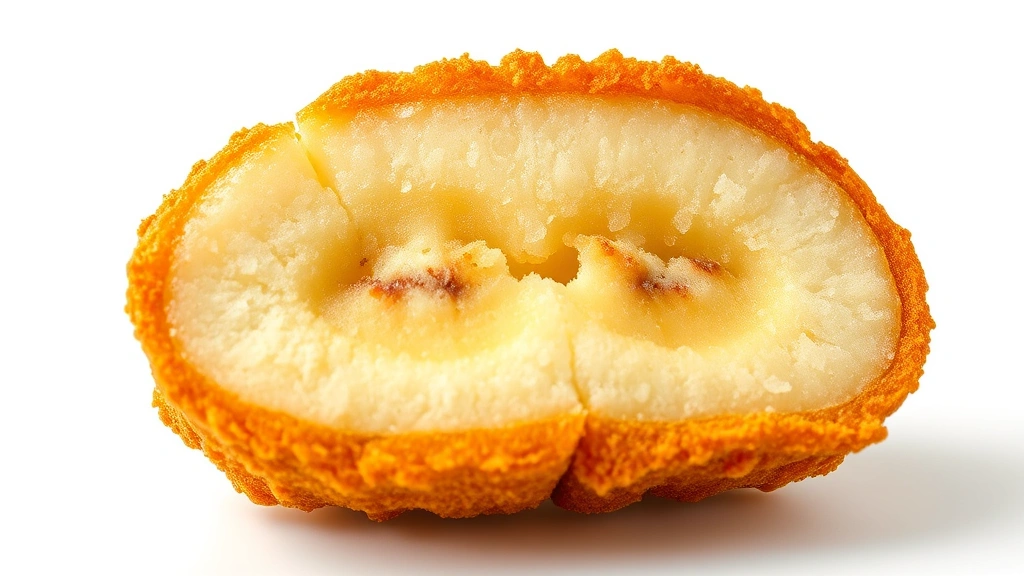
Fry in small batches—no more than four to five pieces at a time. Crowding the pot drops the oil temperature, and your bananas steam instead of fry. They should sizzle immediately upon contact with the oil. Let them cook for about two to three minutes per side until they’re deep golden brown. They’ll float to the surface when they’re done, but don’t rely on that alone. Use your eyes and a timer.
Flip them halfway through so both sides get equal exposure to the heat. This is where a slotted spoon or spider strainer becomes your best friend. It lets you control the banana and drain excess oil right in the pot before transferring to your serving dish.

Draining and Serving
Transfer your fried bananas to a paper towel-lined plate immediately after they come out of the oil. The paper towels absorb excess grease and keep them crispy. Don’t stack them while they’re hot or the steam will soften that crispy exterior you worked for. Let them sit for a minute or two before serving.
Serve them warm, ideally within five minutes of frying. You can dust them with powdered sugar, cinnamon sugar, or even a light drizzle of honey. Some people serve them with a scoop of vanilla ice cream, which melts into the warm banana and creates something magical. Others go savory and pair them with a spicy dipping sauce. The beauty of a fried banana recipe is its versatility—you can take it sweet or savory depending on your mood.
Flavor Variations to Try
Once you’ve mastered the basic technique, you can experiment. Add a tablespoon of rum or banana liqueur to your batter for depth. Sprinkle shredded coconut into your batter for tropical flavor. Mix in a half teaspoon of cardamom or nutmeg for warm spice notes that complement banana beautifully. Some recipes incorporate a touch of lime zest into the batter, which brightens everything up.
You can also make a caramel dipping sauce by melting butter with brown sugar and a pinch of sea salt, or whip up a chocolate sauce for dunking. If you’re feeling adventurous, try making a spiced Cajun-inspired sauce with a kick of heat to contrast the sweetness. The contrast between crispy, warm banana and cool, creamy accompaniments is where the real magic happens.
Storage and Reheating Tips
Fried bananas are best eaten fresh, but you can store leftovers in an airtight container in the refrigerator for up to two days. They’ll lose some crispiness, but they’re still delicious cold or at room temperature. To reheat, place them on a baking sheet in a 350°F oven for about five minutes. This restores some of the crispiness without cooking them further.
You can also freeze fried bananas for up to a month. Let them cool completely, arrange them in a single layer on a baking sheet, freeze for two hours, then transfer to a freezer bag. Reheat from frozen in a 375°F oven for about eight minutes. It’s a great way to have a quick dessert on hand for unexpected guests or late-night cravings.
Common Problems Solved
If your bananas are coming out soggy, your oil temperature is too low or you’re frying too many at once. Increase the heat and work in smaller batches. If the exterior is burning before the inside cooks, your oil is too hot—lower it to 340°F and give them a bit more time. If the batter is falling off, your batter is too thin or your bananas are too wet. Pat them dry before coating and adjust your batter consistency.
If you’re getting uneven browning, make sure you’re flipping halfway through and that your oil temperature is stable. A thermometer is your friend here. If the batter isn’t sticking, make sure you’re using fresh baking powder—it loses potency over time. And if everything tastes greasy, you’re either using old oil or your oil temperature is too low, causing the batter to absorb excess oil instead of creating a seal.
Frequently Asked Questions
Can I use plantains instead of bananas?
Absolutely. Plantains are starchier and hold their shape even better than bananas. They take a few minutes longer to fry and are less sweet, so you might want to add a bit more sugar to your batter or dipping sauce. Check out our Asian pear recipes for other fruit-frying inspiration.
What oil is best for frying?
Vegetable, peanut, or canola oil all work great. Avoid olive oil because it has a low smoke point and will impart a flavor that doesn’t complement bananas. Coconut oil works if you want a subtle coconut flavor, but it’s pricier and less stable at high heat.
Can I make the batter ahead of time?
You can make it up to two hours ahead and store it in the refrigerator, but it works best if you use it fresh. If you do refrigerate it, let it come to room temperature and add a splash of water if it’s thickened up. The carbonation in sparkling water batter diminishes over time, so fresh is better for maximum crispiness.
How do I know when the oil is ready?
Use a cooking thermometer for accuracy. If you don’t have one, the bread cube test is reliable: a cube of bread should brown in about 60 seconds at the right temperature. You can also watch for slight wisps of smoke rising from the oil’s surface, but a thermometer removes all guesswork.
Can I deep fry in a shallow pan?
You can, but you’ll need to fry them in a shallower oil depth and flip them more frequently. A deep pot or Dutch oven is ideal because you need at least three inches of oil to fry properly. Shallow frying works in a pinch, but you won’t get that perfect all-over golden coating.
What’s the difference between this and banana fritters?
Fritters typically have additional ingredients mixed into the batter like shredded coconut or nuts, and they’re often formed into patties before frying. A fried banana recipe usually keeps it simpler—just coating banana pieces. Both are delicious; it’s just a matter of preference and effort level.
Can I make this dairy-free?
Yes. Use a plant-based milk instead of water in your batter, and skip any butter-based sauces. Use coconut oil for your dipping sauce or a vegan caramel made with coconut milk and brown sugar. The frying process itself is naturally dairy-free as long as your batter is.
Wrapping It Up
A fried banana recipe is honestly one of the easiest ways to elevate a simple ingredient into something restaurant-worthy. The technique is straightforward, the ingredients are minimal, and the results are consistently impressive. Once you’ve made them a few times, you’ll have the timing and temperature dialed in so perfectly that you could make them blindfolded.
The key takeaways: choose ripe but firm bananas, keep your oil at exactly 350°F, don’t overcrowd the pan, and serve them hot with your favorite topping or sauce. Whether you’re making them for a weeknight dessert, impressing dinner guests, or just satisfying a craving, this technique will never let you down. Start with the basic version, master it, then play around with flavors and accompaniments. You might also enjoy exploring other recipes like our blue lagoon recipe or bubble tea recipes for more creative kitchen projects. And if you’re looking to expand your cooking repertoire, check out our classic Bolognese recipe and calamari recipe for savory inspiration.
The beauty of cooking is that once you understand the fundamentals, you can adapt and customize to your taste. This fried banana recipe is your foundation. Build on it, make it your own, and enjoy every crispy, golden, perfectly caramelized bite.


