

A fresas con crema recipe is one of those simple Mexican desserts that tastes like you spent hours in the kitchen when really you just threw together fresh strawberries and whipped cream. This is the kind of dish that shows up at street vendors, family gatherings, and fancy restaurants across Mexico—and honestly, once you make it at home, you’ll understand why. It’s not complicated, but it’s absolutely delicious, and there’s a real craft to getting it right.
Table of Contents
What Is Fresas con Crema?
Fresas con crema translates directly to “strawberries with cream,” and that’s exactly what you get. This traditional Mexican dessert is a celebration of fresh fruit and whipped cream, typically sweetened with a touch of sugar and sometimes a splash of liqueur. The beauty of this dish lies in its simplicity—there’s nowhere to hide, so every ingredient needs to be top-notch. You’re not masking flavors with heavy sauces or complicated techniques; you’re letting the strawberries shine while the cream provides a luxurious contrast.
What makes this different from just dumping berries in a bowl is the attention to detail. The strawberries get macerated (that’s fancy speak for “soaked in sugar”) to draw out their juices and concentrate their flavor. The cream gets whipped to the perfect consistency—not too stiff, not too loose. When you combine them, you create layers of texture and taste that feel restaurant-quality, even though you made it in your kitchen.
Ingredients You’ll Need
Here’s what separates a mediocre fresas con crema from a killer one: quality ingredients. Don’t cheap out here—this recipe is too simple to hide behind anything.
For the strawberries: You need about 2 pounds of fresh, ripe strawberries. Look for ones that are deep red all the way through, not pale or white at the top. They should smell sweet and feel slightly soft when you squeeze them gently. Add 3 tablespoons of granulated sugar and a squeeze of fresh lime juice (about 1 tablespoon). Some recipes call for a tablespoon of orange liqueur like Cointreau or Grand Marnier—this is optional but adds sophistication.
For the cream: Use 2 cups of heavy whipping cream (the kind with at least 36% fat content). Add 3 tablespoons of powdered sugar and 1 teaspoon of vanilla extract. Some Mexican cooks use Mexican vanilla, which has a deeper, more complex flavor—worth seeking out if you can find it.
That’s it. Five ingredients for the strawberries, three for the cream. The magic is in execution, not complexity.
Prepping the Strawberries
This step determines whether your dessert is good or great. Start by rinsing your strawberries gently under cool water and patting them completely dry with paper towels. Moisture is the enemy of flavor concentration here.
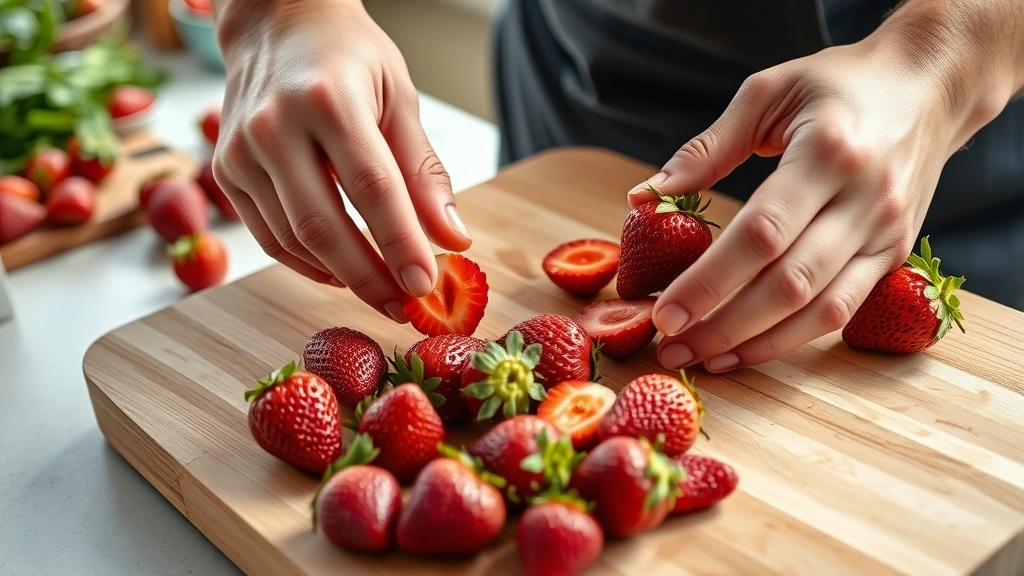
Hull the strawberries—remove the green leafy tops—using a small paring knife or a strawberry huller. Cut them into quarters or halves depending on size. You want pieces large enough to maintain their texture but small enough that they’ll release their juices. If your berries are huge, quarter them; if they’re medium, halves work fine.
Place your cut strawberries in a mixing bowl and sprinkle the sugar over them. This is where patience matters. Let them sit at room temperature for 15-20 minutes. You’ll see the sugar dissolve and the berries start to release their liquid. This creates a natural syrup that’s infinitely better than any store-bought topping. Some people add the lime juice right away; I prefer waiting until after the maceration, then stirring it in gently. The acid brightens the flavor without breaking down the berries too much.
If you’re using liqueur, add just a tablespoon—too much and it overpowers the delicate fruit. Cointreau or Grand Marnier work beautifully, but even a splash of rum adds interesting depth. This is where you can get creative without derailing the whole dish.
Whipping Cream Technique
Cold equipment is your friend here. Stick your mixing bowl and whisk in the freezer for 5 minutes before you start. This sounds fussy, but it genuinely makes a difference in how quickly and evenly your cream whips.
Pour your heavy cream into the chilled bowl and start whisking. You can use an electric mixer on medium-high speed or do it by hand with a whisk—both work, though the mixer is faster. Watch the cream carefully. You’re looking for soft peaks first, which means when you lift the whisk, the cream forms peaks that gently fold over. This takes about 2-3 minutes with an electric mixer.
Once you hit soft peaks, add your powdered sugar and vanilla extract. Keep whisking gently. The goal is stiff peaks—where the cream stands up straight when you lift the whisk—but you’re walking a tightrope here. Go just a bit too far and you’ll have butter. Most people stop when the cream looks fluffy and holds its shape but still looks creamy, not grainy.
Pro tip: If you’re making this ahead, whip the cream to soft peaks, then finish it to stiff peaks right before serving. Cream that sits around gets watery and separates. Fresh-whipped is always better.
Assembly and Plating
This is where the craft comes in. You’re not just dumping berries and cream in a bowl—you’re building layers and creating presentation.
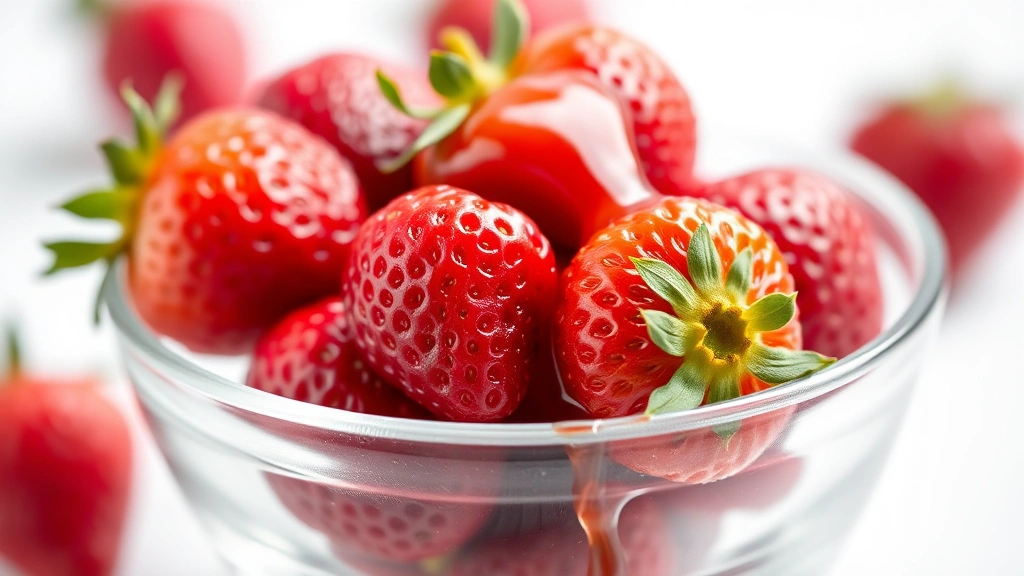
Use a clear glass or bowl so people can see the beautiful layers you’re creating. Start with a dollop of whipped cream on the bottom—about 2 tablespoons. Then add a generous handful of macerated strawberries with some of their syrup. Top with another dollop of cream. Then repeat: more berries, more cream. Finish with a strawberry on top and a small dollop of cream.
The key is balance. You want enough cream to taste luxurious but enough berries that you’re not eating a bowl of whipped cream. I typically do a ratio of about 60% berries to 40% cream by volume.
Serve immediately. This is one dessert that doesn’t improve with sitting. The cream starts to weep, the berries get mushier, and everything loses its appeal. That contrast between cold, fluffy cream and fresh, juicy berries is what makes this special.
Flavor Variations
Once you’ve mastered the basic version, you can start experimenting. The foundation is solid enough to handle additions without falling apart.
Chocolate variation: Add a tablespoon of cocoa powder to your whipped cream, or drizzle some melted dark chocolate between layers. This takes it from simple to decadent.
Mint variation: Muddle a few fresh mint leaves into your strawberries during maceration, or add finely minced mint to the cream. The freshness pairs beautifully with strawberries.
Spiced variation: A pinch of cinnamon or a tiny bit of cayenne pepper in the cream adds unexpected complexity. Mexican cuisine loves this kind of spice-with-sweet combination.
Biscuit addition: Layer in some crumbled vanilla wafers or shortbread cookies for texture. This is closer to what you’d find at some Mexican restaurants.
Think of your base recipe like a good workshop setup—once you understand how it works, you can customize it to your preferences. Just don’t overcomplicate it. The strawberries should always be the star.
Storage and Make-Ahead Tips
Here’s the honest truth: fresas con crema is best served immediately after assembly. The texture degrades pretty quickly once everything’s combined. However, you can do prep work ahead.
Prep your strawberries up to 4 hours ahead. Keep them in an airtight container in the refrigerator. The maceration actually improves over a few hours—the flavors deepen and the berries get more tender. Just don’t add the lime juice until closer to serving, as the acid can break them down too much if left overnight.
Whip your cream up to 2 hours ahead and refrigerate it in a covered container. It’ll hold better than you’d think, especially if you stop at soft peaks and finish to stiff peaks right before serving.
Store any leftovers (if there are any) in an airtight container in the fridge for up to 1 day, though honestly, the texture won’t be great. This is a dish that rewards eating fresh.
Common Mistakes to Avoid
Using underripe strawberries: This is the biggest mistake people make. Pale, hard strawberries taste like nothing. Wait for peak season or buy from farmers markets where berries actually ripen before picking.
Not macerating long enough: Fifteen minutes minimum. This isn’t optional—it’s what transforms plain berries into something special.
Overwhipping the cream: Grainy, separated cream is nobody’s friend. Watch it carefully. Once it looks fluffy and holds peaks, you’re done.
Adding cream too early: Don’t combine everything hours ahead. The cream will get watery and the berries will get mushy. Assemble right before serving.
Skipping the sugar on berries: Some people think they can skip this step and just use sweetened cream. Wrong. The sugar on the berries draws out their juices and concentrates their flavor. This is non-negotiable.
If you’re looking to master other simple recipes with quality ingredients, check out our guide on Boursin Recipes—it’s another category where ingredient quality matters more than complexity. We also have tips on How to Keep Apples from Browning, which applies to any fresh fruit prep work.
Frequently Asked Questions
Can I make fresas con crema with frozen strawberries?
Technically yes, but I wouldn’t recommend it. Frozen berries lose their firm texture and become mushy when thawed. They also release too much liquid, which dilutes the flavor. Fresh is always better for this recipe. If you absolutely must use frozen, thaw them completely, drain off excess liquid, and use them in a pinch—but understand you’re compromising the dish.
What’s the difference between this and strawberries and cream?
Not much, honestly. Fresas con crema is the Mexican version, often with the addition of liqueur and sometimes lime juice. The technique of macerating the berries is more deliberate in the Mexican version. Some recipes include a splash of evaporated milk in the cream mixture, which makes it richer and slightly less sweet.
Can I use whipped cream from a can?
You can, but don’t. Homemade whipped cream takes 5 minutes and tastes infinitely better. Canned whipped cream has stabilizers and propellant that give it a weird texture and artificial taste. This dish is too simple to hide behind convenience products.
How far ahead can I prepare this?
Prep components up to 4 hours ahead, but assemble no more than 15-20 minutes before serving. The longer everything sits combined, the more the cream weeps and the berries soften. Fresh assembly is part of the appeal.
What if my strawberries don’t release much juice?
Some varieties are drier than others. If your berries aren’t releasing juice after 20 minutes of maceration, add a tablespoon or two of fresh orange juice or a splash of the liqueur you’re using. This creates the syrup that makes the dish work.
Can I add other berries?
Sure, raspberries and blackberries work nicely alongside strawberries. Blueberries are less ideal because they’re firmer and don’t macerate as well. If you’re mixing berries, use strawberries as your base and add others for accent.
Final Thoughts
A fresas con crema recipe is proof that you don’t need complicated techniques or exotic ingredients to create something memorable. What you need is respect for your ingredients and attention to detail. This is a dish where every step matters because there’s nowhere to hide.
The next time you see fresh, beautiful strawberries at the market, grab them and make this. Serve it to people you care about and watch their faces light up. That’s the real magic—not the complexity, but the simplicity executed perfectly. It’s the same principle whether you’re making dessert or tackling any other project: master the fundamentals, use quality materials, and the results speak for themselves.
For more on working with fresh ingredients and timing, our article on How to Make Apple Cider covers similar principles of fruit preparation and flavor concentration. And if you want to explore more Mexican culinary techniques, check out our guide on How to Cook Swordfish for precision cooking methods that apply across cuisines.


