
French dessert recipes are some of the most elegant and rewarding treats you can master in your own kitchen. Whether you’re a complete beginner or someone who’s baked a few times before, these classic French desserts will transform your cooking game and impress everyone at your table. The beauty of French pastry isn’t some secret sauce—it’s about understanding technique, respecting ingredients, and taking your time. Let me walk you through five iconic desserts that’ll make you feel like a Parisian pastry chef, right from your home kitchen.
Table of Contents
What Makes French Desserts Special
French pastry tradition dates back centuries, and it’s rooted in precision and respect for technique. Unlike some dessert traditions that rely on quantity or heavy sweetness, French desserts are about balance—the interplay between textures, subtle flavors, and visual elegance. When you’re making French dessert recipes, you’re not just combining ingredients; you’re learning a language of baking that emphasizes quality over shortcuts.
The French approach teaches you that butter should be at the right temperature, eggs need proper whisking, and timing matters more than you’d think. These aren’t complicated concepts, but they require attention. That’s what separates a mediocre crème brûlée from one that makes people close their eyes in appreciation.
Crème Brûlée: The Custard King
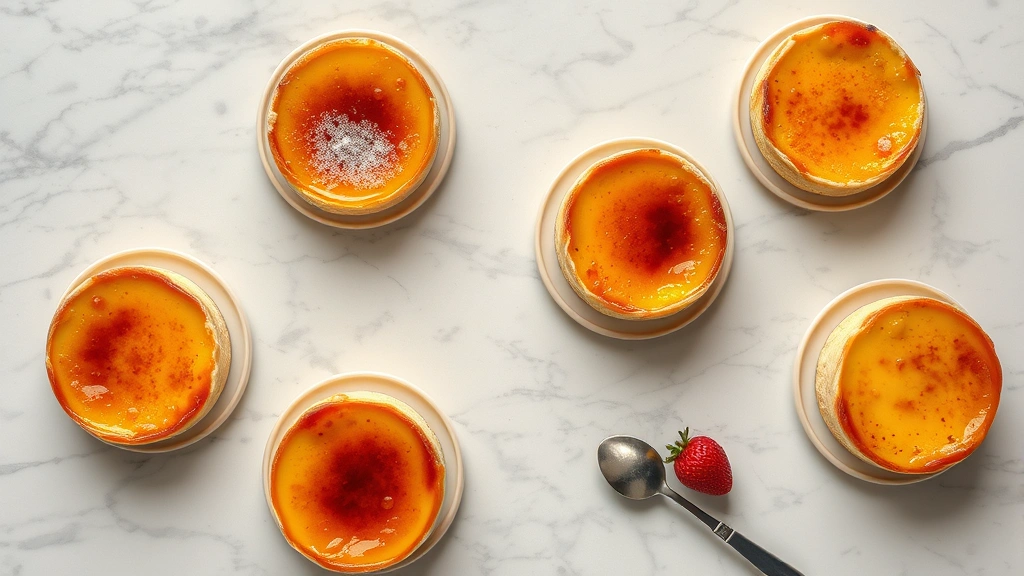
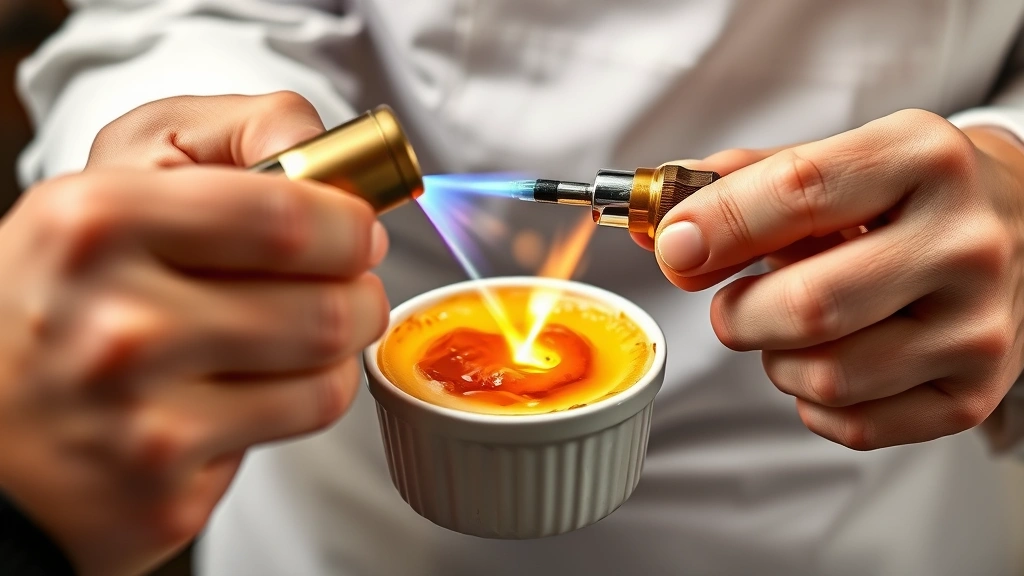
Crème brûlée is the gateway drug to French dessert recipes. It looks fancy, tastes incredible, and honestly, it’s forgiving once you understand the basic principle. You’re making a custard—eggs, cream, sugar, vanilla—and baking it gently until it sets with a slight jiggle in the center. Then comes the theatrical moment: torching the sugar topping until it cracks under your spoon.
The Recipe Breakdown: Start with 2 cups heavy cream, 1 vanilla bean (or 1 teaspoon extract), 5 egg yolks, and ¼ cup sugar. Heat the cream with the vanilla until it’s steaming. Whisk yolks with sugar until pale—this takes about 3 minutes by hand or 1 minute with a mixer. Slowly pour the hot cream into the yolks while whisking constantly. Strain through a fine sieve to remove any cooked bits.
Pour into ramekins and bake in a water bath at 325°F for 25-30 minutes. The centers should jiggle slightly when you shake the ramekin. Chill for at least 4 hours. Before serving, sprinkle sugar on top and torch until golden and crackly. The contrast between the cold custard and the hot, crispy sugar shell is what makes this dessert sing.

Macarons: Delicate and Colorful
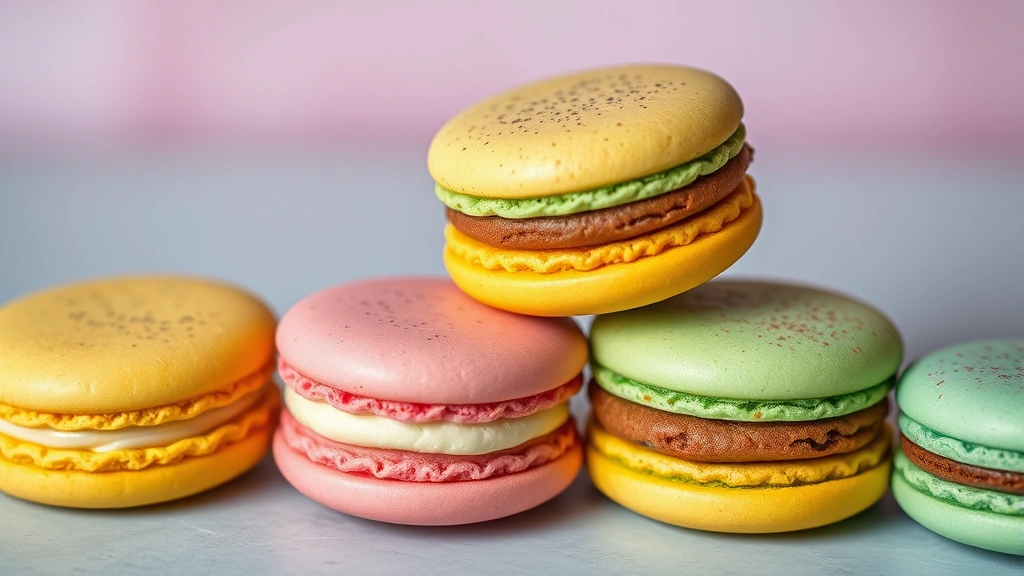
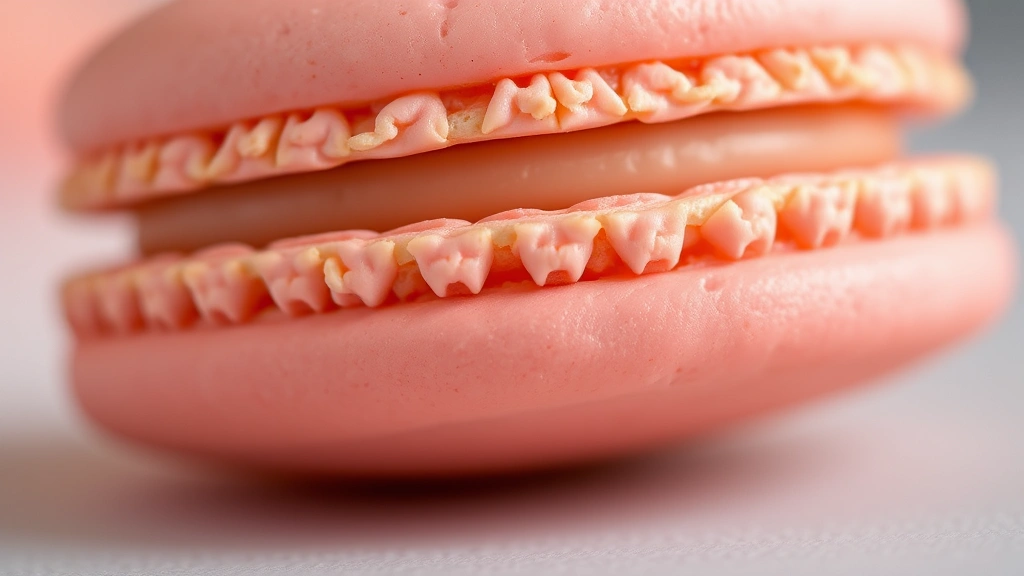
Macarons intimidate people, and I get it. These almond meringue cookies have a reputation for being finicky. But here’s the truth: they’re not that complicated once you understand what you’re aiming for. You want a smooth, slightly domed cookie with a frilly “foot” around the base. That foot is the signature of a properly made macaron.

The key is in the technique called macaronage—folding the almond flour mixture into whipped egg whites. You’re trying to deflate the meringue just enough to make the batter flow, but not so much that it becomes soupy. Use about 100g egg whites (roughly 3 large eggs), 100g powdered sugar, 100g ground almonds, and food coloring of your choice.
Whip the egg whites to stiff peaks, then fold in the sugar. Fold in the almond flour in three additions. The batter should flow like lava when you lift the spatula. Pipe onto parchment paper and let sit for 15-20 minutes before baking at 300°F for 15-18 minutes. The resting period is crucial—it helps the macarons develop their characteristic feet.
Tarte Tatin: Upside-Down Magic
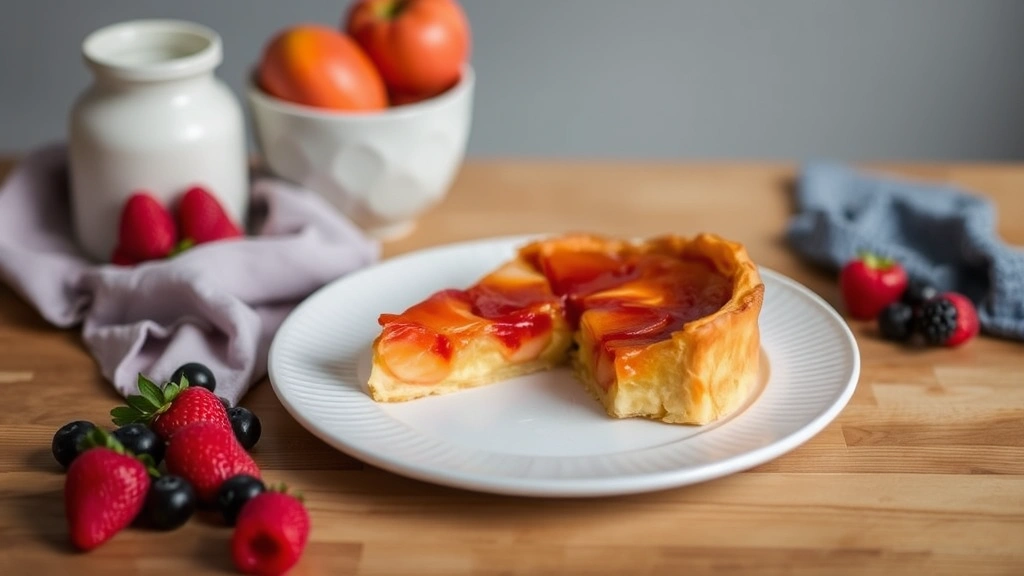
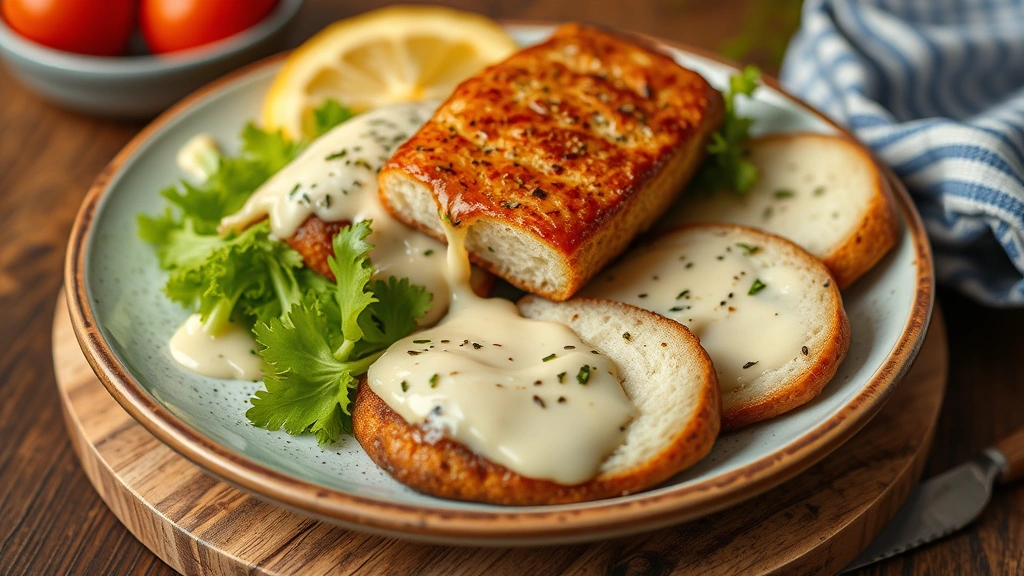
Tarte Tatin is the dessert that looks like magic but is actually just smart cooking. You caramelize apples in a cast-iron skillet with butter and sugar, top with puff pastry, bake it, then flip it onto a plate. The caramelized apples become the glossy, gorgeous topping. It’s a showstopper that takes about an hour from start to finish.
Start with 6-8 medium apples (Granny Smith or a mix), peeled and halved. Melt 6 tablespoons butter with ¼ cup sugar in a 10-inch cast-iron skillet over medium heat. Once it’s golden and smells like caramel, arrange the apples cut-side down in a circular pattern, fitting them snugly. Cook for 15-20 minutes until the apples soften and the caramel deepens. Top with a sheet of thawed puff pastry, tucking the edges down around the apples.

Bake at 400°F for 20-25 minutes until the pastry is golden. Let it cool for just 5 minutes—this is important because the caramel needs to be warm enough to stay cohesive when you flip. Place a serving plate over the skillet and flip decisively. If any apples stick to the pan, just peel them off and arrange them back on top.

Panna Cotta: Silky Perfection
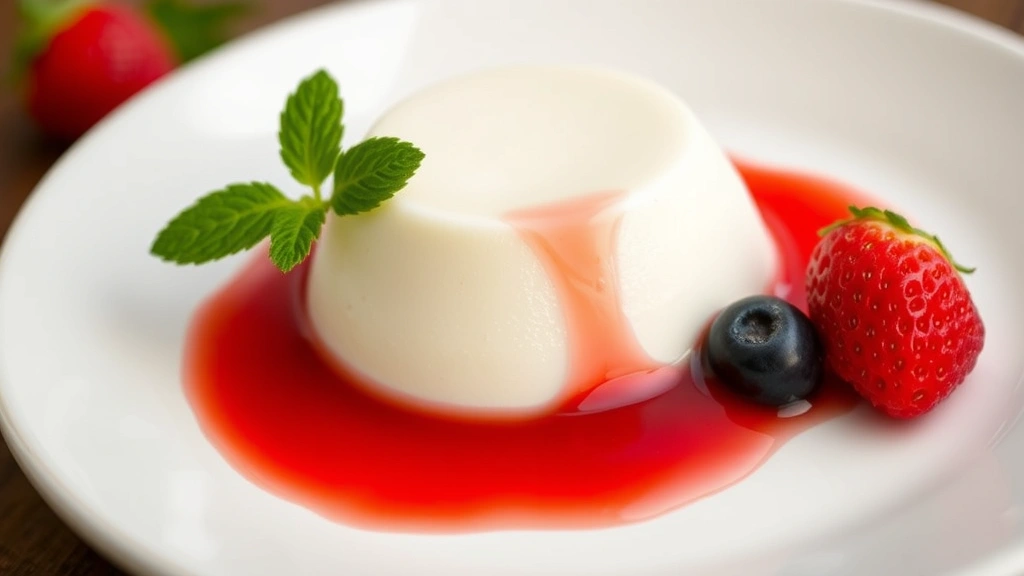
Panna cotta means “cooked cream” in Italian, but it’s beloved throughout French cuisine. This is a no-bake dessert that feels luxurious and tastes like silk. It’s cream, sugar, gelatin, and flavoring—that’s it. The challenge is getting the texture right: it should be creamy and delicate, not rubbery.

Heat 2 cups heavy cream with ⅓ cup sugar and a vanilla bean (split lengthwise) until it steams. Bloom 1½ teaspoons gelatin in 3 tablespoons cold water for 5 minutes. Pour the hot cream over the gelatin and stir until completely dissolved. Strain through a fine sieve and pour into serving glasses or ramekins. Chill for at least 4 hours until set.

The texture should be creamy enough to spoon, not bouncy. If you’re worried about getting it right, start by making it in smaller batches. Serve with fresh berries, a berry coulis, or even a drizzle of balsamic reduction. This is one of those desserts where quality cream makes a noticeable difference.
Profiteroles: Choux Pastry Dreams
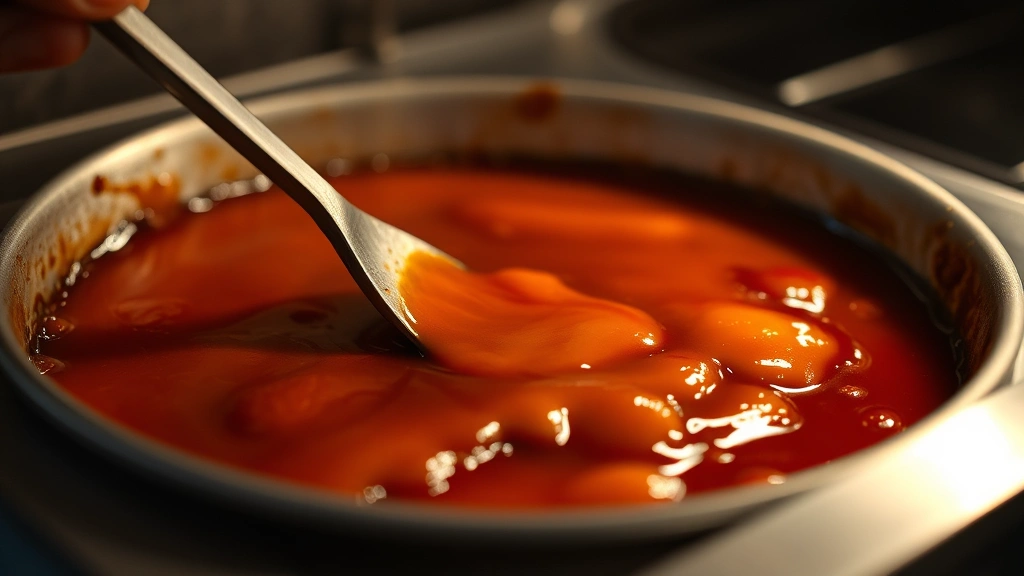
Profiteroles are little cream puffs filled with ice cream and topped with chocolate sauce. They’re made from choux pastry, which is a technique that seems intimidating but is actually quite straightforward once you understand the science. You’re making a paste that puffs up dramatically in the oven, creating hollow shells perfect for filling.

For the choux, melt 4 tablespoons butter with ½ cup water and a pinch of salt. Bring to a boil, then remove from heat and stir in ½ cup flour until it forms a ball. Return to medium heat and cook for 1-2 minutes, stirring constantly—this dries out the dough slightly, which helps it puff better. Transfer to a bowl and let cool for 5 minutes. Beat in 2 eggs, one at a time, until the dough is smooth and glossy.
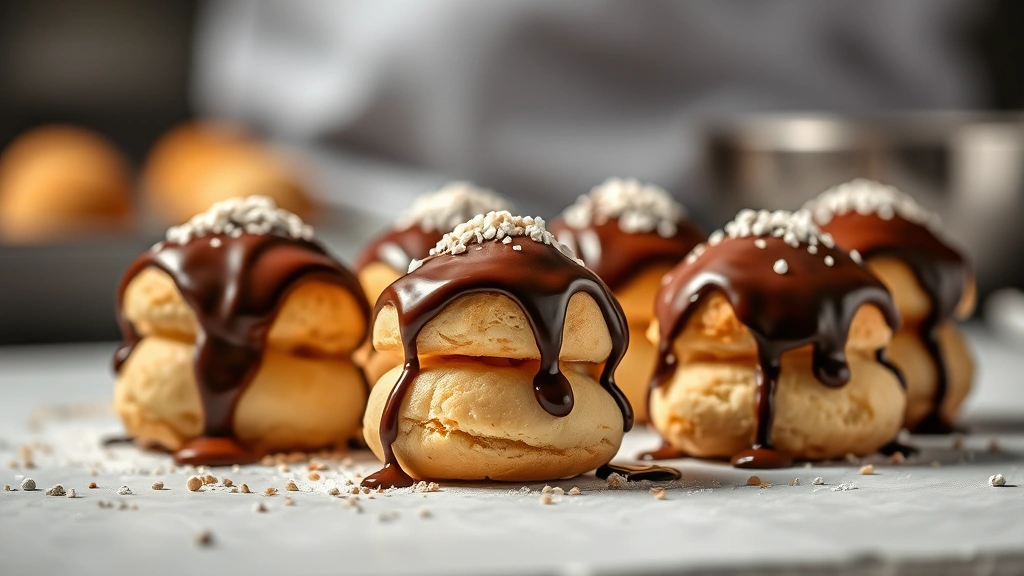
Pipe small mounds onto a parchment-lined baking sheet and bake at 400°F for 20-25 minutes until golden and crispy. They should sound hollow when tapped. Cool completely, then slice in half and fill with vanilla ice cream. Drizzle with warm chocolate sauce and serve immediately. If you’re making these ahead, you can store the unfilled puffs in an airtight container for up to 3 days.

Essential Tools and Ingredients
To make French dessert recipes successfully, you don’t need a ton of equipment, but having the right tools makes a real difference. A good instant-read thermometer is invaluable—it takes the guesswork out of custards and caramel. A kitchen scale is honestly essential; French baking is precise, and weights are more accurate than volume measurements.

You’ll want a stand mixer or a strong arm for whipping egg whites and cream. A torch for crème brûlée is non-negotiable—it’s inexpensive and creates that perfect caramelized top. A piping bag and tips help with macarons and profiteroles, though you can improvise with a ziplock bag if needed.

As for ingredients, invest in good vanilla—real vanilla beans or pure extract, not the imitation stuff. Quality butter makes a difference. European-style butter has higher fat content and creates richer pastries. Fresh eggs, heavy cream, and good chocolate are worth the extra cost. These are the building blocks of French desserts, and using quality ingredients is half the battle.

Avoid These Common Pitfalls
The most common mistake people make with French dessert recipes is rushing. These desserts require patience—chilling time, resting time, cooling time. Don’t skip these steps thinking you’re saving time. A crème brûlée that hasn’t chilled properly won’t have the right texture. Macarons that don’t rest won’t develop feet.

Another big one: using ingredients straight from the fridge. Room temperature eggs whip better, room temperature butter creams better. Cold cream whips faster, but room temperature cream is easier to work with in custards. Temperature matters in French baking.
Overmixing is a sneaky problem. Once you’ve folded ingredients together, stop. Extra stirring can deflate meringues or overdevelop gluten in pastry. Mix until just combined, then move on. And please, invest in an oven thermometer. Most home ovens run hot or cold, and French desserts are sensitive to temperature accuracy.
Storage and Make-Ahead Tips
Most French dessert recipes benefit from being made ahead. Crème brûlée can be made 2 days in advance—just torch the sugar topping right before serving. Macarons actually improve after a day in an airtight container; the almond flour absorbs moisture and the texture becomes more refined.
Tarte Tatin is best eaten the day it’s made, but you can prepare the apples and caramel a few hours ahead and assemble just before baking. Panna cotta is perfect for advance preparation—make it up to 3 days ahead and keep it covered in the fridge. Profiteroles can be made 3 days ahead and stored in an airtight container; just fill and sauce them right before serving.
For storage, keep everything in airtight containers in the refrigerator unless otherwise noted. Most of these desserts don’t freeze well because they rely on specific textures that ice crystals would damage. The exception is unfilled profiteroles, which freeze beautifully for up to a month.
Frequently Asked Questions
Can I use instant vanilla pudding instead of making crème brûlée from scratch?
Technically yes, but you’d be missing the entire point. The joy of crème brûlée is in the silky, rich custard you create yourself. Instant pudding is convenient, but it doesn’t compare in flavor or texture. The real recipe takes maybe 15 minutes of active work.
Why do my macarons spread too much?
You’ve probably over-folded the batter. The batter should flow slowly, not spread rapidly. If it’s too wet, your meringue wasn’t stiff enough or you folded too much. Try folding less—it’s better to have slightly thicker batter than to over-fold.
Can I make French dessert recipes without a torch?
For crème brûlée specifically, you can use your oven’s broiler, but it’s less reliable. A torch gives you control and prevents the custard from overheating. For other desserts, a torch isn’t necessary. They’re inexpensive (around $15-30) and worth having in your kitchen.
Is gelatin in panna cotta a problem for vegetarians?
Traditional gelatin is animal-derived, so it’s not vegetarian. You can substitute with agar-agar or vegetarian gelatin, but you’ll need to adjust amounts since they set differently. Follow the package instructions for your substitute.
How do I know when my profiteroles are done baking?
They should be golden brown and sound hollow when you tap them. If they’re still soft inside, they’ll collapse when they cool. It’s better to bake them slightly longer than to underbake. You want them crispy on the outside.


