
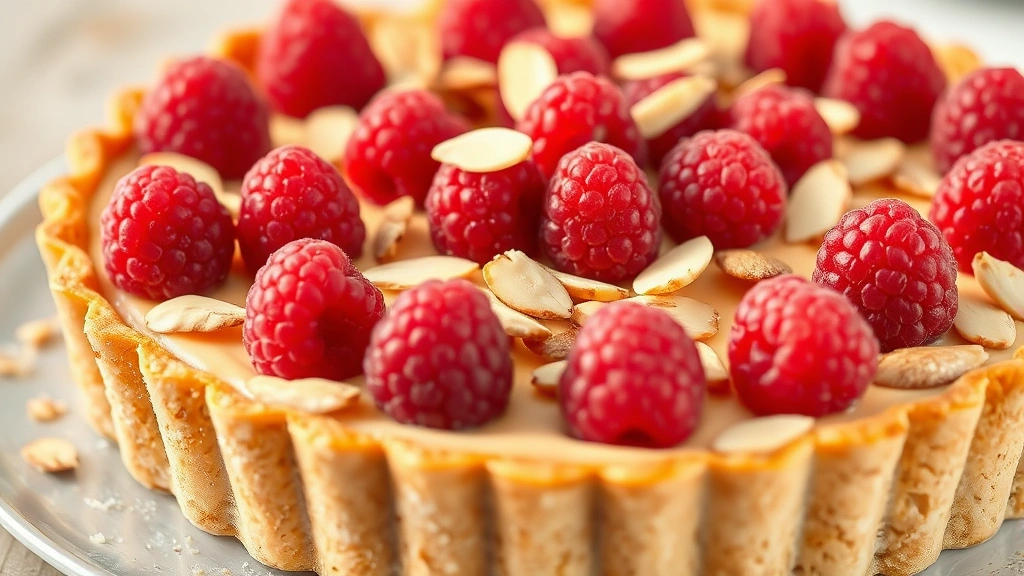
A frangipane recipe is your ticket to creating bakery-quality pastries at home that’ll make your friends think you’ve been sneaking lessons from a French patisserie chef. This luxurious almond cream filling is the secret weapon behind countless tarts, Danish pastries, and puff pastry creations that look intimidating but are actually dead simple once you know the basics.
Table of Contents
What Is Frangipane Exactly?
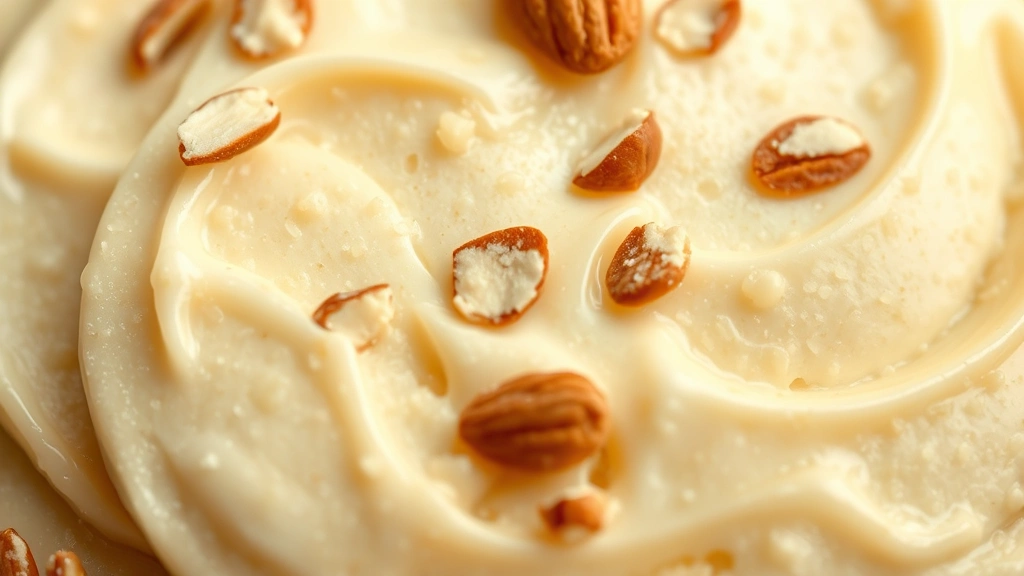
Frangipane is basically a creamy almond paste filling that combines ground almonds, butter, sugar, and eggs into a smooth, spreadable consistency. Think of it as the bridge between marzipan and buttercream—it’s got the rich almond flavor without being as dense or sweet as marzipan, and it’s more substantial than regular cream filling.
The beauty of this filling is its versatility. You can pipe it into pastry shells, spread it between cake layers, or use it as a base for fruit tarts. It’s been a staple in French and European baking for centuries, and once you master the technique, you’ll find yourself using it constantly.

Essential Ingredients You’ll Need
Here’s what goes into a solid frangipane recipe:
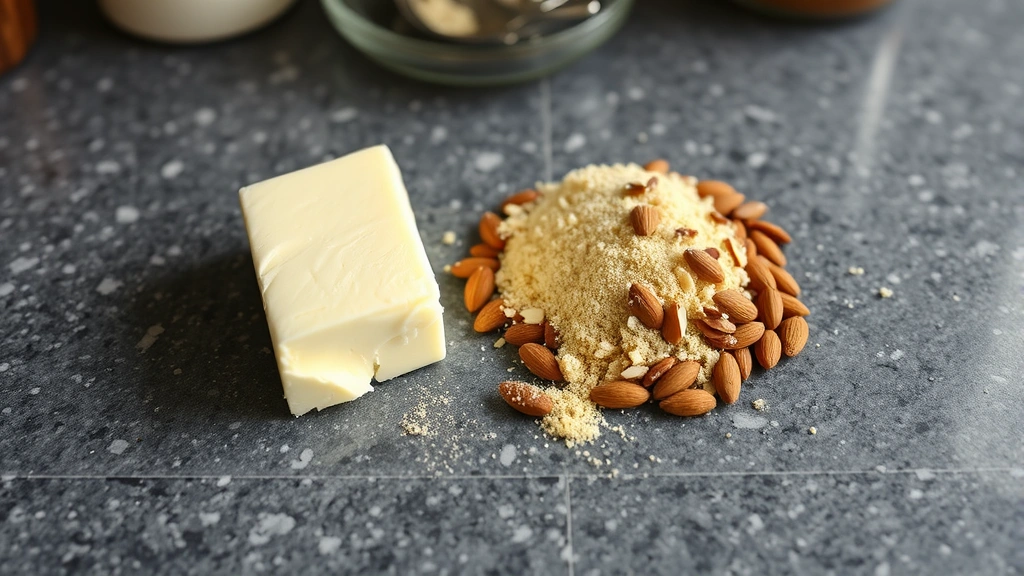
- Ground almonds: Use blanched or unblanched—blanched gives a lighter color and smoother texture
- Butter: Softened to room temperature for proper creaming
- Powdered sugar: Creates a finer crumb than granulated sugar
- Eggs: Usually one or two, depending on your batch size
- Almond extract: A teaspoon or so intensifies the almond flavor
- Flour: Just a tablespoon or two to stabilize the mixture
- Salt: A pinch to balance sweetness
The ratio you’ll typically follow is equal parts butter and ground almonds by weight, with powdered sugar making up about half the weight of the almonds. This creates that perfect creamy-but-not-greasy consistency.
Step-by-Step Mixing Process
Getting the technique right is where most home bakers stumble. Here’s the workshop approach:
Step 1: Cream Your Butter
Start with softened butter in a bowl. Beat it for 2-3 minutes until it’s pale and fluffy. This incorporates air, which gives your frangipane that light, mousse-like quality. Don’t skip this—it makes a real difference.

Step 2: Add Sugar Gradually
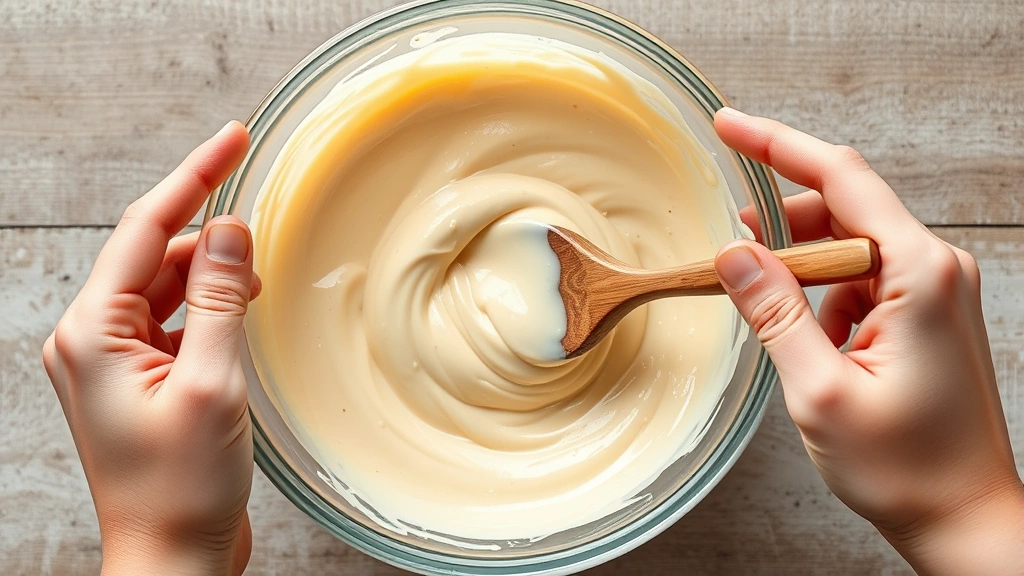
Sprinkle in your powdered sugar while the mixer runs. Add it in stages over about 2 minutes. You’re looking for a mixture that’s light and creamy, almost like pale whipped cream.
Step 3: Mix in Almonds
Add your ground almonds slowly, mixing on low speed. This prevents the oils from the almonds from making the mixture greasy. Stir until just combined—you don’t want to overmix at this stage.

Step 4: Add Eggs One at a Time
Crack an egg into a small bowl and beat it lightly. Add it slowly while mixing on low speed. Let it fully incorporate before adding the next one. This prevents the mixture from becoming too wet or separating.
Step 5: Final Additions
Add your almond extract, salt, and flour. Mix just until combined. The whole process should take about 5-7 minutes from start to finish.

Common Mistakes to Avoid
I’ve made these mistakes so you don’t have to:
Mistake 1: Using Cold Butter
Cold butter won’t cream properly, and you’ll end up with a grainy, separated mixture. Let it sit on the counter for 30 minutes before starting.

Mistake 2: Overmixing After Adding Almonds
The oils in ground almonds can make your frangipane greasy if you beat it too hard. Mix just until you can’t see dry streaks.
Mistake 3: Rushing the Egg Addition
Adding eggs too quickly causes the emulsion to break. Take your time and let each egg fully incorporate.
Mistake 4: Using Raw Almond Flour Instead of Ground Almonds
These aren’t the same thing. Almond flour is processed differently and has a different moisture content. Stick with blanched or natural ground almonds.
Mistake 5: Skipping the Flour
That tablespoon of flour stabilizes everything and prevents your frangipane from being too loose when baked.
Flavor Variations and Twists
Once you’ve nailed the basic frangipane recipe, you can start experimenting:
Pistachio Version: Replace half the ground almonds with ground pistachios and use pistachio extract instead of almond extract. You’ll get a gorgeous pale green color and a more subtle flavor.

Chocolate Frangipane: Add 2 tablespoons of cocoa powder and reduce the flour by 1 tablespoon. Works beautifully with hazelnuts too.
Citrus Twist: Add the zest of a lemon or orange and reduce the almond extract to half a teaspoon. The brightness cuts through the richness.

Spiced Version: Add a quarter teaspoon each of cinnamon, cardamom, and nutmeg for a warming spice blend.
Storage and Make-Ahead Tips
One of the best things about frangipane is how forgiving it is for advance preparation:

Refrigerator: Store in an airtight container for up to 5 days. Bring to room temperature before using—this makes it easier to spread.
Freezer: Frangipane freezes beautifully for up to 3 months. Portion it into ice cube trays or small containers so you can thaw exactly what you need.

Make-Ahead Strategy: I often make a double batch on Sunday and freeze half. When you’re craving homemade pastries mid-week, you’ve got the hard part already done.
Thawing: Move from freezer to fridge the night before, or thaw at room temperature for about 30 minutes. Don’t try to use it straight from the freezer—it’ll be impossible to work with.
Best Uses for Your Frangipane
Now that you’ve made it, here’s where it shines:
Fruit Tarts: Spread a layer in a pre-baked tart shell, top with fresh fruit, and glaze. The almond flavor complements berries, stone fruits, and pears beautifully.

Danish Pastries: Pipe into puff pastry squares before baking. It creates a luxurious filling that doesn’t leak out during baking.
Pithiviers: This classic French pastry sandwiches frangipane between two rounds of puff pastry. It’s simpler than it sounds.

Cake Filling: Spread between cake layers for an elegant, nutty flavor. Works especially well with vanilla or almond cakes.
Tart de Santiago: This Spanish almond tart is basically just frangipane in a pastry crust. Bake until golden and dust with powdered sugar.

Getting the Texture Just Right
If your frangipane isn’t cooperating, here’s how to fix it:
Too Dry and Crumbly: You’ve likely overmixed or your eggs were too small. Add a tablespoon of softened butter and mix gently until it comes together.

Too Wet and Greasy: You either added too much egg or overmixed the almonds. Chill it in the fridge for 30 minutes. If it’s still too loose, add a tablespoon of flour and mix gently.
Separated or Broken: The emulsion broke, usually from temperature shock or too-fast egg addition. Let it sit at room temperature for 15 minutes, then beat in a tablespoon of softened butter slowly.
Gritty Texture: Your powdered sugar wasn’t fine enough, or you didn’t cream the butter long enough. Sift everything through a fine mesh strainer to smooth it out.
Frequently Asked Questions
Can I Make Frangipane Without Eggs?
Not really. Eggs are essential for binding and creating that creamy texture. Some recipes use egg yolks only for a richer filling, but you need some egg. If you have an egg allergy, you’d need to explore completely different filling options.
What’s the Difference Between Frangipane and Almond Cream?
Honestly, they’re basically the same thing. Some bakers use “almond cream” to describe a slightly looser version with more egg, but the core recipe is identical. Don’t stress about the terminology.
Can I Use Almond Butter Instead of Ground Almonds?
You can try, but it won’t work the same way. Almond butter has different moisture content and won’t create that light, spreadable texture. Stick with ground almonds.
How Long Does Frangipane Last Once Baked?
A baked pastry filled with frangipane stays fresh for 2-3 days in an airtight container at room temperature. The filling itself doesn’t go bad quickly, but the pastry shell gets stale.
Do I Need to Blind Bake My Tart Shell?
Yes, absolutely. Frangipane releases moisture as it bakes, and an unbaked shell will become soggy. Pre-bake your shell at 375°F for 12-15 minutes until it’s set but not fully cooked.
Can I Make This Dairy-Free?
You could substitute vegan butter, but the results won’t be quite the same. The emulsion might not be as smooth, and the flavor will be slightly different. It’s worth trying if you need to, but traditional butter really is best.
Final Thoughts on Mastering Frangipane
Once you’ve made a frangipane recipe a couple of times, it becomes second nature. The technique is straightforward, the ingredients are simple, and the results look way more impressive than the effort involved. Start with the basic version, get comfortable with the process, and then start experimenting with flavors.
The real magic happens when you realize you can make restaurant-quality pastries in your own kitchen. That’s when frangipane stops being just a filling and becomes your secret weapon for impressing people at the table.
For more baking inspiration, check out how precision timing works in cooking, which applies to pastry work too. And if you’re looking to expand your cooking skills beyond baking, learning how to cook swordfish opens up new dinner possibilities. You can also explore vegetable preparation techniques that complement elegant plated desserts.
For detailed pastry techniques, the Culinary Institute of America offers excellent resources on classical pastry methods. The King Arthur Baking Company also has trusted frangipane variations worth exploring for your next project.


