
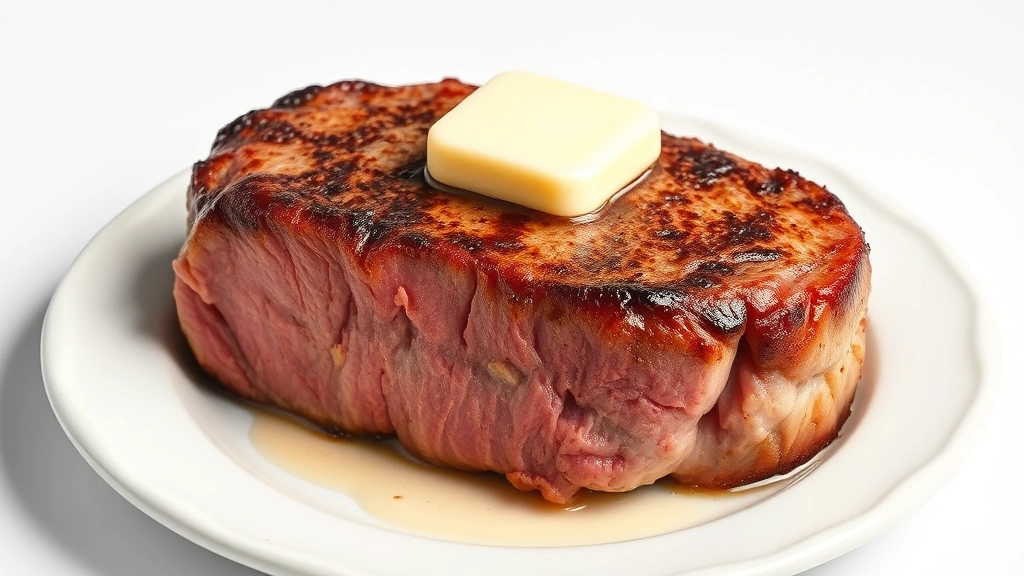
Learning filet mignon recipes is one of the best investments you can make in your cooking skills—this cut deserves respect, technique, and the right approach to shine on your dinner table. Whether you’re planning an anniversary dinner or impressing guests, I’m going to walk you through five methods that’ll have everyone thinking you trained in a professional kitchen.
Table of Contents
Why Filet Mignon Matters
Filet mignon is the tenderloin cut from beef cattle—it’s lean, buttery, and naturally tender. The reason restaurants charge premium prices? It requires precision. This isn’t a forgiving cut like ribeye with its marbling. You’re working with pure muscle fiber that demands attention to temperature and timing. When you master filet mignon recipes, you’re essentially mastering one of the fundamental techniques of cooking protein. The skills transfer directly to other cuts and cooking methods.
The beauty of filet mignon is its versatility. You can keep it simple with salt and pepper, or build complex flavor profiles with compound butters and reductions. I’ve found that the best approach is respecting the meat first—let the quality shine through—then adding technique as your canvas.
Classic Pan-Sear Method
This is the foundation every cook should master. Here’s exactly how to execute it:
Setup: Remove your filet from the refrigerator 30-40 minutes before cooking. Pat it completely dry with paper towels—moisture is your enemy for developing that golden crust. Season generously with kosher salt and freshly ground black pepper on all sides.
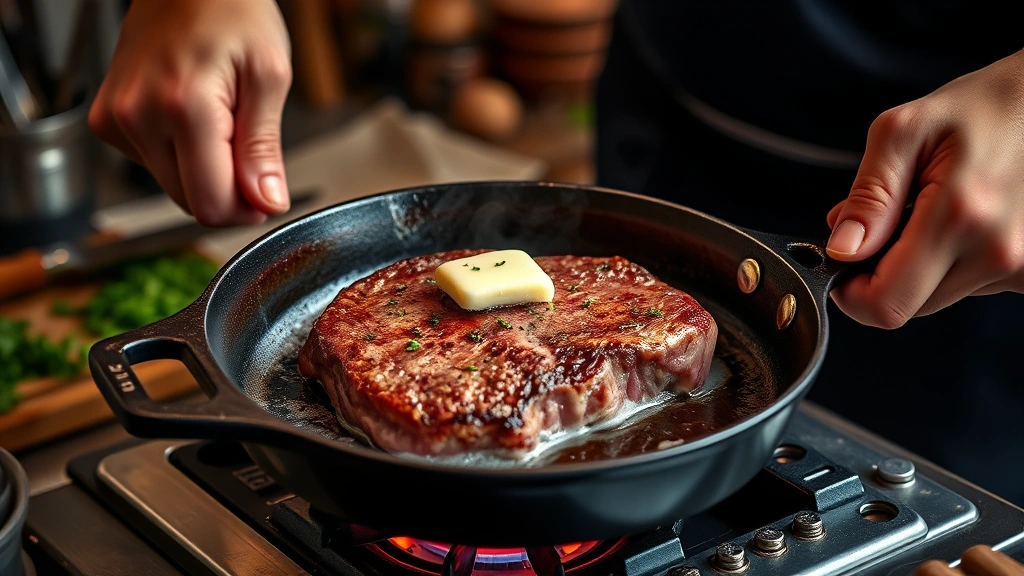
The Cook: Heat a cast-iron or stainless steel skillet over medium-high heat until it’s screaming hot (about 4-5 minutes). Add a high-smoke-point oil like avocado or refined vegetable oil—just a thin coating. Place your filet in the pan and resist the urge to move it. Let it sit for 3-4 minutes to develop a crust. Flip once, and cook another 3-4 minutes for medium-rare.
Add a knob of butter, fresh thyme, and crushed garlic in the final minute. Tilt the pan and baste the meat with the foaming butter. This is where the magic happens—that butter carries flavor directly into the meat. Let it rest for 5-10 minutes before serving. This resting period is non-negotiable; it allows the juices to redistribute throughout the meat.
Reverse-Sear Technique
If you want absolute control over doneness, reverse-searing is your answer. It’s become my go-to method for thicker cuts (1.5 inches or more).
The Process: Start your filet in a low-temperature oven (275°F) on a wire rack over a baking sheet. Insert a meat thermometer into the center. Cook until the internal temperature reaches 10-15 degrees below your target—so 115°F for medium-rare (which will be 130°F after searing). This takes about 20-30 minutes depending on thickness.
Remove the filet and let it rest for 5 minutes. Pat it completely dry—this is critical for the sear. Heat your cast-iron skillet until it’s smoking hot, add oil, and sear the filet for 60-90 seconds per side until you achieve a deep brown crust. The meat’s already at perfect temperature, so you’re just building that exterior.
This method eliminates the guesswork. You’re not racing against time trying to sear and cook simultaneously. You get perfect doneness every single time.
Sous-Vide Approach
Sous-vide has revolutionized how restaurants cook filet mignon, and home cooks can absolutely use this technique. It requires an immersion circulator, but the precision is unmatched.
The Method: Season your filet with salt and pepper. Vacuum-seal it (or use the water displacement method if you don’t have a sealer). Set your water bath to 129°F for medium-rare. Submerge the sealed filet and cook for 45 minutes to 4 hours—yes, you read that right. The beauty of sous-vide is that the meat can’t overcook. It’ll stay at exactly 129°F for as long as it’s in the water.
When you’re ready to eat, remove the filet, pat it dry, and sear it aggressively in a screaming-hot pan for 30-45 seconds per side. The contrast between the perfectly cooked interior and the crusty exterior is restaurant-level quality.
This method is perfect when you’re entertaining and need to time multiple dishes. Cook the filet hours ahead, sear it at the last minute, and serve perfect steak every time.
Grilled Filet Perfection
Grilling filet mignon intimidates people, but it’s actually straightforward with the right setup.
The Technique: Set up a two-zone fire on your grill—high heat on one side, medium on the other. Let your grill preheat for 10-15 minutes. Season your filet generously. Place it on the high-heat side for 2-3 minutes to develop grill marks, then move it to the medium side. Cook until your internal temperature reaches 120°F for medium-rare, about 4-6 minutes total depending on thickness.
The two-zone approach prevents flare-ups from charring the exterior while the interior stays raw. You’re essentially reverse-searing on the grill. Add butter and herbs during the final minute on the cooler side.
Pro tip: If your grill doesn’t have a second zone, simply move the grates closer to the heat source on one side and further away on the other. Same effect.
Oven-Finish Method
This is the method I use most often because it’s forgiving and produces consistent results.
The Execution: Sear your filet in a cast-iron skillet for 2 minutes per side over high heat. Transfer the entire skillet to a preheated 400°F oven. Cook until the internal temperature reaches 120°F, about 6-12 minutes depending on thickness. The residual heat in the cast iron and oven environment cooks the meat evenly while maintaining that beautiful crust.
This method works beautifully when you’re cooking multiple steaks. Sear them all in batches, then finish them together in the oven. Everyone gets served at the same time with the same doneness level.
Seasoning & Sauce Pairings
Filet mignon’s delicate flavor means your seasoning choices matter. Simple is often best, but when you want to elevate, here are my go-to approaches:
Compound Butter: Mix softened butter with minced fresh herbs (thyme, rosemary, parsley), minced garlic, and a pinch of fleur de sel. Dollop a pat on your hot filet right before serving. The butter melts into the meat and adds richness.
Red Wine Reduction: After removing your filet from the pan, deglaze with a quality red wine. Add beef stock and let it reduce by half. Finish with a cold knob of butter whisked in at the end. This sauce is elegant and restaurant-quality.
Béarnaise Sauce: This classic French sauce pairs perfectly with filet mignon. It’s made from egg yolks, clarified butter, and tarragon vinegar. Yes, it requires technique, but it’s worth learning. Many cooking resources cover béarnaise in detail.
Simple Salt & Pepper: Don’t overlook this. Kosher salt and freshly ground black pepper on perfectly cooked filet mignon is honestly all you need. Let the meat speak for itself.
Temperature & Timing Guide
Here’s where precision matters. Invest in a quality instant-read meat thermometer—it’s the single best tool for cooking perfect filet mignon.
Rare: Pull at 120°F internal temperature. Rests to 125°F.
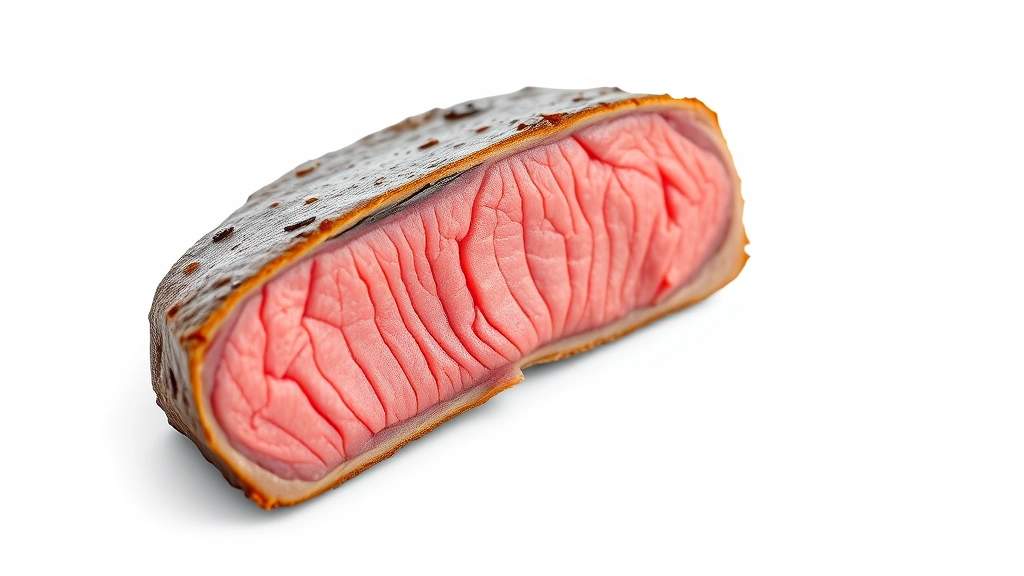
Medium-Rare: Pull at 130°F internal temperature. Rests to 135°F. This is the sweet spot for filet mignon.
Medium: Pull at 135°F internal temperature. Rests to 140°F.
Medium-Well: Pull at 145°F internal temperature. Rests to 150°F.
Always measure temperature at the thickest part of the meat. Insert the thermometer horizontally from the side. Rest your filet for 5-10 minutes after cooking—this is when carryover cooking happens and when juices redistribute. Skip this step and you’ll lose all those flavorful juices to your plate.
Common Mistakes to Avoid
Cooking Straight from Cold: Room temperature meat cooks more evenly. Don’t skip the 30-40 minute rest out of the refrigerator.
Wet Meat: Moisture prevents crust formation. Pat your filet completely dry before cooking.
Moving the Meat: Let it sit undisturbed in the pan for those first few minutes. Constant movement prevents browning.
Skipping the Rest: This is where people lose their meal. Those five minutes of resting are essential.
Wrong Pan Temperature: Your pan should be hot enough that a drop of water immediately sizzles and evaporates. If it’s not hot enough, you’ll steam the meat instead of searing it.
Overcrowding: If you’re cooking multiple filets, don’t crowd the pan. Cook in batches if necessary. Crowding drops pan temperature and creates steam.
When you’re ready to serve your masterpiece, clean your stainless steel appliances beforehand so your kitchen looks as impressive as your meal. And if you’re planning a full dinner spread, make apple cider for a complementary beverage that pairs beautifully with beef.
Frequently Asked Questions
What’s the difference between filet mignon and tenderloin?
Filet mignon is actually the tenderloin cut—specifically the most tender portion from the loin. The terms are often used interchangeably, though tenderloin can refer to the entire muscle group while filet mignon is the premium center-cut portion.
How thick should my filet mignon be?
For best results, cook filet mignon that’s at least 1.5 inches thick. Thinner cuts cook too quickly and don’t develop a proper crust. Thicker cuts (2 inches) give you more control and better results with reverse-searing techniques.
Can I cook frozen filet mignon?
You can, but you shouldn’t. Thaw it completely in the refrigerator for 24 hours. Cooking from frozen means the exterior overcooks while the interior remains cold. You lose control over doneness and won’t develop a proper crust.
How long can I store uncooked filet mignon?
Keep it in the coldest part of your refrigerator for up to 3 days. For longer storage, vacuum-seal and freeze for up to 6 months. Thaw frozen filet in the refrigerator, never at room temperature.
What’s the best oil for searing filet mignon?
Use oils with high smoke points: avocado oil, refined vegetable oil, canola oil, or refined peanut oil. Avoid olive oil and butter for the initial sear—they’ll burn. Add butter for flavor in the final minute of cooking.
Should I use a meat thermometer?
Absolutely. It’s the only reliable way to achieve perfect doneness. The touch method and timing estimates are guesses. A $15 instant-read thermometer removes all uncertainty.
What wine pairs best with filet mignon?
Cabernet Sauvignon is the classic pairing. Pinot Noir, Merlot, and Bordeaux blends also work beautifully. The tannins in these wines complement the rich, tender meat perfectly.
Final Thoughts on Filet Mignon Recipes
Mastering filet mignon recipes puts you in control of one of the most impressive dishes you can prepare at home. Whether you choose the straightforward pan-sear method, the precision of reverse-searing, or the consistency of sous-vide, you now have the knowledge to execute restaurant-quality results.
The key is respecting the ingredient, understanding your heat source, and investing in a good thermometer. Start with the classic pan-sear method to build confidence, then experiment with the other techniques. Each method teaches you something different about how heat, time, and technique work together.
Your next dinner party is going to be unforgettable. Cook with confidence, measure your temperatures, and let that beautiful filet mignon be the star of the show. And if you’re setting an elegant table, build a custom dining table to really impress your guests. For a complete meal experience, keep apples from browning if you’re preparing a salad course beforehand.


