
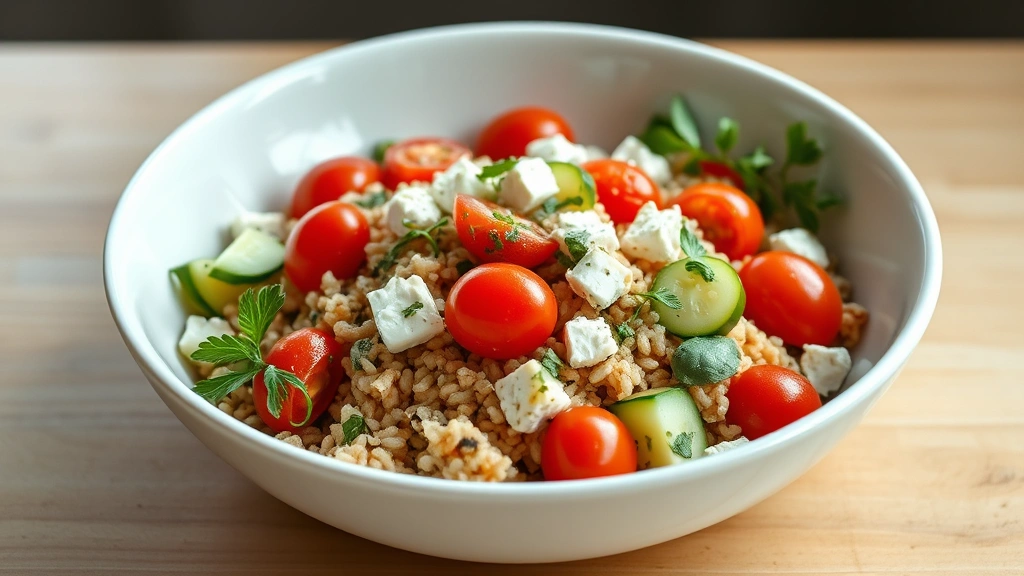
A farro recipe is your ticket to discovering one of the most versatile and nutritious ancient grains available in any modern kitchen. Whether you’re a seasoned home cook or just dipping your toes into whole grains, farro offers a nutty flavor, chewy texture, and impressive nutritional profile that makes it worthy of regular rotation in your meal prep routine.
Table of Contents
What Exactly Is Farro?
Farro is an ancient grain that’s been cultivated for over 10,000 years, primarily in the Mediterranean and Middle East. It’s technically a hulled wheat variety, distinct from modern refined wheat you find in most supermarkets. The grain has a distinctive chewy texture and a subtle nutty flavor that works beautifully in both savory and sweet applications. When you’re planning a farro recipe, you’re tapping into thousands of years of culinary tradition while getting modern nutritional benefits.
The appeal of farro goes beyond nostalgia. This grain contains significantly more fiber than regular wheat, making it excellent for digestive health. It’s also packed with protein, making it a solid choice for vegetarian and vegan meal planning. Unlike some trendy superfoods, farro is genuinely affordable and widely available at most grocery stores.
Types of Farro Explained
Not all farro is created equal, and understanding the differences will help you choose the right grain for your specific farro recipe. There are three main varieties you’ll encounter:
Whole Grain Farro (Farro Integrale): This is the least processed version with the entire hull intact. It takes the longest to cook—usually 45-60 minutes—but delivers maximum nutrition. This is your best bet if you’re making a hearty soup or want the most fiber content.
Semi-Pearled Farro: This middle-ground option has some of the bran removed, reducing cooking time to about 30 minutes while retaining most nutritional benefits. It’s the most commonly available version and works wonderfully in most farro recipe applications.
Pearled Farro: The most processed variety with most of the hull removed, pearled farro cooks quickly in 15-20 minutes. While it has less fiber than whole grain versions, it’s still nutritionally superior to refined grains and offers superior texture for creamy dishes.
Basic Farro Cooking Method
Before diving into specific farro recipe ideas, master the fundamental cooking technique. This is your foundation for success.
Start by rinsing your farro under cold water using a fine-mesh strainer. This removes any dust or debris. For semi-pearled farro, use a 1:3 ratio of grain to water. Add the rinsed farro to a pot with water and bring it to a boil, then reduce heat to a gentle simmer.
Here’s the trick that separates mediocre farro from exceptional farro: don’t just set it and forget it. Stir occasionally during cooking to encourage even heat distribution and prevent sticking. After about 25-30 minutes, taste a grain. It should be tender but still maintain a slight chew—think al dente pasta. The moment it reaches that texture, drain any excess water and transfer to a bowl.
For whole grain farro, add an extra 15-20 minutes to the cooking time and check more frequently. Pearled farro typically needs only 15-20 minutes total. Your specific farro recipe will specify which type to use, so adjust timing accordingly.
Simple Farro Salad Recipe
This is the gateway farro recipe that converts skeptics. It’s refreshing, flexible, and looks impressive at potlucks.
Ingredients: 1 cup cooked semi-pearled farro, 1 cup cherry tomatoes (halved), 1 cucumber (diced), ½ red onion (thinly sliced), 1 cup fresh herbs (parsley, mint, or dill), ¼ cup crumbled feta cheese, 3 tablespoons olive oil, 2 tablespoons lemon juice, 1 clove garlic (minced), salt and pepper to taste.
Instructions: Combine cooked farro with vegetables and herbs in a large bowl. Whisk together olive oil, lemon juice, minced garlic, salt, and pepper. Pour dressing over farro mixture and toss thoroughly. Let it sit for 15 minutes to allow flavors to meld. Sprinkle feta cheese just before serving. This farro recipe improves over 24 hours as flavors develop, making it perfect for meal prep.
The beauty of this farro recipe is its adaptability. Swap in roasted bell peppers, add chickpeas for extra protein, or include fresh corn when it’s in season. The fundamental technique remains the same.
Creamy Farro Risotto
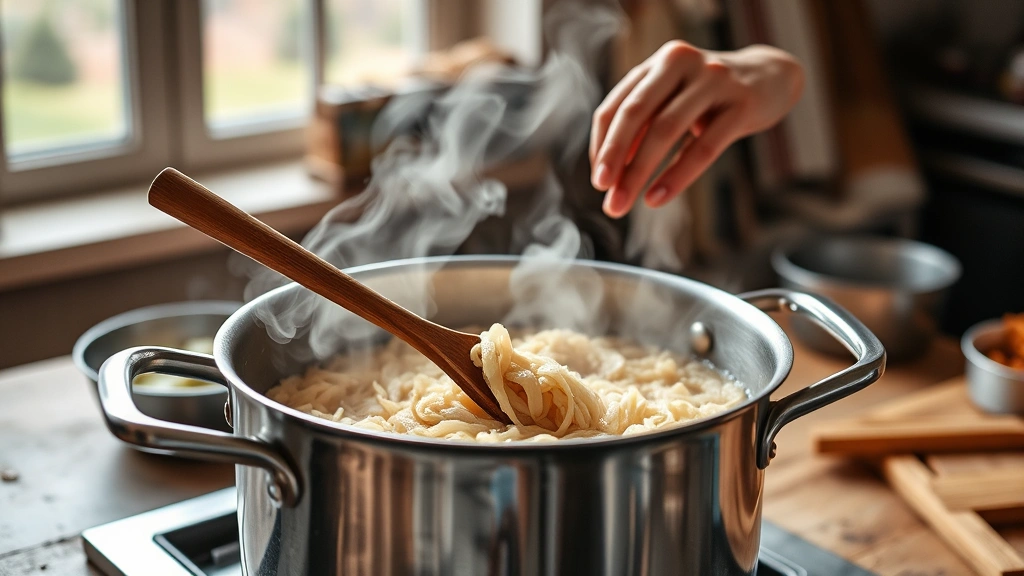
This farro recipe transforms the ancient grain into something luxuriously creamy that rivals traditional risotto made with arborio rice. The key is patience and constant stirring—this isn’t a hands-off dish.
Ingredients: 1½ cups semi-pearled farro, 4 cups vegetable or chicken broth (kept warm), 1 small onion (finely diced), 2 cloves garlic (minced), ½ cup dry white wine, 3 tablespoons butter (divided), 2 tablespoons olive oil, ½ cup Parmesan cheese (grated), salt, pepper, and fresh thyme.
Instructions: Heat olive oil and 1 tablespoon butter in a large, heavy-bottomed pot. Sauté diced onion until translucent, about 5 minutes. Add minced garlic and cook another minute. Pour in farro and toast for 2 minutes, stirring constantly. Deglaze with white wine, stirring until mostly absorbed.
Now begins the gradual addition phase. Add warm broth one ladle at a time, stirring frequently. Wait until the liquid is mostly absorbed before adding the next ladle. This process takes about 25-30 minutes and is crucial for developing the creamy texture this farro recipe is known for. When farro is tender but still slightly chewy, remove from heat and stir in remaining butter and Parmesan cheese. Season with salt, pepper, and fresh thyme.
This farro recipe serves 4-6 people and pairs beautifully with roasted vegetables or a simple green salad.
Hearty Farro Soup
When you want comfort in a bowl, this farro recipe delivers. It’s substantial enough to be a complete meal on its own.
Ingredients: 1 cup whole grain farro, 2 tablespoons olive oil, 1 large onion (diced), 3 carrots (diced), 3 celery stalks (diced), 4 cloves garlic (minced), 8 cups vegetable broth, 1 can diced tomatoes, 1 can white beans (drained), 2 cups kale (chopped), 1 teaspoon dried oregano, 1 bay leaf, salt, pepper, and fresh parsley.
Instructions: Heat olive oil in a large pot and sauté onion, carrots, and celery until softened, about 8 minutes. Add garlic and cook 1 minute more. Pour in broth and bring to a boil. Add whole grain farro, dried oregano, and bay leaf. Reduce heat and simmer for 35-40 minutes until farro is nearly tender.
Add diced tomatoes with their juice and white beans. Simmer another 10 minutes. Stir in chopped kale and cook until wilted, about 5 minutes. Season with salt and pepper to taste. This farro recipe freezes beautifully for up to 3 months, making it ideal for batch cooking.
Storage and Make-Ahead Tips
One reason farro recipe dishes are so practical is their excellent storage properties. Cooked farro keeps in the refrigerator for up to 5 days in an airtight container. For longer storage, freeze cooked farro in portion-sized containers for up to 3 months.
Raw farro stores indefinitely in a cool, dry pantry—it’s one of the most shelf-stable grains available. Many experienced cooks keep a bag on hand for spontaneous farro recipe inspiration.
When you’re planning meal prep, cook a large batch of farro at the beginning of the week. Use it in different farro recipe applications throughout the week: toss with fresh vegetables for lunch salads, add to soups, or reheat gently with broth for a quick side dish.
Nutrition Benefits Breakdown
Every farro recipe you prepare delivers impressive nutritional value. A single cup of cooked semi-pearled farro contains approximately 193 calories, 7 grams of protein, 37 grams of carbohydrates, and 7 grams of fiber. It’s also rich in B vitamins, magnesium, and manganese.
The high fiber content in farro makes it particularly valuable for digestive health and maintaining stable blood sugar levels. The protein content makes it an excellent grain choice for vegetarians and vegans who are building complete proteins through grain and legume combinations.
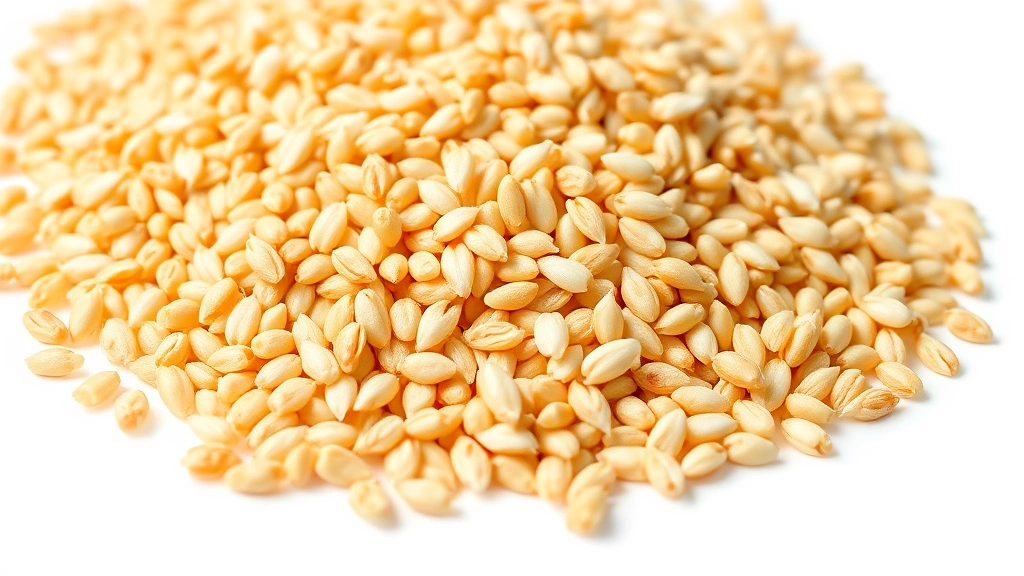
Unlike refined grains, farro retains most of its nutritional profile because of minimal processing. When you’re choosing between a farro recipe and recipes using white rice or refined pasta, you’re making a choice that benefits your long-term health.
Common Farro Mistakes to Avoid
Using too much water: This is the most common error. Farro isn’t rice—it doesn’t need to be submerged in excess liquid. Stick to a 1:3 ratio for semi-pearled varieties.
Cooking without stirring: Unlike rice, farro benefits from occasional stirring to ensure even cooking and prevent clumping.
Overcooking: Farro should have a pleasant chew, not turn into mush. Start checking at the lower end of recommended cooking times.
Confusing varieties: Don’t assume all farro cooks in the same time. Whole grain takes significantly longer than pearled. Read your package directions.
Not seasoning the cooking water: Add salt to your cooking water just like you would for pasta. This flavors the grain from the inside out.
Frequently Asked Questions
Can I make a farro recipe if I have a gluten sensitivity?
Unfortunately, no. Farro is a wheat variety and contains gluten. People with celiac disease or gluten sensitivity should avoid all farro recipes. However, there are excellent ancient grain alternatives like quinoa, millet, or certified gluten-free oats that work similarly in many applications.
What’s the difference between farro and barley?
While both are ancient grains with similar appearances and cooking methods, farro is hulled wheat while barley is a different grain entirely. Farro has a nuttier flavor and slightly different nutritional profile. They’re not interchangeable in most farro recipe applications, though barley can substitute in a pinch with minor texture differences.
How do I know when farro is done cooking?
The grain should be tender but maintain a slight chew when bitten. It’s similar to al dente pasta—cooked through but not soft or mushy. Start tasting at the lower end of your recipe’s recommended cooking time and check every few minutes.
Can I use instant farro?
Instant farro exists and cooks in about 10 minutes, but it sacrifices texture and some nutritional value for convenience. For most farro recipe applications, semi-pearled farro offers the best balance of cooking time, nutrition, and texture.
Is farro expensive compared to other grains?
Not at all. Farro is typically comparable in price to brown rice and significantly cheaper than many trendy superfoods. It’s an affordable way to add nutrition and variety to your diet through creative farro recipe ideas.
Can I sprout farro?
Yes, whole grain farro can be sprouted, which increases its nutritional bioavailability and digestibility. Sprouting takes 2-3 days and requires rinsing several times daily. Sprouted farro can be used in some farro recipe applications, though it’s less common than sprouted grains like quinoa or lentils.


