
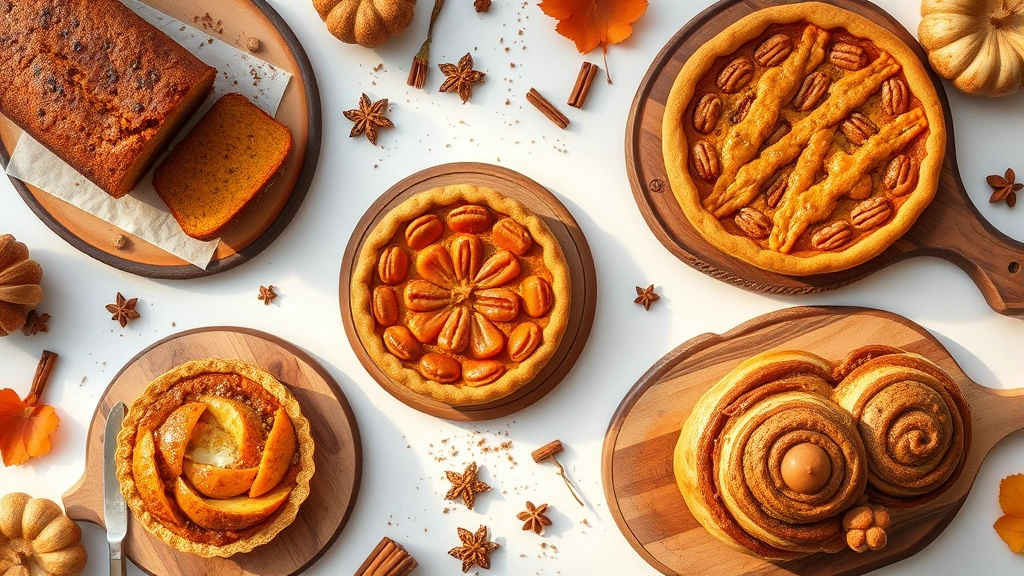
Fall baking recipes are the golden ticket to transforming your kitchen into a cozy autumn haven, and mastering these essential treats will make you the hero of every harvest gathering. Whether you’re a seasoned baker or just starting to explore seasonal flavors, these ten recipes will teach you foundational techniques while delivering the warm spices and comforting tastes that define fall baking.
Table of Contents
Why Fall Baking Matters
There’s something magical about autumn that makes people crave warmth and sweetness. Fall baking recipes tap into this seasonal psychology, combining flavors like cinnamon, nutmeg, cloves, and ginger that signal comfort and home. When you master these recipes, you’re not just baking—you’re creating memories and traditions that bring people together around your kitchen table.
The beauty of fall baking is that it teaches you core baking principles: how to balance spices, work with seasonal produce, and develop flavors that complement each other. These skills transfer to year-round baking, making autumn the perfect time to level up your craft.
Pumpkin Spice Fundamentals
Pumpkin is the undisputed king of fall baking recipes, but many home bakers make the mistake of relying solely on pumpkin pie spice blends. Instead, learn to blend your own spices: cinnamon, nutmeg, ginger, and cloves. Start with a ratio of 3 tablespoons cinnamon, 1 tablespoon nutmeg, 1 teaspoon ginger, and ½ teaspoon cloves per cup of pumpkin puree.
The key to excellent pumpkin baking is using pure pumpkin puree, not pie filling. Pie filling contains added sugar and spices that limit your control. When working with pumpkin, remember that it contains moisture—adjust your liquid ratios accordingly. For pumpkin bread and muffins, reduce other liquids by about 25% to prevent dense, gummy results.
Apple Cinnamon Mastery
Apple-based fall baking recipes require understanding which varieties work best for different applications. Granny Smith apples hold their shape in pies and crisps, while Honeycrisp and Gala apples work beautifully in cakes and quick breads where you want softer texture. Mix varieties for complex flavor: use tart apples for tartness and sweet apples for natural sweetness.
When preparing apples, slice them consistently—about ¼-inch thick—so they bake evenly. Toss sliced apples with a bit of lemon juice to prevent browning and add brightness to the finished product. For apple crisps and cobblers, macerate (let sit) your apples with sugar and spices for 15-30 minutes before baking to draw out juices and develop deeper flavor.
Pecan Pie Techniques
Pecan pie intimidates many bakers, but the technique is straightforward once you understand the chemistry. The filling is essentially a custard: eggs, sugar, and butter create a creamy base that sets as it bakes. The critical step is preventing a soggy crust while ensuring the filling cooks through evenly.
Start with a pre-baked pie crust (blind baked at 375°F for 12-15 minutes with pie weights). This prevents the bottom from becoming soggy. Toast your pecans lightly before adding them—this deepens their flavor and adds textural contrast. When mixing filling ingredients, combine wet ingredients separately from dry ingredients, then fold together gently to avoid overworking the batter, which can make the filling tough.
Spiced Cookie Science
Fall baking recipes featuring spiced cookies teach you about flavor development and texture control. Snickerdoodles, gingerbread, and molasses cookies all rely on understanding how spices interact with fats and sugars. Brown sugar, for instance, adds moisture and deeper molasses notes compared to white sugar.
When creaming butter and sugar together—the foundation of most cookies—beat for 2-3 minutes until light and fluffy. This incorporates air, creating tender cookies. Overmixing after adding flour develops gluten, resulting in tough, dense cookies. Mix dry ingredients separately, then fold into wet ingredients with minimal stirring. Chill dough for at least 30 minutes before baking to prevent spreading.
Chocolate Harvest Treats
Chocolate and fall spices are a natural pairing often overlooked in seasonal baking. Dark chocolate complements cinnamon, ginger, and cloves beautifully. Try making chocolate-spiced brownies by adding 1 teaspoon cinnamon and ½ teaspoon cayenne pepper to your brownie batter—the heat from cayenne makes the chocolate taste more chocolatey.
For chocolate-based fall recipes, temper your expectations about texture. Brownies should be fudgy, not cake-like—underbake slightly by removing from the oven when a toothpick inserted in the center still has a few moist crumbs attached. Chocolate chips in cookies should be chopped rather than used whole for better distribution and more even melting throughout the baked good.
Cinnamon Roll Variations
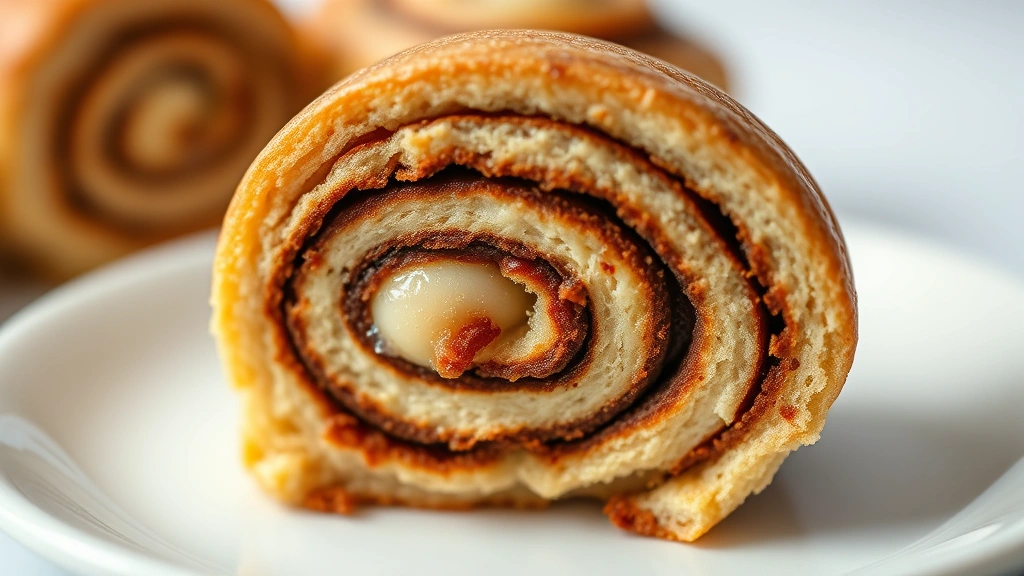
Cinnamon rolls represent the pinnacle of fall baking recipes because they combine dough-making skills, filling expertise, and lamination technique. The cinnamon roll filling recipe is where most home bakers struggle—the filling should be thick enough to stay in place during rolling but soft enough to distribute evenly.
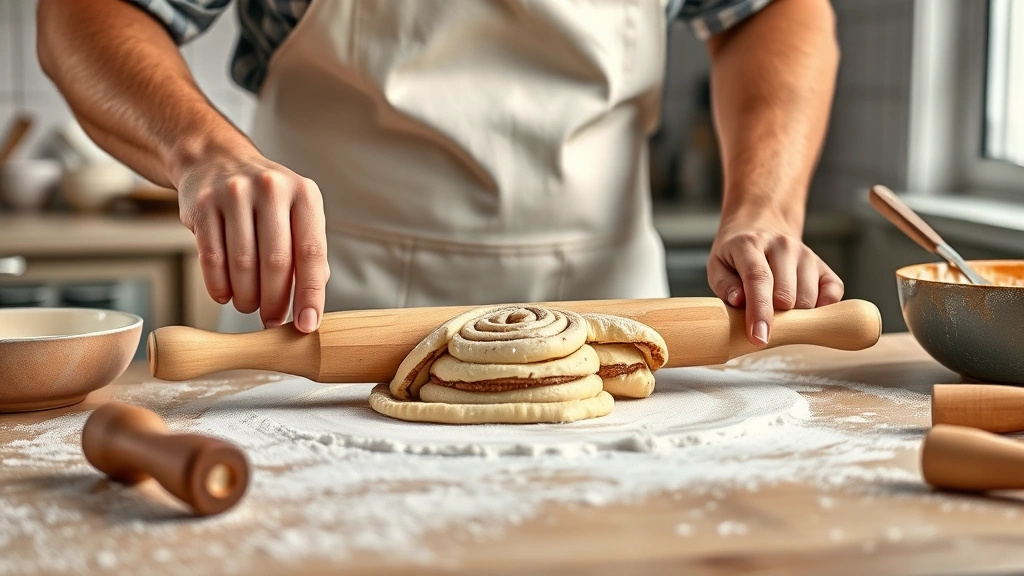
Master the basic dough first: a rich, slightly sweet dough enriched with butter, eggs, and milk. The dough should be soft but not sticky—if you can’t handle it without it sticking to your hands, add a tablespoon of flour at a time. Let it rise in a warm spot (75-80°F) for about 90 minutes until puffy. Roll out to ¼-inch thickness, spread filling, roll tightly, and cut into equal portions with dental floss (it won’t crush the dough like a knife).
Sourdough Seasonal Options
If you maintain a sourdough starter, fall is the perfect time to explore seasonal variations. Discard sourdough recipes are ideal for using starter that accumulates as you feed your culture. Pumpkin sourdough, apple-cinnamon sourdough, and spiced sourdough loaves all benefit from the tangy complexity that sourdough fermentation provides.
The advantage of sourdough for fall baking is that long, slow fermentation develops flavor more deeply than commercial yeast. A 12-24 hour cold fermentation in the refrigerator allows flavors to meld and intensify. This technique works equally well for sourdough cinnamon rolls, where the dough becomes more extensible and easier to work with after chilling.
Baking Tips for Success
Temperature control is crucial for fall baking recipes. Room temperature ingredients mix more evenly and create better emulsions. Take eggs, butter, and dairy out of the refrigerator 30 minutes before baking. Use an oven thermometer—most home ovens run 25°F hot or cold—to ensure accurate baking.
Invest in quality spices, especially for fall baking where spices are the star. Buy whole spices when possible and grind them yourself—the flavor difference is dramatic. Store spices in airtight containers away from heat and light; they lose potency after 6-12 months. When measuring spices, use the spoon-and-level method: fill the measuring spoon and level with a knife rather than scooping directly from the container, which compacts the spice.
For fall baking recipes involving fruit, don’t skip the maceration step. Letting apples, pears, or other fruit sit with sugar draws out moisture and concentrates flavor. This prevents watery pies and cobblers while creating a more flavorful filling. Similarly, toasting nuts before using them in recipes amplifies their flavor and adds textural interest.
Consider making a chess bars recipe variation using fall spices—chess bars are simple enough for beginners but flexible enough to customize with seasonal flavors. The basic custard-like filling accepts additions beautifully, making it perfect for experimentation.
Frequently Asked Questions
What’s the difference between baking powder and baking soda in fall recipes?
Baking soda requires an acid (buttermilk, brown sugar, molasses, yogurt) to activate and creates carbon dioxide immediately. Baking powder contains acid already and works in two stages: some lift when wet, more when heated. Fall baking recipes often use molasses and brown sugar, which are acidic, making baking soda ideal. Use baking soda when your recipe contains acidic ingredients; use baking powder for recipes without acid.
How do I prevent my pumpkin bread from being dense?
Dense pumpkin bread usually results from overmixing or too much pumpkin puree. Mix your batter just until combined—lumps are fine and will disappear during baking. Use pure pumpkin puree and reduce other liquids accordingly. Don’t add extra pumpkin “for flavor”—this adds moisture without adding structure. Make sure your baking soda and baking powder are fresh; old leavening agents won’t create enough lift.
Can I make fall baking recipes ahead of time?
Most fall baked goods freeze beautifully for up to three months. Cool completely before wrapping tightly in plastic wrap and aluminum foil. Unfrost at room temperature for 2-3 hours. Cookies can be stored in airtight containers at room temperature for up to a week. Doughs (cookie, bread, roll) can be frozen after shaping—bake directly from frozen, adding 2-3 minutes to baking time.
Why do my cookies spread too much?
Spreading usually indicates warm dough or an oven running too cool. Always chill dough before baking—at least 30 minutes for drop cookies, up to overnight for shaped cookies. Use parchment paper or silicone baking mats to ensure even heat distribution. If your oven runs cool (check with an oven thermometer), increase temperature by 25°F. Reduce butter slightly—too much fat increases spreading.
What’s the best way to measure flour accurately?
Spoon flour into your measuring cup and level with a knife—don’t scoop directly into the flour bag, which compacts it. One cup of flour measured this way weighs about 120 grams. If your recipe lists weights, use a kitchen scale for absolute accuracy. This is especially important for fall baking recipes with spices, where precise measurements prevent overpowering flavors.


