
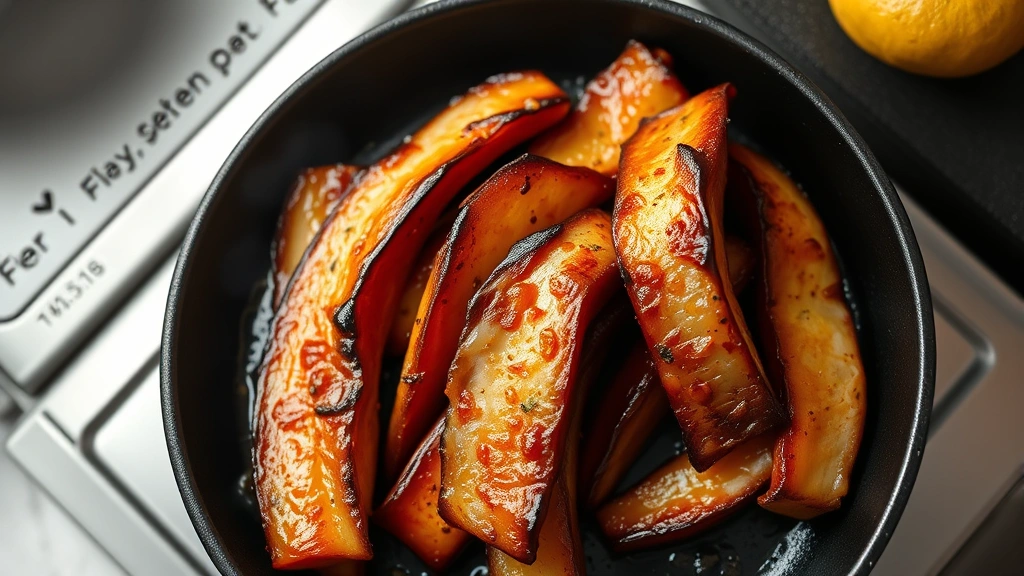
A killer fajita marinade recipe is the difference between rubbery, bland strips of meat and restaurant-quality fajitas that’ll have everyone at your table asking for seconds. I’ve spent years perfecting my approach to marinades, and I’m here to walk you through exactly what makes a fajita marinade work, how to build one from scratch, and the pro techniques that transform ordinary cuts into something extraordinary.
Table of Contents
What Makes Great Fajita Marinade
Before we dive into my go-to fajita marinade recipe, let’s talk about the fundamentals. A proper marinade has three essential components: acid, fat, and flavor. The acid (lime juice, vinegar, or citrus) breaks down muscle fibers and tenderizes meat. Fat carries flavors and keeps the meat moist during cooking. And the seasonings? That’s where personality comes in. When these three elements work together, you get meat that’s not just tender but actually tastes like something special.
The beauty of a well-balanced fajita marinade is that it works on multiple levels. It seasons the meat deeply, not just on the surface. It tenderizes tougher cuts, making them suitable for quick, high-heat cooking. And it creates those beautiful caramelized edges when you hit the grill or cast iron. I’ve found that most people either go too heavy on the acid (resulting in mushy meat) or skip the acid entirely (resulting in tough, underseasoned strips). The sweet spot is finding that balance.
Classic Fajita Marinade Recipe
Here’s my battle-tested recipe that works beautifully with beef, chicken, or pork:
Ingredients:
- 1/2 cup fresh lime juice (about 4-5 limes)
- 1/4 cup olive oil
- 6 cloves garlic, minced
- 2 tablespoons soy sauce or tamari
- 1 tablespoon Worcestershire sauce
- 2 teaspoons ground cumin
- 1 teaspoon smoked paprika
- 1 teaspoon dried oregano
- 1/2 teaspoon cayenne pepper (adjust to taste)
- 1 teaspoon salt
- 1/2 teaspoon black pepper
- 1 tablespoon honey or agave nectar
Instructions:
Combine all ingredients in a bowl and whisk until well blended. The honey should dissolve into the mixture. For 2 pounds of meat, this recipe provides enough marinade to coat everything thoroughly. I always make sure the liquid covers at least half the meat if you’re using a zip-lock bag, or all of it if you’re using a container. The soy sauce adds umami depth that regular salt can’t match, while the Worcestershire brings complexity without making the marinade taste “off.”
Understanding Each Ingredient
Let’s break down why each component matters in your fajita marinade recipe. Lime juice is non-negotiable—it’s acidic enough to tenderize without being aggressive like vinegar. Fresh lime is always better than bottled because the oils in the peel add authentic flavor. If you’re in a pinch, use fresh lemon juice, but lime is the real deal.
Olive oil serves multiple purposes. It carries the fat-soluble flavors of the spices, keeps the meat moist, and helps with browning. Don’t cheap out here—use a decent quality oil, not the super-refined stuff. Garlic is your flavor foundation. Minced raw garlic is better than powdered because it brings fresh, sharp notes that powder can’t deliver.
Soy sauce is the secret weapon most home cooks overlook. It adds saltiness, yes, but more importantly it brings umami—that savory depth that makes people say “wow, what is that?” without being able to pinpoint it. Worcestershire sauce adds tangy, slightly sweet complexity. Cumin is the signature spice—it’s what makes fajitas taste like fajitas. Smoked paprika adds color and a subtle smokiness that hints at grilling even before you cook.
Oregano brings an herbal note that ties everything together. Cayenne is optional but recommended—it adds heat and depth. Honey balances the acidity and adds a touch of caramelization when cooked. Together, these elements create a marinade that’s balanced, complex, and absolutely crave-worthy.
Marinating Times and Techniques
Timing is critical when working with a fajita marinade recipe. For beef, I recommend 4-8 hours as the sweet spot. Less than 2 hours and you’re barely scratching the surface. More than 12 hours and you risk the acid breaking down the proteins too much, resulting in mushy, unpleasant texture. Chicken is more delicate—4-6 hours is ideal. Pork can handle 6-8 hours beautifully.
Here’s a pro tip: don’t marinate at room temperature. Always use the refrigerator. Room temperature marinading speeds up bacterial growth and doesn’t actually tenderize faster. The cold temperature slows the acid’s work, which paradoxically gives you better results because it’s more controlled.
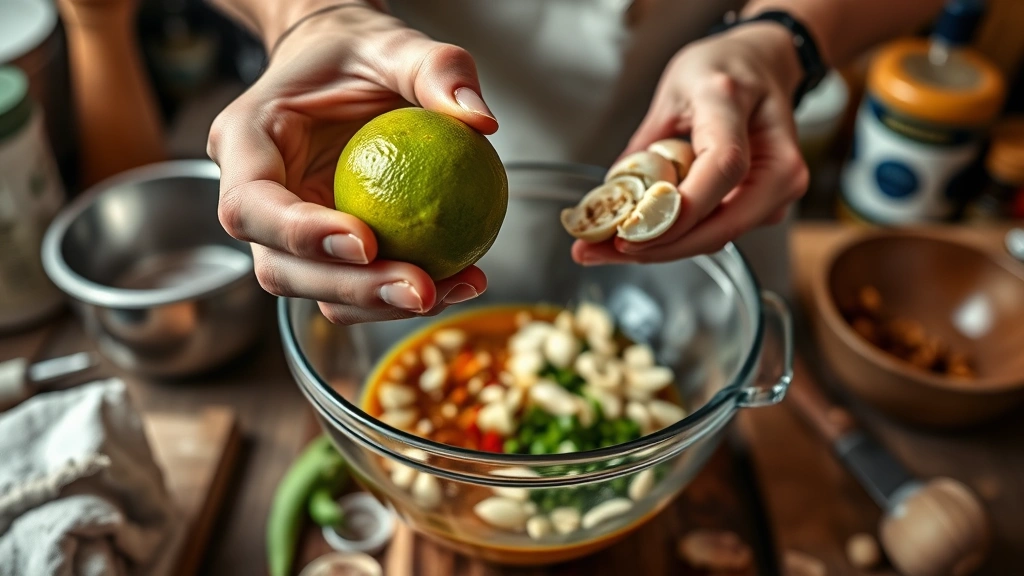
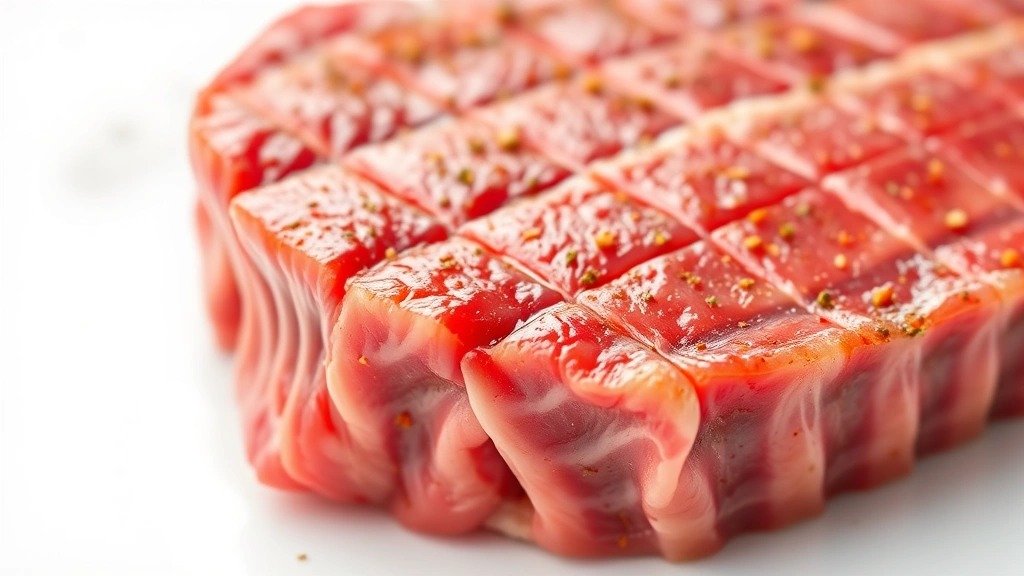
For maximum flavor penetration, score your meat lightly before marinating. Make shallow cuts (about 1/8 inch deep) in a crosshatch pattern on both sides. This increases surface area and lets the marinade penetrate deeper. Use a sharp knife and don’t go so deep that you’re cutting into the meat’s structure. I also recommend flipping the bag or stirring the meat halfway through marinating to ensure even coverage.
Choosing the Right Meat
Not all cuts work equally well in a fajita marinade recipe. For beef, skirt steak is my top choice. It’s got enough marbling to stay juicy, enough texture to absorb the marinade, and it’s affordable. Flank steak is my second choice—slightly leaner but still excellent. Avoid tenderloin or filet; they’re expensive and don’t need marinating. For chicken, use thighs instead of breasts if possible—they stay moister and have better flavor.
Pork shoulder or pork tenderloin both work beautifully. The key is choosing cuts that have some structure to them. Thin, delicate cuts can become mushy if over-marinated, while tougher cuts benefit most from the tenderizing action.
Flavor Variations and Twists
Once you’ve mastered the classic fajita marinade recipe, it’s fun to experiment. Here are my favorite variations:
Chipotle Version: Add 2 tablespoons of chipotle peppers in adobo sauce (blended smooth) to the base recipe. This adds smokiness and heat that’s more complex than cayenne alone.
Cilantro-Heavy: Add 1/2 cup fresh cilantro, blended into the marinade. This brightens everything and adds a fresh, herbaceous note.
Tequila Lime: Replace 2 tablespoons of olive oil with 2 tablespoons of tequila. It adds a subtle sweetness and complexity that’s fantastic with beef.
Asian Fusion: Increase soy sauce to 3 tablespoons, add 1 tablespoon sesame oil, 1 tablespoon rice vinegar, and 1 teaspoon ginger. This creates an entirely different flavor profile that still works beautifully on the grill.
Common Mistakes to Avoid
I’ve made these mistakes so you don’t have to. First, don’t use too much acid. I see people dump in half a cup of vinegar and wonder why their meat turns into mush. Stick with the measurements. Second, don’t skip the salt in the marinade—it helps with flavor absorption and texture. Third, don’t marinate at room temperature, no matter how convenient it seems.
Fourth, don’t marinate frozen meat. Thaw it completely first; frozen meat won’t absorb the marinade properly. Fifth, don’t reuse marinade that’s touched raw meat without boiling it first. If you want to use it as a sauce, set some aside before adding the raw meat. Sixth, don’t forget to pat your meat dry before cooking—excess marinade on the surface creates steam instead of a nice crust.
Storage and Make-Ahead Tips
The beauty of a fajita marinade recipe is that it’s incredibly make-ahead friendly. You can prepare the marinade up to 3 days in advance and store it in an airtight container in the refrigerator. When you’re ready to marinate, just add the meat and go. This is perfect for weeknight cooking—prep on Sunday, marinate Monday night, cook Wednesday.
You can also marinate meat and freeze it together. Place the meat and marinade in a zip-lock bag, remove as much air as possible, and freeze for up to 3 months. When you’re ready to cook, thaw it in the refrigerator (this counts as marinating time, which is perfect). This is a game-changer for meal prep.
Cooking Your Marinated Fajitas
Pat your marinated meat completely dry with paper towels before cooking. This is non-negotiable if you want a good crust. Let it sit at room temperature for 15-20 minutes before cooking—this ensures even cooking throughout. Heat your cast iron skillet or grill to high heat. You want it smoking slightly. Cook the meat in a single layer without moving it for 3-4 minutes per side for medium-rare. Resist the urge to flip constantly.
Slice against the grain after cooking, which is crucial for tenderness. The marinade has already done its job, but slicing against the grain ensures each bite is as tender as possible. Serve immediately with warm tortillas, sautéed peppers and onions, and all your favorite toppings.
Frequently Asked Questions
How long can you marinate fajita meat?
The maximum time depends on the meat. For beef, 12 hours is the upper limit before the acid starts breaking down the proteins too much. Chicken should max out around 8 hours. Pork can go up to 12 hours. Beyond these times, the texture starts degrading. Minimum time is 2 hours, but 4-6 hours is ideal for maximum flavor.
Can you marinate fajita meat too long?
Yes, absolutely. Over-marinating results in mushy, unpleasant texture. The acid in the fajita marinade recipe breaks down muscle fibers, which is good up to a point, but too much time creates an undesirable texture. Think of it like ceviche—if you leave fish in lime juice too long, it becomes mushy.
What’s the best cut of meat for fajitas?
Skirt steak is the gold standard for beef fajitas. It’s affordable, flavorful, and has the right texture. Flank steak is an excellent alternative. For chicken, thighs are superior to breasts because they stay moister. For pork, shoulder or tenderloin both work beautifully.
Can you use bottled lime juice?
Fresh lime juice is always better, but bottled works in a pinch. The flavor won’t be quite as bright and complex, but it’ll still work. Avoid the concentrated bottled stuff—it’s too intense and tastes artificial. If using bottled, use slightly less than the recipe calls for.
Do you need to rinse marinated meat before cooking?
No, don’t rinse. Just pat it dry with paper towels. Rinsing washes away flavor and defeats the purpose of marinating. The dry surface is what creates the nice crust when cooking.
Can you marinate meat in a glass bowl?
Absolutely. Glass, ceramic, or food-grade plastic all work fine. Avoid aluminum or reactive metals because the acid in the fajita marinade recipe can interact with them and create off-flavors. Zip-lock bags are my preferred method because they take up less space and ensure even coverage.
What if your meat is still tough after marinating?
This usually means either you chose the wrong cut (tenderloin or filet don’t benefit from marinating) or you didn’t marinate long enough. Also, make sure you’re slicing against the grain. Some people marinate perfectly but then slice with the grain, which negates all the tenderizing work.
Can you double the fajita marinade recipe?
Yes, you can scale it up easily. Just maintain the same proportions. Doubling works great if you’re marinating a larger quantity of meat or want extra marinade for basting while cooking.
Conclusion: Mastering a fajita marinade recipe transforms your cooking from good to restaurant-quality. It’s not complicated—just balanced proportions of acid, fat, and flavor working together. Start with the classic recipe I’ve shared, nail the timing and technique, and you’ll have fajitas that taste like they came from a professional kitchen. The investment in fresh ingredients and proper marinating time pays dividends in flavor and tenderness. Once you’ve got this down, you’ll find yourself making fajitas constantly because they’re that good.


