
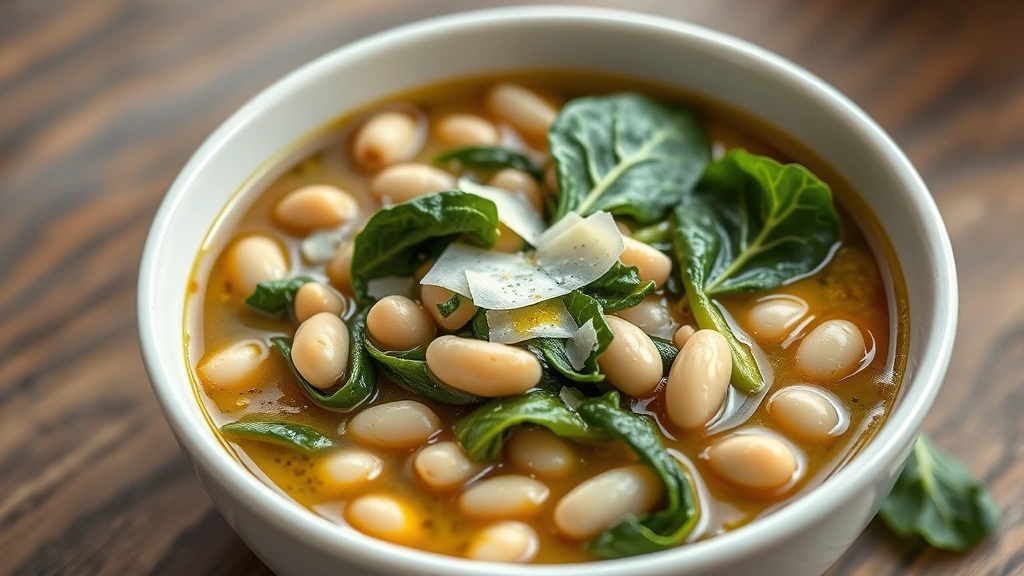
An escarole and beans recipe is one of those rustic Italian dishes that tastes like your grandmother spent hours in the kitchen, but honestly? You’ll have it on the table in about 30 minutes. This is real comfort food—hearty, healthy, and packed with flavor that makes you feel like you’re eating at a trattoria in Naples.
Table of Contents
What Is Escarole Anyway?
If you’ve walked past escarole in the grocery store and wondered what the heck it was, you’re not alone. Escarole is a leafy green that looks like a cross between lettuce and cabbage—it’s got those broad, slightly crinkled leaves with a mild, slightly bitter flavor. When you cook it down, it becomes tender and sweet, losing most of that bitterness. Think of it as the Italian cousin of collard greens, but way more delicate. The beauty of escarole in this recipe is that it holds up beautifully to cooking without turning into mush, and it absorbs all those savory flavors from the beans and broth.
Ingredients You Need
Here’s what you’re working with for a solid four-to-six serving batch:
- 1 large head of fresh escarole (about 1 pound), cleaned and chopped
- 2 cans (15 ounces each) white beans or cannellini beans, drained and rinsed
- 4 cloves garlic, minced (don’t skip this—garlic is your best friend here)
- 1 medium onion, diced
- 4 cups vegetable or chicken broth
- 3 tablespoons good quality olive oil
- 1 teaspoon red pepper flakes (adjust to your heat tolerance)
- Salt and black pepper to taste
- Optional: fresh parmesan cheese for serving, crusty bread for soaking up broth
That’s it. No complicated ingredient list, no special items you can’t find. This is peasant food done right—simple, honest, delicious.
Prep Work Matters
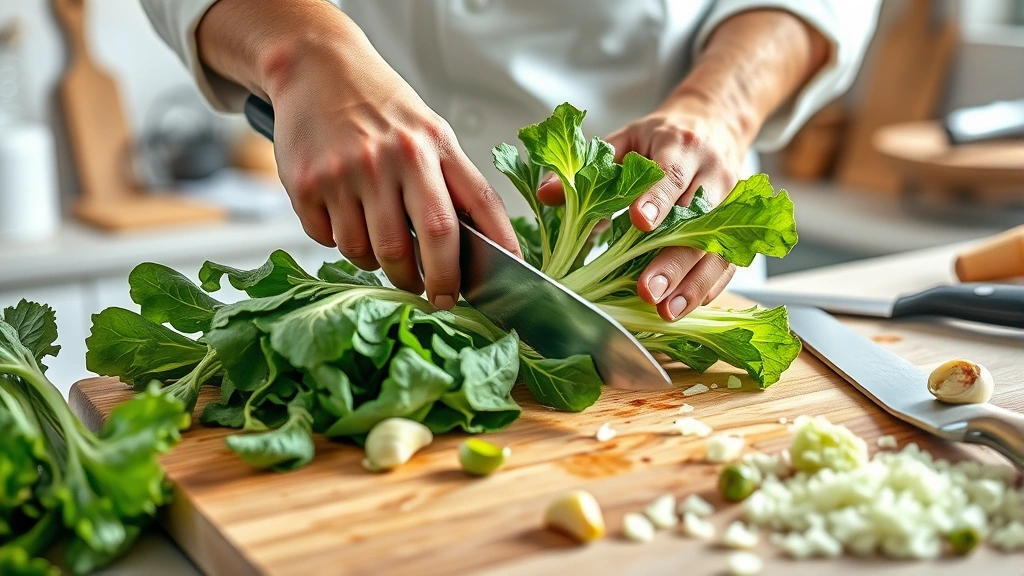
Before you fire up the stove, let’s talk prep. Take your escarole head and separate the leaves. Rinse them thoroughly under cold water because escarole likes to hide dirt between those layers. Chop it into bite-sized pieces—you want them small enough to eat comfortably with a spoon but big enough that they don’t disappear into the broth. Dice your onion into small, even pieces so it cooks uniformly. Mince your garlic fine. The finer you mince it, the more it’ll distribute throughout the dish and create that aromatic base. Have your beans rinsed and ready to go. Doing this prep work first means you’re not scrambling when things start heating up on the stove.
Cooking the Beans Right
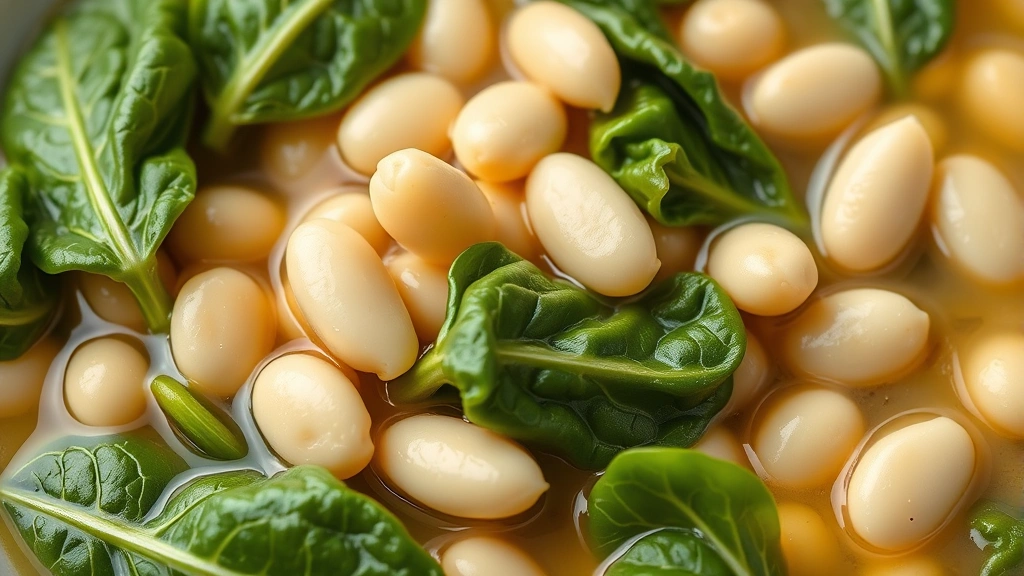
Here’s where a lot of people mess up: they use canned beans straight from the can without rinsing them. That starchy liquid? It makes your broth cloudy and thick in a way that’s not appetizing. Drain those beans and give them a good rinse under cold water. If you’re using dried beans instead—which is totally valid and actually more economical—soak them overnight and cook them until they’re tender but not falling apart. You want beans that hold their shape through the cooking process. Undercooked beans are grainy and unpleasant; overcooked beans turn into mush. Aim for that sweet spot where they’re creamy on the inside but still have structure.
Building the Flavor Base
Heat your olive oil in a large pot or Dutch oven over medium heat. Once it’s shimmering, add your diced onion and let it cook for about three to four minutes until it starts to soften and become translucent. You’re not trying to brown it hard—just get it to release its sweetness. Now add your minced garlic and red pepper flakes. This is crucial: cook the garlic for only about 30 seconds to a minute. If you let it go too long, it’ll burn and taste bitter. You want it fragrant and just barely golden. This is the aromatic foundation that makes people ask what smells so good.
Combining It All Together
Pour in your broth—this is the liquid backbone of your dish. Bring it to a simmer. Add your drained beans and stir everything together. Let this simmer for about five minutes so the beans warm through and start absorbing some of that broth flavor. Now here’s the important part: add your chopped escarole. It’s going to look like you’ve added way too much—the pot will be overflowing with greens. Don’t panic. As the escarole wilts, it’ll reduce down significantly. Stir it all together and let it cook for about eight to ten minutes. The escarole should be tender but still have a bit of structure—not mushy, not raw. You want it to have that silky texture that comes from gentle cooking in broth. If you’re making this as a side dish alongside something like cheesy rice recipe or blackened mahi mahi recipe, you can adjust the cooking time based on what else you’re preparing.
Seasoning and Finishing Touches
Taste your broth. This is non-negotiable. Add salt and black pepper gradually—you can always add more, but you can’t take it out. The beans and broth already have some saltiness, so go easy at first. A pinch at a time. Some people like to add a squeeze of fresh lemon juice at the end to brighten everything up, and honestly? That’s a smart move. It cuts through the richness and makes the whole dish pop. You could also add a pinch of dried oregano or Italian seasoning if you want to lean into the Italian flavor profile even more.
Serving Suggestions
This dish is phenomenal on its own, but it’s even better with crusty bread for dunking. Serve it in bowls with a generous drizzle of good olive oil on top and some grated Parmesan cheese. Some people like to add a poached egg on top—the runny yolk mixes with the broth and creates this incredible richness. You could serve it alongside other comfort dishes like cinnamon roll recipe no yeast for dessert, or keep it as your main event with a simple salad on the side. The beauty of escarole and beans is that it’s flexible enough to work with almost any meal structure.
Storage Tips
This recipe actually gets better the next day. Store it in an airtight container in the refrigerator for up to four days. The flavors meld together and become even more cohesive. You can freeze it for up to three months—just leave some headspace in your container because the liquid expands when it freezes. To reheat, thaw it overnight in the fridge and warm it gently on the stove over medium heat, stirring occasionally. If it seems too thick after storage, add a splash of broth or water to get it back to the consistency you like. This is the kind of dish that makes meal prep easy because you’re not eating the same thing twice—it genuinely tastes different and better as time goes on.
Frequently Asked Questions
Can I use frozen escarole instead of fresh?
Yes, you can. Frozen escarole is already blanched, so reduce your cooking time to about five minutes. It won’t have quite the same texture as fresh, but it’s a legitimate shortcut when fresh isn’t available. Just thaw it first and squeeze out excess moisture.
What if I can’t find escarole at my store?
Substitute with spinach, kale, or even Swiss chard. The cooking time might vary slightly—spinach wilts faster, kale takes longer—but the basic technique stays the same. The dish will taste different but still delicious.
Is this recipe vegetarian?
Absolutely. Use vegetable broth instead of chicken broth, and you’ve got a completely vegetarian meal. The beans provide plenty of protein and heartiness.
Can I add sausage or bacon to this?
Of course. Brown some Italian sausage or diced bacon before you add the onion, then proceed as normal. It adds richness and a savory depth that pairs beautifully with the beans and greens.
How do I know when the escarole is done cooking?
It should be tender enough to cut with the edge of your spoon but still hold its shape. If you can mash it easily between your tongue and the roof of your mouth, it’s done. There shouldn’t be any raw, crunchy texture left.
What’s the difference between escarole and endive?
Endive is smaller, more compact, and more bitter. Escarole is larger with broader leaves and milder flavor. They’re related but not interchangeable in this recipe—escarole is what you want here.
Can I make this in a slow cooker?
Yes. Brown your onion and garlic in a pan first, then transfer everything to your slow cooker with the broth and beans. Cook on low for four to six hours, then add the escarole in the last 30 minutes of cooking.
This escarole and beans recipe is the kind of dish that reminds you why Italian home cooking has survived centuries. It’s not fancy, it’s not complicated, but it hits every note you want from comfort food. Make it once and you’ll be making it regularly. Trust me on this one. If you want to round out your meal prep, check out recipes like blueberry syrup recipe, how to make apple sauce, or candied grapes recipe for sweet finishes to your dinners.


