
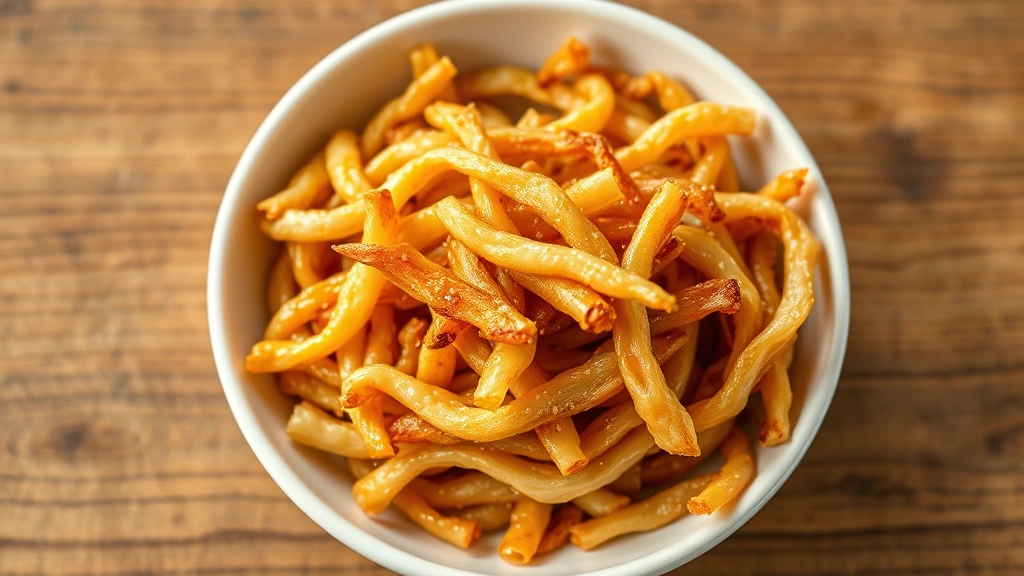
An enoki mushroom recipe doesn’t need to be complicated—these delicate, thread-like fungi are some of the easiest ingredients to work with in your kitchen, and they cook faster than you’d expect. Whether you’re stir-frying them until they’re crispy, simmering them in broth, or roasting them until golden, enoki mushrooms bring a subtle umami flavor and a satisfying texture to virtually any dish. I’ve been cooking with these beauties for years, and I’m going to walk you through five foolproof methods that’ll make you a confident enoki cook.
Table of Contents
What Are Enoki Mushrooms?
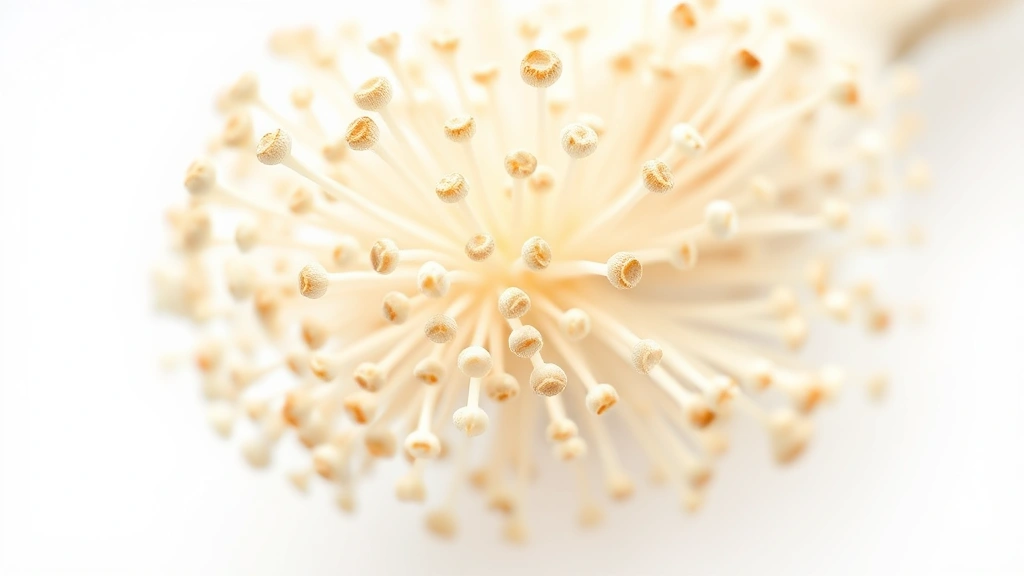
Enoki mushrooms are those thin, delicate mushrooms with tiny caps and long stems that look almost like little umbrellas on stilts. They’re native to East Asia and have become a staple in Asian cuisines, but honestly, they deserve way more attention in Western kitchens. The flavor is mild and slightly sweet, with a firm, almost crunchy texture when cooked properly. You’ll find them in most grocery stores year-round, usually packaged in those plastic containers with a cluster of mushrooms still connected at the base.
What makes them special is their versatility. Unlike heartier mushroom varieties that need longer cooking times, enokis are ready in minutes. They work beautifully as a side dish, in soups, salads, or as part of a larger stir-fry. The texture stays interesting even after cooking—they don’t turn into mush like some delicate vegetables.
Prep Basics & Cleaning
Before you cook any enoki mushroom recipe, you need to prep them properly. Start by removing the cluster from the package and checking for any slimy or discolored spots—toss those out. The base where all the stems connect is often a bit dense and sometimes has a bit of soil or debris, so I always trim about half an inch off the bottom with a sharp knife. This also helps separate the stems slightly, which is exactly what you want.
For cleaning, I keep it simple: a gentle rinse under cool running water and a quick pat dry with paper towels. Don’t soak them or scrub aggressively—these mushrooms are delicate and will absorb water like a sponge. If there’s stubborn debris, use a soft brush or your thumb to gently rub the stems. That’s it. You’re ready to cook.
One pro tip: if your enokis are particularly long and gangly, you can cut them in half lengthwise or crosswise depending on your recipe. Shorter pieces work better for stir-fries and soups, while longer pieces look more dramatic when pan-seared or roasted.
Crispy Garlic Stir-Fry
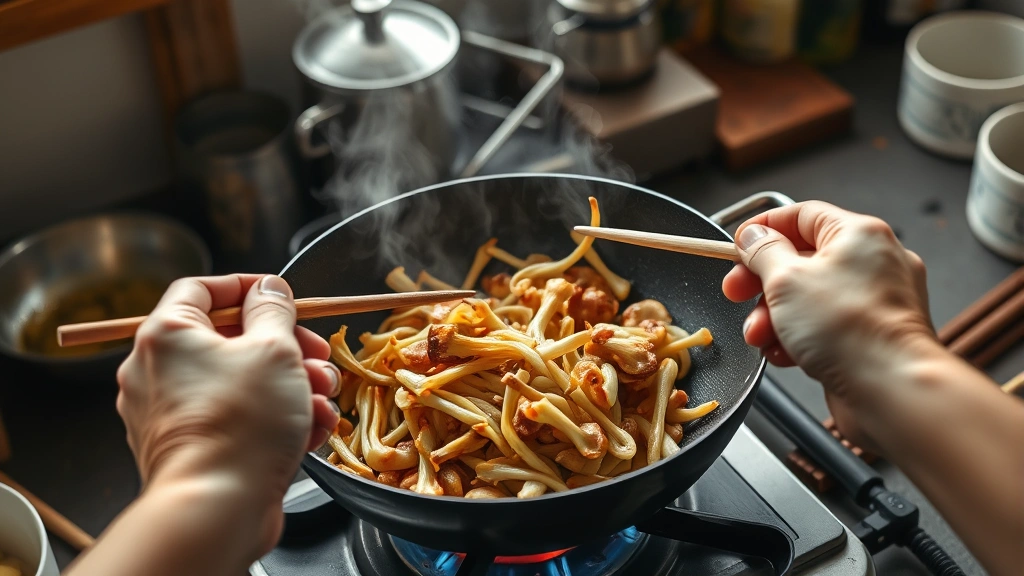
This is the method I use most often because it’s fast, foolproof, and absolutely delicious. Heat a wok or large skillet over high heat until it’s smoking hot—this is non-negotiable. Add about 2 tablespoons of vegetable oil and let it shimmer for 10 seconds. Toss in 3-4 cloves of minced garlic and let it sizzle for just 5 seconds (don’t let it brown or it’ll taste bitter).
Now add your prepared enokis—about 8 ounces for two servings. Stir constantly for 2-3 minutes until the mushrooms start to brown and crisp up slightly. They’ll release some moisture, which is fine; just keep the heat high so it evaporates quickly. Once they’re golden and slightly caramelized, add a pinch of salt, a crack of black pepper, and a splash of soy sauce. Toss everything together for another 30 seconds, then finish with a tiny drizzle of sesame oil and maybe some sliced green onions if you’re feeling fancy.
The whole thing takes about 5 minutes, and you’ll have a side dish that’s crispy on the outside and tender inside. Serve it alongside jasmine rice recipes for an authentic Asian-inspired meal.
Broth-Simmered Method
If you want something more delicate and soup-like, simmering enokis in broth is your answer. This method is perfect for adding to miso soup, clear broths, or any Asian noodle soup. The mushrooms absorb the flavor of the broth while staying tender and slightly chewy.
Bring about 4 cups of your favorite broth (chicken, vegetable, or dashi all work great) to a gentle simmer in a pot. Add your prepped enokis directly to the hot broth along with whatever other ingredients you’re using—maybe some bok choy, tofu, or noodles. Let them simmer for 3-4 minutes until they’re heated through and have absorbed some of that savory broth flavor. The stems will soften slightly while the caps stay relatively firm.
The beauty of this method is that the mushrooms won’t overcook. Even if they sit in the broth for 10 minutes, they maintain their texture. Season with soy sauce, mirin, or a squeeze of lime juice depending on what direction you’re going. This is comfort food at its finest, and it pairs beautifully with bread recipe no yeast options if you want to soak up the broth.
Roasted Until Golden
Roasting enokis brings out a deeper, more concentrated flavor that’s honestly surprising for such a delicate mushroom. Preheat your oven to 425°F. Spread your cleaned enokis on a baking sheet, toss them with a drizzle of olive oil, salt, and pepper, and maybe some dried herbs like thyme or Italian seasoning.
Roast for 12-15 minutes, stirring halfway through, until the mushrooms are golden brown and slightly crispy at the edges. The stems will caramelize beautifully, and the whole thing smells incredible. You can finish with a squeeze of fresh lemon juice or a sprinkle of grated Parmesan cheese. This method creates a completely different texture—more like a crispy vegetable side dish than the tender mushrooms you get from other cooking methods.
Roasted enokis work great as a side dish for grilled proteins or tossed into salads for added texture and umami depth. They’re also excellent cold the next day if you have leftovers (though honestly, they rarely last that long in my house).
Butter Pan-Seared
This is the restaurant-style method that looks fancy but requires almost no effort. Heat a large skillet over medium-high heat and add a generous knob of butter—about 3 tablespoons for 8 ounces of mushrooms. Let the butter foam and turn golden brown (this takes about a minute).
Add your enokis to the brown butter and let them sit undisturbed for about 2 minutes. This allows one side to make contact with the hot pan and develop a golden crust. Stir everything together and cook for another 2-3 minutes until the mushrooms are caramelized all over. Season with salt, pepper, and maybe a pinch of garlic powder. Finish with a squeeze of fresh lemon juice and some fresh thyme if you have it.
The brown butter method creates an incredibly rich, nutty flavor that complements the delicate mushrooms perfectly. This is the kind of side dish that makes people ask for your recipe. Serve it alongside your favorite protein or use it as a topping for Chick-fil-A sauce recipe inspired chicken dishes.
Tempura-Style Crispy
For a truly special treat, try making tempura-style enokis. This method turns them into crispy, crunchy bites that are absolutely addictive. Mix up a simple tempura batter: 1 cup all-purpose flour, 1 egg, and about 1 cup of ice-cold water, stirred just until combined (lumps are okay—actually, they’re preferred). Add a pinch of salt and a teaspoon of baking powder for extra crispiness.
Heat oil in a deep skillet or wok to 350°F (use a thermometer for accuracy). Separate your enoki clusters into smaller bunches so they’re easier to handle. Dip each bunch into the batter, coating lightly, then carefully place into the hot oil. Fry for about 2-3 minutes until golden and crispy. Remove with a slotted spoon and drain on paper towels.
Serve immediately with a dipping sauce—soy sauce mixed with a bit of lime juice and sriracha is perfect. The contrast between the crispy exterior and the tender mushroom inside is incredible. These are best enjoyed fresh and hot, straight from the oil.
Storage & Shelf Life
Fresh enokis typically last about 7-10 days in the refrigerator when stored properly. Keep them in their original plastic container or transfer them to a paper bag—the key is allowing air circulation while keeping them away from excess moisture. Never store them in a sealed plastic bag or they’ll get slimy quickly.
Cooked enokis can be refrigerated in an airtight container for 3-4 days. They’re best reheated gently in a pan over low heat or added to warm broths rather than microwaved, which can make them tough. Honestly, I rarely have leftovers because these cook so quickly that I just make them fresh whenever I want them.
If you want to prep ahead, you can clean and trim your enokis up to a day in advance and store them in a paper towel-lined container in the fridge. This makes weeknight cooking even faster. You can also blanch them quickly in boiling water for 1-2 minutes, then shock them in ice water and freeze for up to 3 months, though the texture becomes softer after thawing.
Frequently Asked Questions
Can you eat enoki mushrooms raw?
Yes, enoki mushrooms are safe to eat raw and have a pleasant, slightly crunchy texture. Some people enjoy them in salads or as part of a raw vegetable platter. However, most people prefer them cooked because cooking brings out their umami flavor and makes them more tender. If eating raw, just make sure they’re very fresh and stored properly.
Are enoki mushrooms healthy?
Absolutely. Enoki mushrooms are low in calories (about 37 calories per 100 grams), high in fiber, and contain various B vitamins and minerals. They also contain compounds like polysaccharides and beta-glucans that are believed to support immune function. They’re a nutritious addition to any diet.
Why do my enokis turn slimy?
Sliminess usually indicates they’re past their prime or have been stored improperly in excess moisture. Always store them in a paper bag or their original container with good air circulation. If they start to get slimy before you want to use them, cook them immediately—they’re still safe to eat, just use them quickly.
How do I know if enokis are cooked properly?
Properly cooked enokis should be tender but still have a slight firmness to them—not mushy. The stems should be soft enough to cut easily with a fork, and the caps should have some color (golden or light brown depending on cooking method). If they fall apart when you touch them, they’re overcooked.
Can I substitute enoki mushrooms in other recipes?
Yes, but keep in mind that enokis cook much faster than heartier mushroom varieties. If substituting in a recipe that calls for button or cremini mushrooms, add them later in the cooking process. Their delicate flavor also means they won’t provide the same depth as meatier mushroom varieties, so you might want to adjust seasonings accordingly.
What’s the best way to cook enokis for beginners?
Start with the crispy garlic stir-fry method. It’s fast, forgiving, and hard to mess up. The high heat prevents them from getting soggy, and the garlic and soy sauce make them taste delicious even if you’re not an experienced cook. Once you master that, try the other methods.
Final Thoughts
An enoki mushroom recipe is one of the quickest wins in the kitchen. These mushrooms are affordable, readily available, and cook in just a few minutes using any of these five methods. Whether you’re going for crispy and caramelized, tender and brothy, or rich and buttery, enokis deliver consistent, delicious results every single time.
Start with whichever method appeals to you most, and don’t be afraid to experiment. Pair them with your favorite proteins, add them to soups, or use them as a side dish. Once you realize how easy and versatile these little mushrooms are, you’ll find yourself cooking with them regularly. Trust me, your weeknight dinners are about to get a whole lot more interesting. For more culinary inspiration, check out our banana bread recipe and discard sourdough recipes for sweet and savory options beyond mushrooms. And if you’re interested in growing your own ingredients, our how to grow vanilla beans guide might inspire your next kitchen project.


