
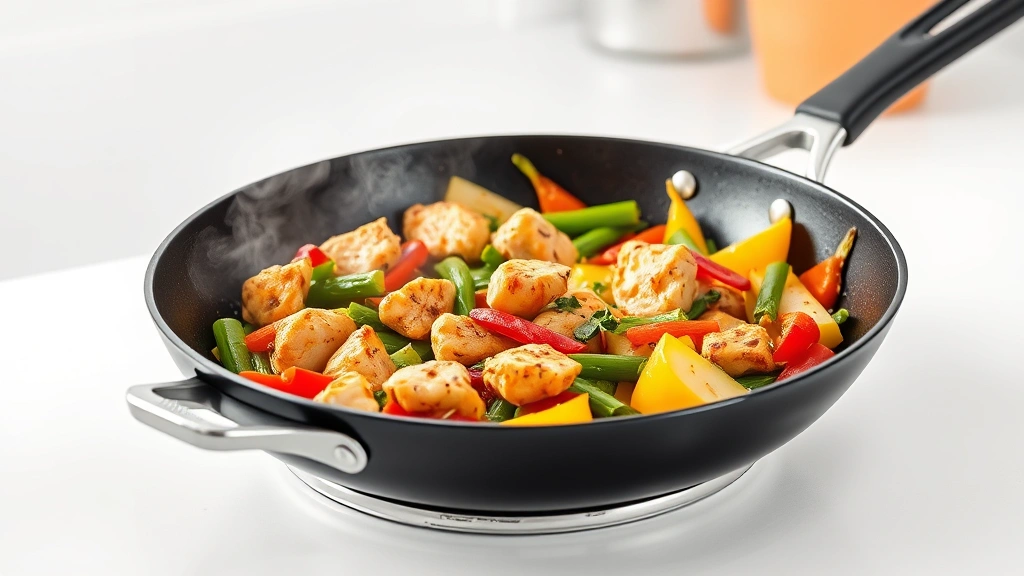
Looking for electric skillet recipes that’ll get dinner on the table fast? You’re in the right place. An electric skillet is one of those underrated kitchen tools that can seriously simplify your weeknight cooking routine. It heats evenly, maintains consistent temperature, and handles everything from proteins to veggies without fussing. Whether you’re cooking for yourself or feeding a crew, these recipes prove that an electric skillet isn’t just for pancakes and bacon.
Table of Contents
Why Electric Skillets Rule
Before we dive into the recipes, let’s talk about why electric skillets are game-changers for busy cooks. Unlike stovetop skillets, electric models give you precise temperature control—no hot spots, no guessing. They’re perfect for cooking larger quantities since they’re typically 12-16 inches across. Plus, you can take them anywhere: the dorm, the office break room, even a camping trip. They’re built for consistency, which means your food cooks evenly every single time. That’s not just convenience; that’s reliability.
Garlic Butter Chicken Stir-Fry
This is the recipe you’ll make on repeat. Cut boneless chicken breasts into bite-sized pieces and set your skillet to 375°F. Once it’s hot, add 2 tablespoons of butter and let it foam. Toss in minced garlic (4-5 cloves), then add the chicken. Cook for 5-6 minutes until golden, stirring occasionally. Add sliced bell peppers, snap peas, and broccoli florets. Season with soy sauce, a splash of rice vinegar, and a pinch of ginger. Cook another 4-5 minutes until vegetables are tender-crisp. Serve over rice. The whole meal takes 20 minutes, tops. The key is keeping your heat consistent—that’s where the electric skillet shines.
Sizzling Beef Fajitas
Slice a pound of flank steak thin (against the grain) and let it sit at room temperature for 10 minutes. Heat your skillet to 400°F and add a tablespoon of oil. Sear the beef in batches for 2-3 minutes per side, then set aside. Lower the heat to 350°F and add sliced bell peppers and onions. Cook until slightly charred, about 6-7 minutes. Return the beef, add a squeeze of lime juice and a pinch of cumin. Toss everything together and serve with warm tortillas. Pair this with our Buffalo Sauce Recipe for a spicy kick if you want to mix things up. The sizzle is real, and so is the satisfaction.
One-Pan Shrimp Pasta
This one’s for nights when you need maximum flavor with minimum cleanup. Set your skillet to 350°F and add 2 tablespoons of olive oil. Sauté minced garlic and red pepper flakes for 30 seconds. Add 1 pound of shrimp (peeled and deveined) and cook for 2 minutes per side. Toss in 8 ounces of pasta (penne works great), then add 2 cups of chicken broth and 1 can of diced tomatoes. Bring it to a gentle simmer and cook for 12-15 minutes until the pasta is tender and the liquid reduces. Finish with fresh basil, a squeeze of lemon, and grated Parmesan. Your skillet does all the heavy lifting here—no draining pasta, no separate pans.
Italian Meatball Marinara
Brown 1.5 pounds of ground beef mixed with breadcrumbs, egg, and Italian seasoning. Form into 1.5-inch balls and set your skillet to 375°F. Working in batches, brown the meatballs for 3-4 minutes per side. Once all are browned, pour in a 24-ounce jar of marinara sauce and reduce heat to 300°F. Simmer for 15-20 minutes, stirring occasionally. The sauce bubbles gently, the meatballs stay tender, and your kitchen smells incredible. Serve over spaghetti or with crusty bread. This is comfort food that tastes like you spent hours cooking.
Breakfast for Dinner Scramble
Dice bacon and cook it in your skillet at 350°F until crispy, then set aside. In the same skillet, add diced bell peppers, onions, and potatoes. Cook for 8-10 minutes until the potatoes are tender. Whisk 8 eggs with a splash of milk, pour them over the veggies, and let them set for 2-3 minutes. Scramble gently, add the bacon back in, and finish with shredded cheese and fresh herbs. This is a full meal that costs less than $10 and takes 25 minutes. No fussy timing, no burnt edges—just a fluffy, loaded skillet of eggs.
Vegetarian Skillet Options
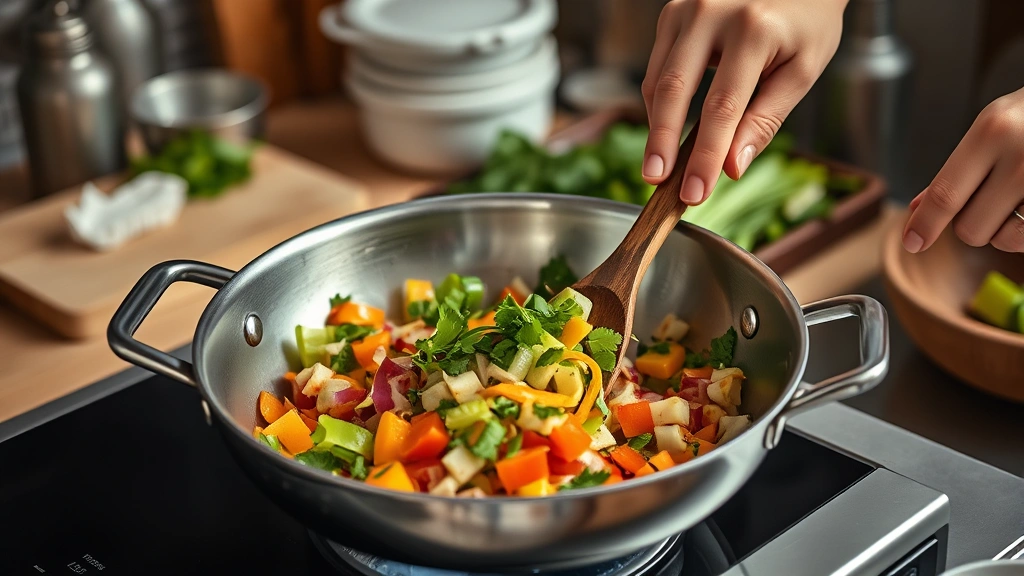
Don’t skip this section if you eat meat—these are legitimately delicious. Set your skillet to 375°F and roast chunks of cauliflower, zucchini, and carrots with olive oil and spices for 15-20 minutes. Or try a black bean and corn skillet: sauté onions and garlic, add black beans, corn, diced tomatoes, and cumin. Cook for 10 minutes and top with avocado and cilantro. For something heartier, make a mushroom and spinach frittata by cooking sliced mushrooms, adding beaten eggs and spinach, and finishing under a broiler or covered on the skillet. These recipes prove that an electric skillet works just as well for plant-based cooking.
Mastering Temperature Control
The thermostat on your electric skillet is your best friend. Most recipes fall into three temperature zones: 325-350°F for gentle simmering and delicate items, 350-375°F for everyday cooking and stir-fries, and 375-400°F for searing and browning. Start by preheating for 5 minutes—this matters more than you’d think. If your food is cooking too fast, dial it back 25 degrees. If it’s taking forever, bump it up. Keep the lid on for steaming vegetables or simmering sauces; remove it for browning and crisping. Think of it like knowing the How to Know the Temperature of CPU—precision matters.
Cleanup and Maintenance
Let your skillet cool completely before cleaning. Most models have removable heating elements, so check your manual. For stuck-on food, fill the skillet with warm water and a squirt of dish soap, let it sit for 10 minutes, then wipe clean. Avoid abrasive scrubbers that’ll damage the non-stick coating. Dry it thoroughly before storing. Never submerge the heating base in water. A well-maintained electric skillet will last you years, so treat it right.
Frequently Asked Questions
Can you use an electric skillet for baking?
Technically, no—electric skillets aren’t designed for baking. They heat from the bottom, not all around like an oven. Stick to stovetop-style cooking for best results.
What’s the difference between an electric skillet and a slow cooker?
Electric skillets cook hot and fast with direct heat control. Slow cookers use low, steady heat over hours. For weeknight meals, an electric skillet is your speed weapon.
Can you leave an electric skillet on all day?
Not recommended. Most models aren’t designed for extended continuous use. Use them for active cooking, then unplug. Always check your manufacturer’s guidelines.
Are electric skillets safe on all countertops?
They generate heat, so keep them away from walls and cabinets. Make sure your countertop can handle the weight and heat. Stainless steel or granite counters are ideal.
How do you store an electric skillet?
Store it in a cool, dry place. If it has a removable element, detach it before storing. Keep the cord loosely coiled to avoid damage. A kitchen cabinet or pantry shelf works perfectly.
Wrapping It Up
Electric skillet recipes are your secret weapon for weeknight cooking that doesn’t feel rushed or repetitive. These ten meals—from garlic chicken to shrimp pasta to breakfast scrambles—prove that one piece of equipment can handle everything your busy schedule throws at it. The consistency, the even heat, the convenience of cooking right on the counter: it all adds up to dinners that taste homemade without the stress. Pick one recipe, try it this week, and watch how quickly this tool becomes your go-to. Your future self will thank you when you’re sitting down to a hot meal in under 30 minutes.
For more kitchen tips and recipe ideas, explore our guides on How to Keep Apples from Browning for fresh ingredient prep, and check out trusted resources like Family Handyman and This Old House for additional cooking techniques and kitchen organization.


