
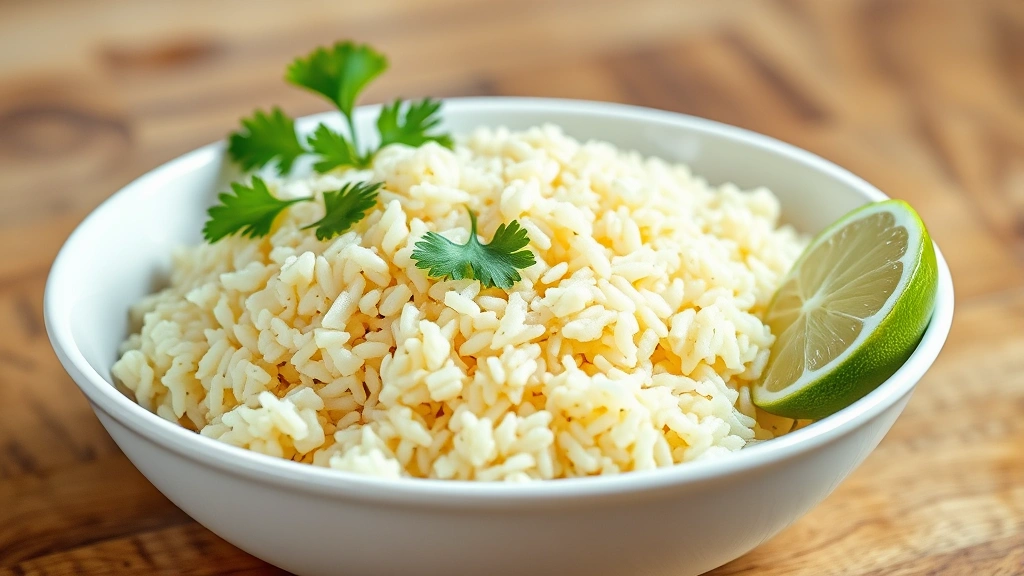
Learning easy Mexican rice recipes is one of those kitchen skills that’ll change your weeknight dinner game forever. I’m talking about that fluffy, flavorful rice that tastes like it came straight from a Mexican restaurant kitchen, but you made it at home in under 30 minutes. No fancy equipment needed, no complicated techniques—just straightforward steps that actually work.
Table of Contents
Step-by-Step Method
The foundation of any good Mexican rice recipe starts with understanding the basic process. You’re working with five core steps that build on each other. First, you toast your rice in oil to develop that nutty flavor. Second, you sauté your aromatics—onion and garlic—right into that toasted rice. Third, you add your liquid (broth or water) along with tomato sauce. Fourth, you bring everything to a boil, then reduce heat and cover. Fifth, you let it steam undisturbed until the rice absorbs all the liquid.
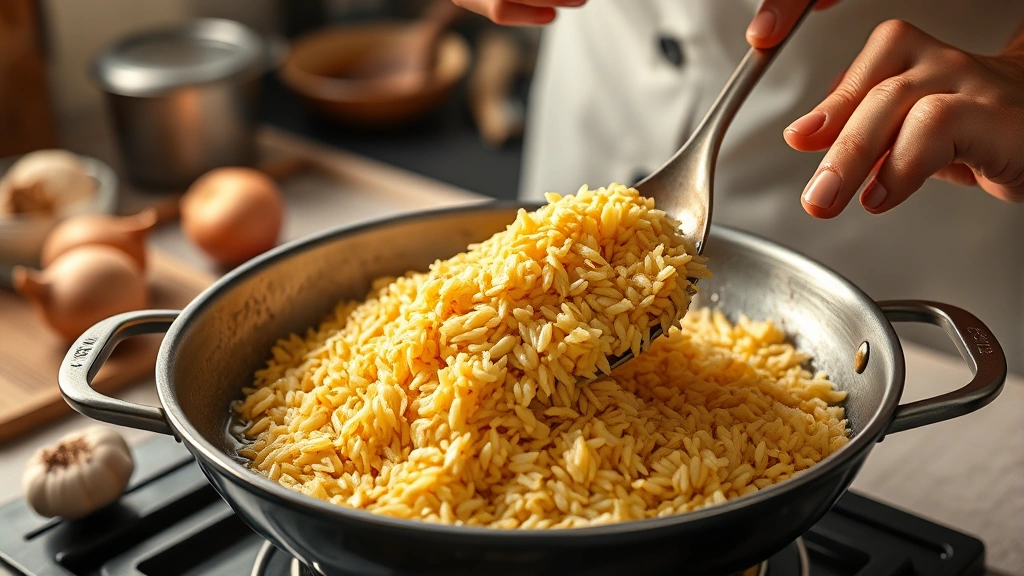
The magic happens in that toasting step. When you heat the rice in hot oil for about 2-3 minutes, you’re creating depth of flavor that separates homemade Mexican rice from the bland stuff you might remember from your childhood. The rice grains get a slight golden color and start releasing their natural oils. This is non-negotiable if you want results that actually taste good.
Choosing the Right Rice
Not all rice is created equal when you’re making easy Mexican rice recipes. Long-grain white rice is your best friend here—specifically, look for medium or long-grain varieties like jasmine or basmati. These varieties have less starch than short-grain rice, which means they stay separate and fluffy instead of turning into a mushy mess. Avoid arborio or sushi rice; those are bred to be sticky and creamy, which is the opposite of what you want.
I typically use 2 cups of rice for a standard batch, which feeds about 4-6 people as a side dish. The ratio you’re aiming for is roughly 1 part rice to 2 parts liquid. This isn’t rocket science, but consistency matters. Buy your rice from a store where there’s decent turnover so you know it’s fresh. Old rice can absorb liquid differently and throw off your results.
Toasting Technique Matters
Here’s where most home cooks miss the mark. You need a heavy-bottomed skillet or Dutch oven—something that distributes heat evenly. Medium-high heat is your sweet spot. Add about 2 tablespoons of oil (vegetable or olive oil works fine) and let it get hot. You’ll know it’s ready when a single grain of rice sizzles immediately when it hits the pan.
Add your rice and stir constantly for 2-3 minutes. You’re looking for the rice to turn from white to a pale golden color. Don’t walk away from the stove during this step—burnt rice tastes bitter and ruins the whole dish. If you’re using fresh ingredients like onion and garlic, add them at the tail end of the toasting so they don’t burn while you’re working on the rice.
Flavor Building Basics
The flavor profile of Mexican rice comes from a combination of elements working together. Tomato sauce or tomato paste provides acidity and color. Chicken or vegetable broth (not water) adds savory depth. Fresh cilantro at the end brings brightness. A squeeze of lime juice right before serving ties everything together. Cumin and a pinch of chili powder add warmth without overwhelming heat.
Start with 1 teaspoon of cumin and 1/4 teaspoon of chili powder per 2 cups of rice. You can always add more, but you can’t take it out. Toast these spices in the oil before adding your rice—this releases their essential oils and makes them taste more vibrant. If you want to kick things up, pair this with a chipotle salsa recipe that’ll complement the rice perfectly.
Common Mistakes to Avoid
The biggest mistake I see is using too much liquid. People follow some recipes that call for 2.5 or even 3 parts liquid to 1 part rice, and you end up with soup instead of rice. Stick with 2:1 ratio and measure carefully. Use a measuring cup, not a handful or a guess.
Second mistake: lifting the lid too much while the rice cooks. Every time you peek, you’re releasing steam and disrupting the cooking process. Set a timer for 18-20 minutes, and don’t touch it until the timer goes off. Third mistake: not letting the rice rest for 5 minutes after cooking. This allows any remaining moisture to distribute evenly and the rice to firm up slightly.
Fourth mistake: using old or stale tomato sauce. Open a fresh can or bottle, or make your own from fresh tomatoes if you have time. The tomato flavor is front and center in this dish, so don’t cheap out here.
Quick Variations
Once you’ve nailed the basic method, variations are easy to experiment with. Add a cup of frozen peas and diced bell peppers during the last 5 minutes of cooking for a veggie-loaded version. Stir in some corn kernels and jalapeños if you want heat and sweetness. Mix in black beans at the end for protein and texture.
For a seafood version, use seafood broth instead of chicken broth and add some cooked shrimp or diced fish right at the end. You can also make this in a slow cooker if you’re planning ahead—just brown the rice first, then transfer everything to the slow cooker and cook on low for about 1.5 hours.
Pairing Suggestions
Mexican rice is a side dish that plays well with almost anything. Serve it alongside grilled chicken, carnitas, or carne asada. It’s excellent with fish tacos or shrimp ceviche. You can also build a burrito bowl with this rice as the base, topped with beans, meat, cheese, and salsa. If you’re planning a seafood dinner, try pairing it with how long to steam crab legs for a complete meal.
The rice’s mild flavor and fluffy texture make it a perfect canvas for bold toppings and sauces. Don’t be shy about loading up your plate—this dish is meant to be part of a bigger meal, not the star of the show (though it’s good enough to be).
Storage Tips
Leftover Mexican rice keeps well in the refrigerator for up to 4 days in an airtight container. Reheat it gently on the stovetop with a splash of water or broth to restore moisture, or microwave it covered with a damp paper towel. The rice will firm up as it cools, which is normal.

You can also freeze Mexican rice for up to 3 months. Let it cool completely, then transfer to freezer bags, pressing out as much air as possible. Thaw overnight in the refrigerator before reheating. Frozen and reheated rice works great for burrito bowls or as a base for fried rice.
Frequently Asked Questions
Can I make Mexican rice in a rice cooker?
Yes, absolutely. Toast the rice in oil in a skillet first, then transfer to your rice cooker with the liquid and tomato sauce. The results won’t be quite as flavorful as stovetop cooking, but it’s convenient if you’re busy. Add the toasted rice and broth in a 1:2 ratio and let the rice cooker do its thing.
Why is my Mexican rice mushy?
You’re using too much liquid or cooking it too long. Measure your broth carefully using a 1:2 ratio with rice. Also, make sure you’re using long-grain white rice, not short-grain varieties. If the rice is still mushy after cooking, you might need to increase the heat slightly to evaporate excess moisture faster.
Can I use brown rice instead of white rice?
You can, but brown rice takes longer to cook (about 45 minutes instead of 20) and requires more liquid (closer to 2.5:1 ratio). The flavor will be slightly earthier and the texture a bit chewier. Adjust your cooking time and liquid accordingly if you prefer brown rice.
What’s the difference between Mexican rice and Spanish rice?
These terms are often used interchangeably, though some regional variations exist. Spanish rice typically emphasizes saffron and might include different vegetables. Mexican rice, as we’re making it here, focuses on tomato, cumin, and cilantro. The cooking method is essentially the same.
How do I make it spicier?
Add diced jalapeños or serranos during the sauté phase. You can also increase the chili powder, add cayenne pepper, or stir in some hot sauce at the end. Start with small amounts and taste as you go—you can always add more heat, but you can’t remove it.
Can I prep this ahead of time?
You can toast the rice and have all your ingredients measured and ready to go. Store the toasted rice in an airtight container. When you’re ready to cook, just add it to hot oil and proceed with the recipe. This cuts down on active cooking time when you’re busy.
Is Mexican rice gluten-free?
Yes, as long as you use gluten-free broth and check your tomato sauce label. Rice is naturally gluten-free, and the basic seasonings (cumin, chili powder, cilantro) are all naturally gluten-free. Just verify your store-bought ingredients don’t contain hidden gluten.


