

Learning to cook easy Japanese recipes doesn’t require years of training or fancy equipment—just curiosity and a willingness to try something new. Japanese cuisine has this beautiful way of letting simple ingredients shine without unnecessary fuss, making it perfect for home cooks who want restaurant-quality results without the stress. Whether you’re craving something warm and comforting or light and refreshing, these five beginner-friendly dishes will have you cooking like you’ve been doing this for years.
Table of Contents
Miso Soup Basics
Miso soup is the ultimate gateway into easy Japanese recipes. It’s humble, forgiving, and takes about ten minutes from start to finish. The magic happens when you understand that miso soup isn’t really about following exact measurements—it’s about balance and intuition.
Start with a good dashi broth (you can use instant dashi powder if you’re pressed for time). Heat four cups of water and dissolve one teaspoon of dashi powder per cup. While that’s warming, cube some silken tofu and slice green onions. When your broth is steaming, add about three tablespoons of miso paste dissolved in a small ladle of broth first—this prevents lumps. Stir it back into the pot, add your tofu, and simmer gently for two minutes. Finish with green onions and a sprinkle of seaweed. That’s it. You’ve made miso soup.
The key insight here is understanding that miso is a live ingredient. Never let it boil aggressively after adding it, or you’ll kill the beneficial cultures and lose that complex, umami-rich flavor that makes miso soup so satisfying.
Gyoza Dumplings
Gyoza might look intimidating, but these pan-fried dumplings are actually one of the most forgiving easy Japanese recipes you can make. The filling is straightforward: ground pork (or shrimp if you prefer), finely chopped cabbage, minced garlic, ginger, soy sauce, and sesame oil. That’s your whole arsenal.
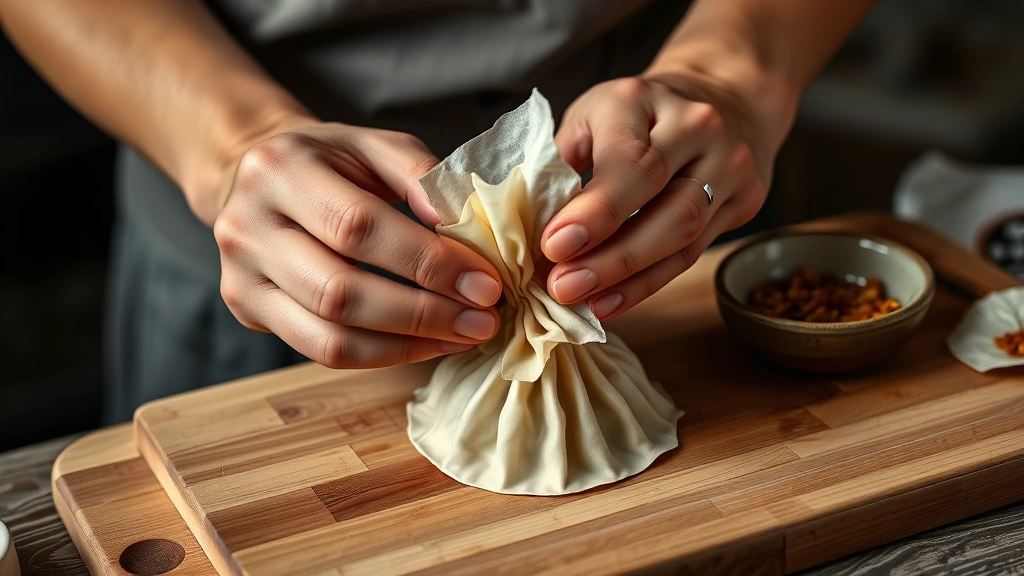
Mix your filling ingredients gently—you want the cabbage to stay textured, not turn into mush. Place a teaspoon of filling in the center of each gyoza wrapper, wet the edges with water, and fold. The classic way is to create a half-moon with three pleats on one side, but honestly, sealed is sealed. Your gyoza will taste just as good whether it looks like a professional made it or your five-year-old did.
Heat a tablespoon of oil in a non-stick skillet over medium-high heat. Place your gyoza flat-side down and let them sit undisturbed for two minutes until golden. Add a quarter cup of water, cover immediately, and steam for four minutes. Remove the lid, let any remaining water evaporate, and you’re done. Serve with a simple soy-vinegar dipping sauce.
Teriyaki Chicken
Teriyaki is where you learn that Japanese cooking is really about balancing sweet, salty, and umami. This sauce works on everything—chicken, salmon, vegetables, even rice—so it’s worth mastering early.
Make your teriyaki sauce by combining a quarter cup of soy sauce, two tablespoons of mirin (sweet rice wine), one tablespoon of sugar, and one minced garlic clove. Heat it in a small saucepan until the sugar dissolves and it becomes slightly syrupy, about three minutes. That’s your base.
Cut chicken breasts into bite-sized pieces or keep them whole—your choice. Heat a tablespoon of oil in a skillet, season your chicken with salt and pepper, and cook until golden on both sides. Pour your teriyaki sauce over the chicken and let it simmer for three to four minutes, turning occasionally to coat everything evenly. The sauce will reduce and glaze the chicken beautifully. Serve over steamed rice and top with sesame seeds and sliced green onions.
Vegetable Tempura
Tempura is crispy, light, and somehow feels fancy even though it’s ridiculously easy. The secret is a cold, lumpy batter and oil that’s the right temperature. That’s genuinely it.
Mix one cup of flour with one cup of ice-cold water. Don’t overmix—lumps are your friend. Add a pinch of salt. Prepare your vegetables: sweet potato slices, zucchini rounds, bell pepper strips, mushrooms, or green beans all work beautifully. Heat oil to 350°F in a heavy pot or deep skillet (use a thermometer—this matters).
Dip vegetables in your batter and carefully place them in the oil. They should sizzle immediately but not aggressively. Cook for two to three minutes until golden, then transfer to a paper towel-lined plate. Serve immediately with a dipping sauce made from equal parts soy sauce and mirin with a splash of dashi broth.
The reason this works is that cold batter plus hot oil creates steam that puffs the coating while keeping the inside tender. Warm batter will absorb too much oil and become heavy. This is one of those moments where understanding the why makes you a better cook.
Donburi Rice Bowls
A donburi is basically a bowl of rice topped with something delicious, and it’s the most flexible way to approach easy Japanese recipes. You can make chicken katsu donburi, gyudon (beef bowl), oyakodon (egg and chicken), or vegetable donburi. The structure is always the same: rice, protein, sauce, toppings.
Start with properly cooked sushi rice (or regular short-grain rice if that’s what you have). While rice cooks, prepare your protein. For a simple beef donburi, slice beef thinly, cook it in a skillet with sliced onions, then pour in a sauce made from soy sauce, mirin, and a splash of dashi. Simmer for five minutes until the sauce reduces and coats everything.
Place warm rice in a bowl, top with your protein mixture, add a raw egg yolk if you like (the heat from the rice will partially cook it), and garnish with nori strips and pickled ginger. It’s comfort food that feels intentional and restaurant-quality.
Essential Pantry Staples
You don’t need to buy specialty ingredients to make great easy Japanese recipes. Stock your pantry with these basics and you’re ready to cook almost anything: soy sauce (regular and low-sodium), mirin, sake, miso paste (white or red), rice vinegar, dashi powder, nori sheets, panko breadcrumbs, and short-grain rice. Optional but helpful: wasabi, sesame oil, and furikake seasoning.
The beautiful thing about these ingredients is that they last forever in your pantry. A bottle of soy sauce will sit there for a year without complaint. Miso paste in the fridge will actually improve with age. You’re building a foundation, not committing to anything.
Key Cooking Techniques
Japanese cooking relies on a few core techniques that appear across multiple dishes. Understanding these makes everything easier. First is the concept of proper heat control—Japanese cooking rarely involves high-heat aggressive cooking. Most things happen over medium or medium-low heat, which gives you more control and better results.
Second is the importance of seasoning in layers. You don’t dump all your soy sauce in at once. You build flavor gradually, tasting as you go. This approach gives you more nuanced, balanced dishes that taste sophisticated without being complicated.
Third is respecting your ingredients. Fresh ginger should be minced fine. Garlic should be sliced or minced depending on how bold you want the flavor. Vegetables should be cut thoughtfully, not haphazardly. These small details compound into noticeably better food. If you’re looking for more cooking foundation techniques, check out our guide on how to make gravy from drippings, which teaches similar sauce-building principles.
Common Mistakes to Avoid
The most common mistake beginners make is boiling miso soup after adding the miso paste. You’ll destroy the flavor and texture. Another is not tasting as you cook. Japanese seasoning is about balance—if you don’t taste, you’re flying blind. Add salt gradually, taste, adjust.

People also overthink rice cooking. Use a one-to-one ratio of rice to water (by volume), bring it to a boil, cover, reduce heat to low, and cook for fifteen minutes. Don’t peek. Don’t stir. Just wait. The rice knows what to do.
Finally, don’t skip the resting period for meat. If you cook chicken teriyaki and immediately cut into it, you’ll lose all the juices. Let it rest for two minutes after cooking. This applies to most proteins and makes a noticeable difference in tenderness and flavor.
Frequently Asked Questions
Can I substitute ingredients in these easy Japanese recipes?
Absolutely. Japanese cooking is adaptable. Can’t find mirin? Use honey or a mix of sugar and water. No dashi powder? Chicken or vegetable broth works in a pinch. Don’t like certain vegetables in tempura? Use what you have. The techniques matter more than the exact ingredients.
Do I need special equipment to cook Japanese food?
No. A sharp knife, a cutting board, a few pots and pans, and a rice cooker (optional but nice) are all you need. You don’t need a wok, a special Japanese knife, or anything fancy. Regular kitchen equipment works perfectly fine.
How do I cook rice properly for these dishes?
Use short-grain rice, a one-to-one water-to-rice ratio by volume, bring to a boil, cover, reduce heat to low, and cook for fifteen minutes. Let it rest for five minutes after cooking before opening the lid. This method works every single time.
What’s the difference between mirin and sake?
Mirin is sweet rice wine used for sweetness and gloss. Sake is dry rice wine used for depth and to cut richness. You can’t always substitute one for the other. If a recipe calls for mirin, use mirin.
How can I improve my knife skills for Japanese cooking?
Practice cutting vegetables consistently. Watch videos of proper technique. Use a sharp knife—a dull knife is actually more dangerous and makes cuts look ragged. Cut vegetables into pieces roughly the same size so they cook evenly. That’s 90% of what you need.
Your Japanese Cooking Journey Starts Now
These five easy Japanese recipes are your entry point into a cuisine that rewards curiosity and practice. Start with miso soup if you want something forgiving, or jump into gyoza if you want a bit of a challenge. The point is to start cooking and stop overthinking it.
Japanese home cooking isn’t about perfection or fancy techniques. It’s about respecting ingredients, understanding flavor balance, and cooking with intention. Every dish you make will be better than the last because you’ll taste what works and what doesn’t. You’ll develop instincts. You’ll stop following recipes so rigidly and start cooking with confidence.
For more inspiration on building foundational cooking skills, explore our American chop suey recipe to understand sauce-building principles that apply across cuisines. And if you want to expand your beverage knowledge alongside your cooking, learn how to open ramune to complete the full Japanese dining experience.
Keep your pantry stocked with the basics, invest in a decent knife, and commit to cooking one new recipe per week. In a month, you’ll have five solid dishes in your rotation. In three months, you’ll be confidently improvising. That’s how this works. You don’t become a good cook by reading about cooking—you become one by actually cooking. So get in that kitchen and start making something delicious.


