
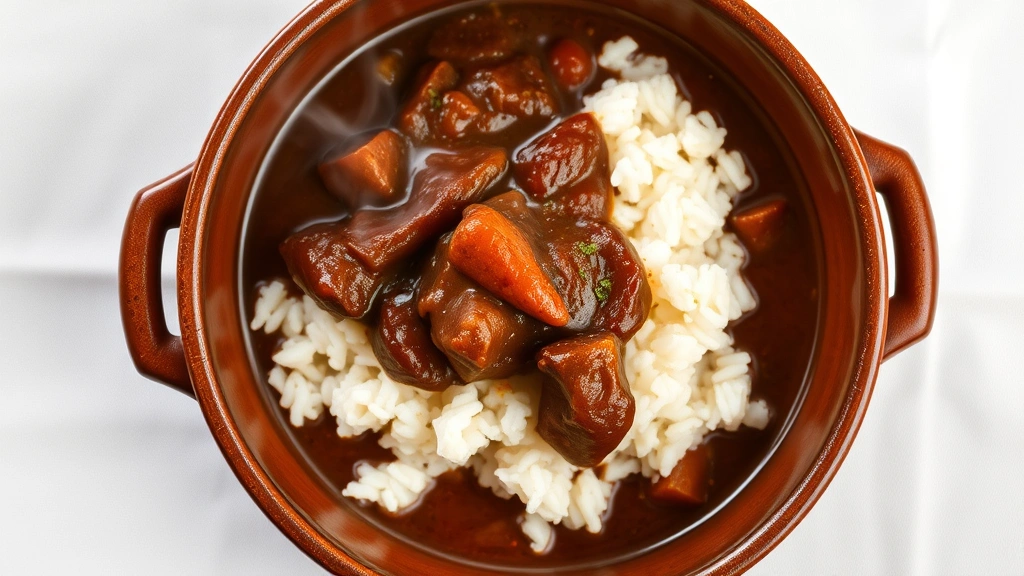
An easy gumbo recipe is your ticket to mastering one of Louisiana’s most iconic dishes without spending all day in the kitchen. Whether you’re a complete beginner or just looking to simplify your cooking process, this guide breaks down gumbo into manageable steps that actually work.
Table of Contents
What is Gumbo?
Gumbo is a thick, hearty stew that originated in New Orleans and represents the melting pot of Louisiana cuisine. It combines French, Spanish, African, and Native American cooking traditions into one spectacular dish. The beauty of gumbo is that it’s incredibly forgiving—you can adapt it to whatever ingredients you have on hand, making an easy gumbo recipe perfect for home cooks of any skill level.
At its core, gumbo consists of a rich roux base, aromatic vegetables, protein, and a thickening agent. The result is comfort food at its finest, typically served over rice. What makes it “easy” is that you don’t need fancy techniques or hard-to-find ingredients.
Essential Ingredients You’ll Need
Before you start cooking, gather these foundational ingredients for your easy gumbo recipe:
- Flour and oil: For making the roux (equal parts, typically 1/4 cup each)
- Onions, celery, and bell peppers: The holy trinity
- Garlic: 3-4 cloves, minced
- Chicken or vegetable broth: 4-6 cups
- Tomatoes: One 14-ounce can of diced tomatoes
- Protein: Chicken, sausage, shrimp, or a combination
- Seasonings: Salt, pepper, cayenne, paprika, thyme, and bay leaves
- Okra or filé powder: For thickening (optional but traditional)
This simplified ingredient list removes the intimidation factor while keeping authentic flavors intact. You likely have most of these items in your pantry already.
The Holy Trinity Explained
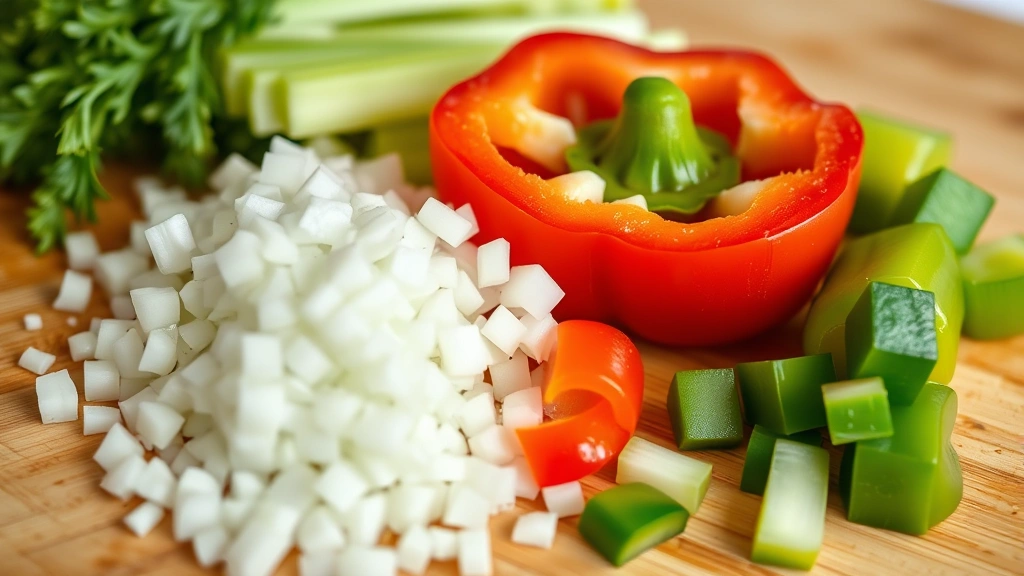
The “holy trinity” is the foundation of Cajun and Creole cooking. It consists of onions, celery, and bell peppers in roughly equal proportions. For an easy gumbo recipe, aim for about 1 cup of each vegetable, diced into similar-sized pieces.
The reason this combination works so well is chemistry. When these three vegetables cook together, they create a flavor base that’s greater than the sum of its parts. The onions provide sweetness and depth, celery adds earthiness, and bell peppers contribute brightness and mild sweetness. This trio is non-negotiable in traditional gumbo.
Pro tip: Prep these vegetables ahead of time. Chop them the morning of, store them in separate containers, and you’re halfway to dinner before you even start cooking.
Making the Perfect Roux
The roux is where many beginners get nervous, but it’s honestly the easiest part of an easy gumbo recipe once you understand it. A roux is simply equal parts fat and flour cooked together, and it serves two purposes: it adds rich, deep flavor and it thickens the gumbo.
Here’s the step-by-step process:
- Heat 1/4 cup of oil (vegetable or bacon fat works great) in a large, heavy-bottomed pot over medium heat
- Add 1/4 cup of all-purpose flour, stirring constantly
- Keep stirring for 8-12 minutes until the mixture turns chocolate brown
- Watch carefully during the last few minutes—it can burn quickly
- Once it reaches that rich brown color, you’re done
The color is everything. A light roux tastes mild; a dark roux tastes rich and complex. For an easy gumbo recipe, aim for a medium-to-dark brown—think milk chocolate to dark chocolate.
Don’t walk away from the pot. This is the one moment where your full attention matters. The constant stirring prevents lumps and ensures even cooking.
Building Your Flavor Base
Once your roux reaches that perfect brown color, immediately add your diced holy trinity vegetables. This stops the cooking process and prevents burning. The vegetables will sizzle and release their moisture—this is exactly what you want.
Stir everything together for about 3-4 minutes until the vegetables start to soften. You’ll notice the mixture becomes fragrant and the vegetables begin releasing their juices. Add your minced garlic and cook for another minute until it becomes aromatic.
Now add your broth slowly, stirring as you pour. Start with 4 cups and adjust later if needed. The mixture should be pourable but thick. Add your canned tomatoes with their juice, then season with salt, pepper, cayenne, paprika, thyme, and bay leaves. Start conservative with spices—you can always add more, but you can’t take it out.
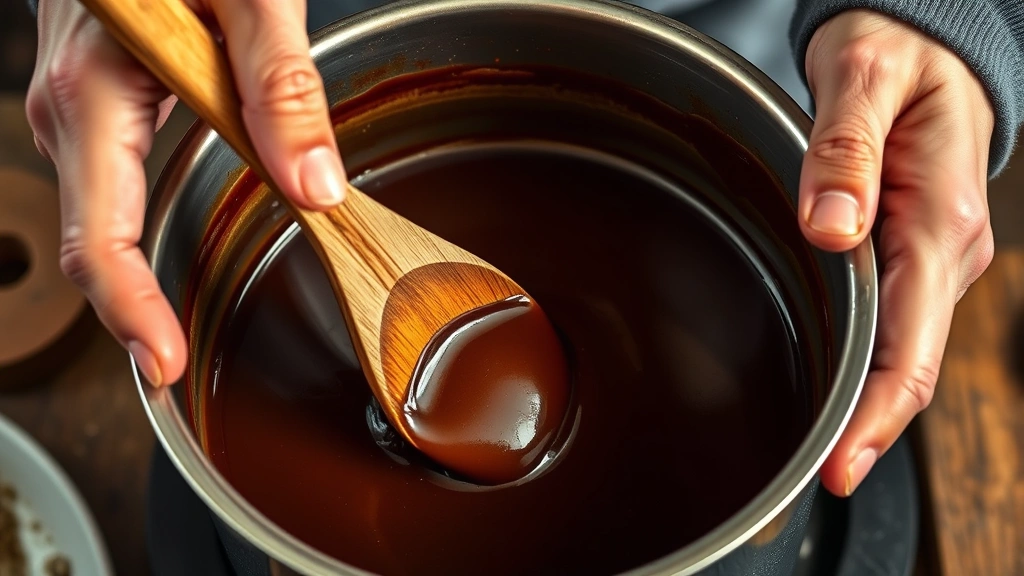
This is where your easy gumbo recipe really comes together. The combination of roux, vegetables, and broth creates a velvety base that tastes like you’ve been cooking all day.
Protein Options and Variations
The beauty of gumbo is its flexibility. Here are your main protein options for an easy gumbo recipe:
Chicken Gumbo: Use 1.5 pounds of boneless, skinless chicken breasts or thighs, cut into bite-sized pieces. Add them after building your base and let them simmer for 15-20 minutes until cooked through. Chicken makes the lightest, most approachable version.
Sausage Gumbo: Brown 1 pound of smoked sausage (sliced into rounds) in a separate skillet before adding to your pot. This adds incredible depth and smokiness. You can combine sausage with chicken for a classic combination.
Shrimp Gumbo: Add 1.5 pounds of shrimp during the last 5 minutes of cooking. Shrimp cooks quickly and becomes rubbery if overcooked, so timing matters here. If you want to combine proteins, add shrimp after chicken or sausage has cooked through.
Vegetarian Version: Skip the meat and add extra vegetables like mushrooms, zucchini, and green beans. The flavor comes from the roux and holy trinity, so it works surprisingly well without any protein.
For an easy gumbo recipe, stick with one protein your first time. Once you’re comfortable with the process, experiment with combinations.
The Cooking Process Simplified
After adding your broth, tomatoes, and seasonings, bring everything to a simmer over medium heat. Reduce heat to medium-low and let it bubble gently for 30-45 minutes. This allows flavors to meld and the gumbo to thicken naturally from the roux.
If you’re using okra for thickening, add it during the last 15 minutes of cooking. Fresh okra releases a slimy substance that thickens the gumbo beautifully. If you prefer filé powder (made from sassafras leaves), sprinkle it in at the end or let guests add it to their individual bowls.
Taste as you go. Adjust seasonings to your preference. The gumbo should taste rich, slightly spicy, and deeply savory. If it seems too thin, let it simmer longer. If it’s too thick, add a splash of broth.
An easy gumbo recipe doesn’t require constant attention. Unlike some dishes, you can let this simmer while you prep side dishes or set the table. Just give it an occasional stir to prevent sticking.
Serving and Storage Tips
Gumbo is traditionally served over a scoop of white rice. The rice absorbs the flavorful liquid and provides a neutral base that lets the gumbo shine. For each serving, place about 1/2 cup of cooked rice in a bowl and ladle gumbo over the top.
You can also serve gumbo with cornbread, crusty bread, or even on its own if you prefer a lower-carb option. Many people add hot sauce at the table—a few dashes of Louisiana hot sauce or similar condiment is traditional.
One of the best things about gumbo is that it tastes even better the next day. The flavors continue developing as it sits in the refrigerator. Store leftover gumbo in an airtight container for up to 4 days, or freeze it for up to 3 months. Reheat gently on the stovetop, adding a splash of broth if it’s thickened too much during storage.
This makes an easy gumbo recipe perfect for meal prep or feeding a crowd. Make a big batch on Sunday and enjoy it throughout the week.
Frequently Asked Questions
Can I make gumbo without okra or filé powder?
Absolutely. The roux itself thickens the gumbo significantly. If you want additional thickening without okra or filé, simply let it simmer longer. The longer gumbo cooks, the thicker it becomes as liquid reduces. Some people also add cornstarch slurry (cornstarch mixed with water) to thicken, though this isn’t traditional.
What’s the difference between gumbo and jambalaya?
Gumbo is a thick stew served over rice, while jambalaya is a one-pot rice dish where the rice cooks directly in the mixture. Gumbo also relies on a roux base, whereas jambalaya typically doesn’t. Both are delicious Louisiana dishes, but they’re definitely different.
Can I use frozen vegetables for an easy gumbo recipe?
Yes, frozen vegetables work fine. Thaw them first and drain excess moisture to prevent your gumbo from becoming watery. Fresh vegetables are preferable for the best texture, but frozen is a convenient alternative that still produces good results.
How spicy should gumbo be?
That’s entirely up to you. Start with 1/4 teaspoon of cayenne pepper and adjust from there. Remember that heat builds as the gumbo simmers, so taste it before adding more. You want flavor, not just heat. Many people prefer mild gumbo and let guests add hot sauce at the table.
Why is my roux lumpy?
Lumps usually mean you added cold broth to a hot roux. Always let broth come to room temperature before adding it, or add it very slowly while whisking constantly. If you do get lumps, strain the gumbo through a fine-mesh sieve before serving.
Can I make gumbo in a slow cooker?
You can, but it’s not ideal because you miss the browning step that develops flavor. If you want to use a slow cooker, make your roux on the stovetop first, then transfer everything to the slow cooker. Cook on low for 6-8 hours or high for 3-4 hours.
Final Thoughts
An easy gumbo recipe proves that authentic Louisiana cooking doesn’t require years of experience or complicated techniques. With a basic understanding of roux, the holy trinity, and proper seasoning, you can create restaurant-quality gumbo in your own kitchen.
The key is not rushing the roux and letting flavors develop during the simmer. Start with chicken or sausage if you’re nervous about seafood, and don’t be afraid to adjust seasonings to your taste. Gumbo is forgiving and improves with time, making it perfect for beginners.
Your first attempt might not be perfect, and that’s okay. Each time you make it, you’ll understand the process better and develop your own preferences. Soon you’ll be making gumbo from memory and maybe even creating your own variations. That’s the beauty of this classic dish—it welcomes creativity while honoring tradition.
For additional cooking inspiration, check out our guide on Boom Boom Sauce Recipe for sauce ideas, or explore our Asian Recipes collection for different flavor profiles. If you’re looking to expand your vegetable cooking skills, our articles on how to steam broccoli in microwave, how to steam carrots, and how long to steam asparagus provide complementary cooking techniques.
For more authoritative information on Cajun and Creole cooking, visit Family Handyman for lifestyle content, This Old House for traditional cooking methods, and Bob Vila for expert cooking advice.


