
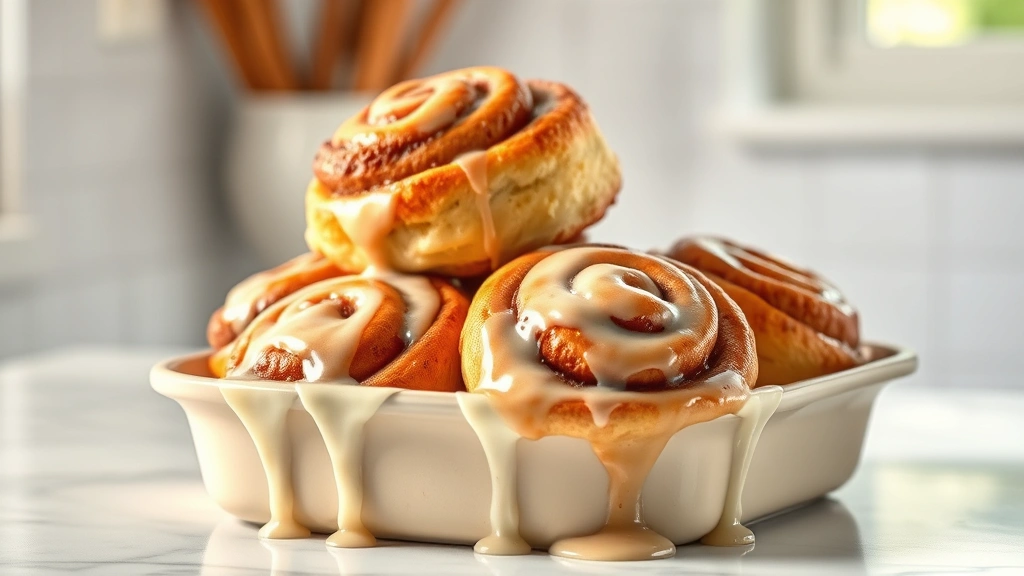
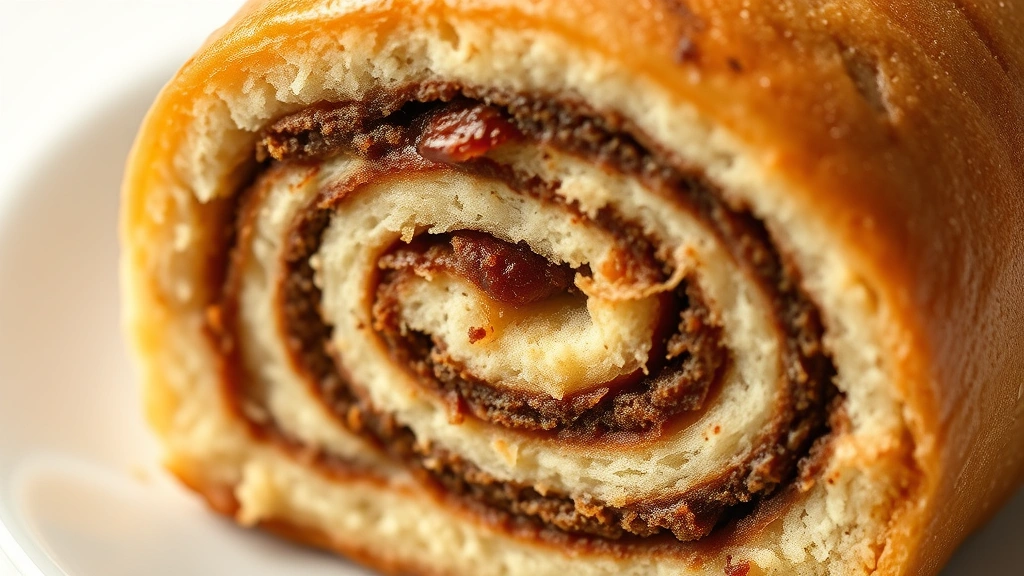
If you’ve ever visited Dollywood and tasted their legendary cinnamon bread, you know that warm, buttery, cinnamon-swirled perfection is worth hunting down. The good news? You can recreate that Dollywood cinnamon bread recipe right in your own kitchen without the theme park price tag. This copycat version captures all the magic—that tender crumb, those gorgeous cinnamon ribbons, and that irresistible aroma that fills your whole house.
Table of Contents
What Makes It Special
Dollywood’s cinnamon bread isn’t just cinnamon bread—it’s an experience. The secret lies in the balance: a soft, pillowy dough that’s neither too dense nor too airy, combined with a generous cinnamon-sugar filling that actually stays put during baking. The bread has that signature golden-brown exterior with just the right amount of glaze to add sweetness without overwhelming the cinnamon notes.
The key difference between this and standard cinnamon bread is the ratio of filling to dough and the technique used to incorporate it. Many home bakers either skimp on filling or end up with dry bread. This recipe nails the sweet spot, delivering that authentic Dollywood experience you remember.
Ingredients You Need
For the Dough:
- 1 cup whole milk, warmed (110°F)
- 2¼ teaspoons active dry yeast (one packet)
- ½ cup granulated sugar
- 4 tablespoons unsalted butter, melted
- 1 teaspoon salt
- 1 large egg, room temperature
- 3½ cups all-purpose flour
For the Cinnamon Filling:
- ½ cup unsalted butter, softened
- 1 cup brown sugar, packed
- 3 tablespoons ground cinnamon
- ¼ teaspoon nutmeg (optional but recommended)
For the Glaze:
- 2 cups powdered sugar
- 3 tablespoons milk
- 1 tablespoon vanilla extract
- 2 tablespoons melted butter
Dough Preparation Steps
Start by warming your milk to about 110°F—this is crucial for activating the yeast properly. Pour it into a large mixing bowl and sprinkle the yeast over the surface. Let it sit for about 5 minutes until it’s foamy. This bloom tells you your yeast is alive and ready to work.
Add the sugar, melted butter, salt, and egg to the yeast mixture. Stir everything together until combined. Now gradually add the flour, one cup at a time, mixing well after each addition. Once the dough comes together, transfer it to a floured surface and knead for 8-10 minutes until it’s smooth and elastic. You want it soft but not sticky—if it’s too wet, add a bit more flour.
Place the dough in a greased bowl, cover it with a damp cloth, and let it rise in a warm spot for about 1.5 hours until it’s doubled in size. This is where the magic of fermentation happens, developing flavor and structure.
Creating the Cinnamon Filling
While your dough rises, prepare the filling. Mix your softened butter with the packed brown sugar, ground cinnamon, and nutmeg. The mixture should be spreadable—not too thick, not too thin. This is where you can taste-test and adjust. If you love cinnamon, add a bit more. The nutmeg adds subtle warmth without being obvious.
Pro tip: Don’t skip the softened butter step. Cold butter won’t spread evenly, and you’ll end up with patchy filling. Let it sit on the counter for 20 minutes before mixing if it’s straight from the fridge.
Shaping and Swirling
Once your dough has doubled, punch it down gently and transfer it to a floured surface. Roll it out into a rectangle about ¼-inch thick—roughly 16 x 12 inches is ideal. Spread your cinnamon filling evenly across the entire surface, leaving about a ½-inch border on one long side.
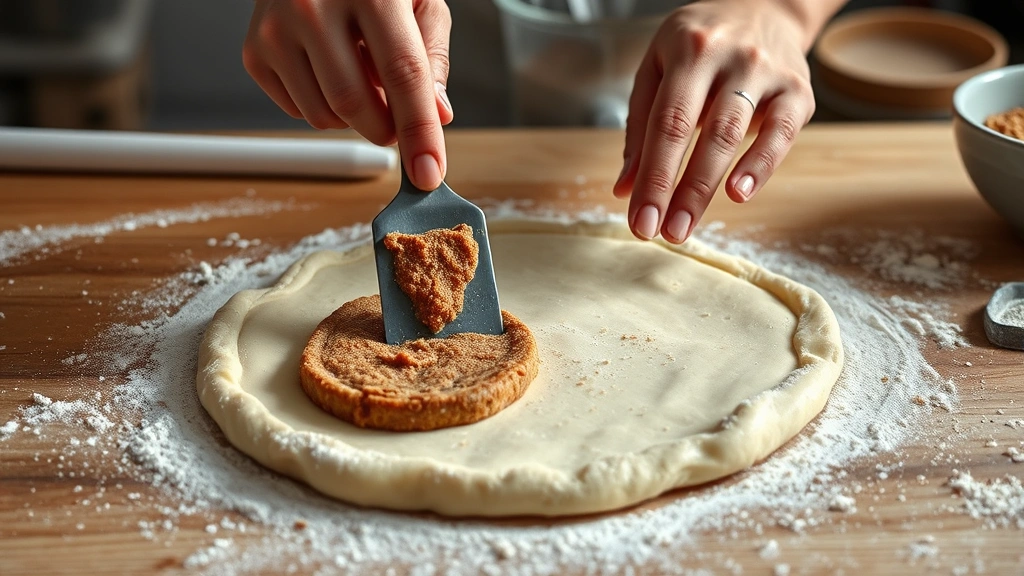
Starting from the opposite long side, roll the dough tightly toward that unfilled edge, creating a long log. Use a serrated knife or dental floss to cut the log into 12 equal pieces. The floss trick prevents squishing the rolls—just slide it under the dough and cross the ends over the top, pulling tight.
Place each roll cut-side up in a greased 9×13-inch baking pan. They should be snug but not packed. Cover with a damp cloth and let them rise again for 45 minutes to an hour until puffy and touching.
Rising and Baking
Preheat your oven to 350°F. The second rise is important—don’t skip it. Your rolls should look pillowy and almost ready to burst. Bake them for 20-25 minutes until they’re golden brown on top. The internal temperature should reach about 190°F when measured with an instant-read thermometer.
You’ll know they’re done when the kitchen smells absolutely incredible and the tops have that rich golden color. Don’t overbake—slightly underbaked is better than dry. These rolls will continue cooking slightly after you remove them from the oven.
Glaze and Final Touches
While the rolls cool for just 3-5 minutes, prepare your glaze. Whisk together powdered sugar, milk, vanilla extract, and melted butter until smooth and pourable. It should be thin enough to drizzle but thick enough to coat. Drizzle the glaze generously over the warm rolls—this is where the Dollywood magic really shines. The warmth of the rolls helps the glaze set into a light coating.
For an extra touch, sprinkle a tiny bit of cinnamon on top while the glaze is still wet. This adds visual appeal and reinforces that cinnamon flavor.
Storage and Keeping Fresh
These rolls are best enjoyed the day you make them, but they’ll keep for 2-3 days in an airtight container at room temperature. To refresh them, wrap them loosely in foil and warm in a 300°F oven for about 10 minutes. You can also freeze them for up to a month—just wrap them individually in plastic wrap and place in a freezer bag. Thaw at room temperature and reheat as needed.
If you want fresh rolls for breakfast, prepare them through the second rise, cover them tightly, and refrigerate overnight. In the morning, let them come to room temperature (about 30 minutes), then bake as directed. This is a great strategy for weekend entertaining.
Common Problems Solved
If your dough isn’t rising, your yeast might be dead or your environment too cold. Always check your yeast’s expiration date and use warm (not hot) liquid. If rolls are too dense, you might be overworking the dough or not giving enough rise time. Be patient with fermentation.
Cinnamon filling leaking out? You’re probably overfilling or rolling too loosely. Use just enough filling to cover the dough, and roll firmly but gently. If the glaze is too thick, add more milk a teaspoon at a time. Too thin? Add more powdered sugar.
Uneven browning usually means your oven has hot spots. Rotate the pan halfway through baking. If the bottoms are burning, move the rack up one position.
Frequently Asked Questions
Can I use instant yeast instead of active dry yeast?
Yes, absolutely. Use the same amount—instant yeast works slightly faster, so you might reduce rise time by 10-15 minutes. The results will be virtually identical.
What if I don’t have brown sugar?
You can substitute with granulated sugar, though you’ll lose some of that deep molasses flavor. Use the same amount. For best results, mix regular sugar with a tablespoon of molasses if you have it.
Can I make this dough in a stand mixer?
Definitely. Mix on low speed until the dough comes together, then increase to medium and mix for 5-6 minutes until smooth and elastic. This saves your arm and produces consistent results.
How do I know when the second rise is complete?
The rolls should look puffy and nearly doubled in height. Gently poke one with your finger—if the indent springs back slowly, they’re ready. If it springs back quickly, they need more time.
Is the nutmeg really necessary?
It’s optional, but it adds a subtle warmth that makes people say “something’s special about this.” Most won’t identify it as nutmeg, but they’ll notice the depth. I’d recommend including it.
Can I prepare these rolls ahead?
Yes. Shape them, place in the pan, cover, and refrigerate overnight. In the morning, let them come to room temperature (30-45 minutes) before baking. This actually improves flavor through slow fermentation.
What’s the best way to reheat day-old rolls?
Wrap them loosely in foil and warm at 300°F for 8-10 minutes. This restores moisture without drying them out. Microwaving works in a pinch but can make them tough.
Why does my glaze look lumpy?
Lumps usually mean your powdered sugar has clumps. Sift it before mixing, or blend it in a food processor for a minute. This creates a smooth, professional-looking glaze.
Conclusion: Making a Dollywood cinnamon bread recipe at home is entirely achievable with proper technique and patience. The secret isn’t fancy ingredients or complicated methods—it’s understanding how yeast works, getting your ratios right, and not rushing the rising process. Your first batch might not be perfect, and that’s fine. Each time you make this, you’ll dial in your preferences and technique. Before long, you’ll be pulling golden, cinnamon-swirled rolls from your oven that rival anything from the park. That’s the real magic of baking from scratch.
For more inspiration with sweet recipes, check out our Alfajores Recipe for another crowd-pleasing treat. If you’re interested in building your culinary skills, our Aeropress Recipe guide covers precision technique in another context. And when you want to expand your flavor palette, our Chilli Oil Recipe offers a different kind of kitchen mastery.


