
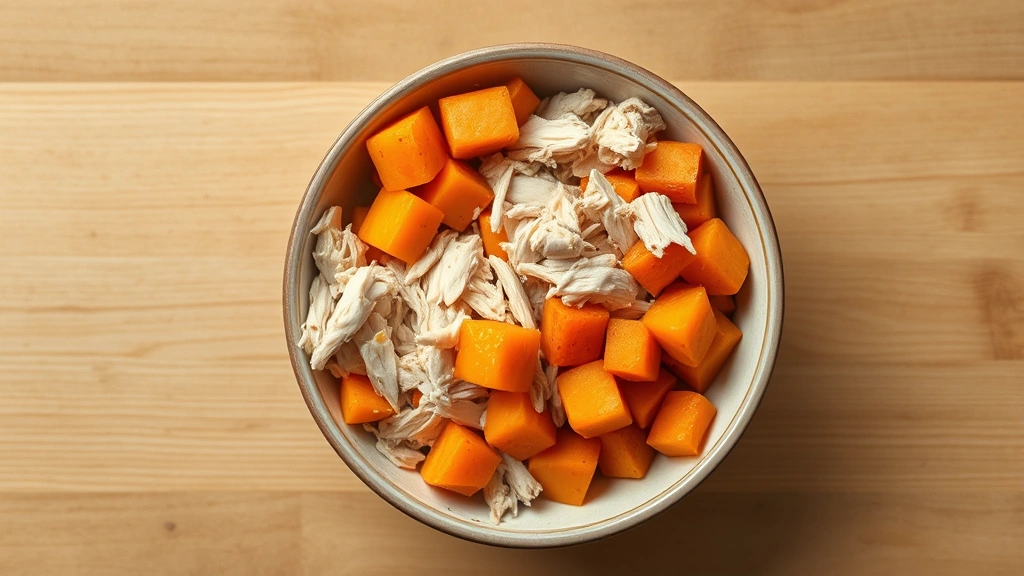
Making dog food recipes at home is one of the best ways to give your furry friend exactly what they need—fresh ingredients, no mystery additives, and meals tailored to their unique tastes and dietary needs. Whether your pup has a sensitive stomach, allergies, or you just want to skip the kibble aisle altogether, homemade dog meals put you in control of nutrition and quality. Let’s walk through some solid, vet-approved recipes that’ll have your dog doing backflips at dinner time.
Table of Contents
Why Homemade Dog Food Matters
Your dog’s diet directly impacts their energy, coat quality, digestion, and overall lifespan. Commercial kibble sits on shelves for months, losing nutritional value and requiring preservatives to stay shelf-stable. When you make dog food recipes at home, you’re serving meals within hours of cooking—peak nutrition delivered straight to the bowl.
Homemade meals also let you dodge common allergens like corn, soy, and mystery meat by-products. If your pup itches constantly or has digestive issues, switching to fresh, whole-ingredient meals often makes a noticeable difference within weeks. Plus, there’s something genuinely satisfying about watching your dog devour food you prepared yourself.
Nutrition Basics for Dogs
Before diving into recipes, understand what dogs actually need. Unlike humans, dogs are facultative carnivores—they thrive on meat-based diets but can digest vegetables and grains. A balanced homemade meal typically includes:
- Protein (40-50%): Chicken, beef, turkey, fish, or eggs
- Vegetables (20-30%): Carrots, sweet potatoes, green beans, peas, spinach
- Grains or carbs (10-20%): Rice, oats, or sweet potato
- Healthy fats: Fish oil, coconut oil, or eggs
- Calcium source: Eggshell powder or bone meal
Avoid toxic foods: chocolate, grapes, raisins, onions, garlic, avocado, and xylitol. When in doubt, consult your vet before adding new ingredients.
Simple Chicken & Veggie Bowl
This is the gateway dog food recipe—easy, affordable, and most dogs go absolutely nuts for it.
Ingredients:
- 2 lbs boneless chicken breast
- 2 cups brown rice
- 1 cup chopped carrots
- 1 cup green beans (fresh or frozen)
- 1 tablespoon fish oil
- 1/2 teaspoon eggshell powder
Instructions: Boil chicken until fully cooked (internal temp 165°F), then shred or dice it. Cook rice separately according to package directions. Steam carrots and green beans until soft. Mix everything together, let cool, and portion into containers. This makes about 6-8 servings depending on your dog’s size. Store in the fridge for up to 4 days or freeze portions for later.
Hearty Beef & Sweet Potato
For dogs who prefer beef, this recipe delivers serious satisfaction. Sweet potatoes add fiber and natural sweetness that most pups love.
Ingredients:
- 2 lbs ground beef (85/15 lean)
- 3 medium sweet potatoes, diced
- 1 cup peas (frozen works fine)
- 1/2 cup spinach, chopped
- 2 tablespoons coconut oil
- 1/2 teaspoon eggshell powder
Instructions: Brown the ground beef in a large pot, breaking it into small pieces as it cooks. Drain excess fat if needed. Add diced sweet potatoes and enough water to simmer everything together for 15-20 minutes until potatoes are tender. Stir in peas and spinach, cooking another 3 minutes. Remove from heat, add coconut oil and eggshell powder, mix well, and cool completely before serving. Freezes beautifully in ice cube trays for portion control.
Turkey with Rice & Carrots
Turkey is leaner than beef and chicken, making it ideal for dogs watching their waistline. This recipe is also gentle on sensitive digestive systems.
Ingredients:
- 2 lbs ground turkey
- 2 cups white or brown rice
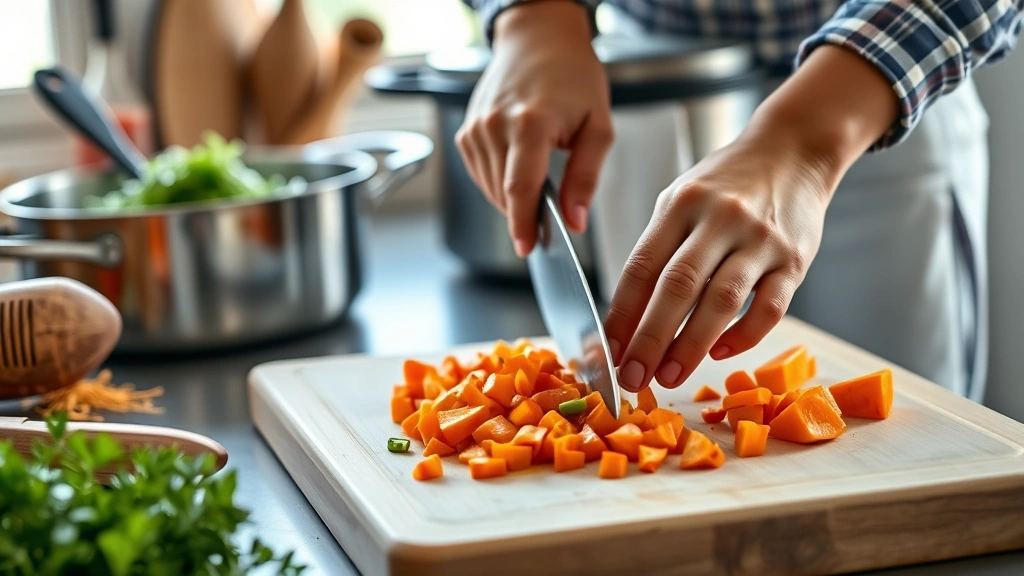
- 2 cups carrots, finely chopped
- 1 egg, beaten
- 1 tablespoon olive oil
- 1/2 teaspoon calcium powder
Instructions: Cook rice according to package directions. In a separate pot, brown the ground turkey over medium heat, stirring frequently. Add chopped carrots and simmer for 10 minutes. Combine cooked rice with the turkey-carrot mixture. Stir in beaten egg and olive oil, which adds richness and helps with coat health. Sprinkle calcium powder throughout and let cool before serving. This recipe keeps for 5 days refrigerated.
Fish-Based Omega Boost
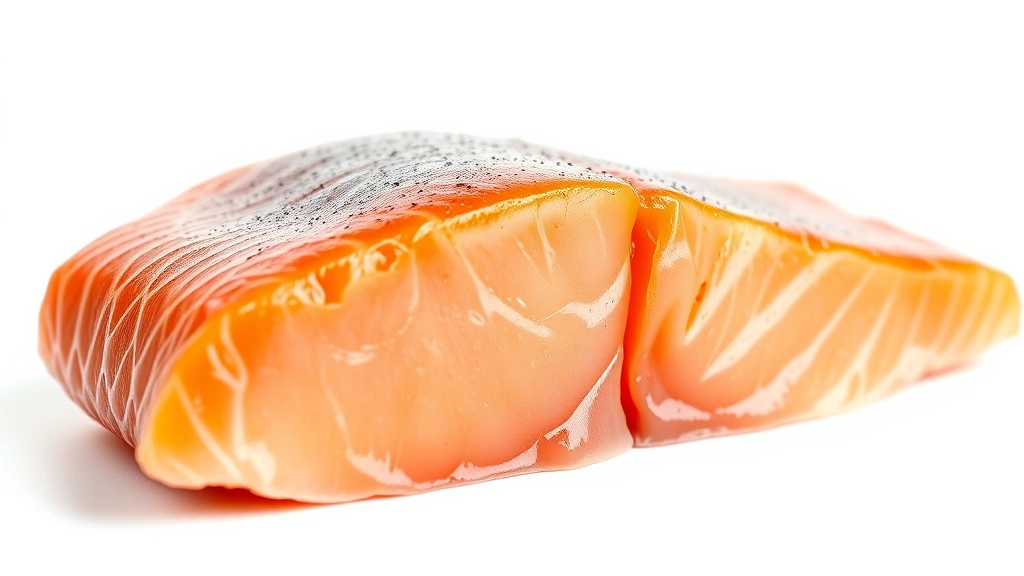
Salmon and other fatty fish pack omega-3 fatty acids that improve skin, reduce inflammation, and support brain health. This is the premium option for pups with dry, itchy skin.
Ingredients:
- 1.5 lbs salmon fillet (or canned, drained)
- 2 cups sweet potato, diced
- 1 cup broccoli florets, chopped small
- 1 cup blueberries
- 1 tablespoon fish oil
- 1/2 teaspoon eggshell powder
Instructions: Bake salmon at 350°F for 12-15 minutes until fully cooked, then flake into bite-sized pieces. Steam sweet potato and broccoli until soft. Combine all ingredients in a bowl, add fish oil and eggshell powder, and mix thoroughly. The blueberries add antioxidants and a fun texture. Serve at room temperature. This recipe is rich, so smaller portions go a long way.
Veggie Mix-Ins & Sides
You can rotate vegetables to keep meals interesting and ensure your dog gets diverse nutrients. Safe veggies include carrots, green beans, peas, sweet potatoes, pumpkin (great for digestion), zucchini, and leafy greens like spinach and kale. Some owners use recipes similar to canned green beans recipes as inspiration for veggie portions, though always cook fresh for dogs.
Raw carrots work as crunchy snacks between meals and help clean teeth. Pumpkin puree mixed into regular meals aids digestion and adds bulk without calories. Rotate 2-3 vegetables per batch to prevent boredom and nutrient gaps.
Storage & Meal Prep Tips
Batch cooking is your best friend here. Dedicate one afternoon to preparing 2-3 weeks of meals, then portion everything into containers. Ice cube trays are perfect for small dogs—freeze portions, pop them out, and store in freezer bags labeled with the date.
Refrigerator storage: 3-5 days maximum. Freezer storage: up to 3 months. Always thaw frozen meals in the fridge overnight before serving, never at room temperature. Some owners follow cajun rice recipe prep methods for their grain portions, adjusting spices out obviously since dogs can’t have the same seasonings.
Invest in quality food storage containers that stack neatly. Label everything with contents and date. Keep a simple notebook tracking which recipes your dog prefers and any digestive reactions.
Getting Vet Approval First
Before switching your dog entirely to homemade meals, consult your veterinarian. They’ll review your recipes, check for nutritional gaps, and recommend supplements if needed. Puppies, senior dogs, and dogs with health conditions have specific dietary requirements that homemade meals must meet precisely.
Some vets recommend adding a vitamin and mineral supplement to homemade diets, especially if you’re not including bone meal or eggshell powder. A simple blood panel annually ensures your dog’s nutrition is on track. Your vet might also suggest resources like asian recipes cooking techniques adapted for dog meals, though always verify safety with your vet first.
Work with a veterinary nutritionist if your dog has serious allergies or medical conditions. They’ll create custom recipes tailored to your pup’s exact needs.
Transition Strategy Matters
Don’t switch your dog’s diet overnight. Mix increasing amounts of homemade food with their current diet over 7-10 days. Start with 25% homemade, 75% old food. Every 2-3 days, increase the homemade portion by 25%. This gradual shift prevents digestive upset and lets you spot any food sensitivities. Watch for changes in stool consistency, energy levels, and coat quality during the transition.
Some dogs take longer to adjust, so patience pays off. If your dog experiences loose stools or vomiting, slow the transition and consult your vet.
Frequently Asked Questions
Can I feed my dog homemade food exclusively?
Yes, but only if the recipes are nutritionally balanced and approved by your vet. Work with a veterinary nutritionist to ensure all dietary requirements are met, especially for puppies and senior dogs.
How much homemade food should I feed my dog daily?
Generally, feed 2-3% of your dog’s body weight daily. A 50-pound dog needs roughly 1-1.5 pounds per day. Adjust portions based on activity level, age, and body condition. Your vet can provide specific feeding guidelines.
Do I need to add supplements to homemade dog food?
Most homemade recipes benefit from added calcium (eggshell powder or bone meal) and possibly a vitamin E supplement. Fish oil adds omega-3s. Ask your vet which supplements suit your dog’s specific needs.
Can puppies eat homemade food?
Yes, but puppies need precise calcium-to-phosphorus ratios and higher protein for growth. Work with a vet or veterinary nutritionist to create puppy-specific recipes. Never wing it with growing dogs.
Is homemade dog food more expensive than kibble?
Often comparable or slightly cheaper, depending on ingredients and your local prices. Buying meat on sale and batch cooking reduces costs significantly. Quality kibble and vet bills from poor nutrition often cost more long-term.
How do I know if my dog is thriving on homemade food?
Look for a shiny coat, healthy weight, good energy, consistent digestion, and regular vet check-ups showing good bloodwork. Most dogs show improvement within 4-6 weeks on balanced homemade diets.
Can I mix homemade and commercial food?
Absolutely. Many owners do 50/50 mixes or use homemade food as toppers on kibble. This approach reduces cost while improving nutrition and palatability.
What about raw diets versus cooked?
Cooked is safer for most dog owners (eliminates bacteria risk) and easier to digest. Raw diets require careful handling and aren’t recommended for households with immunocompromised people or multiple pets.
Wrapping It Up
Making dog food recipes at home puts real nutrition into your dog’s bowl. Start simple with the chicken and veggie recipe, watch how your pup responds, and expand from there. The investment of time pays dividends in better health, shinier coats, and a dog that actually gets excited about mealtime. Get your vet’s blessing, batch cook on weekends, and enjoy knowing exactly what your best friend is eating. Your dog will thank you with tail wags and boundless energy.


