
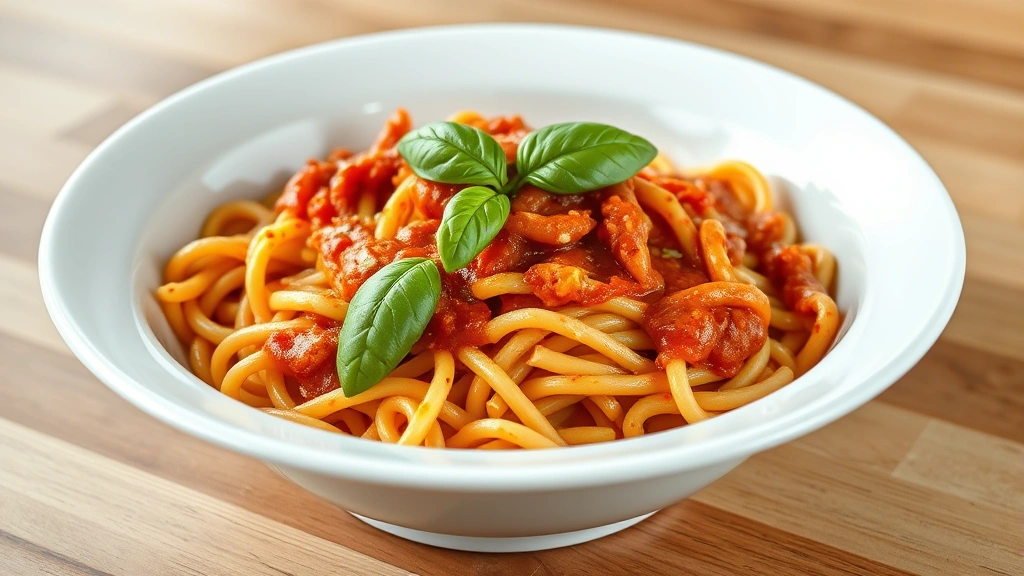
Ditalini recipes are your secret weapon for creating quick, satisfying pasta dishes that feel way more impressive than the effort they demand. If you haven’t discovered these tiny, tube-shaped pasta gems yet, you’re missing out on one of the most versatile ingredients hiding in your pantry.
Table of Contents
What Is Ditalini Pasta?
Ditalini is a small, tube-shaped pasta that looks like tiny pasta quills—think of it as penne’s younger sibling. The name comes from the Italian word “ditale,” which means thimble, and that’s exactly what these little tubes resemble. They’re typically about half an inch long and work beautifully in soups, salads, baked dishes, and creamy sauces.
What makes ditalini special is its size. Unlike long pasta that requires twirling or cutting, ditalini fits perfectly on a spoon. This makes it ideal for kids, perfect for soup applications, and absolutely brilliant for pasta salads where you want every bite to include pasta.
Why Ditalini Works So Well
The beauty of ditalini recipes lies in the pasta’s ability to hold onto sauce. Those tiny tubes trap flavors inside and out, meaning your sauce clings to every piece. Cook ditalini al dente—about 8-10 minutes depending on your brand—and you’ll get that perfect texture that doesn’t turn mushy even when sitting in sauce.
Ditalini also cooks faster than larger pasta shapes, cutting your total cooking time down significantly. For weeknight dinners, this matters. You can have a complete, restaurant-quality meal on the table in under 20 minutes. The small size also means it’s forgiving—you don’t need special equipment or technique to serve it properly.
Classic Ditalini Marinara
Start with the basics: this is comfort food at its finest. Bring a pot of salted water to a rolling boil and add your ditalini. While it cooks, warm a good quality marinara sauce in another pan—about 2 cups for a pound of pasta. Add minced garlic, a pinch of red pepper flakes, and fresh basil if you have it.
Drain your pasta when it’s still slightly firm, then toss it directly into the sauce. The starch from the pasta water helps the sauce cling better, so reserve about a cup before draining. Finish with fresh grated Parmesan and a drizzle of olive oil. This simple approach lets the quality of your ingredients shine through—it’s why using good marinara matters here.
For a protein boost, brown some ground beef or Italian sausage before adding your sauce, or stir in a can of white beans. This transforms a side dish into a complete meal.
Creamy Ditalini Alfredo
Alfredo sauce is deceptively simple once you understand the technique. Melt butter in a large pan over medium heat, then whisk in flour to create a roux. Cook for about two minutes—you want it to smell nutty but not brown. Gradually whisk in heavy cream and whole milk, stirring constantly to avoid lumps.
Once your sauce thickens slightly, remove it from heat and stir in grated Parmesan cheese and a pinch of nutmeg. Season with salt and white pepper. Toss your cooked ditalini into this sauce and watch it transform. The small pasta tubes absolutely love this rich, creamy coating.
Add grilled chicken, shrimp, or roasted vegetables to make this heartier. You could also incorporate elements from our Aglio Olio Recipe by adding crispy garlic chips on top for contrast.
Ditalini Minestrone Soup
Minestrone is the ultimate vehicle for ditalini recipes because the pasta absorbs all the vegetable-forward broth flavors. Start by sautéing diced onion, celery, and carrot in olive oil until softened. Add minced garlic, then layer in diced tomatoes, vegetable or chicken broth, and whatever vegetables you have on hand—zucchini, green beans, carrots, and spinach are classics.
Simmer everything for about 15 minutes, then add your ditalini directly to the pot. Cook for 8-10 minutes until the pasta is tender. Finish with a can of white beans, fresh basil, and a squeeze of lemon juice. This is the kind of recipe that improves as it sits—make a big batch and you’ll have lunch sorted for days.
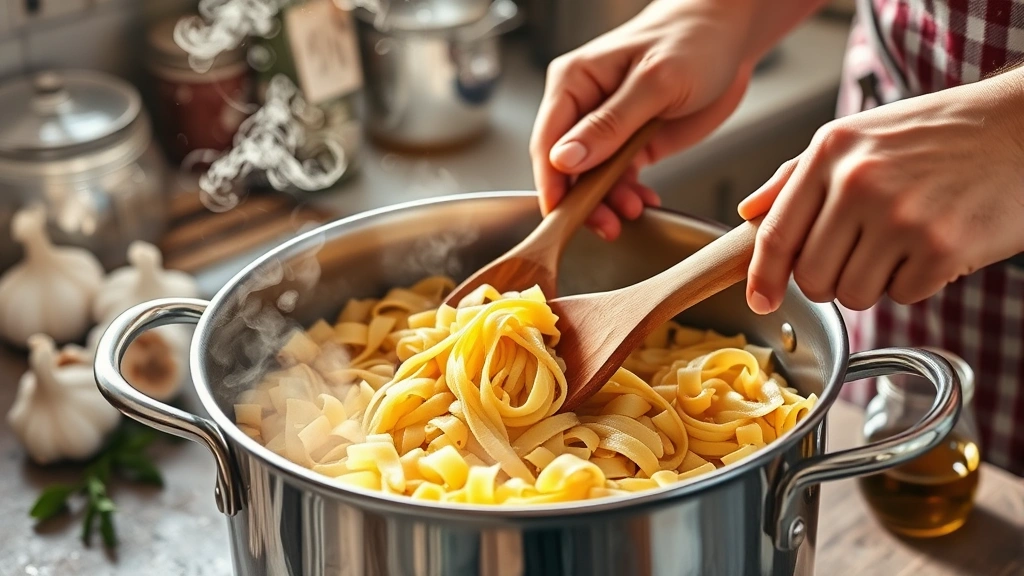
The beauty of minestrone is its flexibility. Swap vegetables based on what’s in your crisper drawer. Add a Parmesan rind while simmering for extra depth, and you’ve got a restaurant-quality soup that costs a fraction of what you’d pay outside.
Garlic Oil Ditalini
This is where you channel the simplicity of Aglio Olio but adapted for ditalini. Heat quality olive oil in a large pan and add thinly sliced garlic—about 6-8 cloves for a pound of pasta. Cook gently until the garlic turns golden and fragrant, about 3-4 minutes. Don’t let it brown or it’ll taste bitter.
Add red pepper flakes, then toss in your cooked ditalini. Stir in some of the reserved pasta water to create a light sauce. The starch helps everything come together. Finish with fresh parsley, lemon zest, and more Parmesan. This dish is proof that you don’t need complicated ingredients to create something delicious.
For extra richness, stir in some anchovies while the garlic cooks—they dissolve into the oil and add an umami depth that makes people ask what your secret is.
Baked Ditalini Casserole
Cook your ditalini until just barely al dente—it’ll finish cooking in the oven. Mix it with a meat sauce or marinara, then layer into a baking dish with ricotta mixture and mozzarella cheese. The ricotta mixture is simple: combine ricotta, an egg, salt, pepper, and fresh parsley.
Assemble in layers: sauce, ditalini, ricotta mixture, mozzarella. Repeat until your dish is full, finishing with mozzarella on top. Bake covered at 375°F for 25 minutes, then uncovered for another 15 minutes until the cheese is bubbly and golden. This is the kind of dish that feeds a crowd and actually gets better as leftovers.
You can prep this the night before and bake it when you need it, making it perfect for busy weeknights or meal prep Sunday.
Cold Ditalini Pasta Salad
Ditalini is ideal for pasta salads because the small size means every bite includes pasta. Cook it, drain it, and immediately toss with a light vinaigrette—about 3 parts olive oil to 1 part red wine vinegar, plus Dijon mustard, garlic, salt, and pepper.
Once the warm pasta absorbs the dressing, add your vegetables: diced bell peppers, cherry tomatoes, cucumber, red onion, and fresh herbs. You could incorporate elements from our Air Fryer Sweet Potato Recipe by adding roasted sweet potato cubes for sweetness and texture. Add mozzarella balls, olives, and maybe some grilled chicken or chickpeas for protein.
The key is assembling this while the pasta is still warm so it absorbs the dressing. Refrigerate for at least two hours before serving. This keeps for up to four days in an airtight container, making it perfect for meal prep.
Pro Cooking Tips
Always salt your pasta water generously—it should taste like the sea. This is your only opportunity to season the pasta itself. Don’t skip this step or your ditalini recipes will taste flat.
Reserve pasta water before draining. That starchy liquid is liquid gold for bringing sauces together. A cup of pasta water can transform a dry sauce into something silky and cohesive. This technique works across all ditalini recipes.
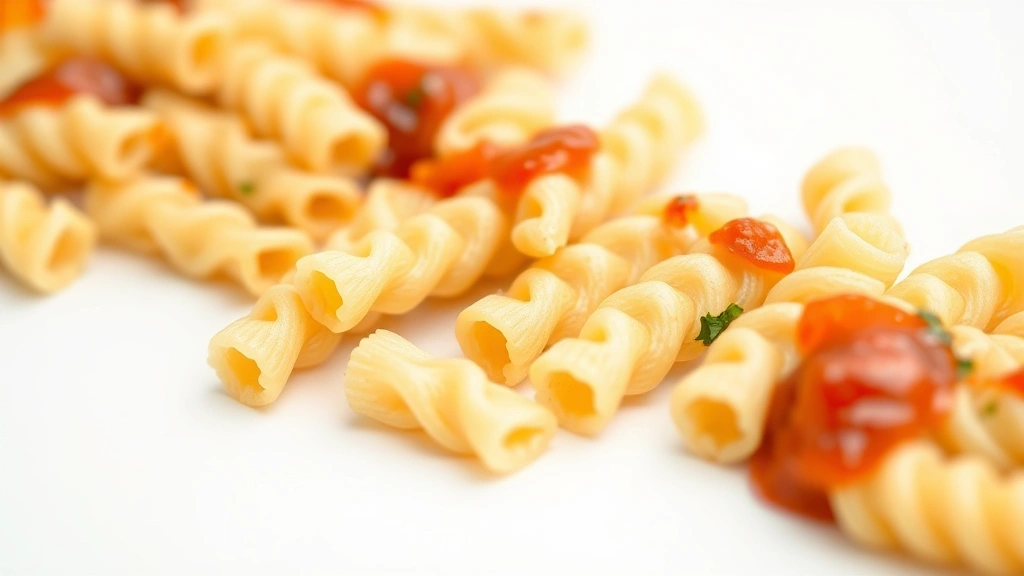
Cook ditalini about a minute less than the package suggests. You want it al dente—tender but with a slight firmness when you bite it. It’ll continue cooking slightly as it sits in sauce.
Don’t rinse pasta unless you’re making a cold salad, and even then, rinse only briefly. That starch coating helps sauce cling to the pasta. For cold applications, toss immediately with oil to prevent sticking.
Quality ingredients matter more in simple ditalini recipes than in complicated dishes. Use good olive oil, real Parmesan (not the pre-grated stuff), and fresh garlic whenever possible. You’ll taste the difference immediately.
Frequently Asked Questions
How long does ditalini take to cook?
Ditalini typically cooks in 8-10 minutes, though check your package for specific timing. Start testing at 8 minutes and cook until you reach your preferred texture. The small size means it cooks faster than larger pasta shapes.
Can I use ditalini in soup?
Absolutely—ditalini is perfect for soup. You can cook it separately and add it to soup, or add it directly to the pot about 10 minutes before serving. Adding it separately gives you more control over the final texture.
What’s the difference between ditalini and other small pasta?
Ditalini is tube-shaped, while orzo is rice-shaped and pastina is even smaller. Ditalini holds sauce better than orzo due to its hollow center, making it ideal for creamy sauces and soups.
How should I store leftover ditalini?
Store cooked ditalini in an airtight container in the refrigerator for up to four days. You can reheat it gently on the stovetop with a splash of water or broth. Toss with a bit of olive oil to prevent sticking.
Can I freeze ditalini dishes?
Yes, baked ditalini casseroles freeze beautifully for up to three months. Cool completely before freezing. Thaw overnight in the refrigerator and reheat covered at 375°F until warmed through. Pasta salads don’t freeze well due to texture changes.
What sauce works best with ditalini?
Ditalini works with any sauce, but it particularly shines with creamy sauces and broth-based soups because the hollow tubes trap liquid. Thicker sauces also cling beautifully to the ridged surface.
Is ditalini the same as ditalini rigati?
Ditalini rigati has ridges (righe means ridges in Italian), which helps sauce cling better. Regular ditalini is smooth. Both cook in the same time, but rigati holds sauce slightly better.
Final Thoughts
Ditalini recipes prove that simple ingredients and proper technique create memorable meals. Whether you’re making a quick weeknight pasta, a hearty soup, or a baked casserole that feeds a crowd, this small pasta shape delivers big flavor. The key is respecting the ingredients, cooking the pasta properly, and not overthinking it.
Start with the classic marinara version to understand how the pasta behaves, then branch out into creamy sauces, soups, and cold salads. You’ll quickly discover why Italian cooks have relied on ditalini for generations. It’s affordable, versatile, and absolutely foolproof when you follow these guidelines. Stock your pantry with a box or two and you’ll always have the foundation for a satisfying meal.


