
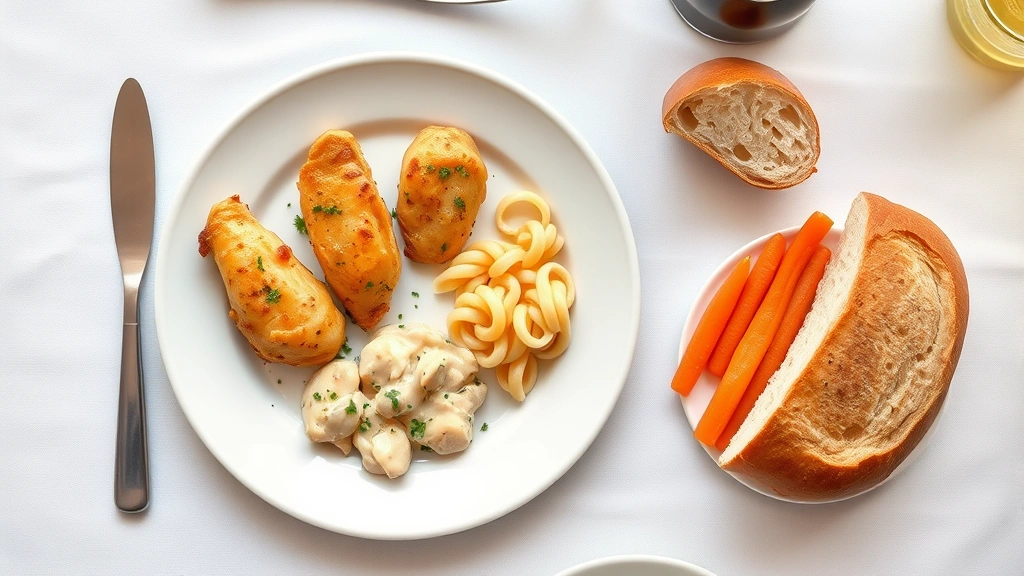
Dinner recipes for picky eaters don’t have to mean cooking separate meals or settling for bland, uninspired food. The trick is understanding what makes kids (and picky adults) tick in the kitchen—familiar flavors, textures they can control, and dishes that look fun rather than intimidating. I’ve spent years helping families crack this code, and the winners I’m sharing here actually work because they respect the picky eater’s preferences while sneaking in real nutrition and genuine flavor.
Table of Contents
Why Picky Eaters Matter
Let’s be real: picky eating isn’t laziness or stubbornness. It’s often about sensory preferences, control, and trust. When you understand that a kid rejecting broccoli isn’t personal, you stop taking it personally. Instead, you focus on what actually works. The best dinner recipes for picky eaters acknowledge these realities and build meals around them. You’re not trying to change their palate overnight—you’re creating an environment where they feel safe exploring food on their own terms.
Build a Familiar Foundation
Start with foods your picky eater already accepts. Maybe it’s pasta, rice, potatoes, or chicken. These become your base. From there, you layer in new elements gradually. An American Chop Suey Recipe works brilliantly because it takes familiar pasta and ground meat, then wraps them in a mild tomato sauce. It’s recognizable but slightly adventurous. The key is not forcing new flavors into a dish they’ve rejected before—that’s a setup for failure.
Pasta Wins Every Time
Pasta is the ultimate picky eater vehicle. It’s neutral, satisfying, and pairs with almost anything. Beyond basic marinara, consider creamy sauces, buttery preparations, or mild cheese-based dishes. Pasta dishes are also visually appealing and easy for kids to manage with a fork. You can toss in soft vegetables, shredded chicken, or mild proteins without them feeling like they’re eating “healthy food.” The pasta does the heavy lifting in terms of appeal while you sneak in nutrition.
Chicken Is Your Secret Weapon
Chicken is mild, versatile, and generally well-tolerated by picky eaters. Baked chicken tenders, shredded chicken in tacos, or chicken mixed into pasta all work. The key is cooking it properly so it stays moist—overcooked, rubbery chicken will get rejected every time. Pound it thin, bake at the right temperature, or slow-cook it. Pair chicken with familiar sides and mild sauces, and you’ve got a meal that feels safe to eat.
Dipping Sauces Change Everything
Here’s a game-changer: dipping sauces give picky eaters control. They can decide how much sauce to use, or skip it entirely. Try mild Adobo Sauce Recipe options, ranch dressing, mild salsa, or simple marinara. Even plain ketchup or honey mustard counts. When kids control the sauce situation, they feel empowered. That psychological shift matters more than you’d think. Suddenly, they’re willing to try chicken nuggets or vegetable sticks because they’re not forced into a flavor experience they didn’t choose.
Finger Foods Feel Safer
Finger foods reduce anxiety around eating. There’s no fork-and-knife coordination stress, and the food feels less formal and more playful. Homemade Corn Nuggets Recipe ideas, chicken tenders, mini meatballs, or soft bread all work. Even a build-your-own taco night becomes more appealing when kids assemble their own plate. They’re invested in what they’ve created, and they’re more likely to eat it. The tactile experience of handling food sometimes matters more than the taste itself.
Mild Spice Builds Confidence
You don’t need bland food to please picky eaters. Mild spices—garlic powder, a touch of cumin, a hint of paprika—add flavor without heat or intensity. These seasonings make food taste more interesting without triggering the “that’s weird” response. Start conservative and adjust based on feedback. Over time, you’re gently expanding their comfort zone with flavors that feel familiar but slightly more sophisticated. It’s about building confidence in their palate, not forcing change.
Texture Matters More Than Taste
Picky eaters often have texture preferences that override taste. Some want crunchy, others soft. Some avoid anything mushy. Work with these preferences, not against them. If your kid loves crunchy, serve soft foods with crispy toppings. If they prefer smooth textures, puree or blend where appropriate. Understanding texture preferences is often the breakthrough moment. You stop trying to convince them that something tastes good and instead serve it in a way that matches their sensory needs.
Presentation Is Half the Battle
How food looks matters enormously. A beautiful plate with colors, shapes, and interesting arrangement is more appealing than a monotone pile. Use colorful plates, arrange food intentionally, and keep portions reasonable—large plates of food intimidate picky eaters. Even simple touches like cutting sandwiches into triangles instead of rectangles can shift perception. You’re not being silly; you’re acknowledging that eating is a sensory experience that starts with the eyes.
Frequently Asked Questions
What if my picky eater refuses everything I cook?
Start smaller. Offer just one new element alongside familiar foods. Don’t pressure them to eat it. Sometimes exposure without expectation is enough. It might take 10-15 tries before a new food feels safe. Keep portions tiny for new items so rejection doesn’t feel like waste. And honestly, some nights offering cereal or toast is fine—you’re not failing if dinner doesn’t go perfectly.

Should I make separate meals for picky eaters?
Not ideally, but strategically yes. Cook a base meal (like plain pasta or rice with mild chicken) that everyone eats, then add different toppings or sauces for adults. This isn’t catering to pickiness—it’s being practical. The picky eater gets a complete, nutritious meal while you get to eat something more flavorful. Everyone wins.
How do I introduce vegetables to picky eaters?
Roast them until slightly crispy—caramelization adds natural sweetness and improves texture. Puree them into sauces. Mix them into familiar dishes like pasta or rice. Or serve them raw with dipping sauce. Don’t boil them into submission; that ruins texture and flavor. And remember, it’s okay if vegetables aren’t a regular part of their diet right now. Keep offering them without pressure, and tolerance often develops over time.
Are there quick dinner recipes for picky eaters on busy nights?
Absolutely. Sheet pan chicken with mild seasonings, simple pasta with butter and cheese, quesadillas with plain cheese or mild fillings, rice bowls with shredded chicken, or breakfast for dinner (scrambled eggs, toast, fruit). The best quick meals are ones you’ve already made successfully before—no experimentation when you’re exhausted.
What about involving picky eaters in cooking?
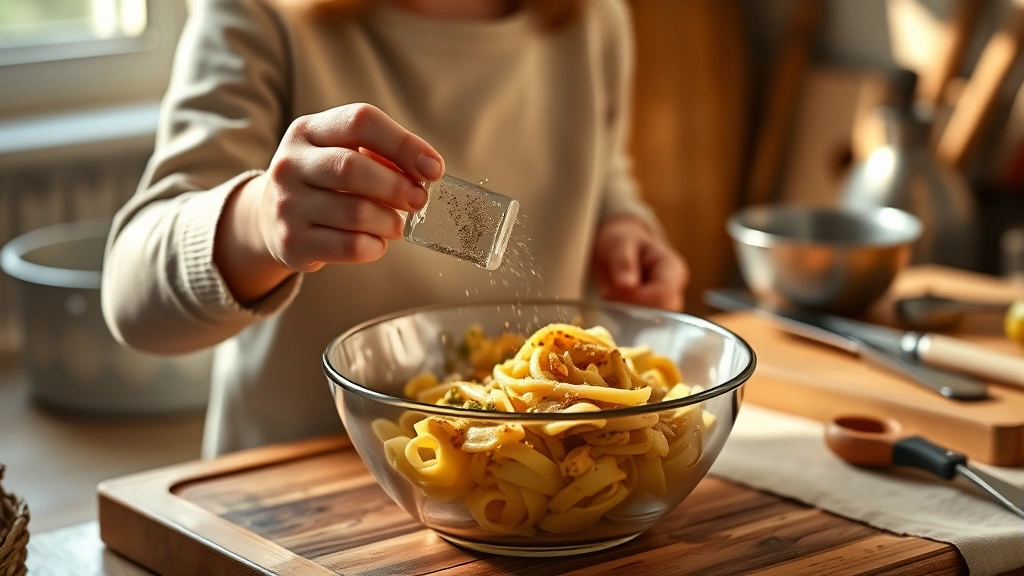
Game-changer. Kids who help cook are dramatically more likely to eat what they’ve made. Even simple tasks like stirring, tearing lettuce, or arranging toppings gives them ownership. They’re invested in the outcome, and suddenly that dinner they’d normally reject becomes “my special meal.”
Wrap Up
Dinner recipes for picky eaters work best when you stop fighting their preferences and start working with them. Build on familiar foundations, respect texture preferences, give them control through dipping sauces and build-your-own options, and present food in ways that feel approachable rather than intimidating. The goal isn’t to create a gourmet meal—it’s to create a positive eating experience where your picky eater feels safe, respected, and gradually more willing to explore. Some nights that means How to Use a Pizza Stone for homemade pizza night, other nights it’s simple pasta. Both count as wins. Patience, consistency, and meeting them where they are—that’s the real recipe for success.


