
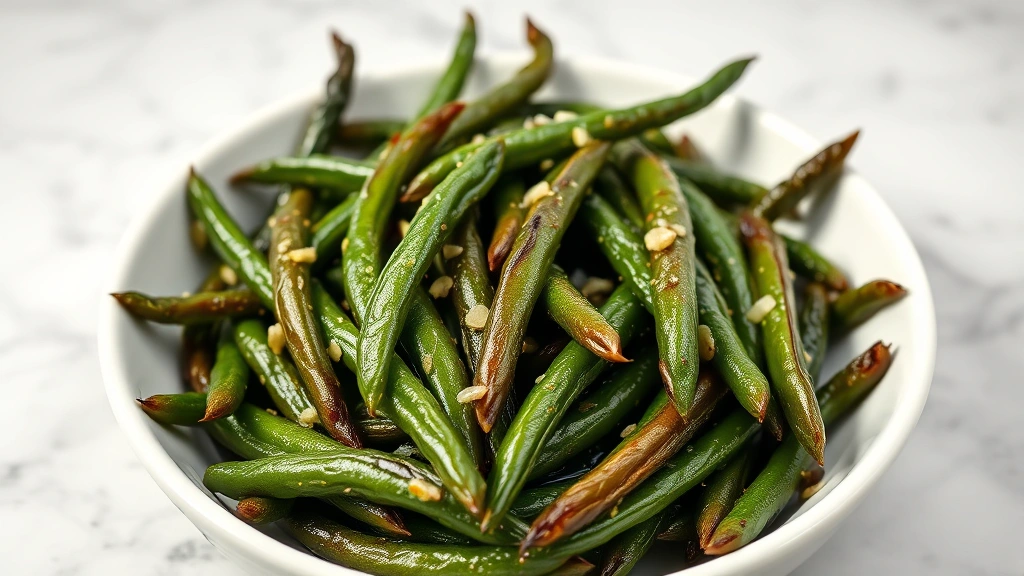
The din tai fung green bean recipe is one of those restaurant dishes that seems impossibly simple until you try making it at home and realize there’s real technique behind those crispy, garlicky beans. I’ve spent enough time in the kitchen to know that the best dishes often hide their complexity under a veil of straightforward ingredients. This Shanghainese classic—crispy on the outside, tender on the inside, loaded with garlic and a touch of umami—is absolutely doable in your own kitchen, and honestly, once you nail it, you’ll never order it again.
Table of Contents
What Makes This Dish Special
When you order green beans at Din Tai Fung, you’re getting something that looks almost burnt—dark, wrinkled, intensely flavorful. That’s the whole point. The beans are cooked at high heat until their skin blisters and the flesh inside becomes silky. It’s the opposite of the bright green, crisp-tender beans most home cooks aim for. You’re going for depth of flavor, not visual perfection, which is liberating once you understand it.
The magic happens in three places: the initial high-heat cooking that creates texture, the garlic-infused oil that coats every bean, and the umami from soy sauce and sometimes a touch of sesame oil. This isn’t a vegetable side dish that apologizes for itself—it’s bold and demands attention on your plate.
Ingredients You’ll Need
Here’s what goes into making authentic din tai fung green bean recipe at home:
- 1.5 lbs fresh green beans (trim both ends)
- 6-8 cloves garlic (minced fine)
- 3 tablespoons neutral oil (vegetable or peanut—don’t use olive)
- 2 tablespoons soy sauce (use quality, not the cheap stuff)
- 1 tablespoon sesame oil (adds depth)
- 1 teaspoon sugar (balances saltiness)
- 1/2 teaspoon white pepper (optional but recommended)
- 1/4 teaspoon ground Sichuan pepper (optional, adds numbing heat)
- 2-3 dried chilies (optional, for heat)
- Salt to taste
The ingredient list is short, which means quality matters. Don’t cheap out on the soy sauce—it’s the backbone of the flavor profile. If you’re exploring other best fall recipes, you’ll notice this principle repeats: fewer ingredients mean each one has to pull its weight.
Prep Work Matters Most
This is where most home cooks stumble. You need to prep your green beans properly, and it takes time. Trim both ends of each bean—don’t just snap them off haphazardly. Rinse them thoroughly and, this is crucial, dry them completely. Wet beans won’t crisp up properly; they’ll steam instead. Use a clean kitchen towel or paper towels to pat them dry, or run them through a salad spinner if you have one.
While the beans dry, mince your garlic. Use a knife, not a garlic press—you want small pieces that will cook evenly, not a paste. Garlic paste burns too easily and turns bitter. Keep your garlic separate until you need it; it’ll cook quickly once the pan gets hot.
Measure out your soy sauce, sesame oil, and sugar into a small bowl. Having everything prepped and ready is non-negotiable for this dish. Once you start cooking, things happen fast.
The Cooking Technique
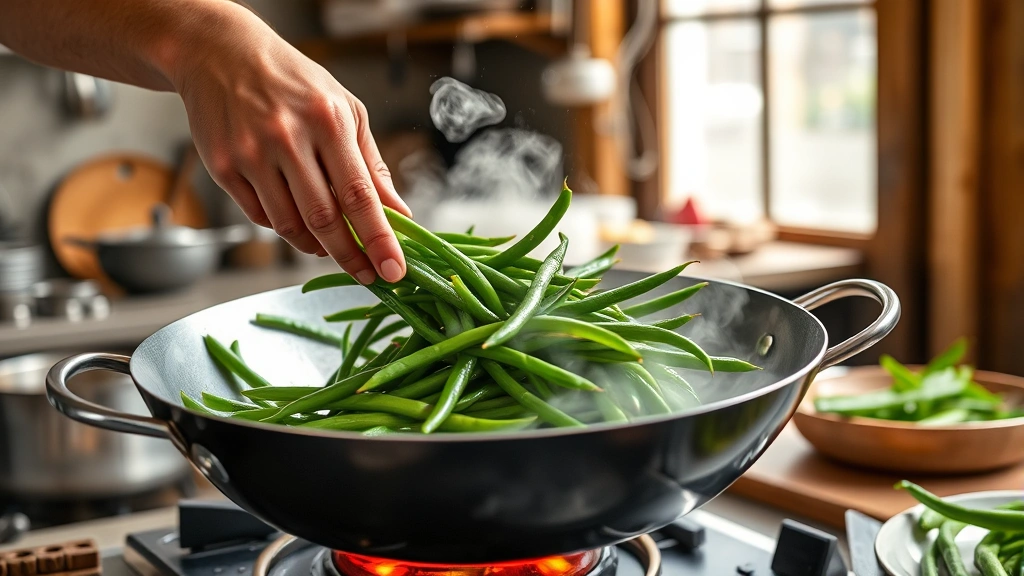
Heat your wok or large skillet over high heat until it’s screaming hot. You need enough heat to blister the bean skins. If you’re using a regular skillet, it should take about 3-4 minutes to get properly hot. A wok heats faster and distributes heat more evenly, which is why it’s preferred for this dish.
Add your oil—use about 3 tablespoons for 1.5 lbs of beans. Don’t be shy. The oil needs to coat the pan and the beans. Once the oil shimmers and just starts to smoke slightly, carefully add the green beans. You’ll hear them sizzle immediately. Don’t touch them for the first 2-3 minutes. Let them sit and blister on one side.
After 2-3 minutes, stir and toss the beans. They should have dark, blistered patches on their skin. Keep tossing and cooking for another 5-8 minutes total. You’re looking for beans that are wrinkled, dark in patches, and tender when you bite one. If they’re still bright green and firm, they need more time.
Once the beans are cooked to your liking, push them to the side of the pan or transfer them to a plate temporarily. Reduce heat to medium and add your minced garlic to the remaining oil in the pan. This is important—don’t add garlic to screaming hot oil or it’ll burn instantly. Stir the garlic constantly for about 30-45 seconds. You want it fragrant and just barely golden, not brown.
Garlic Oil Is the Magic
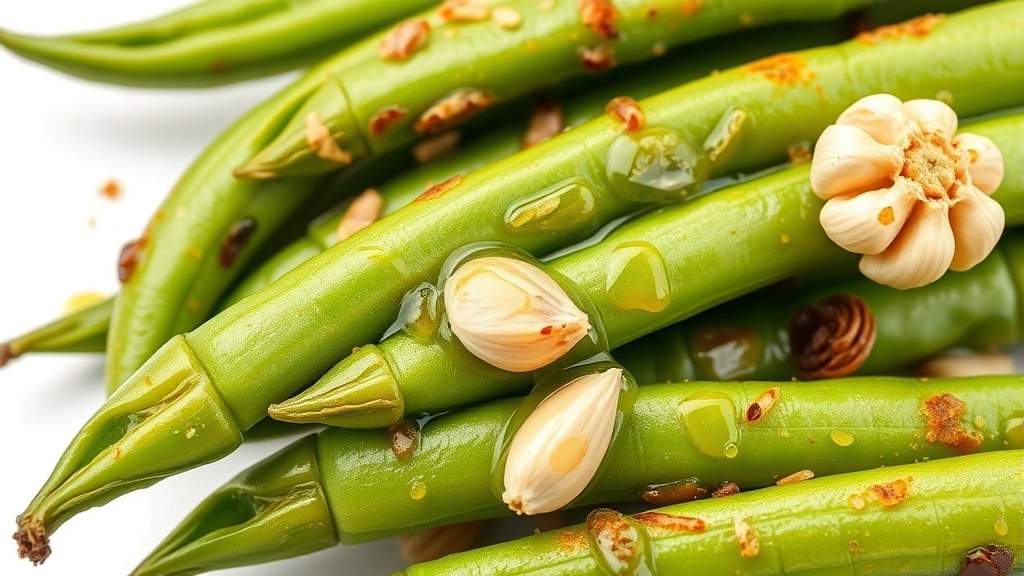
Once your garlic is fragrant, add your soy sauce, sesame oil, and sugar mixture. Stir everything together for about 10 seconds, then return the green beans to the pan. Toss everything together thoroughly, making sure every bean gets coated with that garlic-infused sauce. This is the moment where it all comes together—the aroma alone will tell you you’re on the right track.
If you’re using dried chilies or Sichuan pepper, add them now and toss. Taste a bean. Adjust seasoning with salt if needed. Some people like a touch more soy sauce; others prefer it less salty. This is your kitchen—make it taste right to you.
Transfer to a serving dish immediately. The beans will continue to absorb the oil and flavors as they cool slightly. Serve while they’re still warm but not piping hot—this is when the flavors are most balanced.
Common Mistakes to Avoid
The biggest mistake is not cooking the beans hot enough. If your heat isn’t high enough, the beans will steam and become mushy instead of blistering and crisping. You need a real sizzle when those beans hit the pan.
Second mistake: adding garlic too early. Garlic at high heat burns instantly and tastes acrid and bitter. Lower your heat before adding it, and watch it constantly. It goes from fragrant to burnt in seconds.
Third: using wet beans. I can’t stress this enough. Moisture is the enemy of crispiness. Dry your beans thoroughly.
Fourth: not tasting as you go. Soy sauce brands vary wildly in saltiness. You might need less or more depending on what you’re using. Always taste and adjust.
Fifth: overcrowding the pan. If you’re cooking more than 1.5 lbs of beans, work in batches. Overcrowding drops the pan temperature and causes steaming instead of blistering.
Serving and Storage Tips
Serve these beans hot or at room temperature as a side dish. They pair beautifully with steamed rice and any protein—chicken, pork, fish, tofu. In fact, this dish works perfectly alongside other Asian-inspired sides. If you’re planning a menu, consider pairing it with black beans and rice recipe for a more diverse flavor profile, or explore cajun seasoning recipe for a completely different direction.
Storage: These beans are best eaten fresh, but leftovers keep in an airtight container in the refrigerator for up to 3 days. Reheat gently in a skillet over medium heat, adding a splash of oil if needed. They won’t have the same crispy texture as when freshly made, but they’re still delicious cold or at room temperature as a snack or lunch component.
Variations and Flavor Twists
Once you’ve mastered the basic din tai fung green bean recipe, you can play with variations. Add a tablespoon of fermented black beans (douchi) for deeper umami. Include a teaspoon of ginger paste alongside the garlic. Some cooks add a touch of oyster sauce for richness. If you want heat, add fresh Thai chilies or increase the Sichuan pepper.
You can also experiment with other vegetables using this same technique. Long beans (yard-long beans) work beautifully, as do okra or even thick asparagus spears. The technique remains the same: high heat for blistering, then the garlic-oil finish.
For a vegetarian twist, make sure your soy sauce is tamari (wheat-free) if that matters to you, and skip any fish sauce if you’re using that. The dish is naturally vegetarian if you use vegetable-based ingredients.
Frequently Asked Questions
Can I make this in an oven instead of on the stovetop?
You can roast green beans in a 425°F oven for 15-20 minutes tossed with oil until blistered, but you won’t get the same depth of flavor or texture. The stovetop method gives you better control and that signature crispy exterior. If you’re short on stovetop space, roasting works as a backup plan, but the wok method is superior.
What’s the difference between regular and Sichuan peppercorns?
Sichuan peppercorns aren’t actually peppercorns—they’re the dried berries of a citrus plant. They create a numbing, tingling sensation on your tongue (called “málà” in Chinese cuisine) rather than heat. They’re optional but add an authentic touch. You can find them at any Asian market or online.
Can I use frozen green beans?
Fresh is always better for this dish because frozen beans are already partially cooked and have more moisture. That said, if frozen is what you have, thaw them completely, pat them very dry, and proceed. Just know the texture won’t be quite as good.
How do I know when the beans are done cooking?
Taste one. The skin should be blistered and wrinkled, and the flesh inside should be tender but not mushy. There should be some give when you bite it, but it shouldn’t be crunchy. This usually takes 7-10 minutes total cooking time depending on bean size and your heat level.
Can I make the garlic oil ahead of time?
You can infuse oil with garlic ahead of time, but use it within a day or two and store it in the refrigerator. Garlic-infused oil left at room temperature for extended periods can develop botulism, so be careful. It’s safer to make the garlic oil fresh each time you cook.
What if my beans taste too salty?
Add a pinch of sugar to balance it out. Sugar counteracts saltiness and brings out other flavors. Start with 1/4 teaspoon and taste again. You can also add a splash of sesame oil, which adds richness and masks excessive saltiness.
Is this recipe gluten-free?
Most soy sauce contains wheat. If you need gluten-free, use tamari instead, which is made without wheat. Everything else in the recipe is naturally gluten-free. Always check your soy sauce label if you’re cooking for someone with celiac disease or gluten sensitivity.
The beauty of the din tai fung green bean recipe is that it teaches you a fundamental cooking technique: how to properly blister vegetables and build flavor through careful sequencing of ingredients. Once you understand the why behind each step, you can apply this method to countless other dishes. That’s how you go from following recipes to actually cooking with confidence.


