
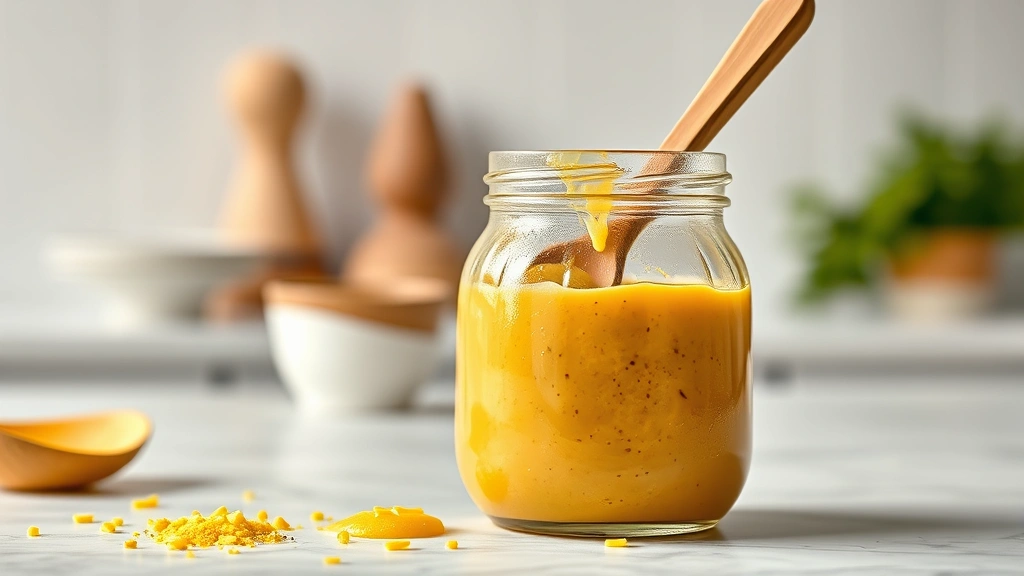
Making a dijon mustard recipe at home is easier than you’d think, and the results blow store-bought versions out of the water. If you’ve ever wondered why restaurant-quality mustard tastes so much better, it’s because they’re often making it fresh, with real ingredients and proper technique. In this guide, I’ll walk you through creating authentic Dijon mustard in your own kitchen—no fancy equipment needed, just a few quality ingredients and about 10 minutes of hands-on time.
Table of Contents
Ingredients You Need
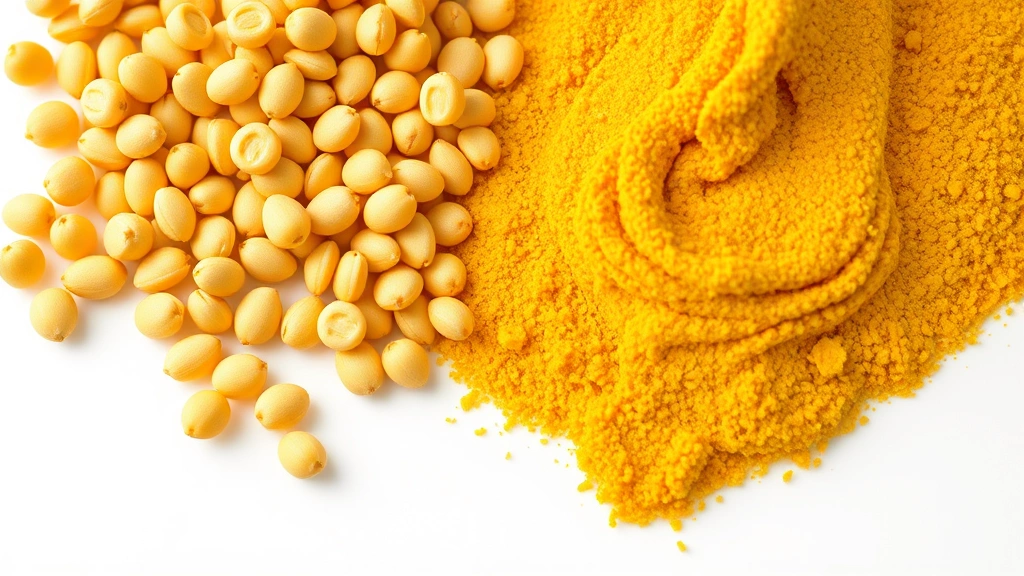
The beauty of a homemade dijon mustard recipe is its simplicity. You’ll need just five core ingredients: yellow mustard seeds (or brown for more heat), white wine or white wine vinegar, water, salt, and a pinch of turmeric for that signature golden color. Some recipes call for a touch of honey or white pepper, but the classic version keeps it minimal.
Here’s what I recommend buying: whole mustard seeds rather than ground. They’re cheaper, fresher, and you’ll taste the difference immediately. Look for them in the spice section of any grocery store. The white wine vinegar should be quality—nothing too harsh. And don’t skip the turmeric; it’s not just for color; it adds subtle earthiness that makes your mustard taste authentic.
Equipment Setup
You don’t need a commercial kitchen for this project. A blender, food processor, or even an immersion blender works perfectly. I prefer a blender because it gives you the smoothest texture, but a food processor is fine if that’s what you have. You’ll also want a small bowl for soaking, measuring spoons, and a glass jar for storage.
Pro tip: chill your blender bowl in the freezer for 10 minutes before blending. This keeps the friction from heating your mustard and affecting the flavor. It’s a small detail, but it matters.
Step-by-Step Process
Step 1: Soak the Seeds – Measure out 1/2 cup of mustard seeds and place them in a bowl. Add 1/4 cup of white wine vinegar and 1/4 cup of water. Let this sit for at least 4 hours, or overnight if you have the time. This hydration step is crucial; it softens the seeds and develops the flavor. Don’t skip it.
Step 2: Drain and Reserve Liquid – After soaking, drain the seeds through a fine-mesh strainer, but save that soaking liquid. You’ll use it to adjust consistency later. The seeds should feel soft and slightly swollen.
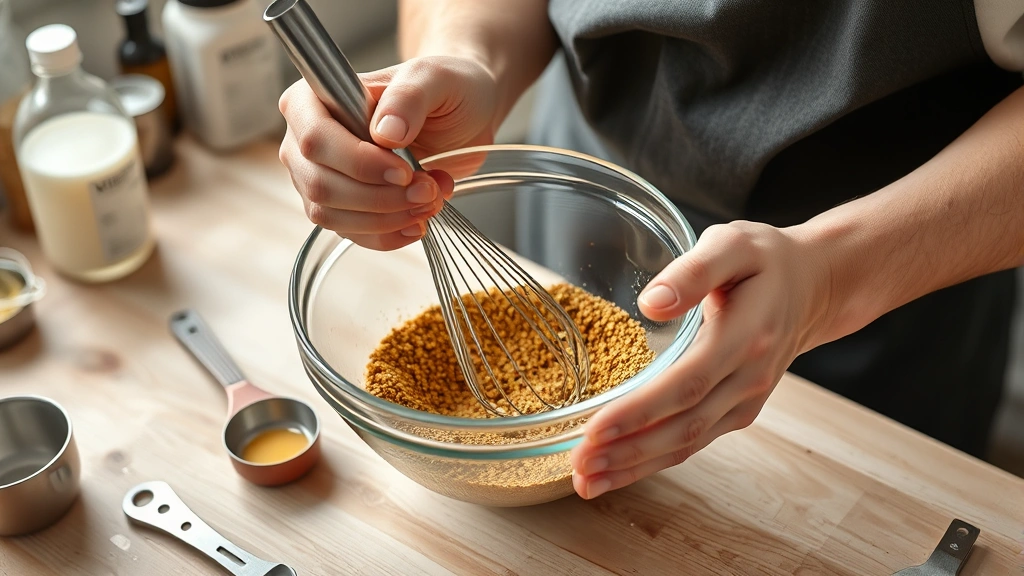
Step 3: Blend the Base – Pour the soaked seeds into your blender. Add 1/2 teaspoon of salt, 1/4 teaspoon of turmeric, and a pinch of white pepper if you like. Start blending on low speed, gradually increasing to high. This process takes 3-5 minutes. The mustard will go from grainy to creamy as the oils release from the seeds.
Step 4: Adjust Consistency – If your mustard is too thick, add the reserved soaking liquid one tablespoon at a time until you reach the texture you want. It should be spreadable but not runny. If it’s too thin, let it sit for 30 minutes; it will thicken as it cools.
Step 5: Taste and Season – This is where your palate takes over. Taste a small spoonful. Does it need more tang? Add a splash of vinegar. More heat? A tiny pinch of cayenne. More salt? Go easy—you can always add more, but you can’t remove it.
Flavor Variations
Once you master the basic dijon mustard recipe, you can customize it endlessly. For a honey mustard, add 1-2 tablespoons of raw honey during blending. For a spicy version, include 1/4 teaspoon of cayenne pepper or a few crushed red pepper flakes. Some people love adding whole grain mustard by leaving some seeds unblended for texture.
You can also experiment with different vinegars. Champagne vinegar creates a delicate, sophisticated mustard. Apple cider vinegar gives it a slightly sweet, fruity note. Red wine vinegar makes it darker and more robust. Each changes the character of your final product.
If you’re serving this with charcuterie or as a condiment for meats, consider adding a teaspoon of Dijon-style mustard powder (if you can find it) to intensify the classic flavor. It’s not cheating; it’s refining.
Storage Tips
Your homemade mustard will keep in the refrigerator for up to 3 months in a sealed glass jar. The cold actually helps it develop more flavor over time, so don’t be surprised if it tastes even better after a week. Make sure your storage container is completely clean and dry before filling it.
I recommend using small mason jars—they’re perfect for portion control and make great gifts. Label them with the date and any special ingredients you added. This is especially helpful if you’re making multiple batches with different flavor profiles.
One thing to note: homemade mustard doesn’t have preservatives, so it won’t last as long as commercial versions. But that’s actually a good thing—it means you’re eating real food without additives. Just keep it cold and use it within the timeframe mentioned.
Troubleshooting Guide
Too Grainy? – Your blender didn’t run long enough. Blend for another 2-3 minutes on high speed. The oils need time to fully release from the seeds.
Too Thin? – Let it rest in the fridge for 30 minutes. If still too thin, blend in a tablespoon of mustard powder or let it sit overnight; the starches will absorb liquid and thicken naturally.
Lacks Flavor? – Add more vinegar, a pinch more salt, or a touch of honey. Taste as you go. Sometimes a squeeze of fresh lemon juice brightens things up too.
Separated or Oily? – This happens occasionally. Just stir vigorously or blend briefly again. If it’s really separated, add a tablespoon of water and blend for 30 seconds.
Serving Ideas
Your homemade mustard pairs beautifully with charcuterie boards, sandwiches, and grilled meats. It’s exceptional on roasted vegetables—try it as a glaze for Brussels sprouts or cauliflower. You can also use it as a base for vinaigrettes by whisking it with olive oil, vinegar, and herbs. Similar to how you’d use a cheddar cheese sauce recipe to elevate simple dishes, this mustard transforms ordinary foods into something special.
For a gourmet touch, mix it into mayonnaise for a Dijon aioli. Spread it on charcuterie boards next to aged cheeses and cured meats. Use it as a dipping sauce for pretzel bread or roasted chicken. The possibilities are genuinely endless once you have a quality batch made.
If you’re entertaining, presenting homemade mustard in a nice jar shows genuine effort and care. Guests always appreciate condiments made from scratch more than store-bought versions.
Frequently Asked Questions
Can I use pre-ground mustard seeds?
Technically yes, but it won’t work as well. Pre-ground seeds lose potency quickly and won’t blend as smoothly. Whole seeds give you better flavor and texture. The small extra effort is worth it.
How long does it take to make dijon mustard?
Active time is about 10 minutes, but you need to soak the seeds for 4 hours minimum (overnight is better). So plan for at least a full day from start to finish, though most of that is passive waiting time.
Can I make it without a blender?
A mortar and pestle will work, but it’s labor-intensive and won’t give you the smooth texture you want. A food processor is your best alternative if you don’t have a blender.
What’s the difference between yellow and brown mustard seeds?
Yellow seeds are milder and create the classic Dijon flavor. Brown seeds are spicier and more pungent. Many recipes blend both for balanced heat and complexity.
Can I add other spices?
Absolutely. Garlic powder, paprika, or even a tiny amount of wasabi powder work well. Start with 1/8 teaspoon of anything new and adjust from there.
Why does my mustard separate?
This is usually from over-blending or temperature fluctuations. Keep everything cool, blend just until smooth, and store in the coldest part of your refrigerator. A brief re-blend usually fixes it.
Is homemade mustard safer than store-bought?
Yes, actually. You control all ingredients and can avoid additives and preservatives. Just keep it refrigerated and use within the recommended timeframe.
Final Thoughts
Making your own dijon mustard recipe is one of those kitchen projects that seems intimidating but delivers impressive results with minimal effort. You’re not doing anything complicated—you’re just combining quality ingredients and letting them meld properly. The first batch might take a few tries to dial in exactly how you like it, but that’s part of the fun.
Once you’ve made it once, you’ll realize how simple it is and probably never buy commercial mustard again. The flavor is brighter, the texture is smoother, and you know exactly what went into it. Plus, there’s something deeply satisfying about making a staple condiment from scratch in your own kitchen. Start with the basic recipe, master it, then experiment with flavors that speak to your palate. You’ve got this.


