

If you’ve bagged a deer or scored some venison from a local hunter, deer meat recipes are your ticket to some seriously delicious meals that’ll make your dinner table the envy of the neighborhood. Venison is leaner than beef, packed with flavor, and honestly, it’s one of the most rewarding proteins to work with if you know what you’re doing. I’ve spent years figuring out the best techniques, and I’m here to walk you through the essentials.
Table of Contents
Prepping Venison Right
Before you even think about deer meat recipes, you need to understand how to handle venison properly. The first thing I learned the hard way is that venison has a different texture than beef, and it can taste gamey if you don’t prep it correctly. Start by trimming away all the silver skin and connective tissue—this stuff is tough and won’t break down during cooking, no matter how long you cook it. Use a sharp knife and take your time here; it’s worth the extra five minutes.
The next critical step is removing any bloodshot areas or meat that came into contact with the digestive tract. These parts will have an off flavor that’ll ruin your dish. Pat the meat dry with paper towels before you start any recipe. Moisture is your enemy when you’re trying to get a good sear or crust. If the meat has been frozen, thaw it slowly in the refrigerator overnight—never on the counter where bacteria can multiply.
Backstrap Steaks Technique
The backstrap is the crown jewel of venison—it’s the most tender cut and perfect for steaks. This is where you want to show off the quality of your meat. Slice the backstrap into steaks about 1.5 inches thick, and here’s the trick: let them sit at room temperature for 20 minutes before cooking. Cold meat won’t sear properly, and you’ll end up with a gray, steamed exterior instead of that beautiful crust.
Heat your cast iron skillet until it’s smoking hot—and I mean seriously hot. Season your steaks generously with salt and pepper right before they hit the pan. Sear for 3-4 minutes per side for medium-rare. Don’t move them around; let them sit and develop that crust. The internal temp should hit 130-135°F. Pull them off heat and let them rest for 5 minutes. Add a pat of butter, some fresh garlic, and fresh rosemary to the pan while they rest. This is simple, elegant, and lets the venison shine. You can also explore how to make complementary sauces with our Buffalo Sauce Recipe for variation.
Slow Cooker Magic
Not all venison cuts are tender enough for high-heat cooking, and that’s where the slow cooker becomes your best friend. Tougher cuts like the shoulder, neck, or lower legs benefit tremendously from low-and-slow cooking. Cut the meat into 2-inch chunks and brown them first in a hot Dutch oven—this step creates depth of flavor through the Maillard reaction.
Transfer to your slow cooker with beef broth, diced tomatoes, carrots, onions, and celery. Add some bay leaves and thyme. Cook on low for 6-8 hours. The collagen breaks down into gelatin, making the meat incredibly tender and creating a rich sauce. This method works beautifully for stews, and you can serve it over egg noodles or with crusty bread. Similar slow-cooking principles work great with other proteins too—check out our Boston Butt Recipe for comparative techniques.
Ground Venison Applications
Ground venison is incredibly versatile and probably the most forgiving cut for beginners. Since it’s already broken down, you don’t have to worry as much about texture issues. The challenge is that ground venison is so lean it can dry out. Mix in about 20% ground pork or beef fat to keep it moist. I typically do 4 parts venison to 1 part pork.
Use ground venison for burgers, tacos, chili, meatballs, or meatloaf. For burgers, form them gently and don’t press down while cooking—that squeezes out the juices. Make a small indent in the center with your thumb so they cook evenly. For chili, brown the meat first, then add your beans, tomatoes, and spices. The flavor is more robust than beef, so don’t be shy with seasonings. You might also consider how to prepare complementary dishes like Caldo de Pollo Recipe for a complete meal approach.

Roasting Whole Cuts
Roasting a whole venison loin or backstrap in the oven is restaurant-quality cooking at home. Bring the meat to room temperature, then season it well inside and out. I like a simple mix of salt, pepper, garlic powder, and fresh herbs. Sear all sides in a hot pan for about 2 minutes per side to develop color.
Transfer to a roasting pan and insert a meat thermometer into the thickest part. Roast at 325°F until the internal temperature reaches 130-135°F for medium-rare—this usually takes 25-35 minutes depending on size. Baste with butter and pan drippings every 10 minutes. Let it rest for 10 minutes before slicing. The resting period is crucial; it allows the juices to redistribute throughout the meat, keeping every slice moist.
Braising for Tenderness
Braising is a hybrid cooking method that combines searing and slow cooking, and it’s absolutely perfect for venison. You start by searing chunks of meat in a hot Dutch oven to build flavor, then add liquid (broth, wine, or both) and cover it to cook low and slow in the oven at 325°F for 2-3 hours.
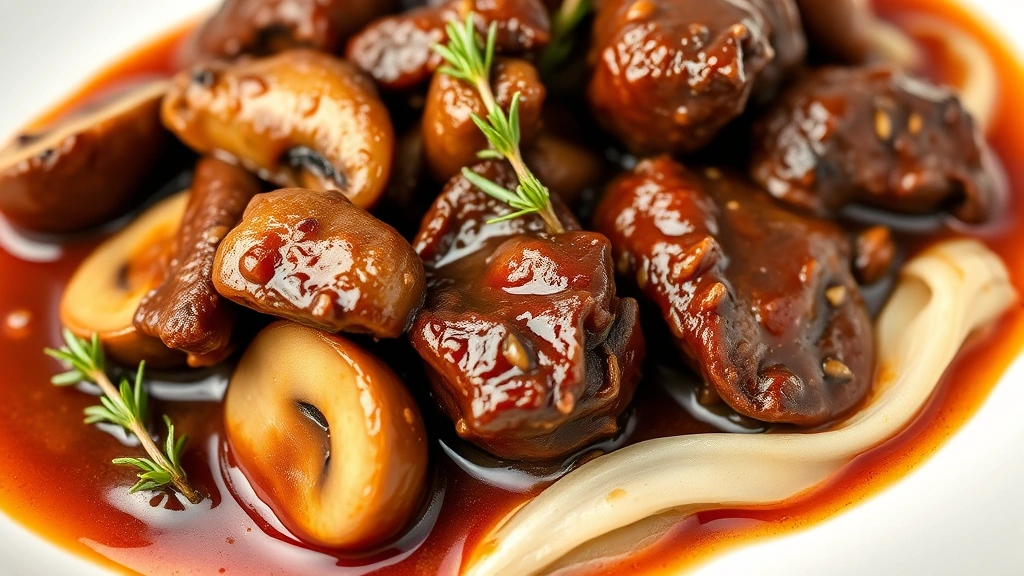
The beauty of braising is that the steam environment keeps the meat moist while the long cooking time breaks down tough fibers. Add aromatics like onions, carrots, and celery to the braising liquid. The liquid becomes a rich sauce you can serve alongside the meat. This method works for any cut that’s less tender, and the results are consistently excellent. Try adding a splash of red wine and some mushrooms for a classic French-style preparation.
Jerky and Smoking
Smoking venison is a completely different beast, but it’s worth mastering. Slice the meat thin (about 1/4 inch) against the grain for jerky, or keep larger pieces for smoking whole. For jerky, marinate thin strips in a mixture of soy sauce, Worcestershire sauce, garlic, and spices for at least 4 hours, preferably overnight.
Smoke at 160-180°F for 4-6 hours until the meat is dry but still slightly pliable. For whole smoking, use larger cuts like a loin, apply a dry rub, and smoke at 225°F for about 3-4 hours until the internal temp reaches 165°F. Venison’s lean nature actually makes it excellent for smoking—it absorbs smoke flavor beautifully without getting too dry if you monitor it carefully. Use mild woods like apple or cherry; strong woods like hickory can overpower venison’s delicate flavor.
Sauce Pairings Matter
Here’s something most people don’t realize: venison pairs beautifully with bold sauces. A red wine reduction with mushrooms and shallots is classic for a reason. Simmer red wine with beef broth, add sautéed mushrooms and minced shallots, then finish with a knob of butter and fresh thyme. This sauce elevates any venison steak or roast.
You can also create a Cajun Alfredo Sauce Recipe style preparation to add richness. For something lighter, try a chimichurri sauce with fresh parsley, cilantro, garlic, red wine vinegar, and olive oil. The acidity cuts through the richness of the meat. Don’t overlook simple pan sauces made from the drippings—deglaze the pan with broth or wine, scrape up the browned bits, and finish with butter and herbs.
Storage and Freezing
Proper storage determines whether your venison stays delicious or develops freezer burn and off-flavors. Wrap cuts tightly in butcher paper or vacuum seal them to prevent oxidation. Label everything with the cut and date. Properly stored venison lasts 8-12 months in the freezer, though I recommend using it within 6 months for best quality.
When you’re ready to use it, thaw in the refrigerator overnight—never at room temperature. If you’re in a time crunch, seal the package and submerge it in cold water, changing the water every 30 minutes. Ground venison thaws faster than whole cuts. Once thawed, use the meat within 2-3 days. Don’t refreeze thawed venison unless you’ve cooked it first.
Frequently Asked Questions
Why does my venison taste gamey?
Gamey flavor usually comes from improper field dressing, contamination during processing, or not trimming bloodshot meat properly. It can also result from overcooking—venison dries out quickly and develops off-flavors when cooked past medium. Make sure you’re trimming silver skin and any dark meat, and don’t cook past 135°F internal temperature.
Can I substitute venison for beef in any recipe?
Mostly yes, but with modifications. Venison is leaner, so you may need to add fat (butter or oil) to prevent drying. It’s also more flavorful, so reduce other seasonings slightly. Cooking times may be shorter since venison cooks faster than beef due to lower fat content. Always use a meat thermometer to avoid overcooking.
What’s the best way to tenderize venison?
Slow, moist cooking methods like braising and stewing are your best bet. For steaks, don’t cook past medium-rare. You can also marinate tougher cuts for 4-8 hours in an acidic mixture (vinegar, wine, or citrus) which helps break down proteins. Mechanical tenderizing with a mallet works too, but it can make the texture mushy if overdone.
How much venison do I get from one deer?
A typical deer yields about 50-75 pounds of meat, depending on size and how well it’s processed. The backstrap and hindquarters provide the most usable meat. Don’t waste the neck, shoulders, and shanks—these are perfect for ground meat, stews, and braising.
Is venison healthier than beef?
Yes, venison is leaner with less total fat and saturated fat than beef. It’s higher in protein and contains more iron and B vitamins. It’s also wild-caught, so there are no added hormones or antibiotics. The downside is that the leanness means you need to be more careful not to overcook it.
Final Thoughts on Deer Meat Recipes
Mastering deer meat recipes opens up a whole world of delicious possibilities. Whether you’re working with tender backstrap steaks, tough shoulder cuts, or versatile ground venison, the techniques I’ve shared will help you create restaurant-quality meals at home. The key is understanding that venison is different from beef—it’s leaner, more flavorful, and requires a bit more attention to avoid drying out. Start with simple preparations like backstrap steaks to build your confidence, then branch out into braising, smoking, and slow-cooking methods. You can also explore complementary cooking techniques with our Boiling Crab Recipe for seafood applications. With proper prep, the right cooking methods, and bold flavor pairings, your venison will be something your family and friends talk about for years. Get in that kitchen and start cooking.


