
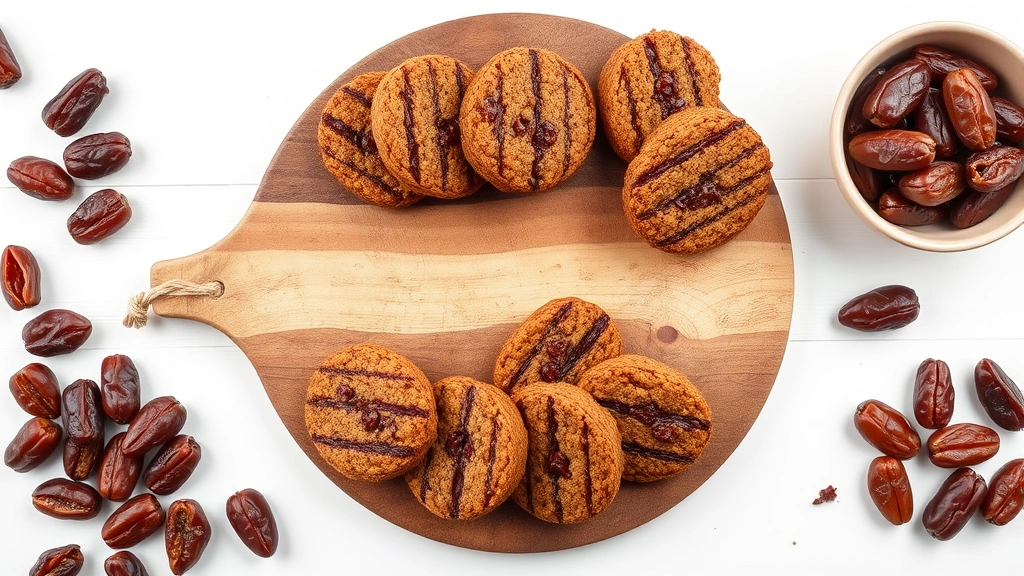
Date recipes are some of the easiest ways to add natural sweetness, moisture, and nutrition to your baking projects without relying on refined sugar. Whether you’re a seasoned baker or just starting out in the kitchen, dates offer incredible versatility—they work in everything from cookies and cakes to energy balls and breakfast treats. The best part? You probably have what you need already sitting in your pantry.
Table of Contents
Why Bake with Dates?
Let me be straight with you—dates are a game-changer for home bakers. They’re packed with fiber, minerals, and natural sugars that create incredibly moist baked goods without the weird aftertaste of artificial sweeteners. When you use dates in your date recipes, you’re getting a whole food ingredient that actually belongs in your body.
The magic happens because dates contain pectin, a natural binder that helps your baked goods hold together beautifully. This means you can reduce eggs, oil, or butter in many recipes while maintaining perfect texture. Plus, dates add a subtle caramel-like depth that makes everything taste more sophisticated. I’ve had people swear my date-based treats were made with processed sugar because they couldn’t taste the difference.
From a practical standpoint, dates are shelf-stable, affordable, and available year-round. You can buy them in bulk and keep them on hand for whenever the baking mood strikes.
Making Date Paste Base
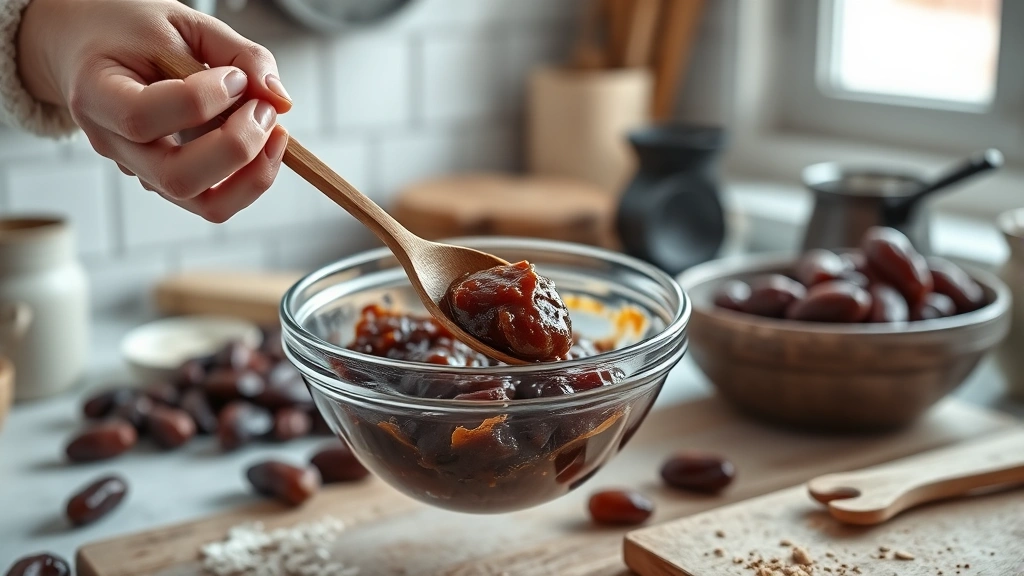
Before diving into specific date recipes, master this foundation: date paste. It’s the secret weapon that unlocks dozens of baking possibilities.
Take one cup of pitted dates and soak them in hot water (about 1 cup) for 10-15 minutes until they’re soft and plump. Drain them, reserving the soaking liquid. Blend the dates in a food processor until completely smooth, adding soaking liquid a tablespoon at a time until you reach a thick, spreadable consistency—think natural peanut butter texture.
This paste keeps in an airtight container for two weeks in the fridge or three months in the freezer. Use it as a 1:1 replacement for oil or butter in many recipes, or swirl it into yogurt, oatmeal, or smoothie bowls. The apple butter recipe crockpot method teaches similar techniques for creating smooth fruit pastes that work beautifully in baking.
Chewy Date Cookies
These are my go-to when I need something done fast. Mix 1 cup date paste with ½ cup softened butter, ¾ cup brown sugar, and 1 egg. Stir in 1¾ cups flour, 1 teaspoon vanilla, ½ teaspoon baking soda, and a pinch of salt. Fold in ½ cup chopped dates for texture contrast.
Drop spoonfuls onto a baking sheet and bake at 350°F for 10-12 minutes. They’ll look slightly underdone—that’s perfect. They firm up as they cool and stay chewy for days (if they last that long). The combination of date paste and whole date pieces creates this incredible layered sweetness that keeps people reaching for more.
Want to level up? Add ½ cup chopped walnuts or pecans, or swap half the flour for whole wheat flour for nuttier flavor. These cookies pair perfectly with the flavors in alfajores recipe if you’re exploring Latin American baking techniques.
Date Cake Magic
Date cakes are where things get really interesting. The moisture from dates means you can make incredibly tender crumb without dry, dense results. This is where your date paste foundation shines.
For a basic date cake, cream 1 cup date paste with ½ cup butter and ¾ cup sugar. Beat in 2 eggs one at a time, then alternate adding 1½ cups flour mixed with 1½ teaspoons baking powder and ½ teaspoon salt with ½ cup milk or yogurt. Stir in 1 teaspoon vanilla and ½ cup chopped dates.
Bake in a greased 8×8 pan at 350°F for 30-35 minutes. The top should spring back when lightly touched. This cake stays moist for four days when wrapped properly—the dates keep it from drying out. You can dust it with powdered sugar, drizzle with a simple glaze, or frost with cream cheese frosting.
Spice variations work beautifully here: add 1 teaspoon cinnamon, ½ teaspoon nutmeg, and ¼ teaspoon cloves for a warming spice cake. This approach to building flavor layers mirrors the technique used in adobo sauce recipe development.
Energy Balls & Quick Bites
No-bake date recipes are lifesavers when you don’t want to heat up the kitchen. Energy balls are the simplest: pulse 1 cup pitted dates, ½ cup almonds or walnuts, 2 tablespoons cocoa powder, 1 tablespoon coconut oil, and a pinch of sea salt in a food processor until mixture holds together.
Roll into 1-inch balls and refrigerate for 30 minutes. They’re perfect for lunchboxes, pre-workout snacks, or when you need something sweet and substantial. Store them in the fridge for two weeks or freeze for longer.
Variations are endless: add ½ teaspoon vanilla extract, roll balls in shredded coconut, dip them in dark chocolate, or mix in chopped pistachios. These energy bites contain natural sugars and fiber that provide sustained energy without the crash you get from processed snacks.
Date Bars & Squares
Bars are the workhorse of home baking—one pan, minimal cleanup, maximum yield. Date bars specifically are forgiving and hard to mess up.
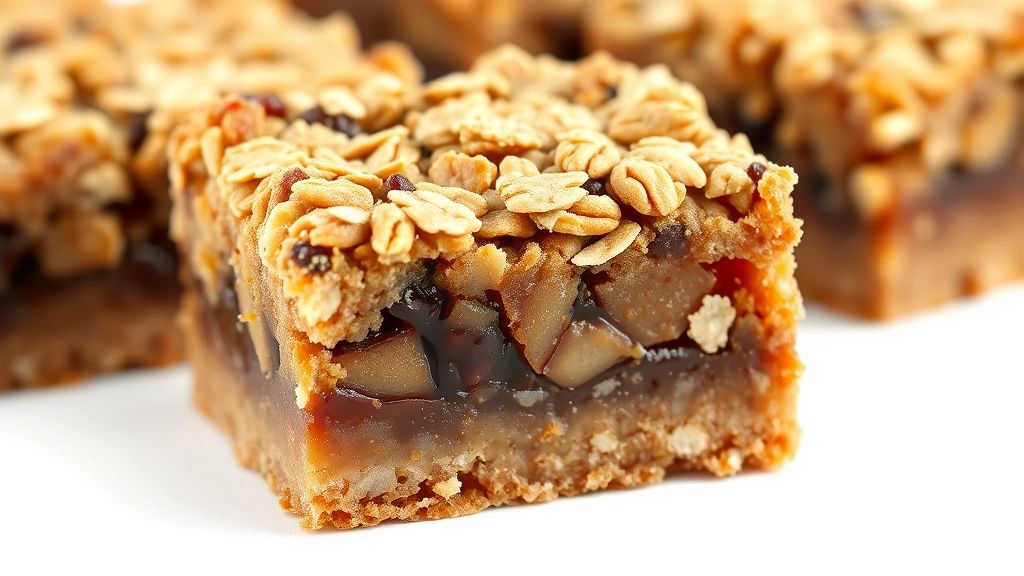
Make a simple base: mix 1 cup oats, ¾ cup flour, ½ cup melted butter, ½ cup brown sugar, and ¼ teaspoon salt. Press two-thirds of this mixture into a greased 8×8 pan. Spread 1 cup date paste on top, then crumble remaining oat mixture over it. Bake at 350°F for 25-30 minutes until golden.
Cool completely before cutting into squares—this prevents crumbling. The contrast between chewy date filling and crumbly oat topping is deeply satisfying. These bars stay fresh for a week in an airtight container, making them perfect for meal prep or sharing.
The layering technique here works similarly to building depth in arroz con gandules recipe—each component contributes its own flavor and texture to create something greater than the sum of its parts.
Breakfast Baking with Dates
Start your mornings right with date recipes built into breakfast bakes. Date muffins are my favorite because they stay moist and flavorful for days.
Whisk together 1¾ cups flour, 2 teaspoons baking powder, ½ teaspoon salt, and 1 teaspoon cinnamon. In another bowl, combine ¾ cup date paste, ¼ cup oil, ½ cup sugar, 2 eggs, ½ cup yogurt, and 1 teaspoon vanilla. Fold wet into dry ingredients, then fold in ¾ cup chopped dates and ½ cup chopped walnuts.
Divide between 12 muffin cups and bake at 375°F for 18-22 minutes. These muffins are substantial enough for breakfast but not so heavy that you’ll crash mid-morning. The dates provide natural sweetness while yogurt adds protein and tang.
Scones work beautifully with dates too. Cut cold butter into flour, add date paste and chopped dates, then bind with milk. The result is tender, flaky scones that taste indulgent but contain whole food ingredients.
Storage & Shelf Life
Proper storage means your date recipes stay fresh longer and taste better. Room temperature works for most date bakes for 2-3 days in an airtight container or wrapped tightly in plastic wrap. The natural moisture in dates keeps everything from drying out quickly.
For longer storage, refrigerate most date recipes for up to a week. Cakes and bars actually improve slightly after a day as flavors meld and moisture redistributes evenly. Freeze most date recipes for up to three months in airtight containers or freezer bags.
Date paste itself keeps two weeks refrigerated or three months frozen. Pro tip: freeze paste in ice cube trays, then pop cubes into freezer bags. This gives you convenient portions for smoothies, oatmeal, or last-minute baking projects.
One thing to watch: dates naturally attract moisture, so keep finished bakes away from humid areas. If they do dry out slightly, wrap them tightly with a piece of bread overnight—the bread releases moisture that the bakes reabsorb.
Frequently Asked Questions
Can I substitute date paste for all the sugar in a recipe?
Not exactly. Date paste works best as a 1:1 replacement for oil or butter, but you’ll usually want to keep at least some sugar in the recipe for proper browning and structure. Start by replacing half the sugar with date paste and adjust from there based on results.
What type of dates work best for baking?
Medjool and Deglet Noor dates are your best bets. Medjools are larger, softer, and sweeter—perfect for paste and whole-date recipes. Deglet Noors are smaller and firmer, great for chopping into baked goods. Avoid date pieces that already contain sugar coating, as they’ll make recipes too sweet.
Do I need to pit dates before using them?
Yes, absolutely. Pre-pitted dates save time and frustration. If you buy unpitted dates, cut them lengthwise and remove the pit carefully. It’s tedious but worth it for bulk savings.
Can I use date syrup instead of date paste?
Date syrup is thinner and won’t provide the same moisture and binding properties as paste. If you only have syrup, reduce other liquids in the recipe and add a bit of flour to compensate. It’s not a perfect substitute but can work in a pinch.
Are date recipes naturally vegan?
Many are! Date paste, energy balls, and some bars can easily be made vegan by using plant-based butter and omitting eggs. For recipes with eggs, substitute with flax eggs (1 tablespoon ground flax + 3 tablespoons water per egg) or applesauce.
How much date paste should I use to replace sugar?
Use ¾ to 1 cup date paste to replace 1 cup sugar, depending on desired sweetness. Dates are slightly less sweet than refined sugar, so you may want to add a touch more. Reduce other liquids by ¼ cup to account for the moisture in paste.
Can I make date recipes without a food processor?
Absolutely. Soak dates until very soft, then mash them thoroughly with a fork or potato masher. It takes more elbow grease but produces the same result. For chopping whole dates, use a sharp knife on a cutting board with a light coating of oil to prevent sticking.
Why do my date cookies spread too much?
Date paste contains moisture that can cause spreading. Chill dough for 30 minutes before baking, reduce the amount of date paste slightly, or add an extra ¼ cup flour to firm things up. Baking on parchment paper also helps prevent excessive spreading.
Wrapping It Up
Date recipes transform from basic ingredients into something memorable and genuinely good for you. You’re not sacrificing flavor or texture—you’re actually gaining complexity and nutrition. Start with the date paste foundation, pick one recipe that appeals to you, and build from there. Once you taste the difference whole-food sweetness makes, you’ll find yourself reaching for dates again and again. The beauty of date baking is that it’s forgiving, flexible, and delivers results that taste like you spent hours in the kitchen when you really just followed a simple formula. That’s the kind of baking win we’re all after.


