
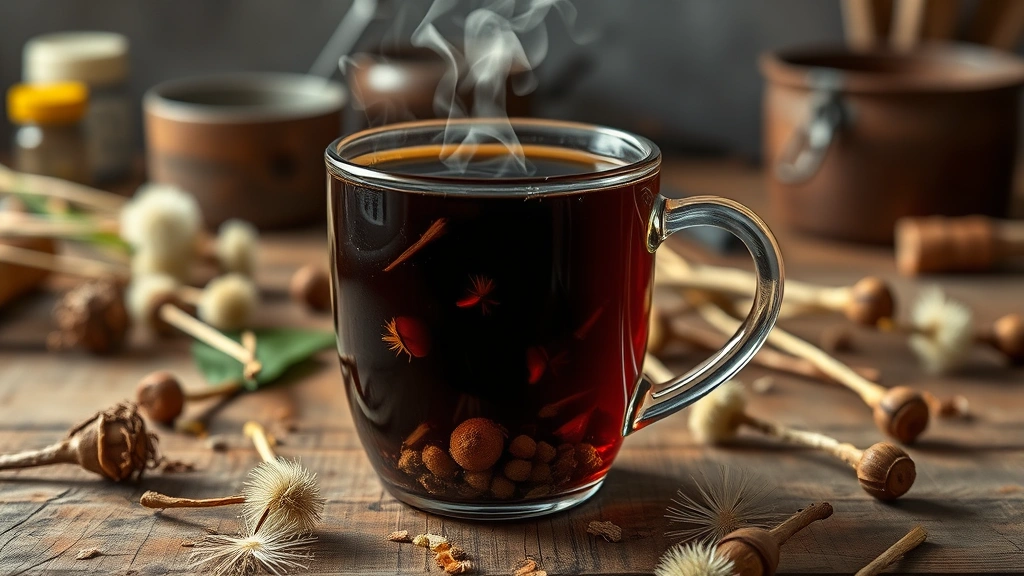
A dandelion tea recipe is one of the easiest ways to transform those pesky weeds in your yard into a delicious, nutrient-packed beverage that tastes surprisingly like coffee. I’ve been brewing this stuff for years, and honestly, it’s become my go-to morning ritual. Whether you’re harvesting from your own backyard or picking up dried dandelion root from a local herb shop, making dandelion tea at home beats buying expensive wellness drinks any day.
Table of Contents
Why Dandelion Tea Matters
Dandelion tea has been used in traditional medicine for centuries, and for good reason. This humble plant packs a nutritional punch that most people overlook while they’re pulling it out of their gardens. The roots contain inulin, a type of fiber that supports digestive health, and they’re loaded with minerals like potassium and manganese. Making your own dandelion tea recipe gives you complete control over quality and freshness—no mystery ingredients, no corporate markup.
What really gets me excited about this brew is how versatile it is. You can drink it hot on a chilly morning, chill it for summer refreshment, or blend it with other herbs to create your own signature blend. If you’re into experimenting with homemade beverages, you’ll appreciate how similar the process is to making clove tea recipe variations—it’s all about understanding your base ingredient and knowing how heat transforms it.
Gathering Your Materials
Before you start brewing, let’s talk about what you actually need. The most important ingredient is dandelion root—either fresh from your yard or dried from a supplier. If you’re harvesting fresh, spring and fall are your best bets when the plants have stored energy in their roots. You’ll also need basic kitchen equipment: a digging tool (a sturdy spoon works), a knife, a baking sheet, a grinder or mortar and pestle, and a pot for boiling water.
I keep it simple with a standard kettle and a fine-mesh strainer, though a dedicated tea infuser works great too. If you’re planning to roast your own roots, having an oven thermometer ensures consistent results. Some folks also grab dried herbs like ginger or cinnamon to complement their base tea—similar to how you’d enhance other herbal recipes like apple compote recipe variations with complementary spices.
Preparing Fresh Dandelion Roots
If you’re harvesting fresh dandelion roots, timing and technique matter. Look for mature plants—they’ll have thicker, longer roots that yield more flavor. Use a garden fork or spade to carefully dig around the plant and pull up the entire root system. You want to get as much of the root as possible without breaking it apart.
Once you’ve harvested your roots, rinse them thoroughly under cool water to remove soil and debris. Use a soft brush or old toothbrush to gently scrub away stubborn dirt—don’t peel the skin off, as that’s where much of the flavor lives. Pat them dry with a clean cloth, then cut them into smaller pieces (about 1-2 inches long) to speed up the roasting and drying process. Smaller pieces roast more evenly and extract better flavor when you brew.
The Roasting Process
Here’s where the magic happens. Roasting transforms raw dandelion roots into something that actually tastes good—less bitter, more complex, with those coffee-like notes that make this tea so appealing. Spread your cleaned and cut root pieces on a baking sheet in a single layer. Don’t overcrowd them; they need air circulation to roast evenly.
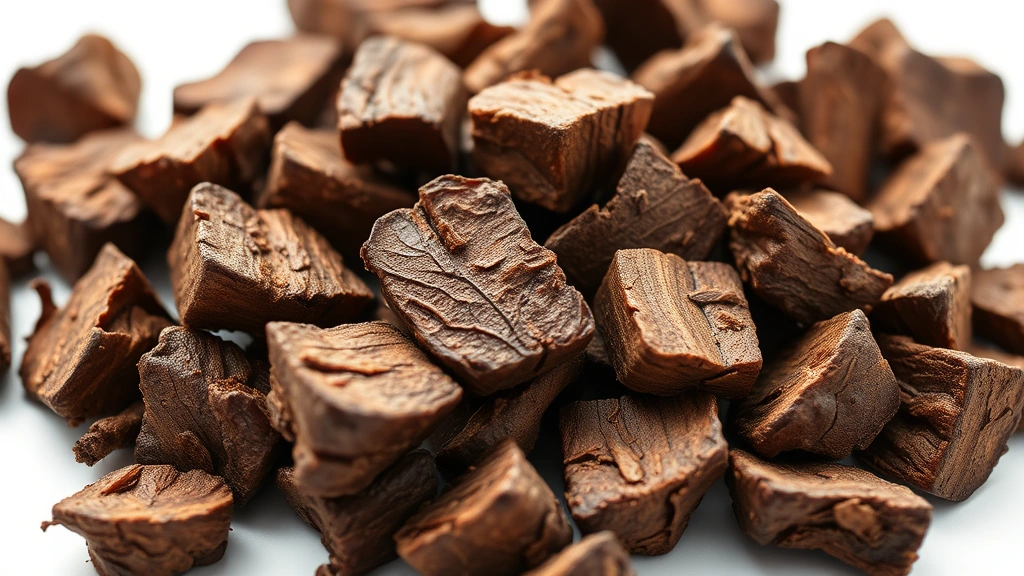
Set your oven to 300°F and roast for about 2-3 hours, stirring every 30 minutes. You’re looking for the roots to turn dark brown—almost like instant coffee grounds. They should snap cleanly when bent and feel completely dry. If they’re still flexible or moist inside, they need more time. The aroma will shift from earthy to rich and toasty, which is your cue you’re getting close to done. Once roasted, let them cool completely before grinding or storing. Some people prefer a coarser grind, while others go fine—experiment to find your preference.
Five Easy Brewing Steps
Step 1: Measure Your Tea Start with about 1 teaspoon of roasted, dried dandelion root per 8 ounces of water. If you prefer a stronger brew, add another half teaspoon. This ratio gives you a balanced flavor without being too intense.
Step 2: Heat Your Water Bring fresh, filtered water to a rolling boil in your kettle. Using filtered water prevents mineral buildup and gives you cleaner flavor. Some people use 205°F water instead of a full boil to preserve delicate compounds, but honestly, a boil works fine for dandelion root.
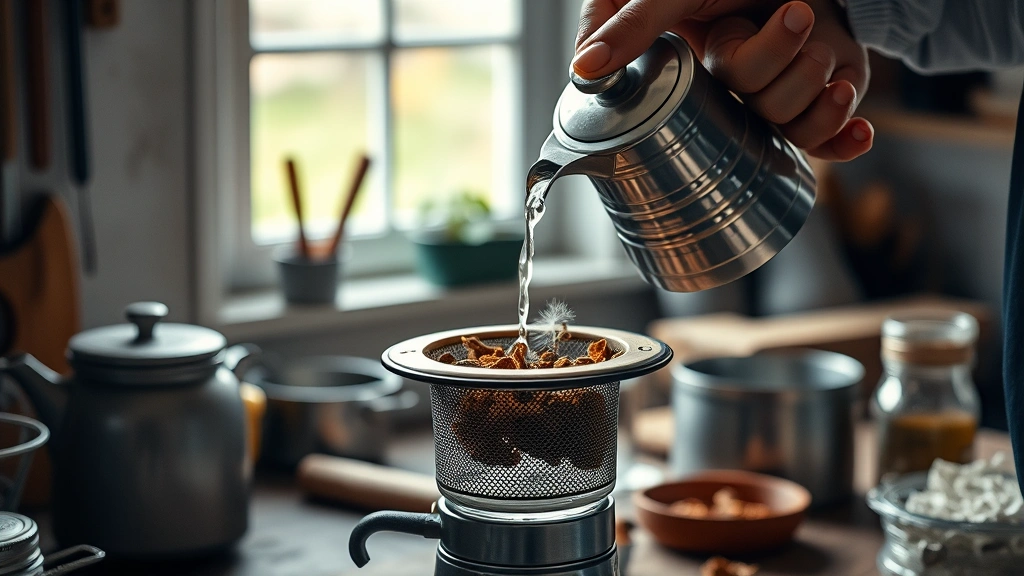
Step 3: Add Your Root Pour the hot water over your measured dandelion root in your cup, teapot, or infuser. If you’re using loose root pieces, pour directly into your cup and use a fine-mesh strainer when drinking, or use a dedicated infuser basket to keep things tidy.
Step 4: Steep for 5-10 Minutes Let the tea steep while you settle in. Five minutes gives you a lighter brew; ten minutes creates something richer and more robust. Cover your cup with a lid or saucer to trap heat and prevent volatile oils from escaping.
Step 5: Strain and Enjoy Pour through a fine strainer into your favorite mug. Drink it plain, or add honey, a splash of milk, or a cinnamon stick for extra flavor. Some folks love it with a squeeze of lemon, which brightens the earthy notes beautifully.
Flavor Variations to Try
Once you’ve mastered the basic dandelion tea recipe, it’s time to get creative. I love adding a piece of fresh ginger root during brewing—it adds warmth and cuts through the earthiness. A pinch of cinnamon or a star anise pod transforms the whole experience into something that feels more dessert-like. If you want something sweeter, honey is your friend, though I find the natural flavor complex enough on its own.
You can also blend dandelion root with other dried herbs. Pair it with dried chicory root for an even deeper, more coffee-like flavor. Add dried apple pieces for subtle sweetness, similar to how you’d enhance aebleskiver recipe preparations with complementary ingredients. Some adventurous brewers combine dandelion with roasted barley or rye for a heartier beverage. The key is starting with small additions and tasting as you go—you can always add more flavor, but you can’t take it back.
Storage Tips for Longevity
Roasted dandelion root stays fresh for months when stored properly. Keep it in an airtight container—glass jars with tight-sealing lids work perfectly—away from direct sunlight and heat. A cool, dark cupboard is ideal. Avoid storing near the stove or in humid areas like above the sink. If you’ve ground your roots into a fine powder, they’ll oxidize faster, so use ground tea within a month or two for best flavor.
If you’ve harvested and roasted a large batch, you can also freeze portions in airtight freezer bags. This extends shelf life significantly and keeps the flavor locked in. When you’re ready to brew, just pull out what you need and use it straight from the freezer—no thawing required. I like to label my containers with the date and roasting batch so I know exactly what I’m using.
Health Benefits Breakdown
Dandelion root contains inulin, a prebiotic fiber that feeds beneficial bacteria in your gut. This means regular dandelion tea consumption can support digestive health and overall gut function. The roots are also rich in antioxidants, particularly polyphenols, which help combat oxidative stress in your body. Many traditional herbalists recommend dandelion tea for liver support, though scientific research on this is still developing.
The mineral content is impressive too—you’re getting potassium, manganese, iron, and zinc from each cup. These minerals support bone health, energy production, and immune function. Some people report improved digestion, clearer skin, and better energy levels after incorporating dandelion tea into their routine. Of course, everyone’s body responds differently, so pay attention to how you feel and adjust your consumption accordingly.
Common Brewing Mistakes
The most common mistake I see is under-roasting the roots. If they’re still pale or soft, they’ll taste bitter and grassy rather than pleasant and complex. Push that roasting time a bit longer—dark brown is what you’re after. Another issue is using water that’s too cool. Dandelion root needs proper heat extraction, so stick with boiling or near-boiling water.
Over-steeping can also create an unpleasantly bitter cup. Stick to the 5-10 minute window I mentioned. If you’re finding your tea too strong, reduce the amount of root rather than cutting steeping time short. Also, make sure your roots are completely dry before storing—any residual moisture invites mold and degradation. Finally, don’t skip the cooling step after roasting. Putting hot roots directly into a sealed container traps steam and ruins your batch.
Frequently Asked Questions
Can I use dandelion leaves instead of roots?
You can, but the flavor and benefits differ significantly. Leaves make a lighter, more grassy tea with less of that coffee-like quality. They’re better used fresh or lightly dried and steeped for just 3-5 minutes. Roots provide the deeper, more complex flavor profile most people prefer for a tea they’ll drink regularly.
Is dandelion tea safe for everyone?
Dandelion tea is generally safe for most adults, but pregnant women, nursing mothers, and people with certain medical conditions should consult their healthcare provider first. If you’re allergic to ragweed or related plants, you might have a sensitivity to dandelion. Start with small amounts to see how your body responds.
How much dandelion tea can I drink daily?
Most herbalists suggest 1-3 cups per day as a safe amount. Some people drink it regularly without issues, while others find that more than one cup causes digestive changes. Listen to your body and adjust accordingly. If you’re new to dandelion tea, start with one cup daily and see how you feel.
Can I buy pre-roasted dandelion root?
Absolutely. Many health food stores, online retailers, and specialty tea shops sell pre-roasted dandelion root. This saves you time and effort, though it costs more than harvesting and roasting your own. Just make sure you’re buying from reputable sources that test for contaminants.
What does dandelion tea taste like?
Most people describe it as earthy with subtle coffee-like notes, but less bitter than coffee. There’s a slight sweetness underneath, and the flavor develops complexity the longer you steep it. It’s definitely an acquired taste for some, which is why adding honey, spices, or other herbs helps many people enjoy it more.
Can I mix dandelion tea with other beverages?
Yes! Many people blend cooled dandelion tea with fruit juices, add it to smoothies, or mix it with milk for a creamy version. You can also combine it with other herbal teas—it pairs nicely with chamomile for a relaxing evening blend or with peppermint for a more refreshing daytime option. Explore what works for your palate.
Final Thoughts on Dandelion Tea
Making your own dandelion tea recipe is a rewarding DIY project that connects you to traditional herbalism while giving you a practical, delicious beverage. Whether you’re harvesting from your yard, sourcing dried roots, or experimenting with roasting techniques, you’re taking control of what goes into your body and how it’s prepared. The process itself becomes meditative—from digging roots to roasting to steeping that first perfect cup.
Start simple with the basic five-step brewing method, then branch out into flavor variations and storage techniques once you’ve found your rhythm. If you enjoy experimenting with recipes and flavors, you might also appreciate trying banana fritters recipe variations or exploring aroma rice cooker recipes for other creative kitchen projects. And if you’re sourcing fresh ingredients from your garden, knowing how to wash eggs and other produce properly ensures everything you use is clean and safe.
The beauty of a dandelion tea recipe is its simplicity and accessibility. You don’t need fancy equipment, expensive ingredients, or special skills. Just patience, attention to detail, and a willingness to try something different. Before long, you’ll have a reliable, homemade wellness ritual that costs pennies per cup and tastes infinitely better than anything store-bought. That’s the real craft of DIY herbalism.


