
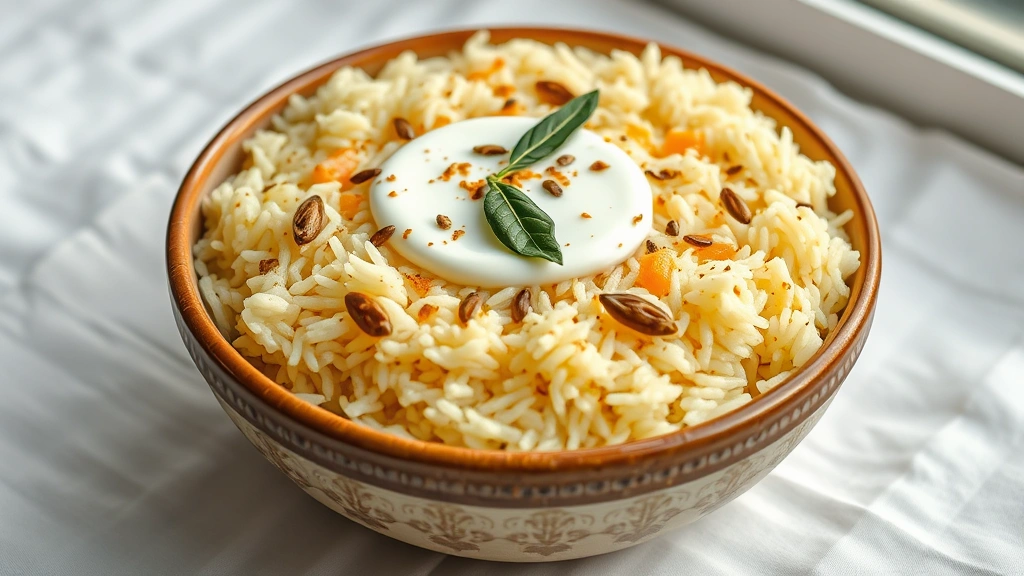
A curd rice recipe is one of those kitchen staples that seems intimidating until you actually make it—then you realize it’s dead simple and absolutely delicious. This South Indian comfort dish, known as Thayir Sadam, combines fluffy rice with tangy yogurt and a handful of seasonings to create something that’s both soothing and satisfying. Whether you’re looking for a quick lunch, a light dinner, or a side dish that pairs with almost anything, this guide will walk you through making perfect curd rice every single time.
Table of Contents
What Is Curd Rice?
Curd rice is a traditional South Indian dish that’s been feeding families for generations. It’s essentially cooked rice mixed with yogurt (curd), seasoned with mustard seeds, curry leaves, and a touch of ginger. The beauty of this dish lies in its simplicity—you’re not doing anything fancy or complicated, just combining quality ingredients in the right way. Think of it as the Indian equivalent of comfort food; it’s mild enough for someone recovering from illness, yet flavorful enough to satisfy anyone’s appetite. The yogurt adds a cooling element, making this dish perfect for warm weather, while the tempering (the quick-fried spices) brings warmth and depth to every bite.
Ingredients You Need
Here’s what you’ll gather before you start. You’ll need 2 cups of cooked rice (day-old rice works best because it’s less sticky), 1 cup of plain yogurt (full-fat tastes better), 1 teaspoon of mustard seeds, a handful of curry leaves, 1 small piece of ginger (minced), 2-3 green chilies (slit lengthwise), 1/4 teaspoon of turmeric powder, salt to taste, 2 tablespoons of oil or ghee, and a pinch of asafetida (hing) if you have it. That’s genuinely it. No exotic ingredients, nothing you can’t find at any grocery store. The quality of your yogurt matters more than anything else—use a good, tangy yogurt rather than the sweet, flavored kind.
Five Easy Steps to Perfect Curd Rice
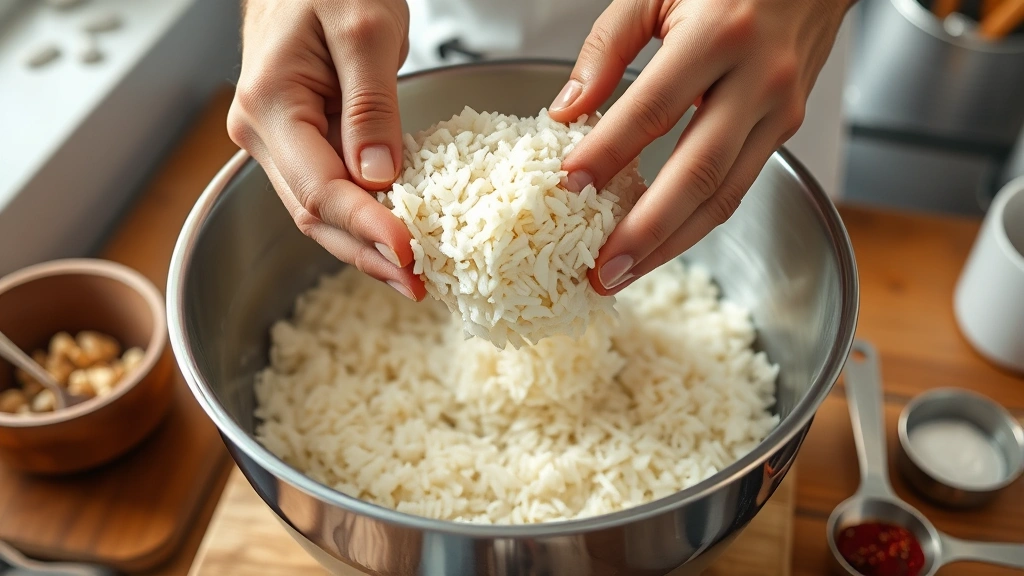
Let’s break down the process so there’s zero confusion. Step One: Take your cooked rice and make sure it’s cooled to room temperature. If you’re using freshly cooked rice, spread it on a plate and let it cool for 10-15 minutes. Warm rice will make the yogurt separate and get watery. Step Two: In a large mixing bowl, whisk your yogurt until it’s smooth and creamy. Add the turmeric powder and salt, then mix well. Step Three: Add the cooled rice to the yogurt mixture and gently fold it in using a spatula or large spoon. Don’t mash the rice; you want to keep the grains separate and intact. Step Four: Mince your ginger and slit your green chilies. Set them aside along with the curry leaves. Step Five: Heat oil in a small pan over medium heat and prepare for the tempering step, which we’ll cover next.
The Tempering Magic
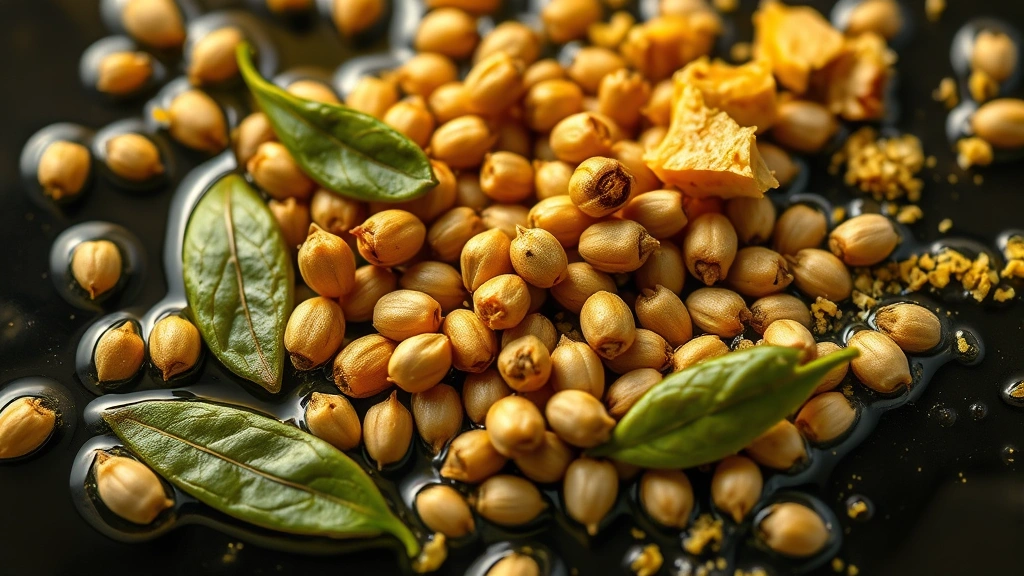
This is where curd rice transforms from boring to brilliant. Heat 2 tablespoons of oil or ghee in a small pan until it’s shimmering. Add the mustard seeds and let them crackle—this takes about 20-30 seconds. Once they start popping, add the curry leaves, minced ginger, and green chilies. Fry for another 30 seconds until the ginger is fragrant and the curry leaves are crispy. If you have asafetida, add a tiny pinch (seriously, just a pinch—it’s potent). Pour this entire tempering mixture, oil and all, over the rice and yogurt mixture. Fold it in gently but thoroughly so the flavored oil coats every grain. This step is non-negotiable; it’s what gives curd rice its signature taste and aroma.
Flavor Variations Worth Trying
Once you’ve mastered the basic recipe, you can get creative. Add finely diced cucumber and carrot for crunch and freshness. Roasted peanuts or cashews add texture and richness. Some people stir in fresh coriander leaves at the end for extra brightness. If you like heat, increase the green chilies or add a pinch of black pepper. For a richer version, mix in a tablespoon of ghee after tempering. You can even add roasted cumin seeds to the tempering for a slightly different flavor profile. The arroz con pollo recipes we’ve covered before show how rice dishes can be endlessly customizable—curd rice is the same way. Make it your own.
Storage Tips for Leftovers
Curd rice keeps well in the refrigerator for up to 2-3 days in an airtight container. The yogurt acts as a natural preservative, and the cool temperature keeps everything fresh. Don’t freeze curd rice; the yogurt separates when thawed and the texture becomes grainy. If your leftover curd rice seems a bit thick, thin it out with a spoonful of yogurt before serving. You can eat it cold straight from the fridge, or let it come to room temperature before serving. Some people like to add a splash of milk to their leftovers to restore creaminess. Pro tip: make a big batch on Sunday and portion it out for easy lunches throughout the week.
Troubleshooting Common Issues
If your curd rice turns out watery, you used warm rice or the yogurt was too thin. Next time, cool your rice completely and use thick, full-fat yogurt. If it’s too thick and clumpy, you either didn’t fold gently enough or your rice was too old. Add a tablespoon of yogurt and fold again to loosen it up. If the tempering tastes burnt, your oil was too hot or you left the spices in too long. Use medium heat and watch carefully—the mustard seeds should crackle, not blacken. If the dish tastes bland, you need more salt or the yogurt wasn’t tangy enough. Taste as you go and adjust seasonings accordingly. If you’re getting a separated, oily appearance, your rice was too warm when you mixed it in. Always start with cooled rice.
What to Serve With Curd Rice
Curd rice is versatile and pairs beautifully with many dishes. Serve it alongside a spicy curry to balance the heat—the cool yogurt is perfect for taming fiery flavors. It works great with fried vegetables, dal, or sambar. You can pair it with pickles for extra tang, or serve it with a simple tomato-based curry. Some people enjoy curd rice with grilled vegetables or roasted proteins. If you’re exploring Indian cuisine, check out our carajillo recipe for a different flavor experience. For meal prep, curd rice is a complete dish on its own—add some roasted vegetables and you’ve got lunch sorted. The mild nature of curd rice makes it a safe bet for serving to guests with varying spice tolerances.
Frequently Asked Questions
Can I use Greek yogurt instead of regular yogurt?
Greek yogurt is thicker and tangier, so it’ll work but the texture will be different—more creamy and less flowing. If you use it, add a tablespoon or two of milk to get the right consistency. Regular plain yogurt is your best bet for authentic curd rice.
How do I know if my rice is cooled enough?
Touch it with your clean hand. It should feel cool to the touch, not warm. If you’re in a hurry, spread the rice on a wide plate or baking sheet—it cools faster with more surface area exposed.
Can I make this with brown rice or other rice varieties?
Absolutely. Brown rice, basmati, jasmine—they all work. The cooking time might differ, but the curd rice recipe itself stays the same. Just make sure whatever rice you use is fully cooked and cooled before mixing.
Is asafetida really necessary?
No, it’s optional. Asafetida adds a savory, umami depth that’s traditional in South Indian cooking, but curd rice tastes great without it. If you don’t have it, skip it. If you do have it, use sparingly—a tiny pinch goes a long way.
Can I prepare the tempering ahead of time?
You can prepare the ingredients ahead, but the tempering itself should be done fresh and poured over the rice while it’s still warm. The hot oil is what brings out the flavors of the spices and distributes them evenly.
What’s the difference between curd rice and yogurt rice?
They’re the same thing. In India, yogurt is called curd, so curd rice and yogurt rice refer to the identical dish. The term varies depending on region and language.
Final Thoughts
Making a curd rice recipe is one of those kitchen skills that pays dividends. It’s quick (takes about 15 minutes), uses ingredients you probably already have, and produces something genuinely delicious. The five easy steps we’ve covered will get you a perfect result every single time. Start with the basic version, nail it, then experiment with variations. Whether you’re cooking for yourself, your family, or guests, curd rice is the kind of dish that makes people feel cared for. It’s light enough for a summer lunch, comforting enough for any day, and flexible enough to work with whatever else you’re cooking. Once you’ve made it a few times, you won’t need to think about it—it’ll become automatic kitchen knowledge. That’s when you know you’ve truly mastered a recipe.
For more rice-based dishes and cooking inspiration, explore our collection of recipes that celebrate the versatility of rice as a foundation ingredient. Whether you’re interested in how long it takes to smoke a pork butt for a complete meal or how to keep apples from turning brown for side dishes, we’ve got guidance on building complete, satisfying meals. And if you ever need quick cleanup tips after cooking, our guide on removing tough stains from clothes has got your back.


