
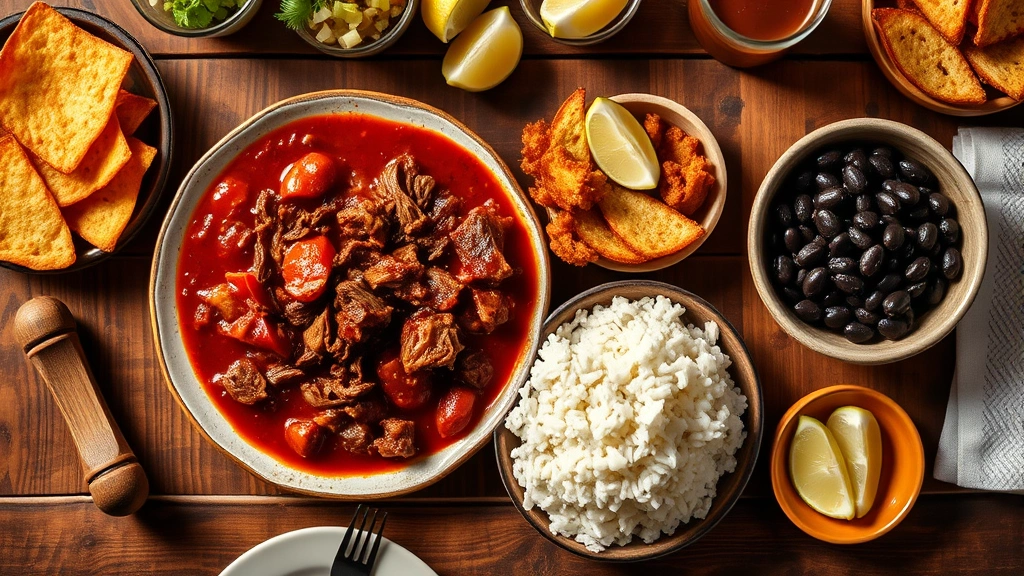
Learning authentic Cuban recipes is like unlocking the flavor vault of the Caribbean—bold, vibrant, and unapologetically delicious. Whether you’re craving the slow-cooked comfort of ropa vieja or the crispy perfection of tostones, mastering these 10 essential dishes will transform your kitchen into a Cuban cooking powerhouse. This isn’t fancy restaurant stuff that requires fancy equipment; it’s honest, soulful food that’s been perfected over generations. Grab your apron, because we’re diving into the real deal.
Table of Contents
Ropa Vieja: Shredded Beef
Ropa vieja literally means “old clothes” in Spanish, and once you see the shredded beef falling apart in a rich tomato and pepper sauce, you’ll understand why. This is the heavyweight champion of Cuban recipes, and honestly, it’s easier to make than you’d think. You’re looking at a low-and-slow braise where a tough cut of beef transforms into silk through patience and proper technique.
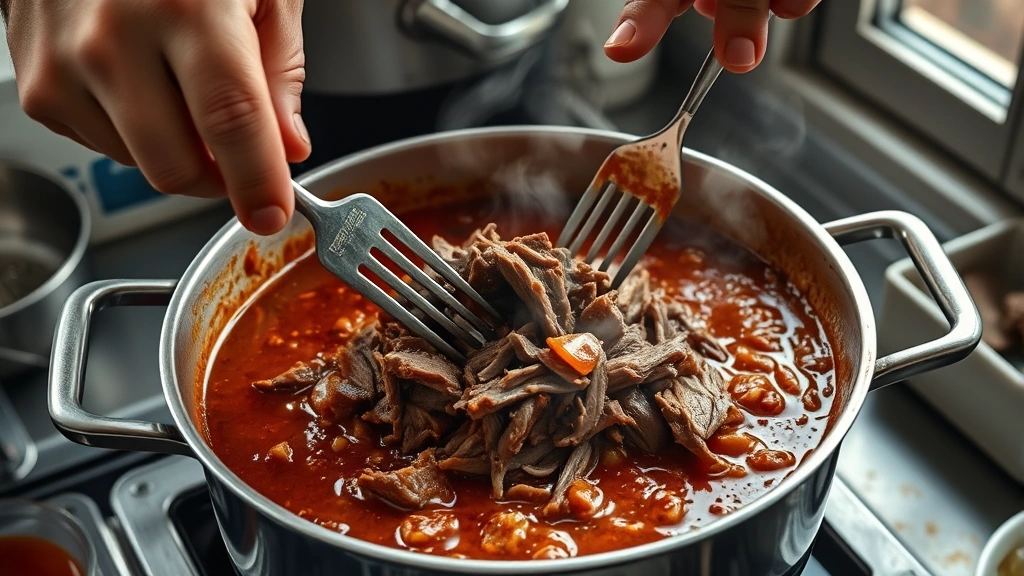
Start with a 3-4 pound flank or chuck roast. Brown it hard on all sides in a heavy pot—don’t skip this step, it builds flavor. Remove the meat and sauté your soffritto base: diced onions, bell peppers (red and yellow work great), and garlic. Add tomato paste, let it caramelize slightly, then deglaze with beef broth. Return the meat, add bay leaves and cumin, cover, and let it braise low and slow for 3-4 hours until it shreds with a fork. The magic happens when you shred it right in the pot, letting those strands soak up all that sauce. Serve over white rice and watch people lose their minds.
Black Beans & Rice
You can’t talk about Cuban recipes without giving proper respect to the foundation: black beans and rice. This isn’t a side dish—it’s the backbone of Cuban cuisine, and getting it right matters. The black beans recipe is straightforward but requires attention to seasoning and texture.
If you’re using dried beans, soak them overnight, then simmer with bay leaves, garlic, and a ham hock or bacon for deep flavor. The cooking liquid is crucial—it should reduce to a thick, creamy consistency. For the rice, cook it separately in a 2:1 water-to-rice ratio with a bit of olive oil and garlic. Some folks mix them together (that’s called “moros y cristianos”), others serve them side-by-side. Either way, the combination of earthy beans and fluffy rice is the perfect canvas for everything else you’re making.
Tostones: Crispy Plantains
Tostones are fried plantain slices that are flattened and fried twice—once to cook them through, once to crisp them up. They’re addictive, crunchy, and honestly one of the best vehicles for mojo sauce you’ll ever encounter. Green plantains work best here; they’re starchy and less sweet than ripe ones.
Peel the plantains and slice them at an angle about 1-inch thick. Heat oil to 350°F and fry the slices for about 3-4 minutes until they’re soft but not brown. Remove them, place each slice between two pieces of plastic wrap, and flatten them with a heavy pan or tostonera (a specialized press). Return them to the oil at 375°F for another 2-3 minutes until they’re golden and crispy. Drain on paper towels and hit them with sea salt immediately. These are best eaten fresh, but they’ll keep in an airtight container for a couple days if you reheat them in the oven.
Mojo Marinated Pork
Mojo is the soul of Cuban cooking—a bright, garlicky citrus marinade that wakes up any protein. For pork, you’re looking at a cut like pork shoulder or a whole pork loin that can handle a good marinade and some time in the oven. The caipirinha recipe uses similar citrus principles, though mojo is its own beast entirely.
Make your mojo by blending fresh garlic (lots of it), fresh orange juice, lime juice, olive oil, cumin, and oregano. The ratio should be about 1 cup citrus to 1/2 cup oil. Coat your pork thoroughly and let it sit for at least 4 hours, preferably overnight. Roast it at 375°F until the internal temperature hits 160°F, basting occasionally with the marinade. The result is tender, juicy pork with a crispy exterior and complex flavor that makes people ask for your secret. (Spoiler: there is none, just good ingredients and patience.)
Picadillo: Ground Beef
Picadillo is ground beef cooked with tomatoes, olives, and raisins—a sweet-savory combination that sounds weird until you taste it, then you understand why it’s been a Cuban staple forever. It’s comfort food at its finest, served over rice or stuffed into empanadas.
Brown 2 pounds of ground beef with diced onion and garlic. Add tomato sauce, beef broth, and a good pinch of cumin. Here’s where it gets interesting: add about 1/2 cup of green olives (pitted and halved) and 1/4 cup of raisins. Let it simmer for 20-30 minutes until the flavors marry and the sauce reduces slightly. The sweetness of the raisins balances the saltiness of the olives, and the whole thing becomes greater than the sum of its parts. Season with salt and pepper to taste.
Ceviche: Seafood Classic
Ceviche is raw fish “cooked” in citrus juice—a refreshing, light dish that’s perfect for hot days and showcases the quality of your seafood. In Cuban cuisine, it’s often made with grouper or snapper, but any firm white fish works. The acid in the lime and orange juice denatures the proteins, creating that cooked texture without heat.
Use sushi-grade fish cut into small cubes. Toss it with fresh lime juice and let it sit for 15-20 minutes. Drain most of the liquid, then add diced red onion, cilantro, jalapeño, avocado, and a touch of orange juice. Season with salt and a drizzle of good olive oil. Serve it cold with crispy tortilla chips or on a bed of lettuce. The key is using the freshest fish possible and not letting it sit too long in the acid or it’ll get mushy.
Flan: Dessert Custard
Flan is a silky custard dessert with a caramel sauce that’s been part of Cuban cuisine for centuries. It looks fancy, but it’s surprisingly forgiving if you understand the basic technique: custard + caramel + water bath = magic.
First, make your caramel by melting sugar in a heavy saucepan over medium heat, swirling (don’t stir) until it’s deep amber. Quickly coat the bottom of a flan dish or ramekins. For the custard, whisk together eggs, sweetened condensed milk, evaporated milk, vanilla, and a pinch of salt. Pour it over the caramel and set the dish in a water bath. Bake at 350°F for 40-50 minutes until the custard is set but still slightly jiggly in the center. Chill overnight—this is important because the flan sets more as it cools and the caramel becomes sauce. Run a knife around the edge and invert onto a plate to serve.
Cuban Sandwich
The Cuban sandwich (or “Cubano”) is a pressed sandwich with roasted pork, ham, Swiss cheese, pickles, and mustard on Cuban bread. It’s straightforward in concept but requires good ingredients and proper technique to nail.
Layer your Cuban bread (or a good hoagie roll) with thin slices of mojo-roasted pork, quality ham, Swiss cheese, and dill pickle slices. Spread yellow mustard on the top piece. Heat a panini press or cast iron skillet and butter the outside of the sandwich. Press it for 3-4 minutes per side until the bread is golden and crispy and the cheese is melted. The key is not pressing too hard—you want the bread to crisp, not compress into a hockey puck. Serve immediately with a cold beer.
Congri: Rice & Beans Mixed
Congri is basically black beans and rice cooked together in one pot, creating a more integrated dish than serving them separately. It’s a staple in Cuban homes and a great way to understand how flavors combine in Cuban cooking.
Cook your soffritto base (onions, garlic, bell pepper) in olive oil until soft. Add your cooked black beans with some of their cooking liquid, then add rice and the appropriate amount of water. Season with bay leaves, cumin, and a touch of oregano. Simmer covered until the rice is tender and has absorbed the liquid, about 20 minutes. The result is a cohesive dish where every grain of rice is kissed by bean flavor. It’s comfort food that’s also technically a complete protein.
Arroz con Pollo
Arroz con pollo is chicken and rice cooked together in a single pot with tomatoes, peppers, and olives. It’s a one-pot meal that’s perfect for feeding a crowd and requires minimal cleanup. This is the kind of dish that tastes better the next day, so don’t hesitate to make it ahead.
Brown chicken pieces (thighs and legs work best) in olive oil, then remove them. Sauté soffritto, add tomato sauce and broth, then return the chicken. Add rice, green olives, peas, and a pinch of saffron if you’re feeling fancy (it adds color and subtle flavor). Cover and simmer for about 25-30 minutes until the rice is tender and the chicken is cooked through. The rice absorbs all the chicken and vegetable flavors, making every bite taste like home cooking at its finest. Check out the cajun rice recipe for comparison techniques on rice cooking methods.
Frequently Asked Questions
What’s the difference between Cuban and Spanish food?
Cuban cuisine has Spanish roots but evolved independently with African, Caribbean, and American influences. While Spanish food emphasizes seafood and regional specialties, Cuban recipes tend toward comfort food with bold flavors, slower cooking methods, and a focus on rice, beans, and slow-roasted meats. The flavor profiles are earthier and more casual in Cuban cooking.
Can I make Cuban recipes without a lot of special equipment?
Absolutely. You need a good heavy pot, a sharp knife, and a cutting board. A food processor helps with making soffritto faster, and a panini press is nice for Cuban sandwiches, but you can use a cast iron skillet instead. Cuban cooking is about technique and ingredients, not fancy gadgets.
Where do I find Cuban ingredients?
Most Cuban staples are available at regular grocery stores: rice, beans, plantains, citrus, and basic spices. For specialty items like Cuban bread, mojo seasoning packets, or specific cuts of meat, check Hispanic markets or online specialty retailers. You can also make most things from scratch—mojo is just garlic and citrus, for example.
How long do Cuban dishes keep?
Most Cuban recipes keep well for 3-4 days in the refrigerator. Ropa vieja, picadillo, and arroz con pollo actually taste better after a day because the flavors deepen. Fried items like tostones are best fresh, but you can reheat them in a 375°F oven. Flan keeps for up to a week covered in the fridge.
What’s the best way to learn Cuban cooking?
Start with the basics: master black beans and rice, learn how to make soffritto, and understand how to properly brown meat. These foundations will serve you in almost every Cuban recipe. Cook with fresh ingredients, taste as you go, and don’t be afraid to adjust seasoning. Cuban cooking is forgiving—it’s about building layers of flavor, not precision.
For more inspiration on complementary flavors, check out the carolina bbq sauce recipe to understand how marinades and sauces work in broader cooking contexts.
Mastering Cuban Recipes Takes Time
These 10 essential Cuban recipes are your foundation for becoming confident in this cuisine. Start with one or two, get comfortable with the techniques, then expand. Cuban cooking isn’t about complexity—it’s about respecting good ingredients, understanding flavor combinations, and taking time to let dishes develop properly. Brown your meat, build your soffritto, taste constantly, and adjust seasoning as you go. Before you know it, you’ll be making meals that taste like they came straight from a Havana kitchen, and your friends will be begging for invitations to dinner. That’s the real victory here.


