
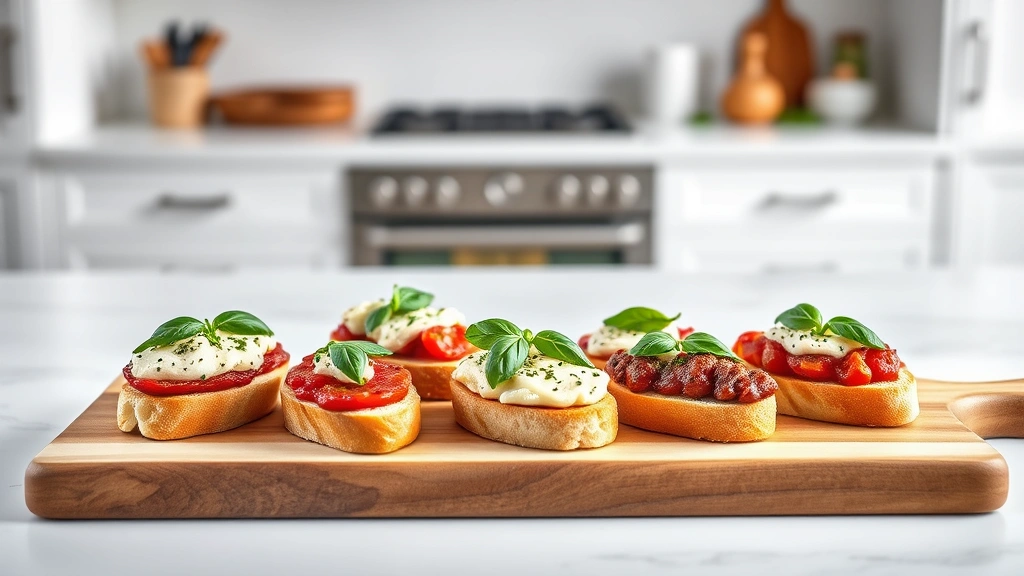
A crostini recipe is your ticket to looking like a kitchen pro without spending hours in prep work. These crispy Italian toasts topped with everything from tomatoes to cheese are the perfect appetizer for any gathering, and honestly, they’re way easier to master than most people think.
Table of Contents
Choosing the Right Bread
The foundation of any solid crostini recipe starts with bread selection. You want something with structure that won’t turn to mush under toppings. A baguette is the traditional choice—look for one that’s a day old, which makes slicing cleaner and toasting more effective. The slight staleness actually works in your favor here because fresher bread tends to get gummy instead of crispy.
Slice your baguette on a sharp diagonal at about a quarter-inch thickness. This angle gives you more surface area for toppings and creates that elegant presentation people expect. If you’re using an Arabic bread recipe or other alternatives, make sure it has enough crumb structure to support weight without collapsing.
Toasting Technique Matters
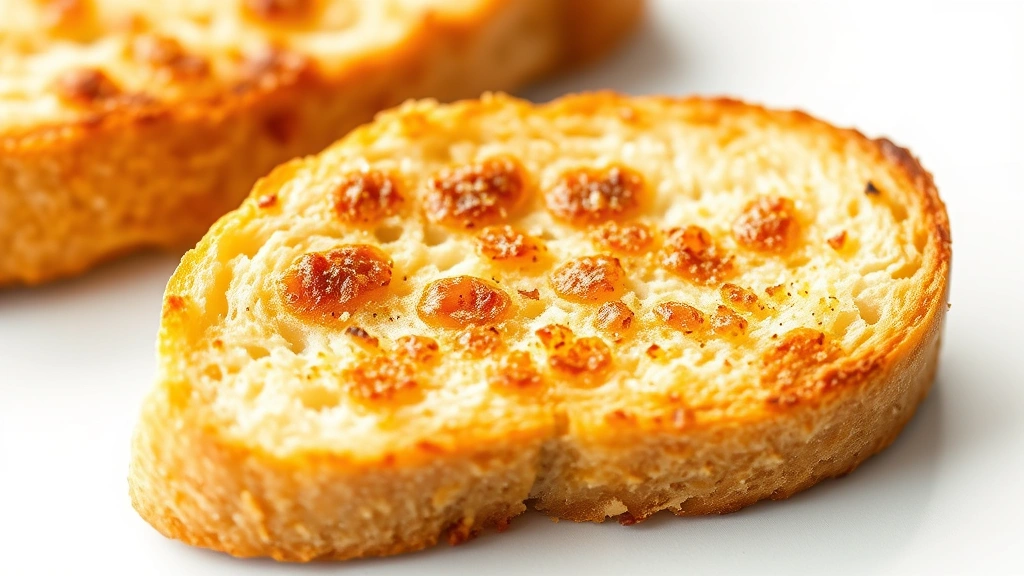
Here’s where most home cooks mess up their crostini recipe: they either under-toast and get a soggy base, or they char it black trying to compensate. The sweet spot is a 375°F oven for 8-10 minutes, depending on your oven’s personality. You’re looking for golden-brown edges with a slight crunch when you bite down.
Brush both sides lightly with olive oil before toasting—this is non-negotiable. Some people skip this step thinking they’ll save calories, but you need that oil to create the crispy texture and carry flavor. Arrange slices in a single layer on a baking sheet, toast for about 5 minutes, flip them, then finish for another 3-5 minutes until they’re uniformly golden.
Let them cool on the pan for a few minutes. They’ll crisp up even more as they cool, which is exactly what you want. If you’re making these ahead, store the cooled toasts in an airtight container—they’ll stay crispy for 2-3 days.
Classic Tomato Topping
The most iconic crostini recipe variation features tomato, and there’s a reason it’s been done this way for centuries. Start with quality canned tomatoes recipe or fresh tomatoes if they’re in season. If using fresh, dice them small and let them drain in a colander for 15 minutes to remove excess moisture—this prevents soggy crostini.
Mix your tomatoes with minced garlic, fresh basil, a splash of basil oil recipe for extra depth, salt, and pepper. Some people add a tiny bit of balsamic vinegar for complexity. The key is balancing flavors—taste as you go and don’t oversalt since the toasted bread already has some seasoning.
Add the tomato mixture just before serving. This is crucial. If you load up your crostini more than 15 minutes before guests arrive, the bread starts absorbing moisture and loses its crunch. For parties, set up the components separately and let people build their own, or assemble in batches as needed.
Creamy Cheese Bases
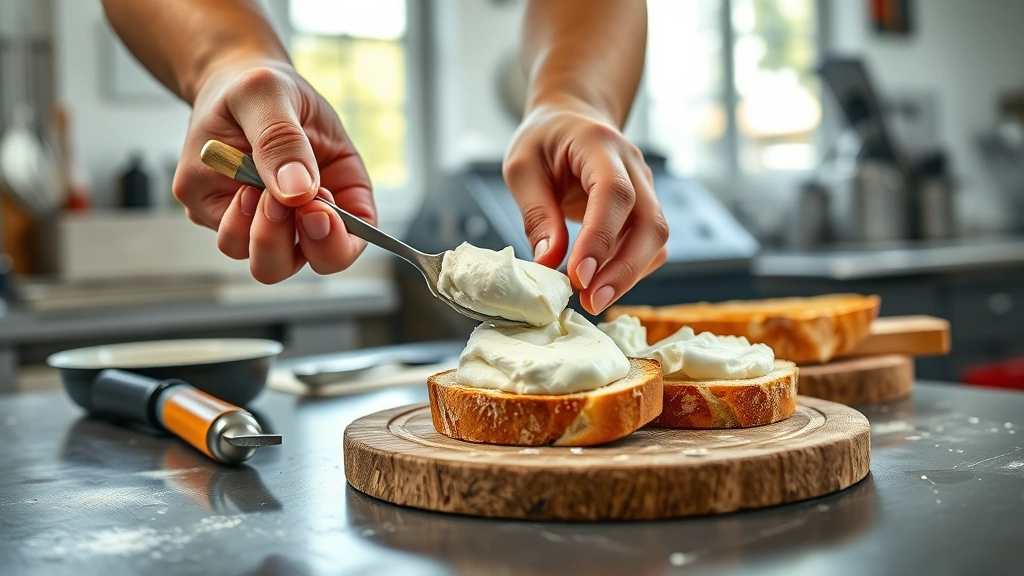
A base layer of something creamy makes your crostini recipe more substantial and prevents toppings from making the bread soggy. Creme fraiche recipe is my go-to because it’s tangy without being overwhelming, and it spreads like a dream. Apply a thin layer—you want maybe a quarter-inch—right after the toasts cool.
Ricotta is another excellent option, especially if you’re going for an Italian direction. Mix it with a touch of lemon zest and salt for brightness. Goat cheese works beautifully too, though it’s a bit more assertive in flavor. Whichever you choose, let it come to room temperature before spreading so you don’t crack the delicate toast.
Some recipes call for mascarpone, which is richer and more indulgent. A little goes a long way with mascarpone—use about half the amount you’d use with ricotta. The creaminess also pairs perfectly with savory toppings like prosciutto or roasted vegetables.
Gourmet Topping Ideas
Once you’ve mastered the basic crostini recipe, it’s time to get creative. Here are combinations that actually work:
Mediterranean Mix: Spread with 4 ingredient guacamole recipe, top with crumbled feta and a cherry tomato half. The creaminess of guacamole with salty feta is a flavor bomb.
Prosciutto and Fig: Layer thin prosciutto on creme fraiche, top with a small dollop of fig jam. The salty-sweet combo is addictive.
Roasted Vegetable: Top with brussels sprouts recipe balsamic that’s been chopped small, finish with shaved parmesan. The caramelized edges from roasting add serious depth.
Mushroom and Thyme: Sauté sliced mushrooms with garlic and fresh thyme until golden, cool slightly, pile on creme fraiche. This one feels fancy but takes maybe 10 minutes.
Olive Tapenade: Spread a thin layer of olive tapenade, top with a small mozzarella ball and fresh basil. The briny olives cut through the richness perfectly.
Assembly and Timing
The golden rule of crostini assembly is: don’t do it too early. Your bread’s crispness is the whole point, and moisture from toppings will compromise that within 20 minutes. For a dinner party, I assemble in waves—get the first batch done 10 minutes before guests arrive, then refresh with fresh batches every 15 minutes or so.
If you’re serving crostini at a buffet or cocktail party where people are grazing over a couple hours, here’s the pro move: set up a DIY station with toasted bread, 2-3 spread options, and 4-5 topping choices. People love building their own, and your bread stays crispy because nothing sits around.
For toppings that are naturally drier—like certain cheeses or cured meats—you can assemble those a bit earlier. But anything with moisture (tomatoes, pesto, sautéed vegetables) needs to go on right before serving.
Storage and Make-Ahead
The toasted bread is your make-ahead component. Cool completely, then store in an airtight container at room temperature for up to three days. Don’t refrigerate—that accelerates staleness. If your toasts soften after a day, you can re-crisp them in a 300°F oven for 3-4 minutes.
Prepare your toppings and spreads the day before. Keep them in separate containers in the fridge. The tomato mixture actually improves overnight as flavors meld. Creamy spreads like ricotta and creme fraiche are fine refrigerated for 24 hours—just bring them to room temperature before using.
Don’t assemble the full crostini more than 30 minutes before serving. If you’re doing a big event, assemble in batches and keep finished pieces on a serving platter loosely covered with a kitchen towel (not plastic wrap, which traps steam).
Serving Like a Pro
Presentation matters when you’re serving a crostini recipe to guests. Arrange them on a wooden board or slate platter at a slight angle so they lean against each other. This looks intentional and elegant, plus it helps them stay upright if someone picks one up.
Group similar varieties together rather than scattering them randomly. If you have four different topping combinations, arrange them in four clusters. This makes it easy for guests to see what’s available and grab what appeals to them.
Fresh herbs on top—even just a small basil leaf or sprig of thyme—make everything look more polished. A light dusting of fleur de sel on top adds visual interest and a flavor boost. Serve at room temperature; cold crostini taste muted and the texture isn’t as good.
Frequently Asked Questions
Can I make crostini without an oven?
Yes, you can pan-toast them. Heat a large skillet over medium-high heat, brush bread slices with oil, and toast 2-3 minutes per side until golden. Watch carefully though—they can burn quickly on the stovetop. The oven method gives more even results, but this works in a pinch.
What’s the difference between crostini and bruschetta?
Crostini are smaller, thinner slices of bread that are toasted until crispy. Bruschetta uses thicker bread slices that are grilled or toasted and often rubbed with garlic. Bruschetta is more substantial; crostini are daintier appetizers.
How long can I store assembled crostini?
About 20-30 minutes maximum before the bread starts absorbing moisture and losing crispness. If you need to store longer, keep components separate and assemble just before serving.
Can I freeze crostini?
Freeze the plain toasted bread in an airtight container for up to two months. Thaw at room temperature for 30 minutes before adding toppings. Don’t freeze assembled crostini—the moisture will ruin the texture.
What bread works best for crostini?
A day-old baguette is traditional and works beautifully. You can also use ciabatta, Italian bread, or even sourdough. Avoid soft breads like brioche or sandwich bread—they don’t get crispy enough.
Should I use olive oil or butter?
Olive oil is the authentic choice and tastes better. It also crisps the bread more effectively. Butter can work, but it’s not traditional and tends to brown too quickly in the oven.
Final Thoughts
Mastering a crostini recipe is one of those kitchen skills that pays dividends forever. You’ll use these at parties, serve them as appetizers before dinner, or just make a batch for yourself on a Tuesday because they’re that good. The technique is straightforward—good bread, proper toasting, quality toppings, and smart timing. Start with the classic tomato version to nail the basics, then branch out into your own combinations. Once you understand the formula, you can build endless variations based on what’s in your kitchen and what your guests love. That’s when you stop following recipes and start being the person everyone asks for the crostini.


