
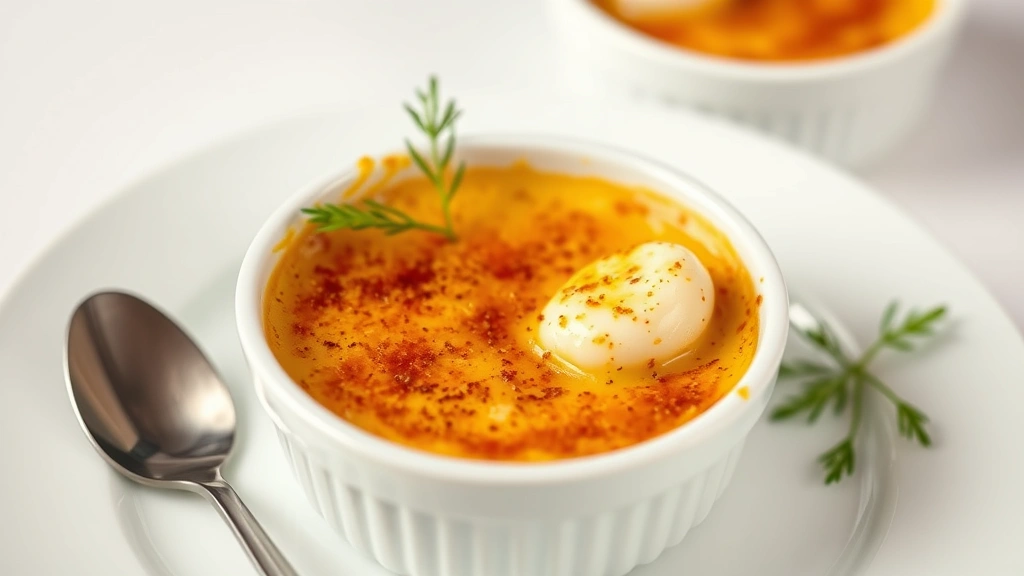
A crab brulee recipe is your ticket to impressing dinner guests with restaurant-quality seafood that’s honestly easier to pull off than you’d think. This elegant appetizer combines the richness of creamy crab with a caramelized sugar crust that cracks under your spoon—it’s the kind of dish that makes people think you spent hours in the kitchen when really, you’ve got this down to about 20 minutes of actual work.
Table of Contents
What is Crab Brulee
Crab brulee is a modern twist on the classic French dessert, except it’s savory. You’re taking sweet, tender crab meat and layering it with a creamy custard-like base—usually made with crab stock, cream, and egg yolks—then topping it all with a thin layer of sugar that you torch until it’s golden and crackly. The contrast between that caramelized crust and the silky crab filling underneath is pure magic. It’s the kind of dish that sits at that perfect intersection of fancy and doable, which is why it’s become a staple on high-end restaurant menus and in the kitchens of home cooks who want to show off a little.
Gathering Your Ingredients
Let’s talk about what you actually need to make this work. Start with fresh lump crab meat—this is non-negotiable. You want the good stuff, the big chunks that taste like the ocean decided to get fancy. Grab about 8 ounces of lump crab meat for a batch that serves four as an appetizer. You’ll also need heavy cream (1 cup), egg yolks (3), whole milk (1/4 cup), and good crab or seafood stock (1/2 cup). For seasoning, grab kosher salt, white pepper, Old Bay seasoning, and a touch of cayenne if you like heat. Fresh lemon juice is essential—about a tablespoon. For the brulee topping, you’ll need granulated sugar (about 2 tablespoons per ramekin), and if you want to get creative, try pairing it with sides like best pickled onions recipe for brightness or apple compote recipe for subtle sweetness.
Equipment You’ll Need
You don’t need much, but what you do need matters. Grab four 4-ounce ramekins or shallow ceramic dishes—these are your canvas. You’ll need a kitchen torch (the kind you’d use for crème brûlée works perfectly), a mixing bowl, a whisk, a fine-mesh strainer for sifting the crab meat, and a shallow water bath pan for baking. A thermometer helps, especially when you’re heating cream, but it’s not absolutely essential if you watch carefully. The torch is the only item that might be new to your toolkit, and honestly, once you get one, you’ll find a hundred uses for it.
Preparing the Crab Base
Start by gently warming your crab stock and heavy cream together in a saucepan—you want it steaming but not boiling. While that’s happening, whisk together your egg yolks with a pinch of salt and white pepper in a separate bowl. Slowly, and I mean slowly, pour about a third of that warm cream mixture into the egg yolks while whisking constantly. This tempering step is crucial because it prevents your eggs from scrambling. Once that’s incorporated, pour the whole mixture back into the saucepan with the remaining cream and stock, whisking constantly over low heat. Keep stirring until it thickens slightly—about 3 to 4 minutes. It should coat the back of a spoon. Remove from heat and fold in your crab meat gently, along with the lemon juice, a pinch of cayenne, and a dash of Old Bay. Taste and adjust seasoning. You want it to taste like the ocean decided to get creamy.
Layering and Chilling
Pour your crab mixture evenly into your four ramekins, filling them about three-quarters of the way up. This is where patience becomes your friend. Cover the ramekins with plastic wrap and slide them into the refrigerator for at least 2 hours, though overnight is even better. This chilling time lets the flavors meld and the custard set up properly. If you’re planning to serve these at a dinner party, you can prepare them completely up to this point and hold them in the fridge for up to 24 hours. It’s the kind of make-ahead move that takes stress out of your dinner service.
Caramelizing the Sugar
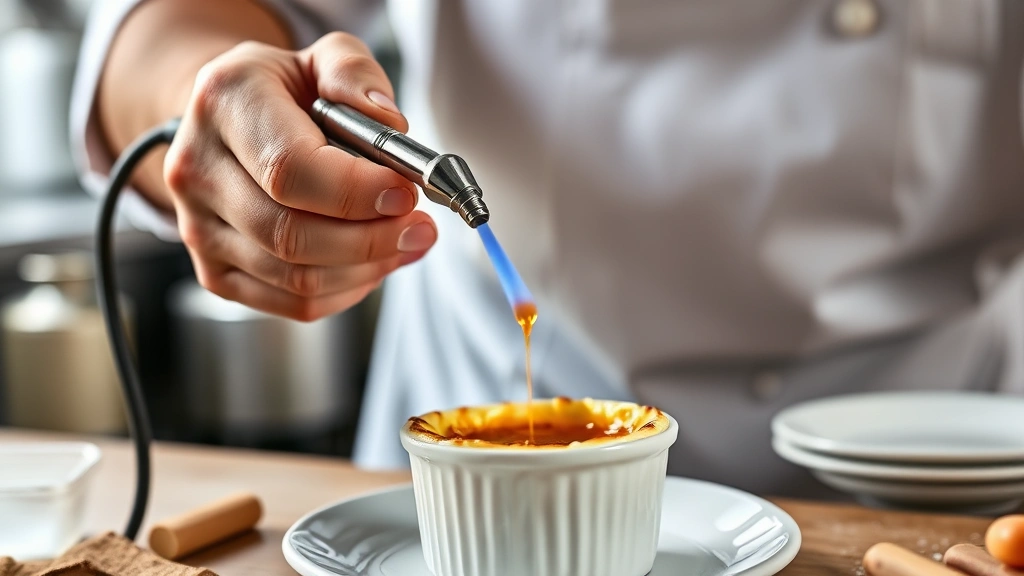
This is the showstopper moment. Take your chilled ramekins out of the fridge about 15 minutes before you plan to serve them—you want them cool but not ice-cold. Pat the surface of each ramekin dry with a paper towel (moisture is the enemy of caramelization). Sprinkle about a teaspoon of granulated sugar evenly across the top of each one. Pick up your kitchen torch, ignite it, and hold it about 2 inches from the surface of the sugar. Move it in a slow, circular motion, letting the flame kiss the sugar until it turns a deep amber color. Don’t walk away—this takes maybe 30 to 45 seconds per ramekin, and burnt sugar tastes like regret. You’re looking for that beautiful golden-brown color that tells you the sugar has caramelized and will crack when you tap it with a spoon.
Plating and Serving
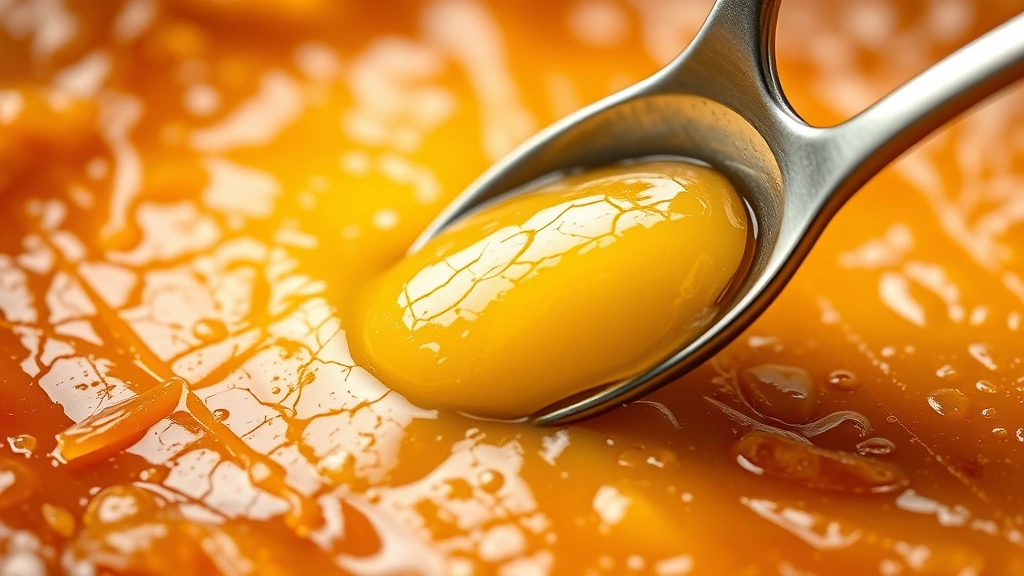
Serve your crab brulee immediately after torching—the contrast between that warm, crackling crust and the cold, creamy filling underneath is what makes this dish sing. Place each ramekin on a small plate with a soup spoon. The first crack of that caramelized top is theater, and your guests will love it. If you want to elevate the presentation, add a microgreen or two, a sprinkle of fleur de sel, or a small dollop of crème fraîche on the side. A squeeze of fresh lemon juice right before eating brightens everything up. Consider pairing with complementary flavors—if you’re doing a full tasting menu, chess bars recipe makes a nice palate cleanser afterward, or go the cocktail route with something like a cadillac margarita recipe as an aperitif.
Flavor Variations
Once you’ve nailed the basic crab brulee recipe, it’s time to play around. Try adding roasted red peppers to the base for sweetness and color. A pinch of saffron in the cream base gives it an elegant, slightly floral note. Some chefs add a layer of crispy prosciutto at the bottom for smokiness. If you want to go sweet-savory, try a touch of vanilla in the custard base—it’s subtle but works beautifully with crab. Smoked paprika instead of regular Old Bay gives everything a campfire vibe. The beauty of this dish is that it’s flexible enough to match your palate and your pantry.
Storage and Make-Ahead
The untoasted crab brulee (the filled ramekins before you hit them with the torch) keeps in the refrigerator for up to 24 hours, which is a massive advantage for entertaining. You can prep these in the morning and torch them right before serving dinner. If somehow you end up with leftovers (unlikely, but it happens), you can store the torched brulee in an airtight container in the fridge for up to 2 days, though the sugar crust will lose its crackle. The best move is to store the untoasted filling and re-torch individual portions as needed. Don’t freeze these—the custard base doesn’t take kindly to freezing and thawing.
Troubleshooting Tips
If your custard base breaks or looks grainy, you either overheated it or added the cold crab meat too quickly. Start fresh with a new batch of cream and go slower. If your sugar won’t caramelize, your torch might be too far away or too weak—move it closer and give it more time. If the sugar caramelizes unevenly, rotate the ramekin as you torch. If the custard is too thick, whisk in a tablespoon of milk or cream. Too thin? You might need to chill it longer or add another egg yolk next time. If your crab meat tastes fishy or off, that’s a sign your seafood wasn’t fresh—always buy from a reputable source and use it the same day if possible.
Frequently Asked Questions
Can I use canned crab meat instead of fresh?
You can, but it won’t be the same. Canned crab tends to be mushy and sometimes has a metallic aftertaste. If fresh lump crab isn’t available, look for pasteurized crab meat from the seafood counter—it’s not frozen, it’s fresher than canned, and it holds up much better in this dish.
What if I don’t have a kitchen torch?
You can finish these under a very hot broiler for about 2 to 3 minutes, watching carefully so they don’t burn. It won’t give you quite the same caramelization, but it’ll work in a pinch. Some people use a hot metal skewer that they’ve heated in the oven, pressing it onto the sugar to caramelize it—it’s labor-intensive but doable.
How far in advance can I make these?
The filled, untoasted ramekins keep for up to 24 hours in the fridge. Torch them right before serving for the best texture and temperature contrast. If you’re making them for a party, this is actually ideal because you can prep everything in the morning and do the fun torch part just before guests sit down.
Can I make this vegetarian or vegan?
This is fundamentally a crab dish, so vegetarian and vegan versions would be completely different recipes. That said, you could try the same technique with sautéed mushrooms or a creamy cauliflower base if you want to experiment, but it won’t be crab brulee anymore.
What wine pairs with crab brulee?
A crisp Sauvignon Blanc, Albariño, or Chablis works beautifully. If you want something with more body, try a light Pinot Grigio or even a dry Riesling. The acidity cuts through the richness of the cream and complements the crab perfectly.
How many people does this serve?
This recipe makes four appetizer-sized portions. If you’re doing a tasting menu with multiple courses, four is perfect. If this is the main event, you might want to double the recipe or serve it alongside other dishes.


