
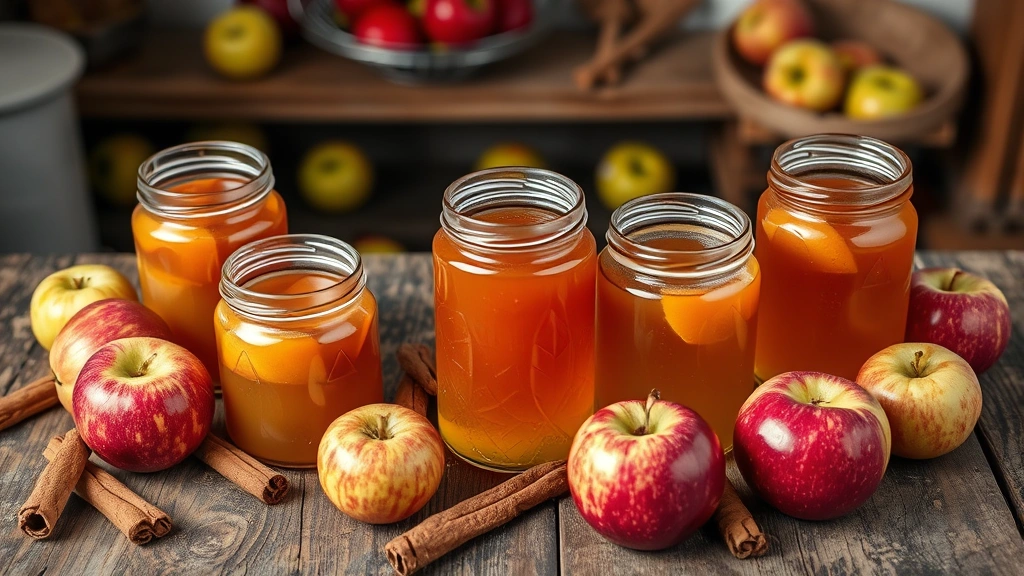
If you’ve got a crab apple tree in your yard, you’re sitting on a goldmine of culinary possibilities—and crab apple recipes are some of the most rewarding kitchen projects you can tackle. These tart little fruits might look decorative hanging from branches, but they’re packed with natural pectin and flavor that make them perfect for jams, jellies, sauces, and so much more. Whether you’re a seasoned home cook or just looking to make the most of what nature’s providing, I’ve got ten tested recipes that’ll transform your harvest into something genuinely delicious.
Table of Contents
Why Crab Apples Matter
Here’s the thing about crab apples that most people don’t realize: they’re not just ornamental. These small, hard fruits are actually the original apples—the ancestors of every big, sweet apple you buy at the grocery store. What makes them special in the kitchen is their exceptional pectin content and complex tartness. That means when you’re making jam or jelly, you don’t need to add commercial pectin. The fruit does the work for you.
The flavor profile is what really sets crab apple recipes apart. You get this bright, almost floral tartness mixed with subtle sweetness. It’s nothing like regular apples. This unique taste makes crab apples perfect for preserves, but also for savory applications like chutneys and pickles. If you’ve been letting your harvest drop on the ground every fall, you’ve been missing out.
Classic Crab Apple Jelly
This is where most people start, and for good reason. Crab apple jelly is the gateway drug to home preserving. You need about 3 pounds of crab apples, water, and sugar. That’s it.
Wash your apples and chop them roughly—don’t peel or core them, as those parts contain the pectin you need. Put them in a large pot with just enough water to cover. Simmer for about 45 minutes until the fruit is completely soft and falling apart. Strain through cheesecloth overnight (don’t squeeze it, or you’ll get cloudy jelly). Measure your juice, and for every cup of juice, add one cup of sugar. Bring to a rolling boil and cook until it reaches the gel point—that’s 220°F on a candy thermometer, or when a spoonful dropped on a cold plate wrinkles when you push it.
Pour into sterilized jars, seal with hot lids, and process in a water bath for 10 minutes. The result is a jewel-toned jelly that’s tart enough to cut through rich foods. Serve it with cheese, spread it on toast, or use it as a glaze for roasted meats.
Spiced Crab Apple Jam
If plain jelly feels too basic, spiced crab apple jam is your next move. This version brings warmth and complexity that makes it perfect for fall entertaining. You’ll need 4 pounds of crab apples, 2 pounds of sugar, the juice of 2 lemons, 2 cinnamon sticks, 4-5 whole cloves, and a small piece of fresh ginger.
Chop your apples and combine everything in a heavy-bottomed pot. Let it sit for a few hours so the fruit releases its juice. Then cook on medium heat, stirring frequently, until it reaches jam consistency—about 45 minutes to an hour. The spices will infuse the whole batch with this warm, inviting flavor that makes people ask what’s in it.
This jam is incredible on roasted pork, swirled into yogurt, or baked into thumbprint cookies. One batch will have you thinking about next year’s harvest before this year’s even done.
Crab Apple Sauce
Think applesauce, but better. Crab apple sauce is simpler than jam because you don’t need to worry about gel point. Just cook your apples down until they’re soft, then run them through a food mill to remove the skins and seeds. The result is a smooth, tart sauce that’s excellent alongside pork, duck, or rich meats.
For a basic version, cook 3 pounds of chopped crab apples with a cup of water and a cup of sugar until completely soft. Run through a food mill, then taste and adjust sweetness. You can add cinnamon, nutmeg, or a pinch of cardamom if you want to get fancy. Unlike traditional applesauce, this version has enough tartness that you don’t need lemon juice. Freeze in ice cube trays for easy portioning, or can it using standard water bath processing.
Pickled Crab Apples
Here’s where things get interesting. Whole pickled crab apples are a showstopper on a charcuterie board or as a condiment with roasted vegetables. You need small, firm apples—leave the stems on for visual appeal.
Pack whole apples into sterilized jars with cinnamon sticks, star anise, and fresh ginger slices. Make a pickling liquid with equal parts vinegar and water, adding sugar to taste (I use about 1 cup sugar per 2 cups liquid). Bring the liquid to a boil, pour over the apples, and process for 15 minutes in a water bath. They’ll be ready to eat in about a month, and they’ll keep for up to a year. The tartness of the apples plus the vinegar creates this complex, slightly sweet-sour flavor that cuts through rich foods beautifully.
Crab Apple Pie Filling
Making pie filling from scratch is easier than most people think. Peel, core, and slice about 5 pounds of crab apples. Toss with 1.5 cups sugar, 2 tablespoons cornstarch, the zest of a lemon, and a pinch of salt. Let it sit for an hour so the fruit releases its juice.
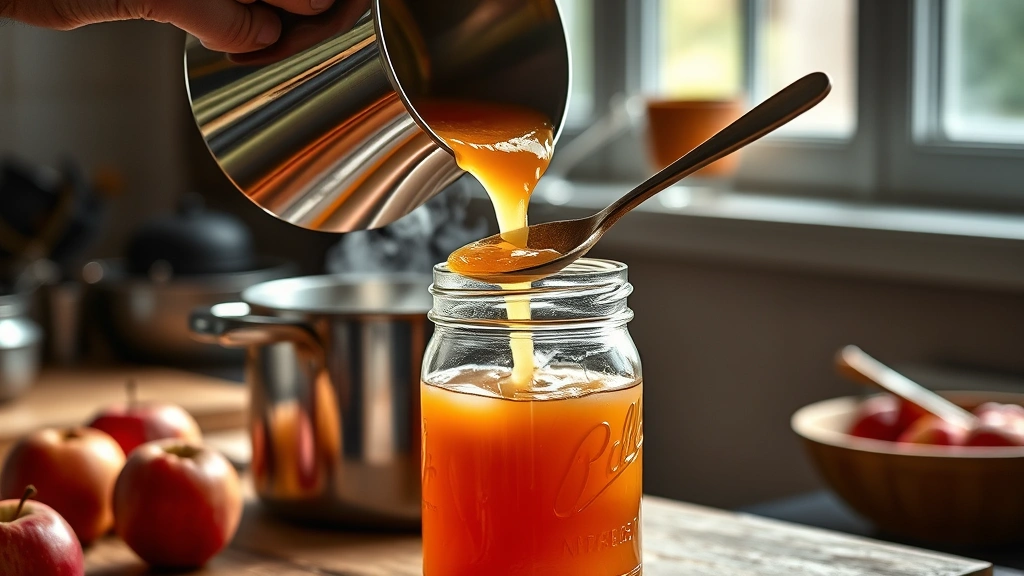
Cook this mixture on the stove over medium heat for about 15 minutes, stirring occasionally, until it thickens slightly. Cool completely, then use it in your favorite pie crust. The tartness of crab apples means you don’t need as much sugar as regular apple pie, and the natural pectin helps everything set up nicely. You can also can this filling for later use—process filled jars for 25 minutes in a water bath.
Crab Apple Butter
Apple butter is basically jam’s more sophisticated cousin. It requires longer cooking and more fruit, but the payoff is this silky-smooth spread that’s intensely flavored. You’ll need about 5 pounds of crab apples, 2 cups of cider or apple juice, 2 cups of sugar, and spices like cinnamon, cloves, and allspice.
Chop the apples and combine everything in a large pot. Simmer for 2-3 hours, stirring frequently, until the mixture is dark, thick, and smooth. The long cooking time concentrates the flavors and deepens the color. Push it through a food mill if you want it completely smooth, or leave it slightly chunky for more texture. Spread it on toast, swirl it into oatmeal, or use it as a filling for cakes and pastries.
Crab Apple Syrup
This is the recipe that makes you sound fancy at brunch. Crab apple syrup has that gorgeous jewel-tone color and complex flavor that transforms pancakes, waffles, or even cocktails. Make it by cooking down crab apple juice with sugar until it reaches syrup consistency.
Prepare your juice the same way as jelly—simmer chopped apples in water, then strain. For every cup of juice, add 1.5 cups of sugar. Cook on medium heat, stirring occasionally, until it reaches about 220°F. It should coat the back of a spoon but flow easily. Bottle it in small jars and process for 10 minutes. Unlike commercial syrup, this stuff actually tastes like fruit. You can also infuse it with vanilla, cinnamon, or even a splash of bourbon for something truly special.
Crab Apple Chutney
If you want to use your harvest in savory cooking, chutney is the answer. This spiced condiment pairs beautifully with curry, roasted meats, or cheese. Combine 4 pounds of chopped crab apples with 1 pound of diced onions, 2 cups of vinegar, 1.5 cups of sugar, and spices like ginger, mustard seed, and chili flakes.
Simmer everything together for about 90 minutes until thick and chunky. The apples will break down into the mixture, creating this gorgeous, complex condiment. Bottle it hot and process for 15 minutes. It’s the kind of thing that makes people ask for the recipe, and you get to say you made it from fruit off your own tree.
Crab Apple Juice Cordial
A cordial is basically concentrated juice that you dilute with water or sparkling water to drink. It’s perfect if you want the flavor of crab apples without the commitment of full canning projects. Make it by cooking crab apples in water until completely soft, straining the juice, and then cooking the juice down with sugar until it’s thick and syrupy.
For every cup of juice, use about 1 cup of sugar. You can add a vanilla bean, cinnamon stick, or fresh ginger while it’s cooking. The result is this beautiful, tart concentrate that keeps for months in the fridge. Serve it diluted with still or sparkling water, or even add it to cocktails. One batch makes enough for dozens of drinks, so a small harvest goes a long way.
Crab Apple Liqueur
Here’s the project that separates the serious home cooks from the casual ones. Crab apple liqueur is easier to make than you’d think, and the results are genuinely impressive. Fill a jar halfway with whole crab apples, add sugar until the jar is three-quarters full, then top it off with vodka or brandy. Seal it and let it sit in a cool, dark place for at least three months, shaking occasionally.
The fruit will soften and the alcohol will take on this gorgeous color and complex flavor. Strain it into bottles and you’ve got a homemade liqueur that costs a fraction of what you’d pay for commercial versions. Serve it as an after-dinner drink, use it in cocktails, or give it as gifts. This is the kind of project that makes you feel like you’ve really accomplished something.
For more creative beverage ideas, check out our Cointreau Margarita Recipe for inspiration on how to use homemade infusions in cocktails.
Prep and Storage Tips
Before you start any crab apple recipe, you need to think about preparation. Wash your apples thoroughly—they often have a waxy coating. Don’t worry about keeping apple slices from turning brown during prep if you’re cooking them immediately, but if you’re working in batches, a quick dip in lemon water helps. For recipes that call for peeled apples, blanching them first makes the skin slip off easily.
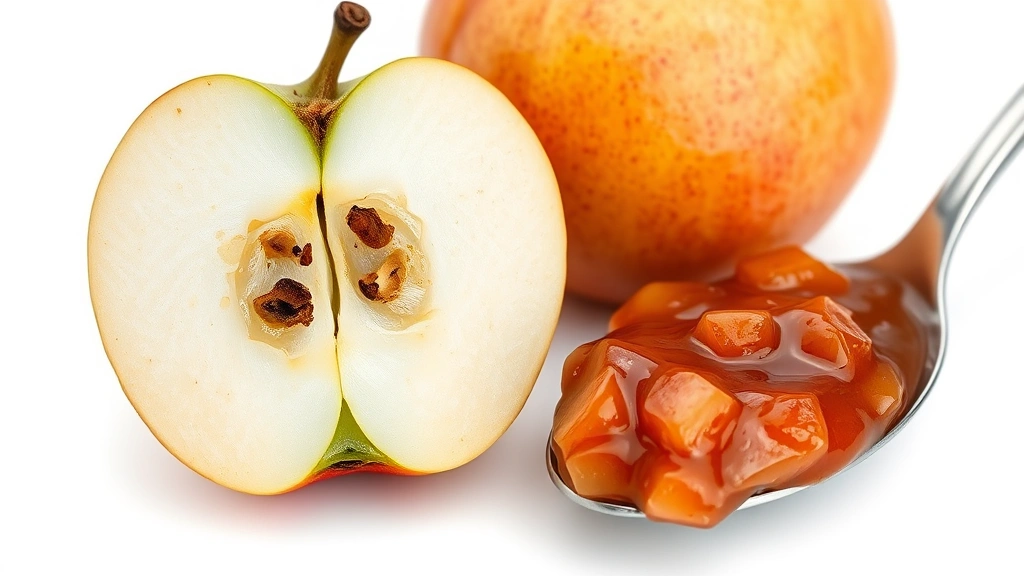
Storage depends on your recipe. Jams, jellies, and canned goods keep for up to a year in a cool, dark pantry. Frozen sauces and purees last about 8 months. Fresh pickled apples keep for up to a year in the fridge. Liqueurs actually improve with age—keep them for at least six months before opening, and they’ll last indefinitely. The key is proper sterilization of your jars and following established canning guidelines for safety.
Common Issues and Fixes
Sometimes things don’t set up the way you planned. If your jelly is too soft, you probably didn’t cook it long enough or your fruit didn’t have enough pectin. Next time, add a tablespoon of lemon juice per batch to increase acidity, which helps gel formation. If it’s too stiff and rubbery, you overcooked it—there’s not much you can do except use it as a sauce or cook it down further into a spread.
If your jam is too runny, bring it back to a boil and cook for another 10-15 minutes, checking the gel point frequently. If it’s too thick and won’t spread, warm it gently and thin with a little water. These adjustments are part of the learning process. After a couple of batches, you’ll develop an instinct for when things are ready.
Frequently Asked Questions
Can I use crab apples from ornamental trees?
Technically yes, but be cautious. Ornamental crab apples are edible, but some varieties are bred more for appearance than flavor. Taste one first. If it’s extremely bitter or unpleasant, skip it. The best crab apples for cooking are the slightly larger varieties that still have good tartness.
Do I need special equipment for canning?
For basic water bath canning, you need jars, lids, and a large pot. A canning kit with a jar lifter and bubble remover costs about $15 and makes the process safer and easier. A candy thermometer is helpful but not essential if you know how to do the cold-plate gel test.
How much yield should I expect?
This varies by recipe, but generally, 1 pound of crab apples makes about 1 cup of jelly or jam after cooking down. A 5-pound batch will give you 5-6 jars of finished product. Syrups and cordials are more concentrated, so you get more servings from the same amount of fruit.
Can I freeze crab apple recipes instead of canning?
Absolutely. Sauces, purees, and even jams freeze beautifully in freezer containers or ice cube trays. Thaw them in the fridge before using. Freezing is actually easier than canning and doesn’t require any special equipment. The downside is they take up freezer space and don’t keep as long as canned goods.
What’s the difference between jelly, jam, and butter?
Jelly is clear and smooth, made from strained juice. Jam contains fruit pieces and is thicker. Butter is the thickest and most concentrated, cooked the longest. They’re all made from the same basic process—cooking fruit with sugar—but the technique and cooking time differ.
Do I need to add pectin?
Crab apples are naturally high in pectin, so you don’t need to add it. However, if you’re mixing them with low-pectin fruits or want a guaranteed set, commercial pectin is cheap insurance. Follow package directions for best results.
How do I know if my canned goods sealed properly?
After processing and cooling completely (12-24 hours), press the center of each lid. If it’s firm and doesn’t flex, it’s sealed. If it pops back up, the jar didn’t seal and needs to be refrigerated and used within a few weeks, or reprocessed with a new lid.
Final Thoughts
Your crab apple tree is more than just a pretty yard feature—it’s a source of incredible homemade food. Whether you go with simple jelly or ambitious liqueur, these recipes show you how to turn a humble harvest into something genuinely special. Start with whichever recipe appeals to you most, and don’t stress about perfection. Home preserving is forgiving, and even if something doesn’t turn out exactly right the first time, you’ll learn something valuable for next year.
The beauty of crab apple recipes is that they force you to slow down, work with your hands, and create something that tastes nothing like anything you can buy in a store. That’s worth the effort, every single time.


