
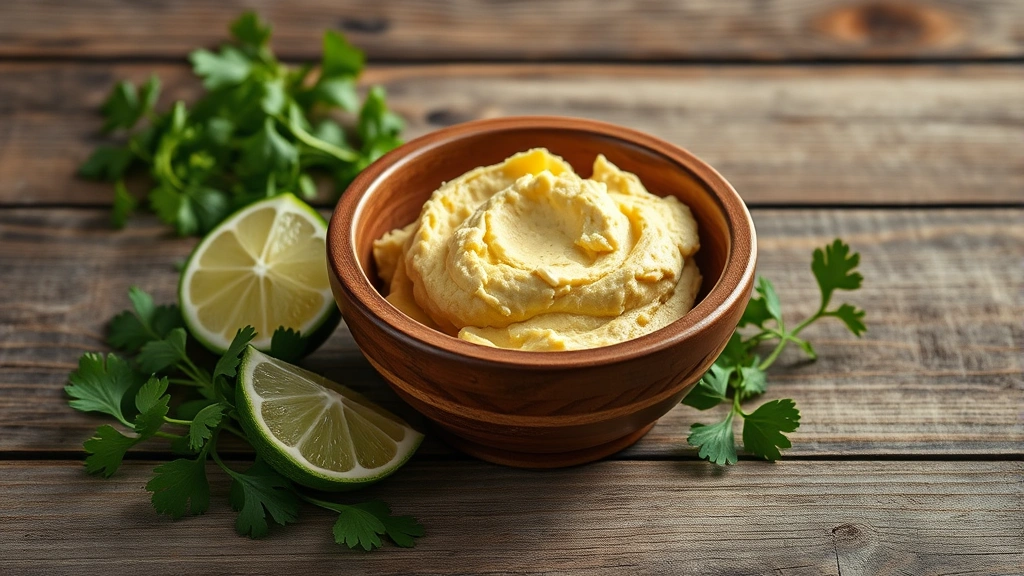
A cowboy butter recipe is the kind of kitchen hack that’ll make you wonder why you didn’t learn it sooner. This isn’t some fancy French compound butter—it’s a no-nonsense, flavor-packed condiment that transforms everything from grilled steaks to cast-iron cornbread into something absolutely unforgettable. In just 10 minutes, you’ll have a batch ready to slather on whatever you’re cooking, and trust me, once you taste it, you’ll be making it weekly.
Table of Contents
What Is Cowboy Butter?
Cowboy butter is a compound butter loaded with Southwestern and ranch-style seasonings. Think of it as a flavor powerhouse made by mixing softened butter with garlic, fresh herbs, lime juice, and spices that give it that authentic cowboy character. Unlike regular butter sitting on your counter, this stuff has personality—it’s tangy, herbaceous, and just a touch spicy if you want it that way.
The beauty of this recipe is its versatility. You can slather it on grilled meats, melt it over vegetables, or use it as a finishing touch on homemade gravy from drippings to add extra depth. It’s the kind of condiment that makes people ask what you did differently at the dinner table.
Ingredients You Need
Here’s what goes into a solid cowboy butter recipe:
- 1 pound unsalted butter (softened to room temperature—this is crucial)
- 4-5 cloves fresh garlic (minced fine)
- 2 tablespoons fresh lime juice (or lemon if you prefer)
- 2 tablespoons fresh parsley (chopped)
- 1 tablespoon fresh cilantro (chopped—optional but recommended)
- 1 teaspoon smoked paprika
- 1 teaspoon garlic powder
- 1 teaspoon onion powder
- ½ teaspoon cayenne pepper (adjust to your heat preference)
- ½ teaspoon black pepper
- 1 teaspoon kosher salt (or to taste)
- ½ teaspoon Worcestershire sauce
- ¼ teaspoon red pepper flakes (optional)
The ingredient list looks long, but each component plays a role. The lime juice adds brightness, the smoked paprika brings that campfire flavor, and the fresh herbs keep it from tasting like a spice rack.
Step-by-Step Instructions
Making a cowboy butter recipe is straightforward, and there’s no special equipment needed beyond what’s already in your kitchen.
Step 1: Prep Your Butter
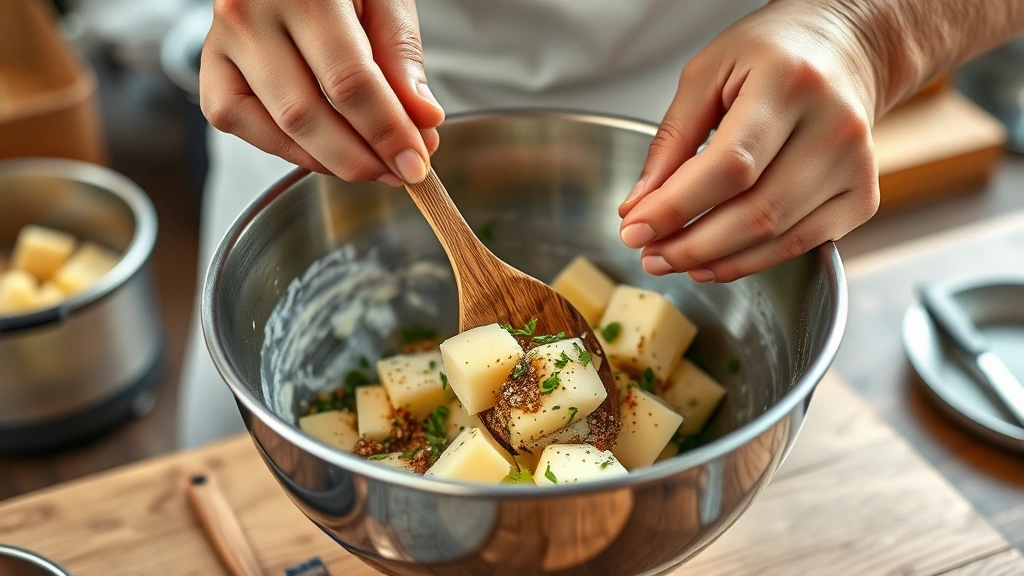
Cut your butter into chunks and let it sit on the counter for 15-20 minutes until it’s soft enough to work with but not melting. You want it to have the consistency of soft ice cream. If you’re in a hurry, cut it into smaller pieces—it’ll soften faster.
Step 2: Combine in a Bowl
Grab a mixing bowl and add your softened butter. Using an electric mixer on medium speed or a wooden spoon and some elbow grease, start beating it. You want to incorporate air and make it light and fluffy. This takes about 2-3 minutes by hand or 1-2 minutes with a mixer.
Step 3: Add Your Aromatics
Mince your garlic as fine as you can get it—this prevents chunks from interfering with the texture. Add it to the butter along with the fresh lime juice. Mix well. The lime juice will start to break down the garlic slightly, which is exactly what you want.
Step 4: Fold in Fresh Herbs
Chop your parsley and cilantro and fold them in gently. Don’t overmix at this point—you want to see little flecks of green throughout, not a puree.
Step 5: Season Properly
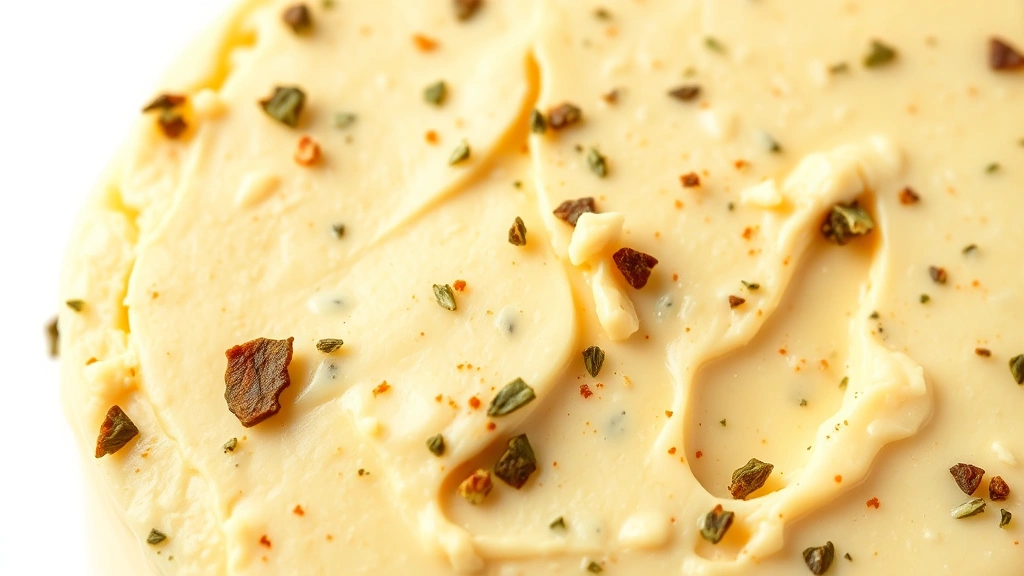
Add all your dry seasonings: smoked paprika, garlic powder, onion powder, cayenne, black pepper, salt, and red pepper flakes. Mix thoroughly until the color is even throughout and you don’t see any white streaks. This is where the cowboy character really comes together.
Step 6: Final Taste Test
Grab a small spoon and taste a tiny bit. Too salty? Add more butter. Need more heat? Add more cayenne. This is your chance to dial it in before you commit to the whole batch.
Flavor Variations to Try
Once you’ve mastered the classic cowboy butter recipe, you can start experimenting. The base formula stays the same, but you can swap and adjust:
Spicy Jalapeño Version
Add one minced jalapeño (seeds removed if you want less heat) and substitute half the cilantro with fresh mint. This version absolutely sings on grilled chicken.
Coffee-Rubbed Variation
Add 1 teaspoon of instant espresso powder and 1 teaspoon of cocoa powder. Sounds weird, but it adds incredible depth to beef. This pairs beautifully with your favorite grilled seafood techniques too.
Smoky Bourbon Version
Replace the lime juice with 1 tablespoon of bourbon or whiskey and add 1 teaspoon of smoked salt. This is the version for serious steak nights.
Herb Garden Blend
Use equal parts fresh basil, oregano, and thyme instead of just parsley and cilantro. This works beautifully on vegetables and campfire cooking.
Storage and Shelf Life
Here’s where compound butters really shine—they keep for a surprisingly long time.
Refrigerator Storage
Transfer your finished cowboy butter to an airtight container or wrap it tightly in plastic wrap and parchment paper. It’ll keep in the fridge for up to 2 weeks. The cold slows down oxidation and keeps the flavors locked in.
Freezer Storage
Want to make a big batch? Freeze it. Roll your butter into a log using plastic wrap, slice it into pats, and freeze in a ziplock bag for up to 3 months. This is genius for busy weeks when you want restaurant-quality flavor without the prep.
Pro Tip: Butter Pats
Pipe your finished butter into ice cube trays, freeze solid, then pop them out and store in freezer bags. Now you’ve got perfect portions ready to drop on a hot steak or into a pan of vegetables.
Best Uses and Pairings
A cowboy butter recipe isn’t just for show—it’s genuinely useful across your entire cooking repertoire.
On Grilled Meats
This is the obvious one. Top a hot steak, burger, or grilled chicken breast with a pat of cowboy butter and watch it melt into every crevice. The butter carries all those flavors right into the meat.
Vegetables and Sides
Corn on the cob? Grilled asparagus? Roasted potatoes? A pat of cowboy butter transforms them from side dish to star. Try it on butter beans for a seriously elevated side.
Bread and Rolls
Spread it on warm cornbread, dinner rolls, or toasted sourdough. It’s equally at home at a fancy dinner party or a casual backyard barbecue.
Seafood Applications
Don’t sleep on this. Grilled shrimp, seared scallops, or even white fish benefit enormously from cowboy butter’s bright, herbaceous profile.
Compound Sauce Base
Melt a couple pats into a pan with a splash of broth to create an instant sauce for pasta or rice. Add it to black beans and rice for unexpected flavor depth.
Pro Tips for Success
Temperature Matters
If your butter is too cold, it won’t incorporate the seasonings evenly. Too warm and it’ll turn greasy. Room temperature is your sweet spot—about 65-70°F is ideal.
Taste as You Go
Don’t wait until the end to taste. Add seasonings gradually and adjust. You can always add more salt or spice, but you can’t take it out.
Fresh Herbs Make a Difference
Dried herbs will work in a pinch, but fresh parsley and cilantro give this recipe its character. If you’ve got a windowsill herb garden, this is where it pays off.
Mincing Garlic Fine
The finer you mince your garlic, the better it distributes throughout the butter. A microplane or garlic press does this better than a knife.
Don’t Skip the Lime
That acid is crucial—it brightens everything and prevents the butter from tasting flat. Lemon works too, but lime gives it that authentic cowboy character.
Common Mistakes to Avoid
Using Cold Butter
Trying to mix cold butter is like wrestling with a rock. Give it time to soften. If you’re impatient, cut it into thin slices—they’ll soften in minutes.
Overmixing Fresh Herbs
Once you add parsley and cilantro, fold gently. Overmixing breaks them down and turns them dark and bitter. You want those little green flecks visible.
Skimping on Garlic
Four to five cloves isn’t excessive—it’s essential. Garlic is what gives cowboy butter its backbone. Mincing it fine ensures even distribution.
Forgetting About Salt Balance
Taste before you serve. Butter masks flavors slightly, so what tastes right in a spoon might need adjustment once it’s melting on hot food. Start conservative and adjust.
Using Salted Butter
Unsalted butter lets you control the salt content precisely. Salted butter can throw off your seasoning balance.
Frequently Asked Questions
Can I make cowboy butter without fresh herbs?
You can, but you’ll lose some of the brightness and character. If you don’t have fresh herbs available, use 1 teaspoon of dried parsley and ½ teaspoon of dried cilantro. The flavor won’t be quite as vibrant, but it’ll still be solid.
How long does cowboy butter last once it’s made?
In the refrigerator, about 2 weeks in an airtight container. In the freezer, up to 3 months. The cold slows oxidation and keeps the fresh flavors intact.
Can I adjust the heat level?
Absolutely. The ½ teaspoon of cayenne is moderate—dial it up to 1 teaspoon for serious heat, or reduce to ¼ teaspoon if you prefer milder. Red pepper flakes are optional and can be increased for more kick.
What’s the difference between cowboy butter and regular compound butter?
Cowboy butter specifically has that Southwestern, ranch-style seasoning profile with smoked paprika, lime, and fresh herbs. Regular compound butters can be anything from herb-based to truffle-infused. Cowboy butter has character and attitude.
Can I use this on vegetables?
Definitely. Grilled corn, roasted potatoes, sautéed mushrooms—they all benefit. The fresh herbs and lime juice complement vegetables beautifully, especially when they’re cooked with a bit of char.
Is cowboy butter good for baking?
Not really. The fresh herbs and spices would be out of place in most baked goods. Stick to savory cooking applications.
Can I make this with salted butter?
You can, but you’ll need to reduce the added salt significantly. Unsalted butter gives you better control over the final seasoning, which matters when you’re trying to nail the flavor profile.
What if I don’t have lime juice?
Lemon juice works as a direct substitute. The flavor will be slightly different—a bit more traditional and less Southwestern—but still excellent. In a pinch, white wine vinegar (use 1 teaspoon) can work too.
Conclusion
A cowboy butter recipe is one of those kitchen skills that pays dividends forever. Once you’ve made it once, you’ll understand why it’s worth keeping on hand. It’s not complicated, it doesn’t require special ingredients, and it transforms ordinary meals into something memorable. Make a batch this weekend, freeze some for later, and watch how often you reach for it. Whether you’re grilling steaks, roasting vegetables, or just looking for an excuse to make dinner more interesting, cowboy butter has your back. Ten minutes of prep work, infinite flavor payoff—that’s a deal worth taking.


