
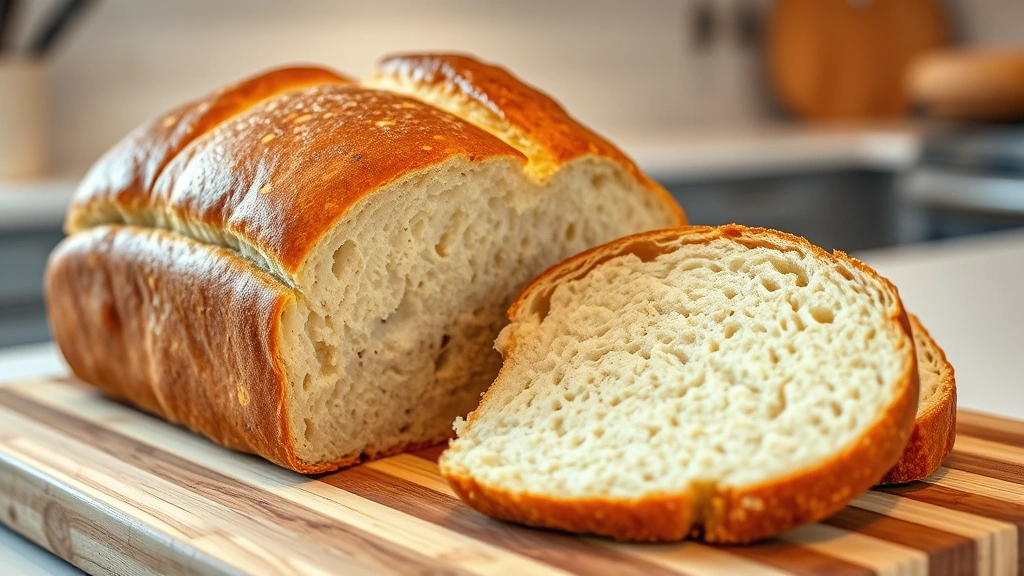
A cottage cheese bread recipe is one of those kitchen hacks that feels almost too simple to work, but delivers impressive results every single time. If you’ve been intimidated by bread baking or thought you needed fancy equipment and hours of kneading, this recipe is about to change your entire perspective. We’re talking soft, tender crumb, incredible moisture, and a subtle tangy flavor that makes regular sandwich bread feel boring by comparison.
Table of Contents
Why Cottage Cheese Works
Here’s the thing about cottage cheese in baking—it’s basically a moisture bomb wrapped in protein. Those little curds act like tiny sponges, absorbing and distributing liquid throughout your dough in a way that keeps the bread tender for days. Unlike traditional bread that dries out by day two, cottage cheese bread stays soft and fresh-tasting well into the third day.
The curds also create a slightly different gluten structure. You’re not relying on aggressive kneading to develop strength; instead, the cottage cheese proteins help support the dough naturally. This means less work for you and more forgiving results. Even if you slightly overwork or underwork the dough, you’ll still end up with decent bread.
The flavor benefit is subtle but real. Cottage cheese brings a mild tang that’s reminiscent of sourdough without any of the fermentation time. It adds depth without being obvious—your friends will taste something special but won’t be able to put their finger on exactly what it is.
Ingredients You’ll Need
This is where the magic happens. Five ingredients. That’s literally all you need:
- 2 cups all-purpose flour (or bread flour if you want slightly chewier texture)
- 1 cup cottage cheese (full-fat works best, but 2% is fine too)
- 1 tablespoon honey or sugar (feeds the yeast, adds subtle sweetness)
- 1 teaspoon instant yeast (active dry works, but instant dissolves faster)
- 1 teaspoon salt (don’t skip this—it controls fermentation and enhances flavor)
That’s genuinely it. No butter, no eggs, no milk powder. The cottage cheese handles the moisture and richness completely. If you want to add a tablespoon of melted butter to the top before baking for extra browning, go ahead—but it’s optional.
Step-by-Step Instructions
Prep (5 minutes): Warm your cottage cheese to room temperature. This matters more than you’d think. Cold cottage cheese will shock your yeast and slow fermentation. Stick it in the microwave for 20-30 seconds, or just let it sit out while you gather other ingredients.
Mix (3 minutes): In a large bowl, combine your warmed cottage cheese, honey, and yeast. Let this sit for 2 minutes—you should see some activity and smell that yeasty aroma. Then add your flour and salt. Mix everything with a wooden spoon or sturdy spatula until you have a shaggy dough. Don’t overthink this stage. You’re just trying to get all the dry flour incorporated.
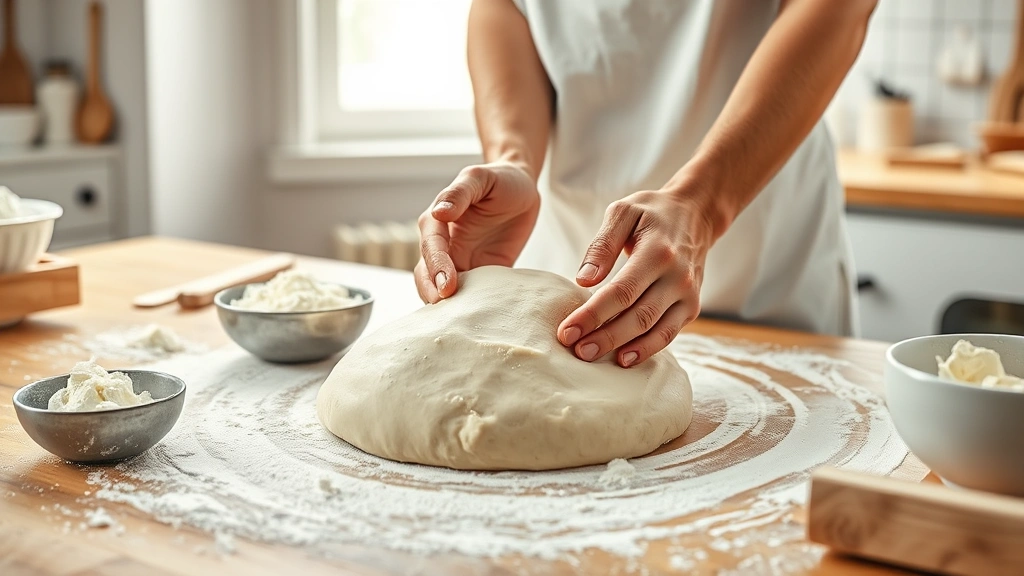
Knead (5-8 minutes): Transfer your dough to a lightly floured surface and knead for about 5 minutes. This dough will be slightly sticky—that’s correct. You want it tacky but not wet. If it’s sticking aggressively to your hands, dust with a tiny bit more flour. The goal is a smooth, slightly elastic ball.
First Rise (1-1.5 hours): Pop your dough in a lightly oiled bowl, cover with plastic wrap or a damp towel, and let it rise at room temperature. You’re looking for roughly doubled size. This timing varies based on your kitchen temperature—warmer kitchens might be ready in 45 minutes, cooler ones might need the full 90 minutes.
Shape (2 minutes): Punch down your dough and shape it into a round or oval loaf. You can be casual here—rough edges actually add character. Place it on a parchment-lined baking sheet.
Second Rise (45 minutes to 1 hour): Cover your shaped loaf and let it rise again until it’s puffy and noticeably larger. It doesn’t need to double completely—you’re looking for about 50-75% size increase.
Bake (30-35 minutes): Preheat your oven to 400°F. Score the top of your loaf with a sharp knife (this helps it expand evenly). Bake for 30-35 minutes until the crust is golden brown and the bottom sounds hollow when you tap it. The internal temperature should read 205-210°F on a thermometer.
Pro Baking Tips
Use a baking stone or Dutch oven if you have one. A Dutch oven traps steam during the first 20 minutes of baking, which creates a better crust and more dramatic oven spring. If you’re using one, preheat it for 30 minutes and carefully transfer your dough onto the hot surface.
Don’t skip the salt. I know it seems counterintuitive, but salt actually slows yeast activity slightly, which means better flavor development and more controlled rising. It also strengthens gluten structure and enhances the subtle tang from the cottage cheese.
Temperature matters. If your kitchen is cold, your rises will take longer—and that’s actually good for flavor. Slower fermentation builds more complex taste. If your kitchen is hot, keep an eye on things and don’t let it overproof.
For a shinier crust, brush the top with an egg wash (1 egg beaten with 1 tablespoon water) before baking. For a more rustic look, just spray the loaf with water and let it bake as-is.
Getting Perfect Texture
The crumb structure of cottage cheese bread is naturally tender and slightly moist. If you want it even more open and airy, extend your first rise by 15-20 minutes. If you prefer a tighter, denser crumb, reduce the rise time slightly.
The cottage cheese curds sometimes create little pockets in the final bread. Some people love this rustic quality. If you want a more uniform texture, you can blend the cottage cheese smooth before mixing it in, but honestly, the curds add character.
Moisture is the secret weapon here. This bread stays soft because of the cottage cheese, not because of added oils. You’ll notice the difference when you compare it to standard bread recipes that require butter or milk.
Storage and Keeping Fresh
This bread keeps remarkably well. Once completely cooled, wrap it tightly in plastic wrap or store it in a bread box at room temperature. It’ll stay fresh for 3-4 days, which is longer than most homemade breads.
For longer storage, slice it and freeze individual pieces. Toast them directly from frozen for perfect breakfast toast. The cottage cheese actually helps prevent freezer burn because of the moisture content.
Don’t refrigerate it. Refrigeration actually speeds up staling because of how starches crystallize in cold temperatures. Room temperature or frozen are your best bets.
Flavor Variations to Try
Once you’ve mastered the basic recipe, the variations are endless. Add a tablespoon of everything bagel seasoning to the dough for a savory twist. Mix in fresh or dried herbs—dill, rosemary, and thyme all work beautifully. A handful of seeds (sunflower, pumpkin, or sesame) adds texture and nutrition.
For a slightly sweeter version, increase the honey to 2 tablespoons and add a teaspoon of vanilla extract. You can also fold in cinnamon and a touch more sugar for something closer to a sweet bread.
Want to experiment with whole grains? Replace up to 1/2 cup of the all-purpose flour with whole wheat flour. You might need an extra tablespoon of water since whole wheat absorbs more liquid, but the cottage cheese usually compensates.
Common Problems Solved
Bread didn’t rise: Your yeast was likely dead. Check the expiration date and make sure you’re not using water that’s too hot (over 120°F kills yeast) or too cold (under 75°F doesn’t activate it).
Dense, heavy crumb: You probably overworked the dough or let it overproof. Remember, this dough is forgiving but not indestructible. Mix gently and watch your rise times carefully.
Crust is too thick or hard: Your oven temperature might be too high, or you baked it too long. Start checking at 30 minutes. Also, wrapping the warm loaf in a kitchen towel immediately after baking softens the crust.
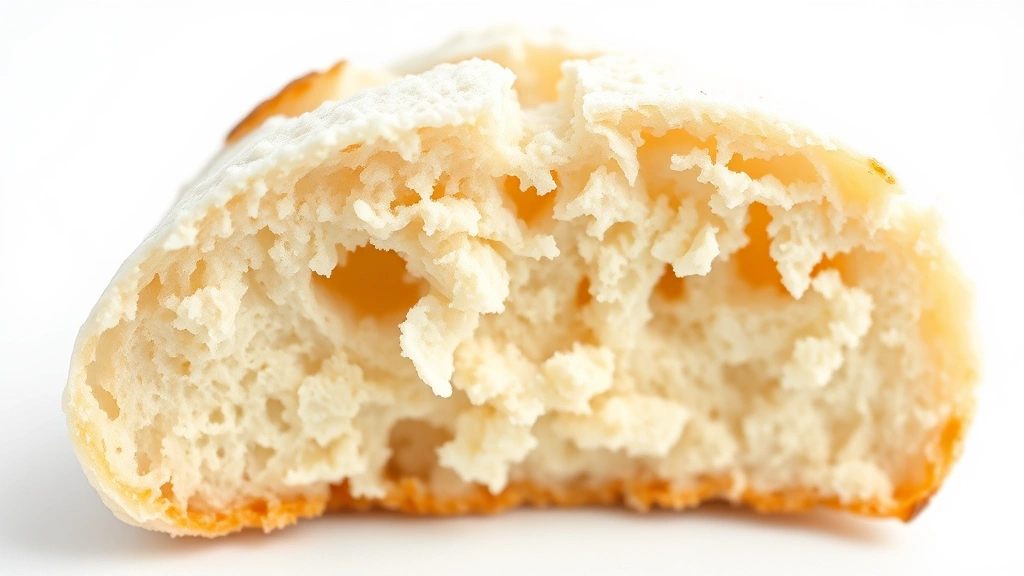
Bread is too dry: This is rare with cottage cheese bread, but if it happens, you probably used low-fat cottage cheese or baked too long. Stick with full-fat and pull it out when the crust is golden but not dark brown.
Frequently Asked Questions
Can I use Greek yogurt instead of cottage cheese?
You can, but the results will be slightly different. Greek yogurt is thicker and tangier, so reduce it to 3/4 cup and add an extra tablespoon of water. The bread will be slightly denser but still delicious.
Do I need a stand mixer for this?
Nope. This recipe is designed for hand-mixing. The dough isn’t tough enough to require serious mechanical power. Mix and knead by hand—it’s actually therapeutic.
Can I make this dough ahead?
Absolutely. After shaping, cover and refrigerate overnight. The cold rise actually improves flavor through slow fermentation. Just add 10-15 minutes to your baking time since you’re starting from cold.
What’s the difference between instant and active dry yeast?
Instant yeast has smaller particles and dissolves faster. Active dry is slightly coarser. They’re interchangeable in this recipe, though instant will give you marginally faster rises.
Why does my bread have a gummy center?
You’re likely underbaking it. The internal temperature needs to hit 205-210°F. Use a thermometer to check the deepest part of the loaf, not just the crust.
Can I add cheese or bacon to this?
Totally. Fold in shredded cheddar, crumbled bacon, or both during the final kneading stage. This transforms it into an amazing savory bread for sandwiches or alongside soups. Check out our steam crab legs guide for a meal pairing idea.
Is this bread gluten-free?
Not with all-purpose flour, but you can experiment with gluten-free blends. You might need to adjust liquid slightly since gluten-free flours behave differently. Start with a 1:1 blend and go from there.
How do I get a crispier crust?
Bake in a preheated Dutch oven for the first 20 minutes with the lid on, then remove the lid for the final 10-15 minutes. The trapped steam creates a crispy exterior while the interior stays soft.
For more creative kitchen projects, check out our bubble tea recipes and Alabama slammer recipe for inspiration on other homemade treats.
Final Thoughts
A cottage cheese bread recipe removes all the intimidation from homemade bread baking. You’re working with five ingredients, minimal equipment, and a forgiving dough that practically makes itself. The result is a loaf that stays fresh longer than most breads, tastes subtly better than store-bought, and costs just a few dollars to make.
Start with the basic recipe, get comfortable with the process, then experiment with flavors and variations. Once you’ve made it a few times, you’ll have the timing dialed in for your specific kitchen, and it becomes second nature. That’s when bread baking stops feeling like a project and starts feeling like something you just do because it’s easier and better than buying it.


