
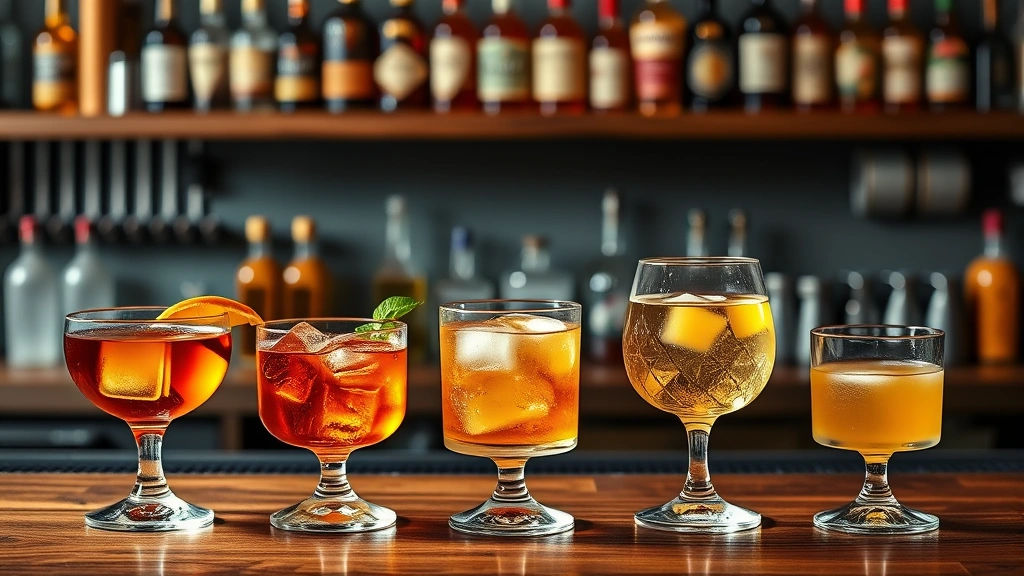
Mastering cognac cocktail recipes is one of the best skills you can develop if you’re serious about home bartending. Whether you’re mixing drinks for friends or just leveling up your personal happy hour, cognac brings a sophistication and depth that other spirits struggle to match. This guide walks you through 10 essential drinks that’ll make you look like you actually know what you’re doing behind the bar.
Table of Contents
- Why Cognac Matters
- Sazerac: The Foundation
- Brandy Alexander: Smooth & Rich
- Sidecar: Classic Balance
- Between the Sheets: Fruity Kick
- Cognac Smash: Modern Twist
- Vieux Carré: Complex Layers
- French 75: Bubbly Elegance
- East Side: Herbal Notes
- Pisco Punch: Tropical Vibes
- Choosing Your Cognac
- Frequently Asked Questions
Why Cognac Matters
Cognac isn’t just another brandy sitting on your shelf. It’s a spirit with serious credentials—produced only in the Cognac region of France, it brings complexity that transforms any cocktail from decent to memorable. The aging process in oak barrels creates layers of vanilla, oak, and subtle fruit notes that play beautifully with other ingredients. When you’re building cognac cocktail recipes, you’re working with a base spirit that does half the flavor work for you. That’s why bartenders respect it and why learning to use it properly matters.
Sazerac: The Foundation
The Sazerac is the grandfather of cognac cocktails, and if you’re only learning one, make it this one. You’ll need 2 ounces of rye whiskey (yes, rye—not cognac, but stay with me), a quarter ounce of absinthe, a dash of Peychaud’s bitters, and a lemon twist. The trick is rinsing your glass with absinthe first, which coats it with that distinctive anise flavor. Stir everything with ice, strain into that absinthe-rinsed glass, and express the lemon oil over the top. This drink teaches you about balance and how a tiny amount of a potent ingredient can define an entire cocktail. Once you nail the Sazerac technique, you’ve got the foundation for dozens of other drinks.
Brandy Alexander: Smooth & Rich
Here’s where cognac takes center stage. The Brandy Alexander is equal parts cognac, crème de cacao, and heavy cream, shaken with ice and strained into a coupe glass. It’s dessert in a glass—smooth, rich, and dangerously easy to drink. The cognac provides the backbone while the crème de cacao adds chocolate notes and the cream rounds everything into silk. This is the drink to make when you want to impress someone without making them think too hard. No citrus, no bitters, just pure indulgence. Pro tip: chill your glass beforehand and use fresh cream, not that stuff that’s been open for three weeks.
Sidecar: Classic Balance
The Sidecar is the textbook example of balance in a cocktail. You’re mixing equal parts cognac, Cointreau (or triple sec), and fresh lemon juice, shaken with ice and strained into a coupe. That’s it—three ingredients, perfect harmony. The cognac brings warmth and depth, the Cointreau adds orange sweetness and complexity, and the lemon juice cuts through everything with brightness. This drink proves that you don’t need a dozen ingredients to create something exceptional. It’s the cocktail equivalent of a well-fitted pair of jeans—timeless, versatile, and always right. When you taste a properly made Sidecar, you understand why bartenders have been making this drink for over a century.
Between the Sheets: Fruity Kick
The Between the Sheets is cognac’s answer to tropical drinks. You’re combining equal parts cognac, light rum, and Cointreau with half an ounce of fresh lemon juice, shaken and strained into a coupe. The cognac and rum together create this warm, complex base, while the Cointreau adds citrus sweetness and the lemon juice brings everything into focus. It’s fruity without being cloying, strong without being harsh. This drink works perfectly when you want something more interesting than a standard sour but less heavy than a Brandy Alexander. The name supposedly comes from the fact that it’s the perfect drink to share with someone you’re getting close to—smooth enough not to offend, strong enough to loosen inhibitions.
Cognac Smash: Modern Twist
The Cognac Smash takes the classic Smash template and applies it to cognac instead of whiskey. You’ll muddle fresh mint leaves with a quarter ounce of simple syrup, add two ounces of cognac and three-quarters ounce of fresh lemon juice, shake with ice, and strain into a rocks glass over fresh ice. Top it with a splash of soda water if you want. This is where cognac meets contemporary bartending. The mint brings out the floral notes in the spirit while the citrus keeps everything bright and refreshing. It’s perfect for warm weather drinking—sophisticated enough for dinner parties but approachable enough for casual hangouts. The muddling technique matters here; you want to gently press the mint to release oils, not pulverize it into a green sludge.
Vieux Carré: Complex Layers
The Vieux Carré (French for “Old Quarter”) is the drink for when you want to show off your skills. You’re mixing equal parts cognac, rye whiskey, and Benedictine with a dash of Peychaud’s bitters and a dash of Angostura bitters, stirred with ice and strained into a rocks glass with a large ice cube. The cognac provides sophistication, the rye adds spice, the Benedictine contributes herbal complexity, and the two bitters work together to tie everything into a coherent whole. This drink tastes like New Orleans in a glass—layered, mysterious, and impossible to pin down with a single flavor descriptor. It’s not for beginners, but once you understand how all the components interact, you’ve leveled up your cocktail game significantly.
French 75: Bubbly Elegance
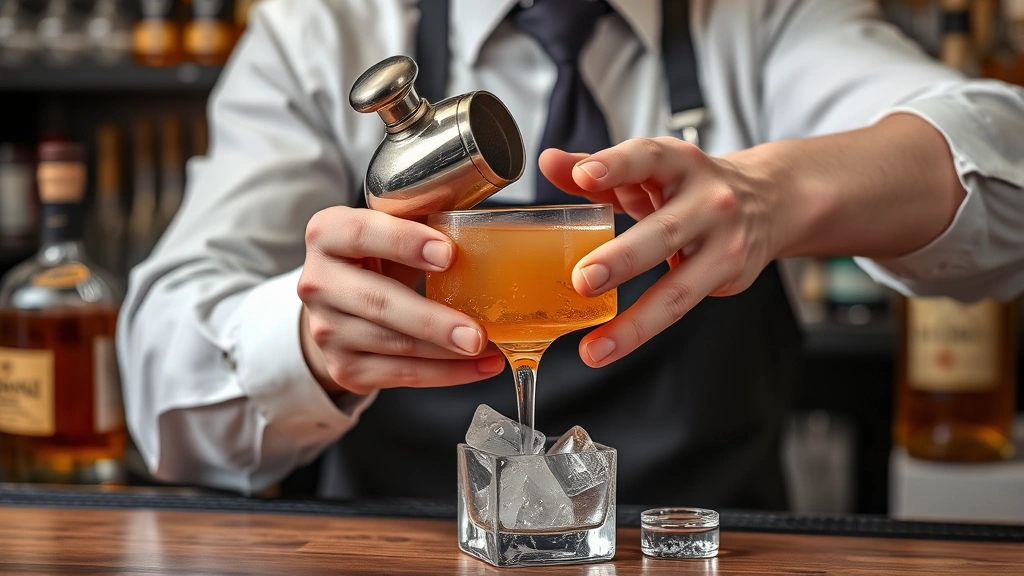
The French 75 is champagne’s sophisticated cousin, and it proves that cognac plays beautifully with bubbles. You’re combining half an ounce of cognac, half an ounce of fresh lemon juice, and a quarter ounce of simple syrup, shaken with ice and strained into a champagne flute. Top it with champagne or prosecco and garnish with a lemon twist. The cognac gives the drink weight and character while the champagne adds effervescence and elegance. It’s perfect for celebrations, brunch, or anytime you want something that tastes fancy without requiring advanced bartending skills. The key is using quality champagne—if you wouldn’t drink it on its own, don’t put it in this cocktail.
East Side: Herbal Notes
The East Side takes the Daiquiri template and adds cognac for depth. You’re mixing one and a half ounces of cognac, half an ounce of fresh lime juice, and half an ounce of simple syrup with six fresh mint leaves, shaken and strained into a coupe glass. It’s light, refreshing, and herbaceous without being overpowering. The mint works with the cognac’s natural vanilla and oak notes to create something that tastes more complex than the ingredient list suggests. This is the drink to make when you want to prove that cognac works just as well in lighter, fresher applications as it does in heavy, creamy ones. The technique of gently expressing the mint oils over the finished drink adds an extra layer of aromatic complexity.
Pisco Punch: Tropical Vibes
The Pisco Punch traditionally uses pisco, but a cognac variation works beautifully and proves how adaptable quality spirits can be. Combine one and a half ounces of cognac, half an ounce of fresh pineapple juice, half an ounce of fresh lime juice, and a quarter ounce of simple syrup, shaken with ice and strained into a rocks glass over fresh ice. The cognac’s warmth balances the tropical fruit perfectly, creating something that’s refreshing without being lightweight. This drink teaches you that cognac isn’t just for classic, formal cocktails—it works in modern, fruit-forward applications too. The pineapple juice adds natural sweetness and body, while the lime keeps everything from becoming cloying.
Choosing Your Cognac
Not all cognacs are created equal, and the one you choose matters for your cocktails. VS (Very Special) cognacs are aged at least two years and work great for mixing—they’re affordable and bring solid flavor without being so complex that you waste them in a cocktail. VSOP (Very Superior Old Pale) cognacs are aged at least four years and offer more sophistication; they’re perfect when you’re making something like a Sidecar where the cognac’s character shines through. XO (Extra Old) cognacs are aged at least six years and are best sipped neat or on the rocks. For learning these cognac cocktail recipes, start with a decent VS cognac from a producer like Rémy Martin or Hennessy. You’ll spend less than thirty dollars and get reliable quality. As you develop your palate, experiment with different producers to see how regional differences affect your cocktails. The terroir of cognac is real, and you’ll taste it once you start paying attention.
Frequently Asked Questions
Can I use brandy instead of cognac in these recipes?
Technically yes, but you’ll lose something important. Cognac is a specific type of brandy with strict production requirements that create its distinctive flavor profile. Regular brandy can work in a pinch, but it won’t have the same complexity or refinement. Think of it like using regular vinegar instead of balsamic—it’ll work, but it’s not the same thing.
What’s the difference between VS, VSOP, and XO cognac?
The letters indicate minimum aging requirements. VS (Very Special) means at least two years in oak, VSOP (Very Superior Old Pale) means at least four years, and XO (Extra Old) means at least six years. For cocktails, VS and VSOP are your sweet spots. XO is too expensive and too complex to waste in a mixed drink.
Do I need special equipment to make these drinks?
You need a cocktail shaker, a bar spoon, a jigger for measuring, and a strainer. That’s genuinely it. You can get a decent starter kit for under thirty dollars. The technique matters more than having fancy equipment—a beginner with proper technique beats an expert with sloppy pours every time.
How important is fresh juice in cognac cocktails?
Critically important. Fresh lemon and lime juice are non-negotiable. Bottled juice will make your drinks taste flat and artificial. Squeeze your citrus fresh, or don’t make the drink. It takes two extra minutes and completely transforms the result.
Can these drinks be made without alcohol?
Some can be adapted, but you’ll lose what makes them special. The cognac provides warmth, depth, and complexity that non-alcoholic substitutes can’t replicate. If you’re making drinks for non-drinkers, make something different rather than trying to fake it.
What glassware should I use?
Most of these drinks call for either a coupe glass (for shaken, strained drinks) or a rocks glass (for stirred drinks or those served over ice). A champagne flute works for the French 75. You don’t need a massive collection—a few good glasses will handle everything.
How do I store cognac after opening?
Cognac keeps indefinitely in a sealed bottle at room temperature, away from direct sunlight. Unlike wine, it won’t oxidize or degrade once bottled. An opened bottle will stay fresh for years as long as you keep it sealed when not in use.
Are these drinks suitable for beginners to make?
The Brandy Alexander and French 75 are beginner-friendly. The Sidecar and Cognac Smash require a bit more technique but are still approachable. The Vieux Carré and Sazerac are for when you’ve got some experience under your belt. Start simple and work your way up.
Conclusion: These ten cognac cocktail recipes represent the essential drinks every home bartender should master. Start with the Sidecar or Brandy Alexander to build your foundational skills, then branch out into the more complex drinks as your confidence grows. The beauty of cognac is that it brings sophistication to everything it touches—you’re not just learning to make drinks, you’re learning to create experiences. Invest in decent cognac, practice your technique, and remember that consistency matters more than speed. The bartenders you respect didn’t get that way overnight; they built their skills one properly made drink at a time. Your friends will notice the difference between a casual pour and a thoughtfully crafted cocktail, and that’s what this is really about.


