
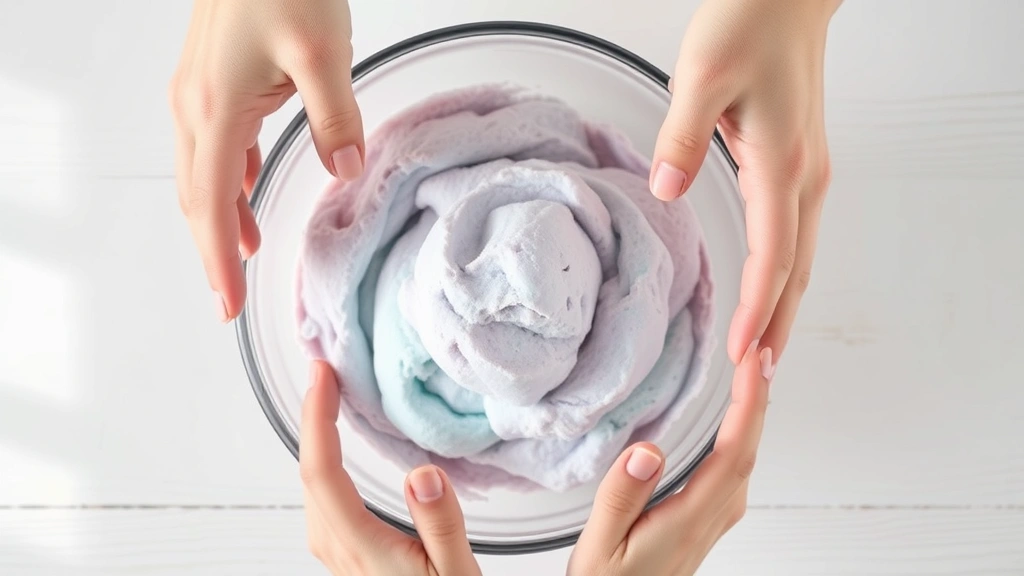
A cloud dough recipe is one of those magical kitchen creations that looks like you’ve conjured something from the clouds themselves—but it’s actually dead simple to make. If you’ve got flour, oil, and water in your pantry, you’re basically already there. This isn’t baking; it’s sensory play that doubles as a stress-relief tool for kids and adults alike. The texture is buttery-soft, moldable without being sticky, and honestly? It’s weirdly satisfying to squish.
Table of Contents
What Is Cloud Dough?
Cloud dough is a non-edible sensory material that feels like a cross between kinetic sand and playdough, but without the mess or the toxins. The magic happens because you’re combining a dry ingredient (flour) with a fat (oil) in just the right ratio. When your fingers work through it, the oil coats each flour particle, creating that cloud-like, crumbly-yet-moldable texture that’s impossible to describe but instantly recognizable once you touch it.
Unlike traditional playdough, which requires cooking and careful ingredient ratios, cloud dough comes together in under two minutes. No heat, no special equipment, no stress. It’s the kind of project that makes you feel like a kitchen wizard when it actually just comes down to basic physics.
Three-Ingredient Base Recipe
Here’s the core cloud dough recipe that works every single time:
Ingredients:
- 2 cups all-purpose flour
- 4 tablespoons vegetable oil (or coconut oil)
- Water (start with 2-3 tablespoons)
That’s it. No baking soda, no cream of tartar, no cooking required. The ratio is roughly 1 part oil to 8 parts flour by volume, though you’ve got some wiggle room depending on humidity and personal preference.
Why these three ingredients? Flour provides structure and the bulk. Oil coats the flour particles and creates that signature slippery-yet-cohesive feel. Water acts as a binder to help everything hold together without making it wet or sticky. It’s elegant in its simplicity.
Mixing Technique Matters
Don’t just dump everything in a bowl and expect magic. The mixing method is where most people go wrong. Here’s the proper approach:
Step 1: Pour your flour into a large mixing bowl. Use a whisk or fork to break up any lumps—you want it light and airy, not compacted.
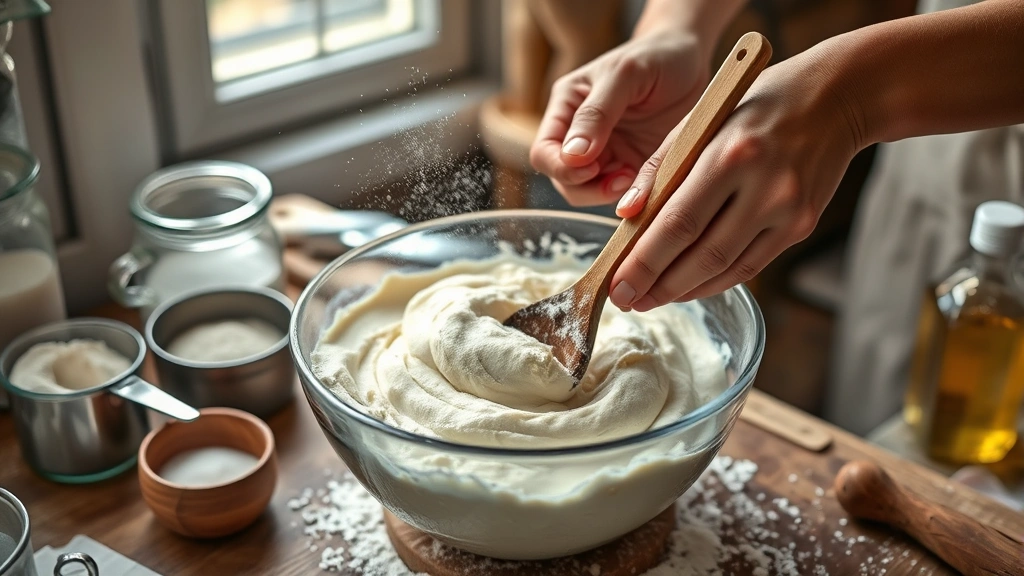
Step 2: Drizzle the oil over the flour slowly while stirring with a fork. This is crucial. You’re not mixing; you’re coating. Keep working the fork through the flour, breaking up any clumps that form. The mixture should start looking like wet sand or breadcrumbs.
Step 3: Once the oil is evenly distributed, add water one tablespoon at a time. Stir between additions. You’ll notice the texture shift from crumbly to more cohesive. Stop when it feels like damp clouds—moldable but not wet.
Step 4: Knead it with your hands for about 30 seconds. Your body heat and the pressure from kneading help everything bond together. If it’s still too crumbly, add a few more drops of water. If it’s too sticky, dust in a bit more flour.
The whole process takes about 3-4 minutes. Patience here pays off with better texture.
Adding Color & Scent
Plain white cloud dough is fine, but why stop there? This is where you can get creative without any extra complexity.
For color: Add food coloring or gel coloring to the water before mixing in. A few drops goes a long way. You can also use washable poster paint mixed into the water for more vibrant hues. Mix multiple batches in different colors and keep them separate, or swirl them together for a marbled effect.
For scent: A few drops of essential oil or extract mixed into the water adds another sensory dimension. Vanilla, peppermint, lemon, and lavender all work well. Use sparingly—you want pleasant, not overwhelming. About 2-3 drops per batch is the sweet spot.
Pro tip: If you’re making this for young kids, skip the scent entirely. Sensory overload is real, and the texture alone is usually enough to keep them engaged for hours.
Storage & Shelf Life
Cloud dough is remarkably stable. Store it in an airtight container—a plastic zip-lock bag, a mason jar, or a sealed plastic tub all work great. In a cool, dry place, it lasts for several weeks, sometimes months. The oil acts as a preservative, so you don’t have to worry about mold or bacterial growth the way you might with water-based doughs.
If it dries out slightly, just add a few drops of water and knead it back to life. If it gets a bit oily after extended storage, dust it with a tiny bit of flour. It’s forgiving stuff.
One thing to note: if you’ve colored it with food coloring, the color might gradually fade or shift over time, especially if exposed to light. That’s purely aesthetic and doesn’t affect playability.
Sensory Play Ideas
Cloud dough isn’t just for sitting around squishing. Here are some actual activities that keep engagement high:
Buried treasure: Hide small toys, beads, or coins in the cloud dough and have kids dig them out. It’s like archaeological excavation but messier and more fun.
Sculpting challenge: Set a timer and see what shapes you can create. Animals, buildings, abstract forms—it all works. The dough holds shape well enough for photos.
Sensory bins: Mix cloud dough with other tactile materials like kinetic sand, dried beans, or pasta. Create a multi-textured sensory experience.
Tool exploration: Provide plastic tools like cookie cutters, sculpting tools, or even kitchen utensils. Let kids experiment with how different tools interact with the dough.
Color mixing: Make batches in primary colors and let kids blend them together. It’s a hands-on lesson in color theory without feeling like school.
These activities work for toddlers through adults. There’s something universally calming about working with cloud dough.
Troubleshooting Common Issues
Too crumbly? Add water one drop at a time. Sometimes humidity in your kitchen affects how much water you need. If you live in a dry climate, you might need closer to 4 tablespoons of water instead of 2-3.
Too sticky? Dust in more flour gradually. This usually happens if you added too much water or if you’re working in a very humid environment. A tablespoon at a time is the right approach.
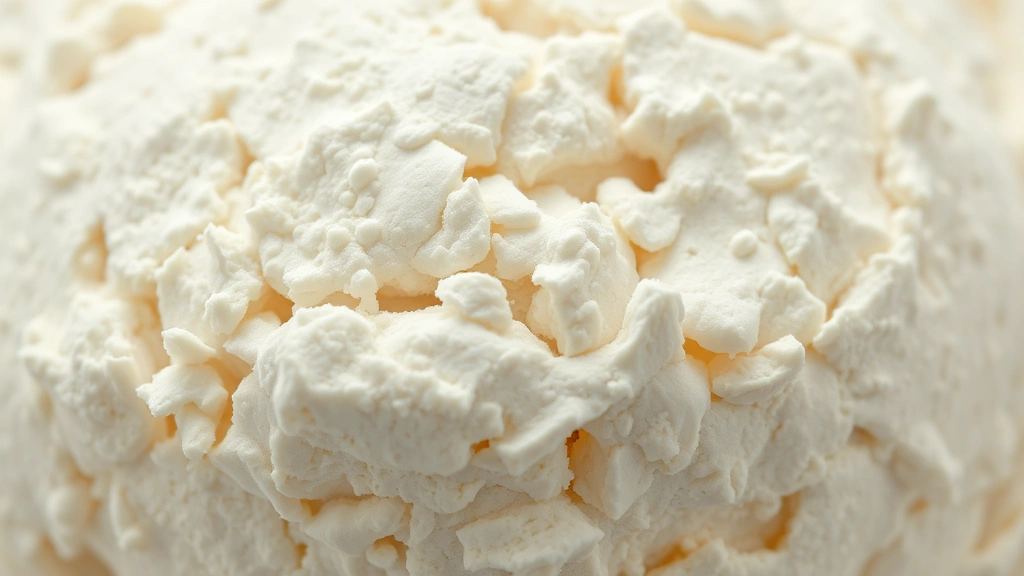
Clumpy? Your flour had moisture in it or you didn’t break up lumps during the initial mixing. Sift your flour next time before starting, especially if you live somewhere humid.
Oil separating? This sometimes happens with storage. Just knead it back together. If it keeps separating, you might have used too much oil. Try the 1:8 ratio more strictly next time.
Staining hands or clothes? If you’ve used food coloring, yes, there might be some temporary staining. Gel coloring is less likely to stain than liquid food coloring. Wash hands immediately after play, and change clothes if kids are wearing their best outfits.
Safety Considerations
Cloud dough is generally safe, but a few precautions matter:
Not for eating: This isn’t edible playdough. The oil content and lack of salt mean it doesn’t have the same safety profile as food-grade playdough. Supervise young kids who still put everything in their mouths. A taste won’t cause serious harm, but it’s not intended to be consumed.
Allergy awareness: If you’re using nut-based oils (like almond oil), be aware of potential allergies. Stick with vegetable or coconut oil for safer general use.
Sensory sensitivities: Some kids have texture aversions. Cloud dough might be too much for them, or it might be exactly what they need to work through the sensitivity. Use your judgment and don’t force it.
Cleanup: Cloud dough is drier than wet playdough, so cleanup is easier. Flour dust might happen, but it vacuums up without issue. The oil won’t stain most surfaces permanently.
Frequently Asked Questions
Can I use baby oil instead of vegetable oil?
Technically yes, but vegetable or coconut oil works better and is more economical. Baby oil is mineral oil, which works but tends to feel greasier and doesn’t distribute as evenly through the flour.
How long does cloud dough actually last?
In an airtight container in a cool, dry place, you’re looking at 2-4 months easily. Some batches have lasted 6+ months. If it starts to smell off or develop any visible mold, toss it. But that’s rare because oil is a natural preservative.
Is cloud dough better than kinetic sand?
Different tools for different jobs. Cloud dough is cheaper, easier to make, and feels more natural. Kinetic sand doesn’t dry out and lasts longer. Cloud dough is better for sensory exploration and creative play. Kinetic sand is better for contained, longer-term play.
Can I make this with whole wheat flour?
Yes, absolutely. The texture will be slightly different—a bit grittier—but it works fine. Whole wheat flour is heavier, so you might need slightly less water. Experiment with ratios.
What if my cloud dough smells like oil?
That’s normal. Oil has a smell. If the smell is rancid or off, the oil has gone bad. Otherwise, it’s just part of the sensory experience. The smell fades after a few minutes of play as you get used to it.
Can I use this for sensory bins in schools?
Absolutely. Schools use cloud dough all the time for occupational therapy, sensory integration, and just plain fun. It’s cheap, safe, and easy to make in bulk. Just label it clearly as non-edible.


