

A chop suey recipe doesn’t need to mean ordering takeout or spending hours in the kitchen. I’m going to walk you through making restaurant-quality chop suey at home in about 20 minutes flat, and honestly, it tastes better than most places you’d pay $15 a plate for.
Table of Contents
What Is Chop Suey?
Chop suey is a stir-fried dish that emerged from Chinese-American cuisine, and it’s a perfect example of how immigrant cooking evolved into something uniquely delicious. The name literally means “mixed bits” in Cantonese, and that’s exactly what you’re doing—combining vegetables, protein, and a savory sauce into one cohesive meal.
The beauty of this dish is its flexibility. You’re not locked into specific ingredients. What matters is understanding the technique: high heat, quick cooking, and a balanced sauce that ties everything together. Most people think it’s complicated, but once you nail the fundamentals, you’ll be making chop suey recipe variations on the fly.
Ingredients You Need
Here’s what goes into a solid chop suey recipe that actually works:
- 2 tablespoons vegetable oil (peanut works best)
- 3 cloves garlic, minced
- 1 tablespoon fresh ginger, minced
- 1 pound protein (chicken, shrimp, or beef)
- 2 cups celery, sliced thin
- 1 cup carrots, julienned
- 1 cup snap peas
- 1 cup mushrooms, sliced
- 1 cup cabbage, shredded
- 3 tablespoons soy sauce
- 1 tablespoon oyster sauce
- 1 teaspoon sesame oil
- ½ cup chicken or vegetable broth
- 1 tablespoon cornstarch mixed with 2 tablespoons water
- 2 green onions, chopped
- Salt and white pepper to taste
This isn’t a rigid list. If you don’t have snap peas, use broccoli. No mushrooms? Add water chestnuts. The principle stays the same—you want roughly 4-5 cups of vegetables total, with a mix of textures and colors.
Prep Work Matters
This is where most home cooks fail. They think they can wing it and chop things as they go. That’s a path to burnt garlic and undercooked vegetables. Everything needs to be prepped and ready before you hit the heat.
Slice your celery at a slight angle—about ¼ inch thick. This increases surface area and helps it cook faster. Your carrots should be julienned (thin matchsticks), not chunked. Mushrooms get sliced, not quartered. The goal is uniform pieces that cook at the same rate.
Cut your protein into bite-sized pieces—about ¾ inch cubes for chicken or beef, whole for shrimp. Pat everything dry with paper towels before cooking. Moisture is the enemy of good browning and stir-frying.
Building the Sauce
The sauce is what separates a mediocre chop suey recipe from one that makes people ask for seconds. Don’t skip this step or combine it haphazardly.
In a small bowl, whisk together your soy sauce, oyster sauce, sesame oil, broth, and the cornstarch slurry. The cornstarch is crucial—it thickens the sauce and gives it that glossy, restaurant-quality finish. Let it sit for a minute so the cornstarch fully hydrates.
Taste it before you add it to the wok. It should be savory, slightly salty, with a hint of sweetness from the oyster sauce. If it tastes flat, add another ½ teaspoon of soy sauce. This is your baseline flavor, so get it right now.
Cooking Technique
Heat your wok or large skillet over high heat for about 2 minutes. You want it screaming hot. Add your oil and let it shimmer for 30 seconds.
First, cook your protein. Don’t move it around constantly—let it sear for 2-3 minutes on one side, then toss and cook another 2 minutes until it’s mostly cooked through. Remove it to a plate. This takes about 5 minutes total.
Add a touch more oil if needed, then add your garlic and ginger. Stir constantly for about 30 seconds—you’re looking for fragrance, not browning. Burnt garlic tastes bitter and ruins everything.
Now add your hardest vegetables first: carrots and celery. Stir-fry for 2 minutes. Then add mushrooms, snap peas, and cabbage. Keep everything moving. This phase takes 3-4 minutes. You want the vegetables tender-crisp, not mushy.
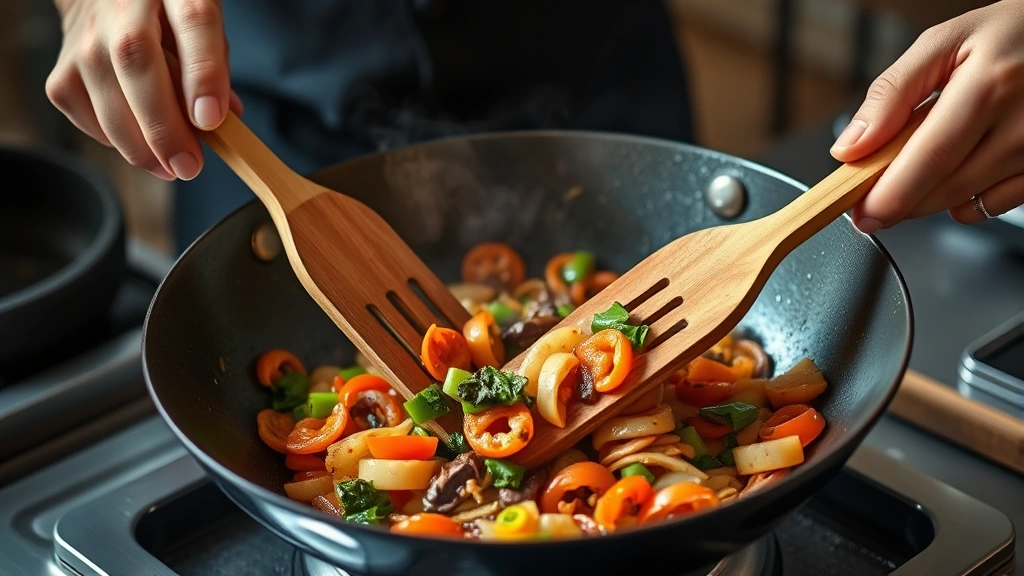
Return your protein to the wok, give the sauce a quick stir to recombine the cornstarch, and pour it in. Toss everything together for about 1 minute until the sauce thickens and coats all the ingredients. It should go from cloudy to glossy and transparent.
Finish with green onions, a pinch of white pepper, and taste for salt. Done. Total active cooking time: about 15 minutes.
Vegetable Selection
Your vegetable choices make or break this dish. The traditional chop suey recipe relies on vegetables that hold their texture under heat and don’t release too much water.
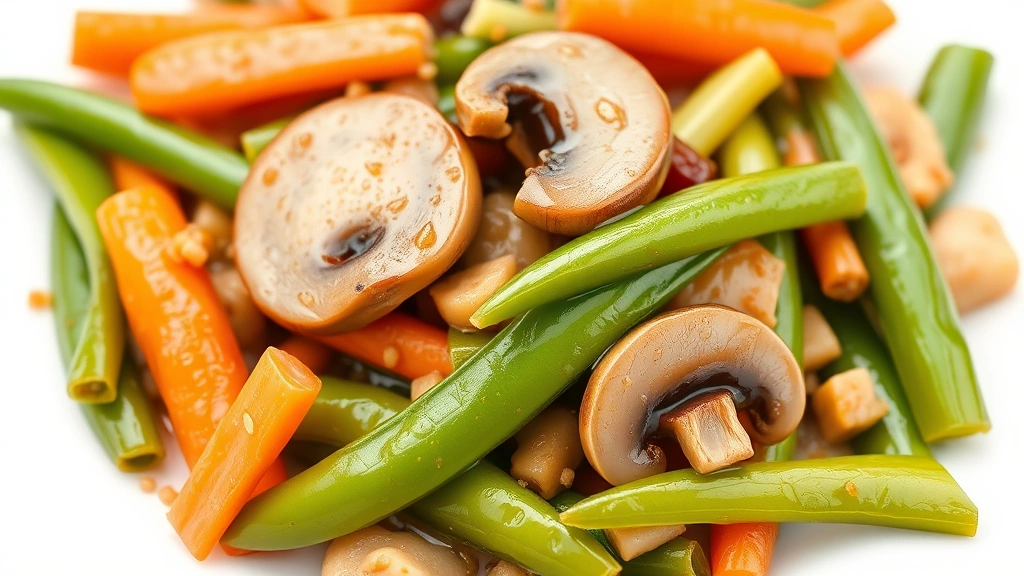
Celery is non-negotiable—it gives chop suey its signature crunch and subtle flavor. Carrots add sweetness and color. Snap peas bring freshness. Mushrooms add umami. Cabbage provides bulk and slight sweetness.
Avoid soft vegetables like tomatoes or zucchini—they fall apart. Skip leafy greens like spinach unless you add them at the very end. Bell peppers work fine, but add them later in the cooking process since they soften quickly.
One pro tip: if you’re steaming green beans separately to serve alongside, consider how long to steam green beans for the perfect texture. It’s a great side that complements chop suey without competing for wok space.
Protein Options
Chicken breast is the classic choice for chop suey recipe variations. It’s mild, cooks quickly, and absorbs the sauce flavor beautifully. Cut it into ¾-inch cubes and you’re golden.
Shrimp is fantastic if you like seafood. It cooks in 2-3 minutes, so watch it carefully. Overcooked shrimp becomes rubbery and nobody wants that.
Beef—specifically flank steak or sirloin—works great too. Slice it thin against the grain for maximum tenderness. Pork works fine, though it takes slightly longer to cook than chicken.
You can absolutely make a vegetarian chop suey recipe by doubling the vegetable volume and using tofu or tempeh as your protein. Press the tofu first to remove excess moisture, then cube it. It won’t brown like meat, but it’ll absorb the sauce beautifully.
Serving Suggestions
Serve your chop suey over steamed white rice or brown rice. The rice soaks up the sauce and balances the dish. Some people prefer crispy chow mein noodles underneath for extra texture.
Garnish with sesame seeds and extra green onions. A squeeze of fresh lime juice right before eating brightens everything up.
If you’re planning a full meal, consider pairing this with complementary dishes. A simple appetizer like potstickers or spring rolls works well. For dessert, something light—not heavy—keeps the meal balanced.
Timing Is Everything
The 20-minute promise only works if you’re organized. Here’s the breakdown:
- Minutes 0-5: Prep all ingredients
- Minutes 5-10: Make sauce, cook protein
- Minutes 10-17: Stir-fry vegetables
- Minutes 17-20: Add sauce, finish, plate
Have your rice already cooking in a rice cooker before you start. If you’re making a fresh batch, do that first since rice takes 15-20 minutes anyway.
The key is not rushing the cooking process. High heat is essential, but you still need to give vegetables time to soften slightly. Rushing means raw vegetables and undercooked protein.
For more meal prep strategies, check out how to prevent apples from browning if you’re prepping vegetables ahead of time—the same oxidation prevention techniques apply to other produce.
Frequently Asked Questions
Can I make chop suey ahead of time?
You can prep all your ingredients ahead, but don’t cook it until you’re ready to eat. Chop suey is best fresh from the wok. If you have leftovers, store them in an airtight container for up to 3 days. Reheat gently in a wok or skillet with a splash of broth to restore moisture.
Why is my chop suey watery?
Usually because vegetables released too much moisture or you didn’t cook the sauce long enough. Make sure your wok is hot enough, pat vegetables dry before cooking, and let the cornstarch slurry thicken the sauce completely before serving. It should coat a spoon.
What’s the difference between chop suey and chow mein?
Chop suey is a stir-fried dish with sauce served over rice. Chow mein uses noodles instead of rice and is typically less saucy. They’re cousins, not the same dish.
Can I use frozen vegetables?
Fresh is better because frozen vegetables release moisture and get mushy. If you must use frozen, thaw and pat them dry first. Add them later in the cooking process so they don’t overcook.
Is cornstarch necessary?
Yes, if you want that glossy, restaurant-style finish. Without it, your sauce stays thin and slides off the vegetables. Cornstarch is the difference between homemade and takeout quality.
What if I don’t have oyster sauce?
You can use an extra tablespoon of soy sauce and a teaspoon of sugar, but it won’t taste quite the same. Oyster sauce adds depth and slight sweetness that’s hard to replicate. It’s worth picking up a bottle—it lasts forever in the pantry.
How do I make it spicier?
Add fresh red chili flakes, sriracha, or a teaspoon of chili oil to the sauce. Start with ¼ teaspoon and taste as you go. You can always add more heat, but you can’t take it out.
The Bottom Line
Making a chop suey recipe at home is genuinely easier than calling for delivery. You control the ingredients, the portions, and the flavor. Once you’ve made it a couple times, you’ll be doing it on autopilot—grabbing whatever vegetables are in your fridge and turning them into something restaurant-quality in under 20 minutes.
The secret isn’t some obscure technique or hard-to-find ingredient. It’s proper prep, high heat, and understanding that timing matters. Get those three things right and you’ll never look at takeout menus the same way again.
For more cooking inspiration and kitchen techniques, explore resources like Family Handyman’s kitchen section, This Old House’s culinary guides, and Bob Vila’s home cooking tips. These sources consistently provide reliable, tested advice for home cooks.


