
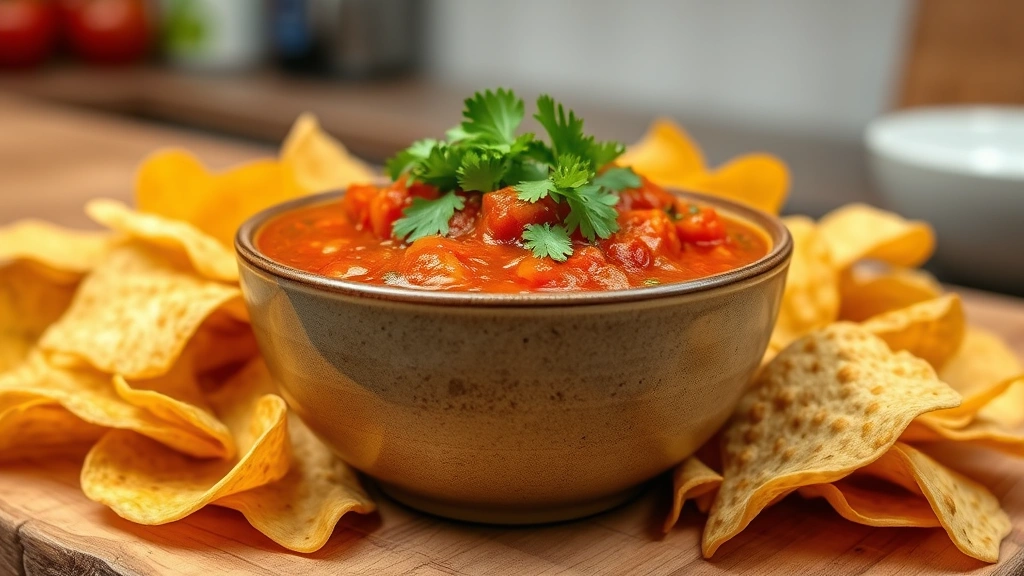
Making a chipotle salsa recipe at home is easier than you think, and honestly, it tastes better than anything you’ll grab from a jar at the grocery store. I’ve spent years tweaking this recipe in my kitchen workshop, and I’m ready to walk you through exactly how to nail that smoky, slightly spicy restaurant-quality flavor that’ll have everyone asking for your secret.
Table of Contents
Why Homemade Matters
Here’s the thing about store-bought salsa: it’s usually packed with preservatives, excess sodium, and a flavor profile that’s been sitting in a warehouse for months. When you make your own chipotle salsa recipe, you control every single ingredient. You get fresh tomatoes, real chipotle peppers with that authentic smoky kick, and the satisfaction of knowing exactly what went into your bowl.
The difference between homemade and commercial is night and day. Restaurant chefs know this secret—they make their salsas fresh because customers taste the quality immediately. You’re essentially becoming your own chef here, and the best part? It takes about 15 minutes from start to finish.
Ingredients You Need
Let’s keep this straightforward. You don’t need some fancy equipment or hard-to-find specialty items. Here’s what goes into a killer chipotle salsa recipe:
- 2 pounds fresh Roma tomatoes (or about 6-8 medium ones)
- 3-4 chipotle peppers in adobo sauce (this is crucial)
- 1 medium white onion, roughly chopped
- 2-3 cloves fresh garlic
- 1/4 cup fresh cilantro, loosely packed
- Juice from 1 lime (fresh is non-negotiable)
- 1 teaspoon salt (adjust to taste)
- 1/2 teaspoon cumin (optional but recommended)
The chipotle peppers in adobo sauce are the backbone of this recipe. You’ll find them in the Hispanic foods section of most grocery stores. They’re already smoked and packed in a tangy sauce, which means half your work is done before you even start.
Step-by-Step Guide
Step 1: Prep Your Tomatoes
Wash your Roma tomatoes and cut them in half lengthwise. If you want to remove the seeds for a thicker salsa, go ahead—though I usually leave them in for extra flavor and texture. The seeds contain a lot of the tomato’s natural acidity, which balances the smokiness beautifully.
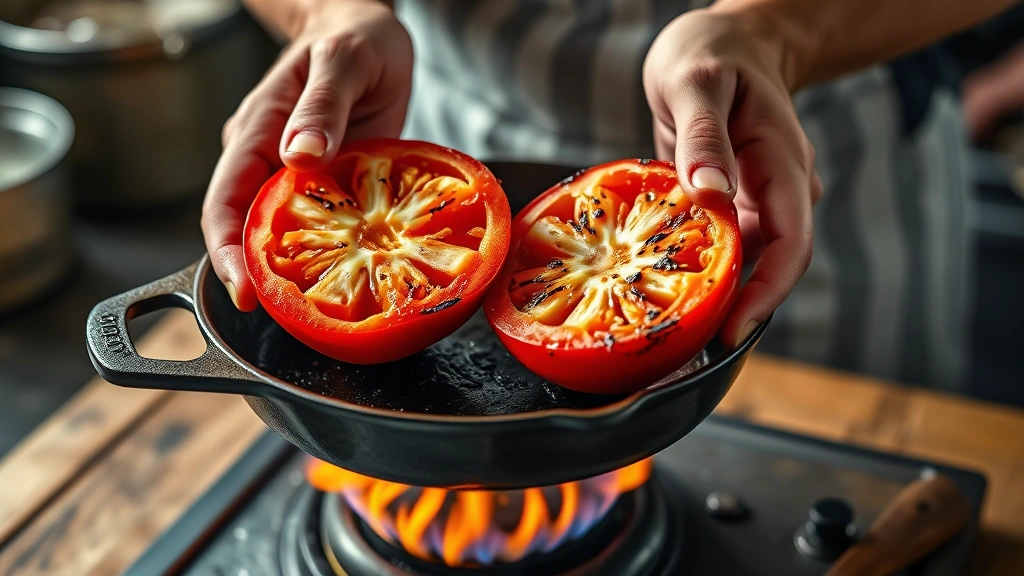
Step 2: Char Those Tomatoes
This is where the magic starts. Heat a cast-iron skillet or griddle over medium-high heat. Once it’s hot, place your tomato halves cut-side down on the surface. Let them sit for 3-4 minutes without moving them. You want a nice char on that cut side—it’ll deepen the flavor significantly. Flip and char the skin side for another 2 minutes. This charring process adds depth that raw tomatoes simply can’t deliver.
Step 3: Combine Your Base Ingredients
Once the tomatoes cool slightly, transfer them to a food processor. Add your chipotle peppers (reserve some of that adobo sauce—you’ll use it), the chopped onion, garlic cloves, and cilantro. Pulse everything together until you reach your desired consistency. I like mine with a little texture, not completely smooth, so I do about 8-10 pulses. If you want it chunkier, pulse less. Prefer it smoother? Go for 15-20 pulses.
Step 4: Season and Balance
Transfer your mixture to a bowl. Add the lime juice, salt, and cumin. Stir well and taste it. This is your adjustment moment. Need more smokiness? Add another chipotle pepper or a tablespoon of that adobo sauce. Want it spicier? Include the seeds from one of the chipotle peppers. Too spicy? Add more tomato or a splash of sour cream. The beauty of homemade is that you adjust on the fly.
Step 5: Chill and Rest
Pop your salsa in the fridge for at least 30 minutes. This resting period allows the flavors to meld together. The cilantro, lime, and chipotle smoke will integrate beautifully. Trust me—it tastes noticeably better after a rest than it does fresh off the blender.
The Smoking Technique
If you want to take your chipotle salsa recipe to the next level, you can smoke your own tomatoes instead of just charring them. You don’t need a fancy smoker—a simple grill with wood chips works perfectly. Soak some hickory or oak chips in water for 30 minutes, add them to your grill, and smoke those tomato halves for 5-7 minutes over indirect heat. The result is an even deeper, more authentic smoky flavor that’ll make people think you’re running a restaurant from your kitchen.
The charring method I described earlier gives you about 70% of the way there, though. If you’re short on time or equipment, the skillet approach is absolutely legitimate and delivers restaurant-quality results.
Flavor Customization
Here’s where you make this recipe your own. Some people like their chipotle salsa recipe with a hint of sweetness—add a tablespoon of honey or a pinch of sugar. Others prefer it with more depth—throw in some roasted garlic instead of raw. Want to experiment with heat levels? Use fewer chipotle peppers for mild, or add jalapeños for extra kick.
I’ve also had great success adding a tablespoon of fresh lime zest along with the juice for a brighter, more complex citrus note. Some cooks swear by a pinch of smoked paprika, which reinforces that smoky character. The foundation is solid, but the customization options are endless.
Storage Tips
Your homemade salsa will keep in an airtight container in the fridge for about 5-7 days. The flavors actually deepen over the first 2-3 days, so don’t be surprised if it tastes even better on day two. If you want to preserve it longer, you can freeze it in ice cube trays and pop out portions as needed—it’ll last about 3 months frozen.
One thing to note: the cilantro will lose some of its vibrancy after a few days. If you’re making salsa for long-term storage, consider adding the cilantro fresh when you serve it, or use about 25% less than the recipe calls for and add fresh cilantro as a garnish.
Troubleshooting Common Issues
Too Watery? You probably didn’t char your tomatoes long enough, or you didn’t remove the seeds. Next time, leave those halves on the heat for a full 4-5 minutes per side, and scoop out the seed pockets before blending.
Not Smoky Enough? Add another chipotle pepper or a teaspoon of smoked paprika. You can also increase the adobo sauce—it’s packed with flavor.

Too Spicy? Stir in some sour cream, Greek yogurt, or even more tomato. This dilutes the heat without sacrificing flavor. You can also remove the seeds from the chipotle peppers next time—they’re where most of the heat lives.
Tastes Flat? You need more salt or lime juice. These two ingredients are your flavor amplifiers. Add them gradually and taste as you go.
Serving Ideas
Obviously, this chipotle salsa recipe is perfect with tortilla chips, but get creative. Serve it alongside grilled fish or chicken. Spoon it over nachos with melted cheese. Use it as a topping for tacos, baked potatoes, or even scrambled eggs for breakfast. I’ve even dolloped it on top of cream cheese with some crackers for an appetizer that disappears fast.
For a party, make a big batch and set it out with multiple chip options. The smoky, complex flavor works with everything, and your guests will want the recipe. That’s when you smile and say you learned from a master craftsman.
Frequently Asked Questions
Can I use canned tomatoes instead of fresh?
You can, but fresh tomatoes really do make a difference in texture and flavor. If you must use canned, drain them well and skip the charring step. The result won’t be quite as good, but it’ll still be solid.
Where do I find chipotle peppers in adobo sauce?
They’re in the Hispanic or international foods section of most grocery stores. Look for brands like La Costeña or Goya. They usually come in small cans and cost about $1-2.
How hot is this salsa?
With 3-4 chipotle peppers, it’s moderately spicy—maybe a 5 or 6 out of 10 on the heat scale. It’s not blow-your-head-off hot, but it has a noticeable kick. Start with 2 peppers if you prefer milder, and work your way up.
Can I make this in a regular blender instead of a food processor?
Yes, but add a splash of water or adobo sauce to help it blend smoothly. You might also get a slightly smoother consistency than with a food processor, which is fine—it’s just a different texture preference.
Is this salsa suitable for meal prep?
Absolutely. Make a batch on Sunday and portion it into containers for the week. Just add fresh cilantro on top right before eating for maximum freshness.
Wrapping It Up
Making a chipotle salsa recipe from scratch is one of those kitchen projects that feels fancy but is genuinely simple. You’re working with real ingredients, controlling the flavor profile, and creating something that tastes demonstrably better than store-bought alternatives. The charring step is where most of the flavor magic happens, so don’t skip it. Take your time, taste as you adjust, and trust your palate.
Once you nail this recipe, you’ll never go back to jarred salsa. Your friends will think you’ve got some secret technique, and honestly, you do—it’s just fresh ingredients, proper technique, and a little patience. Now get in that kitchen and make some magic happen.


