

A chinese string beans recipe is one of those weeknight lifesavers that tastes like you spent hours in the kitchen when really you’ve got dinner on the table in under 20 minutes. This isn’t some fancy restaurant secret—it’s just crispy-tender beans, garlic, ginger, and a savory sauce that makes you wonder why you don’t cook this every week. Whether you’re meal prepping or feeding a hungry family, this stir-fry method works every single time.
Table of Contents
Why String Beans Work
String beans—also called green beans or long beans depending on the variety—are the MVP of quick stir-fries. They’ve got enough structure to stay crispy-tender instead of turning to mush, and their mild flavor soaks up whatever sauce you throw at them. Unlike delicate vegetables that need babying, string beans can handle high heat and aggressive tossing without falling apart. The texture contrast between the slightly charred exterior and the tender interior is exactly what makes this dish so satisfying.
The beauty of this chinese string beans recipe is that it respects the ingredient rather than drowning it. You’re building layers of flavor—the initial sear, the aromatics, the sauce—each one adding depth without overpowering the vegetable itself.
Ingredients & Prep
Here’s what you need for a solid four-serving batch:
- 1.5 pounds fresh string beans (trimmed)
- 4 cloves garlic (minced)
- 1 tablespoon fresh ginger (minced)
- 3 tablespoons soy sauce
- 1 tablespoon oyster sauce
- 1 teaspoon sesame oil
- 1/2 teaspoon sugar
- 1/4 cup chicken or vegetable broth
- 2 tablespoons vegetable oil (for cooking)
- 1/4 teaspoon red pepper flakes (optional)
- 2 green onions (sliced, for garnish)
The prep work makes or breaks this dish. Trim both ends off your string beans—snap them if you want to be precise, or just use a knife. Mince your garlic and ginger while your pan heats up. The smaller you cut these aromatics, the faster they release their flavor and the more evenly they distribute through the dish. Don’t skip the mincing step and just throw in chunks; trust me on this.
Building Your Sauce
Before you touch the stove, whisk together your sauce in a small bowl. This is non-negotiable. Combine soy sauce, oyster sauce, sesame oil, sugar, and broth. The soy sauce brings saltiness and umami depth. The oyster sauce adds that savory richness that makes people ask what’s in this. Sesame oil—just a teaspoon—gives you that toasted, nutty finish that screams authenticity. The sugar balances everything and helps the sauce coat the beans. The broth keeps it from being too intense.
This pre-mixed approach means you’re not scrambling with multiple bottles while your pan’s screaming hot. You just pour and go. If you want more heat, add red pepper flakes to the sauce mixture rather than sprinkling them in later; they’ll bloom and distribute evenly.
The Stir-Fry Technique
Heat your wok or large skillet over medium-high to high heat for a solid two minutes. You want it genuinely hot—if you’re not comfortable holding your hand above it, it’s ready. Add one tablespoon of oil and let it shimmer (about 30 seconds). This is the critical moment where most home cooks mess up: they add beans to oil that’s not hot enough, and the beans steam instead of sear.
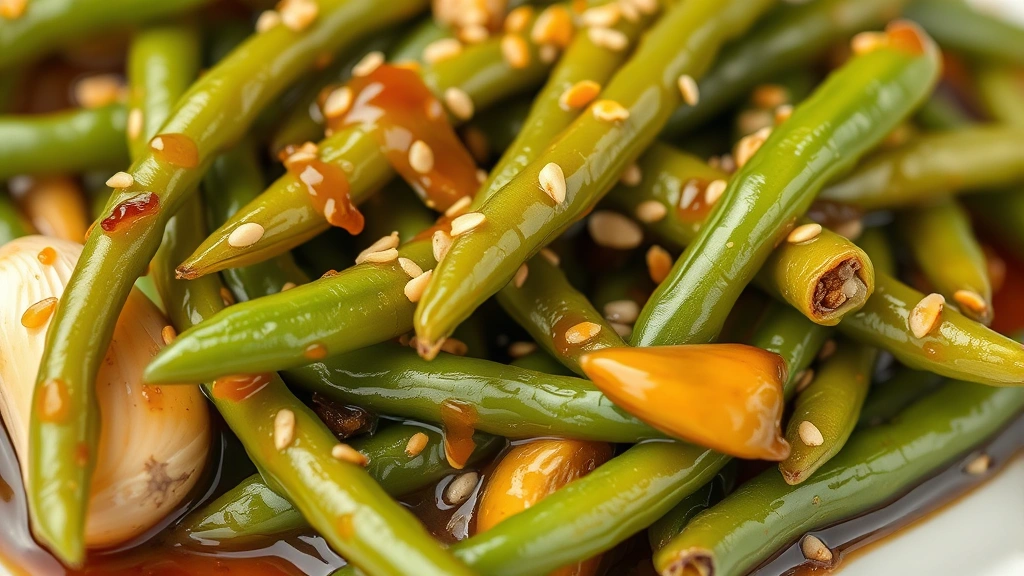
Working in batches if needed, add your trimmed string beans and don’t touch them for two minutes. Let them sit. This develops that golden-brown color and slight char that makes everything taste better. After two minutes, stir and toss for another two minutes. You’re looking for beans that are mostly tender but still have a slight snap when you bite them.

Remove the beans to a clean plate. Add the remaining tablespoon of oil to the pan, then immediately add your minced garlic and ginger. Cook for exactly 30 seconds—this is enough time to release the aroma without burning them. Burned garlic tastes bitter and ruins the whole dish. Pour in your pre-made sauce, stir it around for 10 seconds to combine, then add the beans back in. Toss everything together for another minute until the sauce coats every bean and reduces slightly.
Flavor Variations
Once you’ve nailed the basic version, you can customize this like crazy. Add minced pork or ground chicken during the garlic-ginger step and cook until no pink remains. Throw in cashews or peanuts in the last minute for crunch. A tablespoon of hoisin sauce adds sweetness and depth. If you want heat, fresh Thai chilies or sriracha work beautifully.
You can also swap the string beans for broccoli (following the steaming guidelines for proper texture), snap peas, or even bell peppers. The sauce method stays exactly the same. This flexibility makes it easy to build a rotation of stir-fries using the same technique but different vegetables.
Timing & Doneness
The entire cooking process takes about 8-10 minutes from start to finish. The beans should be tender enough to cut easily with a fork but still have enough structure that they don’t feel mushy. If you like them softer, add 30 seconds to the initial sear. If you prefer them crispier, reduce the sear time by a minute.
The sauce should be glossy and coat the beans without pooling at the bottom of the pan. If it’s too thin, you either added too much broth or your pan wasn’t hot enough to reduce it properly. If it’s too thick, add a splash more broth next time.
Serving & Pairings
Serve this over steamed rice, jasmine rice, or brown rice depending on what you’ve got. The sauce is made for soaking into grains. You can also serve it alongside noodles—egg noodles, ramen, or rice noodles all work. Some people eat it as a side dish to roasted chicken or fish.
Garnish with sliced green onions and sesame seeds if you want to get fancy. A squeeze of fresh lime juice brightens everything up. If you’re building a meal, pair it with something like jambalaya for a fusion dinner, or keep it traditional with steamed dumplings or egg rolls.
Storage & Leftovers
This dish keeps in the fridge for three to four days in an airtight container. The beans soften slightly as they sit, which some people prefer. Reheat gently in a wok or skillet over medium heat, adding a splash of water if the sauce has thickened too much. You can also eat it cold straight from the container as a salad-like side dish.
Don’t freeze this—the texture of the beans changes and becomes grainy. Make it fresh when you need it; the whole process is so quick that there’s no real time penalty for cooking it the day you want to eat it.
Frequently Asked Questions
Can I use frozen string beans?
Technically yes, but the results won’t be as good. Frozen beans have already released moisture and won’t get that nice sear. If you’re stuck with frozen, thaw them completely and pat them dry before cooking. Add them to the pan after you’ve already started the sear on fresh beans, or they’ll steam instead of fry.
What if I don’t have oyster sauce?
Use an extra tablespoon of soy sauce instead, but you’ll lose some of that savory depth. Fish sauce adds complexity if you have it—just use a teaspoon instead of oyster sauce. Hoisin sauce works too, though it’s sweeter.
Is sesame oil necessary?
It’s not strictly necessary, but it’s the difference between good and great. A teaspoon is cheap and lasts forever in your pantry. If you genuinely don’t have it, skip it rather than substituting with something else. The dish will still taste good.
How do I prevent the beans from sticking?
Make sure your pan is hot enough before you add oil, and make sure the oil is shimmering before you add beans. Don’t overcrowd the pan—work in batches if needed. Use a wok or large skillet, not a small saucepan.
Can I make this ahead?
You can prep all your ingredients ahead—mince garlic and ginger, trim beans, mix the sauce. Store each component separately and cook when ready. Don’t cook the beans ahead and try to reheat them; they get mushy and lose that textural appeal that makes this dish special.
What’s the difference between string beans and long beans?
Long beans are thinner and longer (sometimes called yard-long beans), while string beans are shorter and slightly thicker. Both work with this recipe, though long beans might need an extra minute of cooking time. The sauce method is identical.


