

A chicago style dogs recipe is the ultimate guide to recreating those iconic Vienna Beef hot dogs loaded with mustard, onions, relish, tomatoes, pickles, peppers, and celery salt—the way they’ve been served on Chicago street corners since the 1920s. If you’ve ever bitten into an authentic Chicago dog, you know it’s not just about the sausage; it’s about the precise layering of toppings, the quality of ingredients, and understanding why this particular combination became a legendary street food.
Table of Contents
The Anatomy of a Chicago Dog
Before you start building your chicago style dogs recipe masterpiece, you need to understand what makes this specific hot dog configuration legendary. A proper Chicago dog isn’t just a hot dog with random toppings thrown on—it’s a carefully orchestrated combination where each ingredient plays a specific role. The order matters. The proportions matter. The quality of each component matters.
The traditional Chicago dog starts with a steamed or boiled Vienna Beef frank (never grilled, never charred), nestled in a poppy seed bun. From there, you’re building layers: yellow mustard applied in a thin zigzag pattern, then chopped white onions, bright green relish, tomato slices, dill pickle spears, sport peppers (those small, fiery green peppers), and finally, a sprinkle of celery salt. Some vendors add a thin layer of mustard under the onions for extra tang. The whole thing should be a balanced bite—you get heat from the peppers, brightness from the pickles, sweetness from the relish, and that essential umami kick from the mustard.
What you’ll never find on an authentic Chicago dog: ketchup. This is non-negotiable. Ketchup is considered a cardinal sin in Chicago hot dog culture. You’ll also never see mayonnaise, sauerkraut, or chili. These are the rules that separate a genuine Chicago dog from an imposter.
Choosing the Right Hot Dog
The foundation of any great chicago style dogs recipe is the hot dog itself. Vienna Beef is the traditional choice, and for good reason. These are all-beef franks with a specific snap and flavor profile that’s been perfected since 1920. They’re not the cheapest option, but they’re worth every penny if you’re serious about authenticity.
Vienna Beef franks are typically available in two sizes: regular (about 5.5 inches) and jumbo. For a traditional Chicago dog, stick with the regular size. These dogs have a natural casing that gives them a satisfying snap when you bite into them, and they’re seasoned with a blend of spices that complement rather than overpower the toppings.
If you can’t find Vienna Beef in your area, look for other all-beef franks with natural casings. Check the ingredient list—you want beef, spices, and minimal fillers. Avoid anything with poultry, mechanically separated meat, or excessive additives. The quality of your frank directly impacts the final product. You’re not making a gourmet burger here, but you’re also not using gas station hot dogs.
Buy your franks fresh, and if you’re not using them immediately, store them in the coldest part of your refrigerator. Most hot dogs stay fresh for about two weeks, but check the package date. Never use a hot dog that’s past its expiration date.
Essential Toppings Breakdown
Now let’s talk about what goes on top. Each topping in a chicago style dogs recipe serves a specific purpose, and understanding these roles will help you execute the recipe perfectly.
Yellow Mustard: This isn’t fancy Dijon or whole grain—it’s bright yellow ballpark mustard. The acidity cuts through the richness of the beef frank and provides a sharp, tangy foundation. Apply it in a thin zigzag pattern along the length of the frank. Too much mustard overwhelms everything else; too little and you lose that essential tang.
Chopped White Onions: These should be finely diced, almost minced. Raw white onions provide a sharp, peppery bite that contrasts beautifully with the other toppings. The texture should be fine enough to stay on the hot dog without rolling off. Many Chicago vendors use a specific onion chopper to achieve uniform pieces.
Bright Green Relish: This is sweet pickle relish—not dill relish, not spicy relish. It should be bright green and slightly sweet. This provides sweetness and texture contrast. A generous spoonful is traditional, but don’t go overboard or you’ll make the bun soggy.
Fresh Tomato Slices: Thin slices of ripe tomato add juiciness and freshness. Use a tomato that’s firm enough to slice cleanly without falling apart. The tomato should be placed directly on the frank, not on top of other toppings, so it doesn’t slide around.
Dill Pickle Spears: These are whole spear-length pickles, not relish. They should be placed lengthwise along the frank. The vinegar and dill provide brightness and crunch. A traditional Chicago dog gets two spear halves or one full spear.
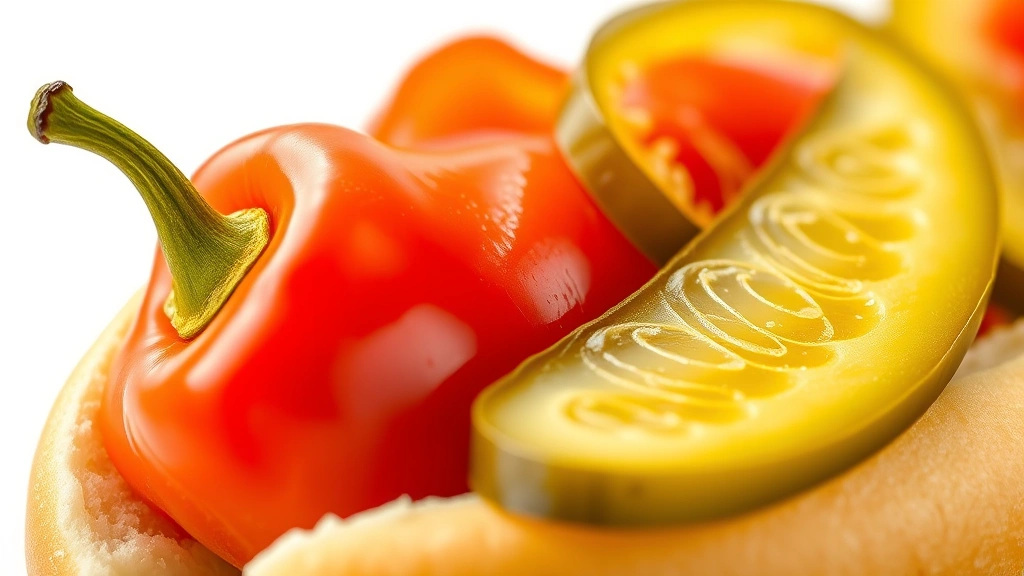
Sport Peppers: These small, bright green peppers are the heat component. They’re about 1-2 inches long and pack serious heat—around 50,000-100,000 Scoville Heat Units. A typical Chicago dog gets 2-4 whole peppers placed on top. If you can’t find sport peppers, jalapeños are a distant second, but they’re larger and have a different flavor profile.
Celery Salt: This is the finishing touch—a light sprinkle of celery salt over the entire assembled dog. It adds a subtle herbal note and brings all the flavors together. Don’t use regular salt; celery salt has a specific flavor that’s essential to the authentic taste.
Step-by-Step Assembly Guide
The order of assembly matters more than most people realize. Here’s how to build an authentic chicago style dogs recipe:
Step 1: Prepare Your Bun Start with a fresh poppy seed bun. Some Chicago vendors lightly butter and toast the bun, which adds flavor and prevents it from getting soggy. This is optional but recommended. The bun should be warm when you place the frank in it.
Step 2: Place the Frank Put your cooked frank directly in the bun. Make sure it’s centered and secure. The frank should fit snugly without splitting the bun.
Step 3: Apply Mustard Using a thin stream of mustard, create a zigzag pattern along the length of the frank. You want thin coverage—about one-quarter to one-third of the frank’s surface should be covered with mustard.
Step 4: Add Onions Sprinkle the finely chopped white onions evenly along the length of the frank. A generous tablespoon is typical. The onions should cover most of the frank but not be piled so high that they fall off.
Step 5: Add Relish Place a generous spoonful of bright green relish along the frank, distributing it so you get relish in every bite. About 1-2 tablespoons is standard.
Step 6: Add Tomato Slices Place thin tomato slices directly on the frank, slightly overlapping them. You typically want 2-3 slices per dog. The tomato should sit on the frank itself, not on top of other toppings.
Step 7: Add Pickle Spears Place dill pickle spears lengthwise along the frank. One full spear or two halves is traditional. Position them so they’re secure and won’t slide off.
Step 8: Add Sport Peppers Place 2-4 whole sport peppers on top of the assembled dog. They should be distributed along the length so you get heat in every bite.
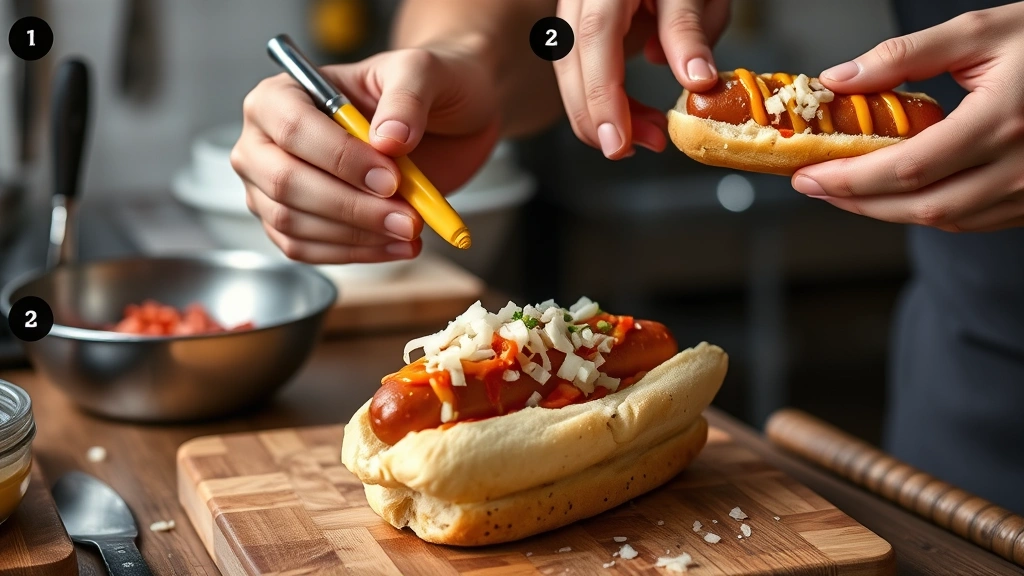
Step 9: Finish with Celery Salt Give the entire assembled dog a light sprinkle of celery salt. This is the final seasoning that brings everything together.
Step 10: Serve Immediately A Chicago dog is best served immediately after assembly, while the frank is still hot and the bun is warm. The longer it sits, the more the bun absorbs moisture and becomes soggy.
Cooking Methods That Work
The method you use to cook your frank matters. Chicago tradition calls for steaming or boiling, never grilling. Here’s why: grilling creates char marks and a crispy exterior, which changes the texture and flavor profile. A Chicago dog should have a snappy, tender interior with a thin skin that yields easily when you bite into it. Steaming or boiling preserves this texture.
Steaming Method: Fill a pot with about 2 inches of water and bring it to a boil. Place a steamer basket or colander over the water (the water shouldn’t touch the basket). Place your franks in the basket, cover, and steam for about 5-7 minutes. The franks will plump up slightly and develop a tender texture. This is the preferred method used by many Chicago vendors.
Boiling Method: Fill a pot with water and bring it to a rolling boil. Add your franks and reduce heat to a simmer. Boil for 4-5 minutes. Don’t let the water boil too vigorously or the franks might split. This method is slightly faster than steaming.
Hot Water Bath Method: Fill a pot with water and heat it until it’s steaming but not quite boiling (around 180-190°F). Add your franks and let them sit for about 5-10 minutes. This gentler method prevents overcooking and is excellent if you’re keeping franks warm for extended periods.
Whatever method you choose, never let the frank boil vigorously for extended periods. You want it heated through and tender, not shriveled and split. A properly cooked frank should be hot throughout but still maintain its shape and texture.
Common Mistakes to Avoid
Even with good ingredients, a few common mistakes can derail your chicago style dogs recipe. Here’s what to watch out for:
Mistake #1: Using Ketchup This is the cardinal sin. Ketchup is never used on an authentic Chicago dog. It’s too sweet and overwhelms the other flavors. If you’re craving that sweetness, you’re getting enough from the relish.
Mistake #2: Grilling the Frank Grilling creates char and changes the texture. Stick with steaming or boiling. If you absolutely must grill, do it very gently over low heat, just to warm it through.
Mistake #3: Using Stale Buns A soggy or stale bun ruins the entire experience. Always use fresh, quality poppy seed buns. If they’re not fresh when you buy them, lightly toast them before assembly.
Mistake #4: Over-Loading Toppings More isn’t always better. A properly assembled Chicago dog should be balanced, not a sloppy mess. You want to taste each component. If you can’t hold it without everything falling off, you’ve added too much.
Mistake #5: Using Regular Salt Instead of Celery Salt This might seem like a minor detail, but celery salt has a specific flavor profile that regular salt doesn’t provide. Don’t skip this step or substitute it.
Mistake #6: Letting It Sit Too Long Assemble your dogs right before serving. The longer they sit, the more the bun absorbs moisture from the toppings and becomes soggy. A Chicago dog is a fresh food—treat it that way.
Serving and Perfect Side Pairings
A chicago style dogs recipe doesn’t exist in isolation. It’s traditionally served with specific sides that complement the flavors. Here’s what pairs well:
Chicago-Style Fries: Crispy-outside, fluffy-inside fries are the classic pairing. Some Chicago stands serve them seasoned with a light sprinkle of salt and sometimes a touch of vinegar. The contrast between the hot, crispy fries and the juicy, topping-laden hot dog is perfect.
Pickle Spear on the Side: Many Chicago stands serve an additional whole pickle spear on the side, separate from the dog itself. This provides extra crunch and vinegar punch between bites.
Coleslaw: A light, vinegar-based coleslaw provides freshness and crunch. This is less traditional than fries, but it’s a great complement if you want something lighter.
Beverage Pairings: A cold, crisp beer is the traditional pairing—nothing fancy, just a classic lager or pilsner. If you’re not drinking alcohol, a cold root beer or lemonade works great. The carbonation cuts through the richness of the frank and toppings. You might also check out our Cafe Mocha Recipe for a warm beverage option if you’re serving these at a different time of day.
Condiment Station: If you’re serving multiple Chicago dogs, set up a condiment station so people can customize slightly. Have extra mustard, relish, onions, and peppers available. Some people prefer extra heat; others prefer less. Having options keeps everyone happy.
Storage and Make-Ahead Tips
While a Chicago dog is best served fresh, you can do some preparation ahead of time. Here’s how to manage timing:
Prep Components Ahead: Chop your onions, slice your tomatoes, and measure out your relish and celery salt the day before. Store each component in separate containers in the refrigerator. This way, assembly is quick and easy when you’re ready to serve.
Cook Franks in Advance: You can steam or boil your franks up to 4 hours ahead of time. Store them in a covered container in the refrigerator. When you’re ready to serve, reheat them gently in simmering water for 2-3 minutes until they’re hot throughout.
Toast Buns Just Before Serving: Don’t toast your buns too far in advance or they’ll dry out. Toast them 10-15 minutes before you plan to assemble the dogs. If you’re serving multiple people, you might toast them in batches.
Leftover Storage: Leftover cooked franks keep in the refrigerator for 3-4 days in a covered container. Leftover toppings vary—relish and pickles last longer than fresh tomatoes and onions. Fresh tomatoes are best used within a day.
Freezing Options: You can freeze cooked franks for up to 2-3 months. Thaw them in the refrigerator overnight and reheat gently before serving. Don’t freeze assembled dogs—the bun texture suffers significantly.
Regional Variations Worth Trying
While we’re focused on the authentic Chicago style dogs recipe, it’s worth knowing about regional variations. Understanding these helps you appreciate what makes the Chicago version unique:
New York Street Dog: Simpler than a Chicago dog—just a frank, bun, and optional sautéed onions and mustard. No pickles, no peppers, no relish. It’s all about the frank quality.
Detroit Coney Dog: Features a thin layer of chili (specifically a spiced meat sauce) on top, plus mustard, onions, and sometimes cheese. It’s heartier and warmer than a Chicago dog.
Slaw Dog: Popular in parts of the Midwest, this features a creamy coleslaw on top of the frank. It’s a bit heavier than a Chicago dog. Our Buttermilk Ranch Recipe could work as a dressing base if you wanted to experiment with variations.
Chili Dog: A frank topped with chili, cheese, and onions. More of a meal than a snack, and definitely not a Chicago dog.
The beauty of the Chicago dog is its simplicity and balance. It doesn’t need chili or cheese or mayo—the fresh toppings and quality frank are enough.
Frequently Asked Questions
Can I use a different type of hot dog?
Technically, yes, but it won’t be authentic. Vienna Beef franks are specifically formulated for Chicago dogs. If you can’t find them, look for other all-beef franks with natural casings. Avoid anything with poultry or fillers. The frank quality directly impacts the final product, so don’t cheap out here.
What if I can’t find sport peppers?
Sport peppers are essential to the authentic flavor profile, but they can be hard to find depending on where you live. Check specialty grocery stores, Latin markets, or order them online. If you absolutely can’t find them, small jalapeños are a distant second, but they’re larger and have a different heat profile. Never substitute with bell peppers—they have no heat and change the entire flavor.
Is the poppy seed bun really necessary?
Yes. The poppy seed bun is part of the authentic Chicago dog experience. It has a slightly sweet flavor that complements the toppings. A plain hot dog bun just doesn’t work. If you can’t find poppy seed buns locally, order them online or check bakery sections of grocery stores.
Can I make Chicago dogs vegetarian?
You can certainly make a hot dog with vegetarian franks and all the traditional toppings, but it won’t be a traditional Chicago dog. The all-beef frank is central to the recipe. That said, quality vegetarian franks exist, and they’d work with the same topping combination if you’re looking for a plant-based option.
How many sport peppers should I use?
This depends on your heat tolerance. The traditional amount is 2-4 whole peppers. If you like heat, go with 4. If you’re sensitive to spicy food, use 2 or even just 1. The peppers are meant to add heat, not overwhelm, so start conservative and adjust based on your preference.
Why no ketchup on a Chicago dog?
Ketchup is considered too sweet and overpowering for a Chicago dog. The relish already provides sweetness, and the other toppings create a balanced flavor profile. Ketchup would throw off that balance. This is a hard rule in Chicago—using ketchup is basically admitting you don’t know what you’re doing. If you want sweetness, you’re getting it from the relish.
Can I grill the frank instead of steaming?
Not if you want an authentic Chicago dog. Grilling creates char and changes the texture. A Chicago dog should have a snappy, tender frank with a thin skin. Steaming or boiling preserves this texture. Grilling is for other styles of hot dogs, not Chicago dogs.
What’s the best way to reheat cooked franks?
Place them in simmering water for 2-3 minutes until they’re hot throughout. Don’t use a microwave—it makes them rubbery. Don’t use boiling water for extended periods—they’ll split. Gentle, brief reheating in simmering water is best.
Can I make these ahead for a party?
You can prep components ahead, but assemble the dogs right before serving. If you assemble them too far in advance, the bun gets soggy. Cook your franks ahead and reheat them gently. Have all your toppings prepped and ready. Assembly only takes a few minutes per dog once everything is ready.
Where can I buy Vienna Beef franks?
Many grocery stores carry them, especially in the Midwest. Check the hot dog section. If your local store doesn’t have them, check specialty grocery stores or order online. Amazon, specialty meat retailers, and Chicago-themed food sites all carry Vienna Beef products. They’re worth ordering online if you can’t find them locally.
Final Thoughts
Mastering a chicago style dogs recipe is about respecting tradition while understanding the “why” behind each component. This isn’t a complicated dish—it’s a perfect balance of quality ingredients assembled in a specific order. Start with the best frank you can find, use fresh toppings, and follow the assembly order. Don’t skip steps or substitute ingredients just because you think they’re minor details.
The Chicago dog has been perfected over a century. It’s a street food that works because every component serves a purpose. The mustard provides tang, the onions provide sharpness, the relish provides sweetness, the pickles provide crunch and vinegar, the tomatoes provide freshness, the peppers provide heat, and the celery salt brings it all together. Remove any one component and you’ve lost something essential.
If you’re looking for other recipe ideas to complement your hot dog spread, consider our Blueberry Syrup Recipe for desserts or our Blackberry Mojito Recipe for beverages. For heartier mains, check out our Boston Butt Recipe or Burmese Food Mohinga Recipe for something completely different.
Now get out there and make some authentic Chicago dogs. Once you nail this recipe, you’ll understand why this simple combination has been a Chicago staple for over a century. It’s not fancy. It’s not complicated. It’s just perfect.


