
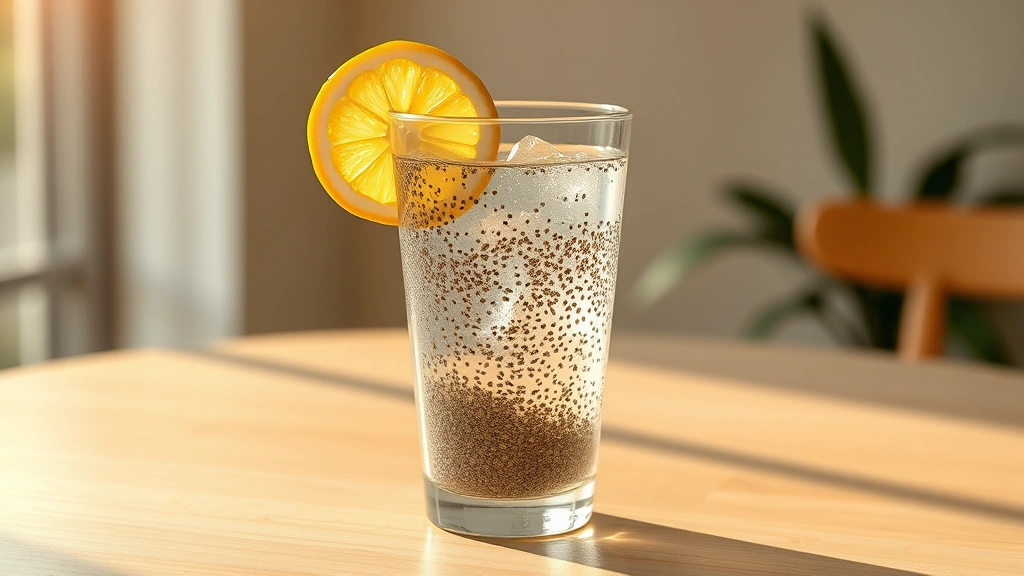
A chia seed water recipe is one of the simplest wellness drinks you can make at home, and honestly, it’s a game-changer for staying hydrated throughout the day. If you’ve been scrolling through health blogs and wondering what all the fuss is about, let me break it down for you—chia seeds absorb liquid and create this gel-like texture that keeps you feeling full longer while delivering a solid dose of fiber, omega-3s, and nutrients. No fancy equipment needed, no complicated steps. Just a few minutes of your time and you’ve got yourself a drink that actually tastes good and makes your body feel better.
Table of Contents
What Are Chia Seeds?
Chia seeds come from the Salvia hispanica plant, native to Mexico and Central America. These tiny black or white seeds have been used for centuries—Aztec warriors actually relied on them for endurance during long journeys. What makes them special is their ability to absorb up to 12 times their weight in liquid. When you soak them in water, they develop that distinctive gel coating that feels almost like tapioca pearls. The seeds themselves are packed with fiber, protein, and those trendy omega-3 fatty acids everyone keeps talking about. You can find them at any grocery store these days, usually in the health food or baking section, and they’re honestly pretty affordable for what you get.
Why Drink Chia Water?
Beyond the basic hydration you get from any water, chia seed water brings some legitimate benefits to the table. The soluble fiber in chia seeds slows down digestion, which means you feel fuller longer and your blood sugar doesn’t spike as dramatically after meals. That’s why people often drink this before workouts or as a meal replacement when they’re in a pinch. The seeds also contain antioxidants that help fight inflammation, and they’re one of the best plant-based sources of omega-3s if you’re vegetarian or vegan. Plus, there’s something satisfying about drinking something that actually has texture and substance to it—it feels more like a proper beverage than plain water. If you’re looking for other hydrating recipes with similar benefits, check out our agua fresca recipe for another refreshing option.
Basic Recipe in 5 Steps
Here’s the no-nonsense approach to making a solid chia seed water recipe that you’ll actually want to drink:
Step 1: Gather Your Ingredients
You need just three things: water, chia seeds, and something for flavor. Start with 1 cup of water and 1 tablespoon of chia seeds. That’s your baseline. For flavor, grab a squeeze of fresh lemon or lime juice—this is essential because plain chia water can taste a bit bland on its own. If you want something sweeter, have honey or agave nectar on hand.
Step 2: Pour Water Into Your Glass
Use filtered or tap water at room temperature. Cold water works too, but room temperature allows the seeds to hydrate more evenly. Fill your glass about three-quarters full so you have room for the seeds to expand without overflowing.
Step 3: Add Your Chia Seeds
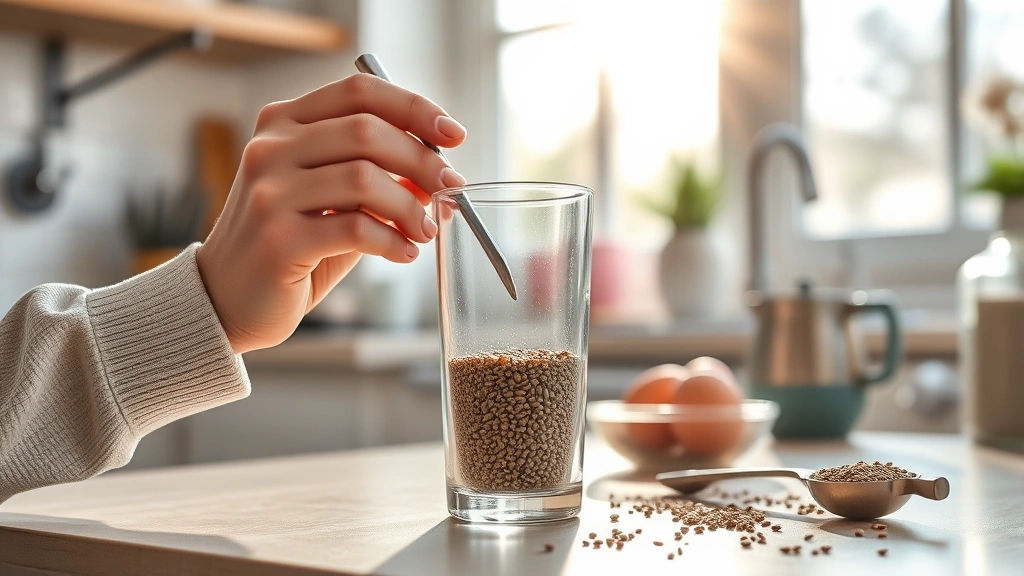
Measure out one tablespoon of chia seeds and pour them directly into the water. Don’t worry about them sinking to the bottom initially—they will. Stir immediately to prevent clumping. You want them dispersed throughout the liquid so they hydrate evenly.
Step 4: Let It Sit and Thicken
This is where patience comes in. Wait about 5-10 minutes. During this time, the seeds absorb the water and develop that gel coating. Give it a stir halfway through if you want to ensure even distribution. If you like a thicker consistency, let it sit closer to 10 minutes. If you prefer it thinner, pull it back to 5 minutes.
Step 5: Add Flavor and Drink
Squeeze in your lemon or lime juice, add a touch of honey if you want sweetness, and give it one final stir. Drink it right away or let it chill in the fridge for a few minutes. The longer it sits, the thicker it gets, so adjust your timing based on your texture preference.
Flavor Variations That Work
Plain chia seed water is fine, but why settle for fine when you can make it actually exciting? Here are flavor combinations that genuinely work:
Citrus Kick: Lemon and lime juice with a pinch of sea salt. This is the most popular version for good reason—the acidity brightens everything up and the salt enhances the mineral content.
Tropical Twist: Add coconut water instead of plain water, then squeeze in some lime juice and maybe a teaspoon of vanilla extract. It tastes like a beach vacation in a glass.
Berry Blend: Blend fresh berries (raspberries, blueberries, or strawberries) with water first, then add your chia seeds. This gives you color, natural sweetness, and antioxidants on top of what the seeds already provide. For more berry inspiration, check out our blueberry syrup recipe that you can drizzle into your chia water.
Ginger-Honey Comfort: Add a teaspoon of fresh grated ginger, a squeeze of lemon, and a drizzle of raw honey. This version is perfect when you’re feeling under the weather or want something warming.
Mint Refresh: Muddle a few fresh mint leaves in your glass, add water, chia seeds, and lime juice. It’s refreshing without being overly sweet.
Best Practices for Prep
Getting the best results from your chia seed water recipe comes down to a few key techniques:
Seed Quality Matters: Buy chia seeds from sources with good turnover. Old seeds won’t hydrate as well and might taste slightly rancid. Store them in an airtight container away from heat and light—a cool pantry or the fridge works great.
Water Temperature: Room temperature water hydrates seeds more efficiently than ice-cold water. If you want your drink cold, let the seeds hydrate first in room temperature water, then add ice at the end.
Stir Consistently: Don’t just dump seeds and walk away. Stir at the 2-minute mark and again at the 5-minute mark. This prevents them from clumping at the bottom and ensures even gel formation.
Ratio Flexibility: The 1:1 tablespoon seeds per cup of water ratio is your starting point. If you like thicker drinks, add more seeds. If you prefer thinner, use less. Some people go up to 2 tablespoons per cup—it’s entirely personal preference.
Fresh Ingredients: Use fresh citrus juice, not bottled stuff with preservatives. The flavor difference is noticeable, and you’re already making something healthy—might as well keep it clean.
Storage and Shelf Life
Here’s the practical stuff about keeping your chia seed water fresh and drinkable:
You can make chia seed water up to 24 hours in advance and store it in the fridge. The seeds continue to absorb liquid and get thicker over time, so if you’re prepping for the week, keep that in mind. After about 24 hours, the texture becomes almost pudding-like, which some people love and others find off-putting. If you’re batch-prepping, make it fresh daily or store seeds and water separately, then combine them when you’re ready to drink.
Don’t leave chia seed water sitting at room temperature for more than an hour or two. The wet environment is perfect for bacteria growth, especially if you’ve added fresh fruit or honey. Always refrigerate immediately after making it.
The seeds themselves last for months in a cool, dark place. Check the package for an expiration date, but honestly, they’re pretty shelf-stable. I’ve used seeds that were a year old with no issues, though they might hydrate slightly slower.
Troubleshooting Common Issues
Seeds Keep Clumping: You’re not stirring enough. Stir immediately after adding seeds and again at the halfway point. If clumps form, break them up with a spoon or blend the whole thing for 10 seconds.
Drink Tastes Bland: You need more flavor. Don’t be shy with lemon or lime juice. Add at least a half-squeeze per cup. If you want sweetness, honey or agave work better than sugar because they dissolve more easily.
Texture Feels Slimy: This is the gel coating doing its job. If you hate it, you’re using too many seeds or letting it sit too long. Try reducing to 1 teaspoon of seeds and drinking it after just 5 minutes of soaking.
Seeds Aren’t Gelling: Your water might be too cold. Room temperature water works better for seed hydration. Also, check that your seeds aren’t old—old seeds hydrate poorly.
Stomach Feels Off After Drinking: You might be consuming too much fiber too quickly. Start with half a tablespoon of seeds and work your way up. Chia seeds are fiber-dense, and your digestive system needs time to adjust if you’re not used to high-fiber foods.
Serving and Drinking Tips
How you serve and consume your chia seed water actually affects how much you enjoy it:
Drink it fresh, right after making it, if you prefer a thinner, more drinkable consistency. If you like thicker drinks that feel more substantial, let it sit in the fridge for a couple hours before drinking. Use a wide straw or spoon to get the seeds with each sip—they’re where the nutrition is.
Best time to drink chia seed water is first thing in the morning on an empty stomach for maximum absorption, or about 30 minutes before a workout for sustained energy. Some people drink it as a light meal replacement because the fiber and seeds keep them satisfied for hours.
If you’re making this as part of a broader wellness routine, pair it with other nutritious drinks. Our bullet coffee recipe makes an excellent complement if you want something with a bit more substance later in the day.
Frequently Asked Questions
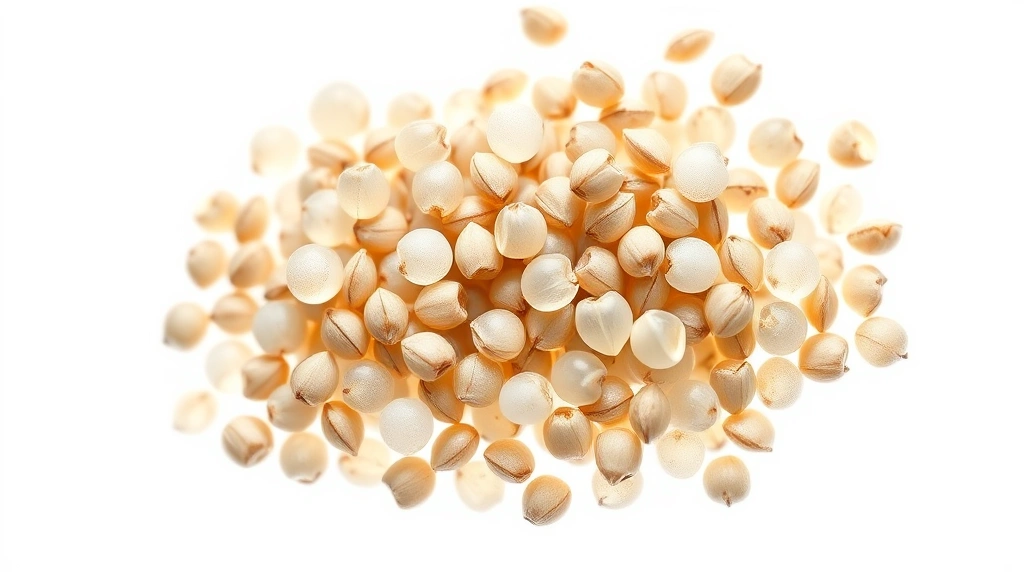
Can I use white chia seeds instead of black?
Absolutely. White and black chia seeds are nutritionally similar—white seeds are just a different variety. White seeds are slightly milder in flavor and look less dramatic in clear water if aesthetics matter to you. The hydration and gel-forming properties are essentially identical.
How much chia seed water should I drink daily?
Most health experts recommend starting with one serving (about 1 tablespoon of seeds) per day and working up to two servings if you want more. Don’t go overboard—too much fiber too fast can cause digestive discomfort. Listen to your body and adjust accordingly.
Is chia seed water safe for everyone?
It’s generally safe for most people, but if you’re pregnant, nursing, taking blood thinners, or have a history of digestive issues, check with your doctor first. The seeds are nutrient-dense and can interact with certain medications.
Can I add protein powder to my chia seed water?
Yes, though it changes the texture. Mix the protein powder with a small amount of water first to dissolve it, then add your chia seeds. Some people blend the whole thing together for a smoother consistency.
Why does my chia seed water separate?
The seeds naturally want to settle at the bottom. This is normal. Just give it a stir before drinking to redistribute them. If you want to prevent separation, blend the whole drink for 10-15 seconds right before serving.
Can I make chia seed water with flavored water or juice?
You can, but start with half the amount of juice and half water to avoid making it too sweet. Pure juice can be overwhelming, and the seeds absorb flavor intensely. Mixing juice and water gives you better balance.
Do I need to grind chia seeds for better digestion?
Not necessary. Whole chia seeds hydrate beautifully in water and your body can digest them fine, especially when they’ve absorbed liquid. Some people grind them for smoothies, but for chia seed water, whole seeds are perfect.
What’s the difference between chia seed water and chia seed pudding?
Chia seed water uses more liquid (1 tablespoon seeds per cup of water) and is meant to be a beverage you drink. Chia seed pudding uses less liquid (1 tablespoon seeds per half cup of liquid) and creates a thicker, spoon-eating consistency. It’s basically the same concept, just different ratios and serving style.
Final Thoughts
Making a proper chia seed water recipe is genuinely one of the easiest wellness moves you can make. Five minutes of actual work gets you a drink that hydrates you better than plain water, keeps you feeling full, and delivers real nutritional benefits. The key is not overthinking it—start with the basic formula, find a flavor combination you actually enjoy, and make it part of your routine. Once you’ve nailed the basics, you can get creative with variations and experiment with different flavor combinations. Whether you’re doing this for the health benefits, the convenience, or just because you want something more interesting than plain water, this recipe delivers. Grab some chia seeds, follow the steps, and you’ll be drinking like you’ve got your act together in about five minutes flat.


