
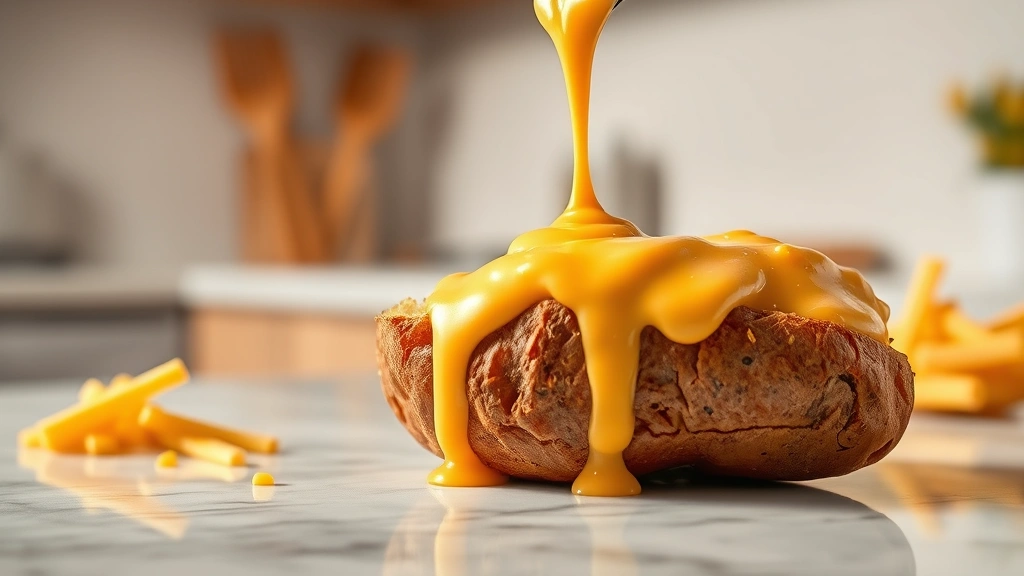
A solid cheddar cheese sauce recipe is one of those kitchen skills that separates people who just eat food from people who actually enjoy cooking. This isn’t complicated restaurant nonsense—it’s straightforward, practical, and honestly, once you nail it, you’ll wonder why you ever bought the jarred stuff.
Table of Contents
Why Homemade Matters
Look, I get it. You’re busy. But homemade cheddar cheese sauce takes literally ten minutes, tastes infinitely better than anything shelf-stable, and costs a fraction of what you’d spend on premade versions. You control the cheese quality, the salt level, and whether it’s thick or pourable. That’s power.
Store-bought sauces sit in warehouses for months. They’re loaded with stabilizers and emulsifiers that make them taste vaguely like cheese-flavored plastic. Your homemade version? Fresh, creamy, and actually tastes like real cheddar. Once you taste the difference, there’s no going back.
Ingredients You Need
This recipe is refreshingly simple. You need:
- 2 tablespoons butter (unsalted, so you control salt)
- 2 tablespoons all-purpose flour
- 1 cup whole milk (not skim—fat matters here)
- 1/2 teaspoon salt
- 1/4 teaspoon black pepper
- 1/4 teaspoon cayenne pepper (optional, but adds depth)
- 1 teaspoon dry mustard powder (trust me on this)
- 2 cups sharp cheddar cheese, shredded (freshly shredded, not pre-packaged)
- 1/4 cup heavy cream (optional, for richness)
That’s it. Eight to nine ingredients, most of which you already have. The dry mustard powder is the secret weapon—it amplifies the cheese flavor without making it taste like mustard. Seriously.
Step-by-Step Process
Here’s the workflow. Get a saucepan (medium size, nothing fancy) and set it over medium heat. You’re not rushing this. Medium heat is your friend because high heat will break the sauce and make it grainy.
Melt your butter first. Once it’s foaming, add the flour and stir constantly for about one minute. This creates what’s called a roux, and it’s the foundation of your entire sauce. Don’t skip this step or rush it.
Slowly add the milk while whisking continuously. This prevents lumps from forming. Add it gradually—you’re not dumping a gallon in at once. Keep whisking until the mixture is smooth and starts to thicken, about three to four minutes.
Once it’s thickened slightly, add your salt, pepper, cayenne, and dry mustard powder. Stir it all in. Now comes the critical part: reducing heat to low and adding your shredded cheddar cheese in handfuls.
The Roux Foundation
The roux is where most people mess up, so let’s talk about it properly. A roux is just fat and flour cooked together to create a thickening agent. The flour gelatinizes and traps liquid, creating that creamy texture you want.
Cook your roux for at least one full minute after adding the flour. This cooks out the raw flour taste. If you skip this, your sauce will taste floury and off. The roux should look like wet sand, not clumpy or separated.
When you add milk, do it slowly and whisk constantly. If you dump it all in at once, you’ll get lumps that are nearly impossible to fix. A slow, steady approach takes thirty seconds longer but saves you from disaster.
Melting Cheese Properly
This is where temperature control becomes absolutely critical. Keep your heat on low. Add cheese in small handfuls and stir until each handful is completely melted before adding more. This takes about two to three minutes total.
Why low heat? High heat breaks down the protein structure in cheese, causing it to separate into greasy puddles. You want a smooth, cohesive sauce. Low heat keeps those proteins happy and stable.
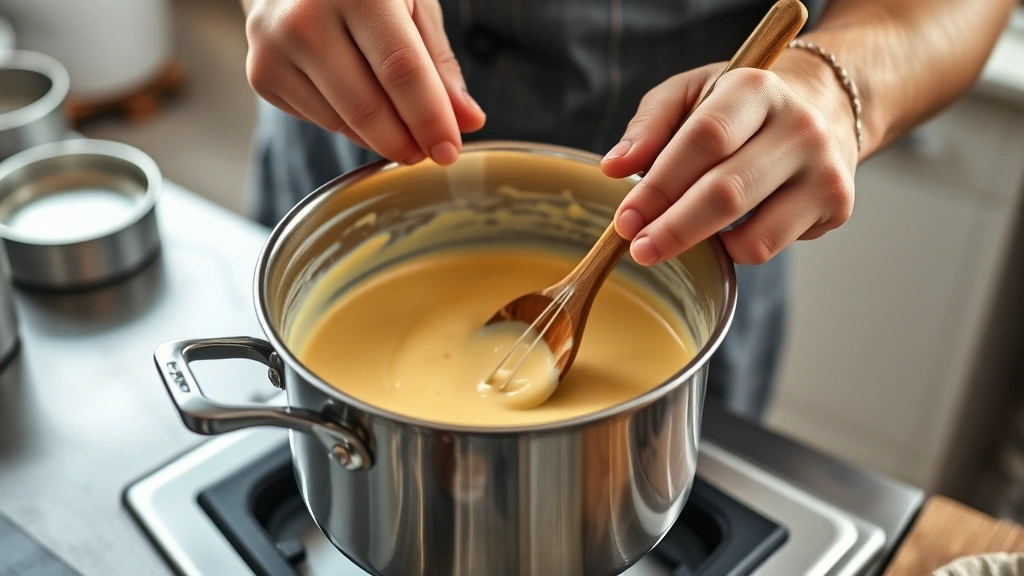
If your sauce breaks (gets grainy or separates), don’t panic. Remove it from heat immediately and whisk in a tablespoon of cold milk. Sometimes that fixes it. If not, you’ve learned something for next time.
If you’re using heavy cream, add it after the cheese is fully melted. It adds richness and makes the sauce slightly more forgiving if temperatures spike.
Flavor Tweaks & Variations
Once you’ve mastered the basic cheddar cheese sauce recipe, you can start experimenting. Add a pinch of smoked paprika for depth. Throw in some crispy bacon bits and fresh chives. A teaspoon of Worcestershire sauce adds umami complexity.
Want to pair it with Blackstone fried rice? Add a tablespoon of soy sauce and some white pepper instead of black. Making a dip? Mix in some buttermilk ranch seasoning for a loaded baked potato vibe.
For a Boursin-inspired version, add dried herbs like dill, parsley, and garlic powder. Want something spicier? Add jalapeños or a dash of hot sauce. The base recipe is flexible—treat it as your starting point.
If you’re making this for canned green beans or refried beans, you might want to thin it out slightly with extra milk. The sauce should coat food without being too thick.
Storage & Reheating
Store your cheddar cheese sauce in an airtight container in the refrigerator for up to four days. It’ll thicken as it cools—that’s normal and expected.
To reheat, use low heat on the stovetop and add milk gradually while stirring. Don’t use high heat or a microwave alone, as that tends to make it break or separate. Stir constantly and add milk in small amounts until you reach the right consistency again.
You can also reheat in a double boiler if you’re nervous about temperature control. Fill the bottom pot with water, place your sauce container on top, and let the steam gently warm everything through.
Common Mistakes & Fixes
Grainy or broken sauce: This means the cheese proteins separated. Immediately remove from heat and whisk in cold milk or even a splash of cold water. Sometimes it saves the batch.
Too thick: Simply whisk in more milk, a little at a time. There’s no such thing as adding too much milk gradually.
Too thin: Make a small roux (equal parts butter and flour) in a separate pan, cook it for one minute, then whisk it into your sauce. Or just reduce it by simmering on low for a few minutes.
Tastes bland: You probably didn’t use sharp cheddar or didn’t add enough mustard powder. Taste and adjust. Salt is your friend here.
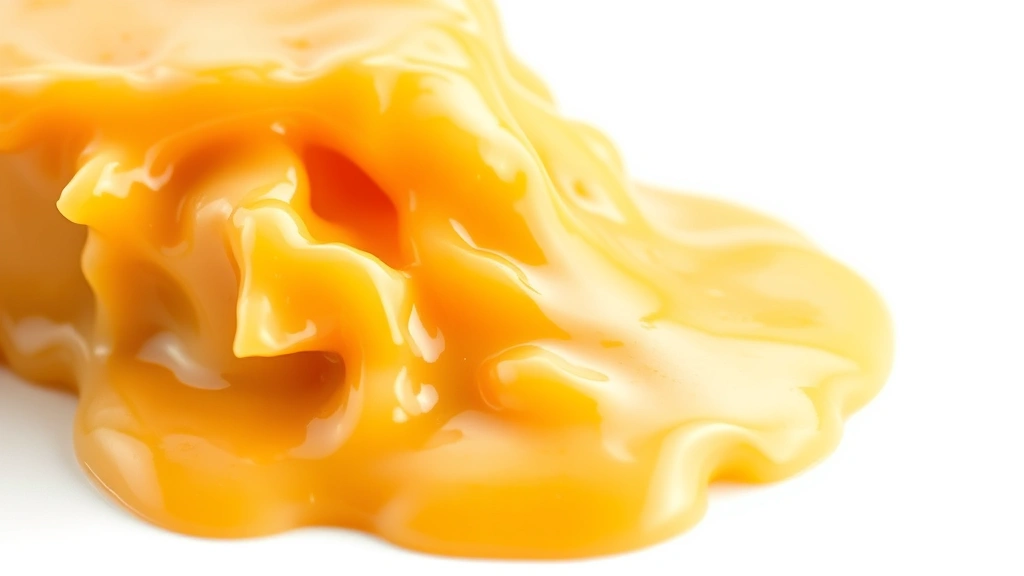
Separates after cooling: This is normal. Just reheat gently with a splash of milk and stir well.
Pairing Ideas
This sauce is ridiculously versatile. Pour it over baked potatoes, nachos, or steamed broccoli. Use it as a dip for soft pretzels or bread. Toss it with pasta for a quick mac and cheese that beats anything from a box.
It works on burgers, hot dogs, and roasted vegetables. Drizzle it over breakfast eggs or hash browns. If you’re looking for bariatric recipes that need flavor without excessive volume, this sauce adds serious taste to small portions of protein and vegetables.
The key is having it on hand. Make a batch on Sunday and use it throughout the week. It’s one of those fundamentals that transforms ordinary food into something worth eating.
Frequently Asked Questions
Can I use pre-shredded cheese?
Technically yes, but it won’t work as well. Pre-shredded cheese has anti-caking agents that prevent it from melting smoothly. You’ll get a grainier sauce. Fresh-shredded is worth the extra thirty seconds of effort.
What if I don’t have heavy cream?
You don’t need it. The basic recipe works fine without cream. If you want extra richness, use more butter or add an extra egg yolk (whisked in slowly off-heat), but the sauce is complete without cream.
Can I make this ahead?
Yes, but make it the day you’re using it if possible. It keeps for four days refrigerated, but tastes best fresh. Reheat gently on low heat with a splash of milk.
Why does my sauce taste watery?
You probably used skim milk or didn’t cook the roux long enough. Use whole milk and ensure your roux cooks for at least one minute before adding liquid.
Can I freeze this sauce?
It freezes okay but can separate when thawed. If you freeze it, reheat slowly and whisk in fresh milk to restore the texture. It’s better to make fresh when you need it.
What’s the best cheese for this?
Sharp cheddar is the standard. Extra sharp gives more punch. Avoid mild cheddar—it lacks flavor. You can blend in other cheeses like Gruyère or Smoked Gouda for variation, but keep cheddar as your base.
How do I make it spicier?
Add more cayenne pepper, fresh jalapeños, hot sauce, or smoked paprika. Start with small amounts and taste as you go. You can always add more heat, but you can’t remove it.
Is this recipe dairy-free?
Not as written. You could try it with dairy-free butter and unsweetened almond milk, but the results won’t be the same. The sauce relies on dairy fat and milk solids for its texture.
Conclusion: A great cheddar cheese sauce recipe is one of those foundational kitchen skills that pays dividends. Ten minutes of work gives you a sauce that’s fresher, cheaper, and infinitely better than anything you can buy. Master the basic technique, understand why each step matters, and you’ll have a tool you use constantly. Start simple, nail the fundamentals, then experiment once you’re confident. That’s how real cooking happens.


