
Chayote squash recipes are some of the most versatile and underrated dishes you can make in your kitchen. If you’ve never cooked with this mild, pear-shaped vegetable, you’re missing out on a whole world of culinary possibilities that work in everything from stir-fries to soups to crispy side dishes.
I’ve been working with chayotes for years, and I’m here to show you exactly how to unlock their potential. This guide covers 10 essential ways to cook chayote squash that’ll have you reaching for this vegetable every week.
Table of Contents
Prep Basics First
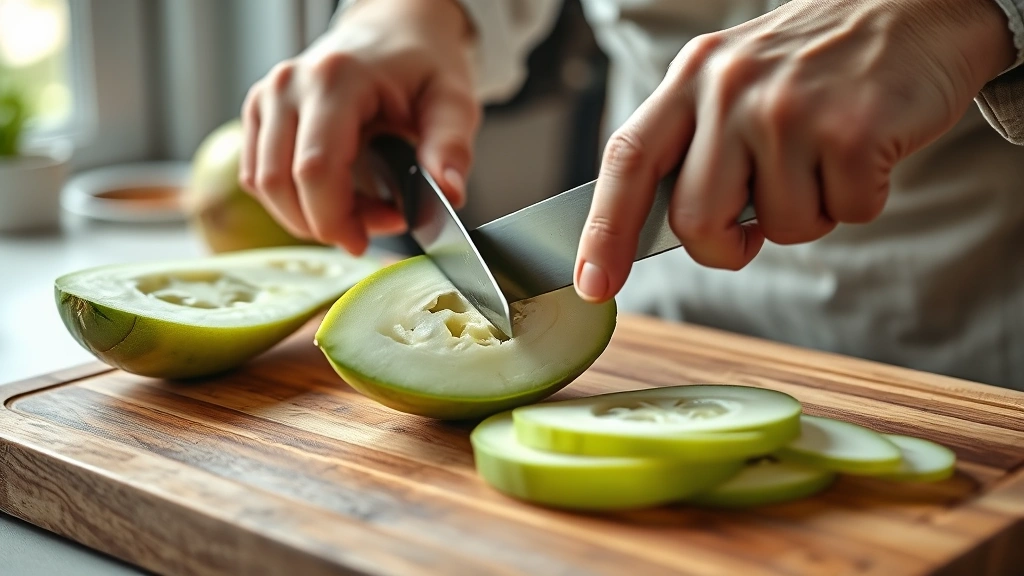
Before you dive into any chayote squash recipes, you need to handle prep correctly. Chayotes have a single flat pit in the center, kind of like an avocado, and they’re covered in a thin, edible skin that you can peel or leave on depending on your recipe.
Here’s what I do: Rinse your chayotes under cold water and pat them dry. If you’re peeling them, use a vegetable peeler and work carefully—the flesh is softer than you’d expect and peels quickly. Cut the squash in half lengthwise, then scoop out that central pit with a spoon. If you’re leaving the skin on, just slice them into wedges or chunks. The raw flesh is slightly fibrous but tender, almost like a cross between zucchini and a mild pear.
One pro tip: wear gloves while prepping if you have sensitive skin. Some people find the raw chayote slightly sticky, and gloves make handling easier. The flavor is incredibly mild—almost neutral—which makes chayotes perfect for absorbing whatever seasonings you throw at them.
Roasted Chayote Wedges
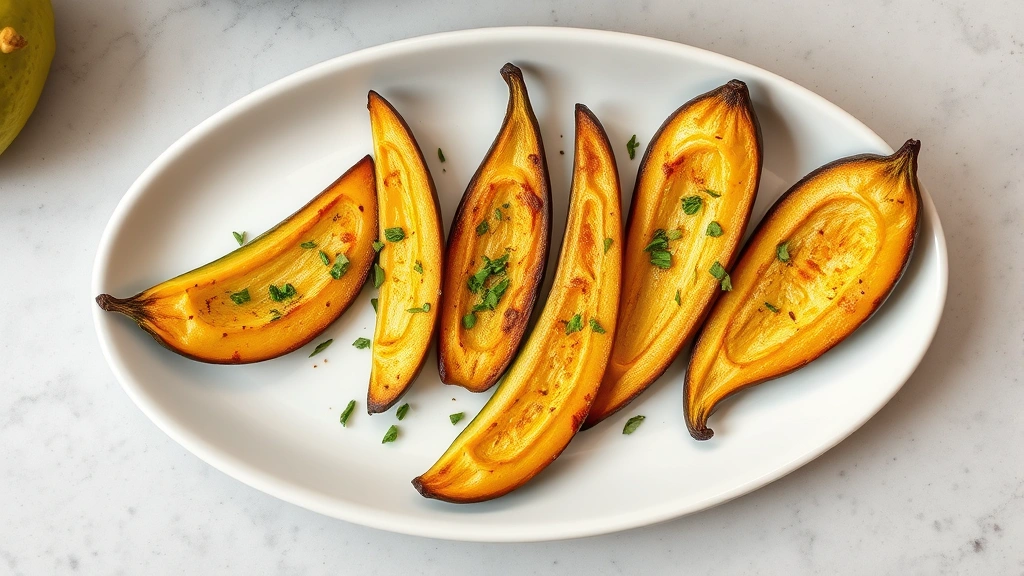
This is my go-to method when I want something simple but impressive. Cut peeled chayotes into wedges about half an inch thick. Toss them with olive oil, salt, pepper, and whatever seasonings call to you—garlic powder, paprika, or fresh herbs all work beautifully.
Spread them on a baking sheet in a single layer and roast at 425°F for about 25-30 minutes, stirring halfway through. You’re looking for golden-brown edges and tender flesh inside. The exterior gets slightly caramelized while the inside stays creamy. Serve these hot as a side dish, or cool them and toss into salads. This method works so well because the high heat concentrates the subtle flavor and creates textural contrast.
Quick Stir-Fry Method
For weeknight dinners, nothing beats a fast stir-fry. Cut your peeled chayotes into thin matchsticks or small cubes—they cook incredibly quickly, usually in 5-7 minutes. Heat oil in a wok or large skillet over high heat, add aromatics like garlic and ginger, then toss in your chayote pieces.
The beauty here is that chayotes stay slightly crisp even when cooked, giving you great textural contrast. Add soy sauce, a splash of rice vinegar, and maybe some cashews or sesame seeds. If you want to make this heartier, pair it with our Blackstone fried rice recipe for a complete meal that comes together in under 20 minutes.
Creamy Chayote Soup
This is where chayote really shines. Peel and chop three or four chayotes into rough chunks, then sauté them with diced onions and celery in butter. Add vegetable or chicken broth—about 4 cups—and simmer until everything is tender, roughly 20 minutes. The chayote breaks down beautifully and creates a naturally creamy base.
Blend everything smooth using an immersion blender, then stir in heavy cream, salt, white pepper, and nutmeg. The result is silky, elegant, and tastes like you spent hours cooking. Top with crispy bacon, fresh chives, or a drizzle of truffle oil. This soup freezes well too, so make a double batch and you’ve got easy lunches for weeks.
Stuffed Chayote Boats
Cut chayotes in half lengthwise and scoop out the pit. You now have perfect little boats ready for filling. Bake the halves at 375°F for 15 minutes to soften them slightly, then fill with your choice of ingredients: seasoned ground meat, breadcrumbs, cheese, herbs, and vegetables all work great.
Top with more cheese and bake for another 20-25 minutes until golden and bubbling. The chayote flesh stays tender and absorbs all the flavors from your filling. This presentation looks restaurant-quality but takes maybe 45 minutes total. Serve with a simple green salad and you’ve got dinner sorted.
Crispy Fried Chips
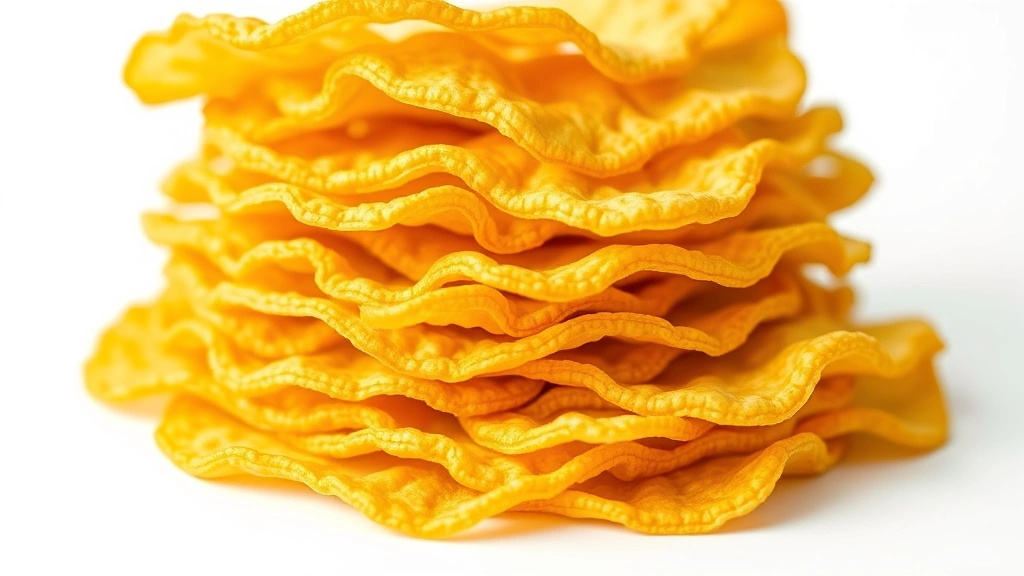
Slice peeled chayotes paper-thin—a mandoline makes this easy and safe if you use the guard. Soak the slices in ice water for 30 minutes to remove excess moisture and help them crisp up. Pat them completely dry, then fry in oil heated to 350°F until golden and curled.
Drain on paper towels and season immediately with salt, paprika, or whatever spice blend you prefer. These chips are addictive—crispy, light, and way better than potato chips because they’re less dense. They’re perfect for snacking or serving alongside sandwiches. Store them in an airtight container and they’ll stay crispy for a few days.
Curry-Spiced Version
Cube your peeled chayotes and cook them in a coconut milk-based curry sauce. The mild flavor of chayote is perfect for absorbing bold spices without overpowering them. Sauté onions, garlic, ginger, and curry paste in oil, add your chayote cubes, then pour in coconut milk and broth.
Simmer for 20 minutes until tender, then finish with lime juice and fresh cilantro. The chayote stays slightly firm in the curry, giving you nice textural variety. Serve over rice or with naan bread. This works especially well if you’re serving people who aren’t familiar with chayote—the curry flavors introduce them gently to the vegetable’s versatility.
Grilled Chayote
Slice peeled chayotes lengthwise into quarter-inch planks. Brush with oil, season with salt and pepper, and grill over medium-high heat for 3-4 minutes per side. You want nice char marks but the flesh should still have some give when you press it.
Finish with a squeeze of fresh lemon, some crumbled feta, and fresh mint. The grill adds smoky complexity that plays beautifully against the vegetable’s natural sweetness. This is perfect for summer cookouts when you want something lighter than heavy potato sides.
Pickled for Storage
If you’ve got a bumper crop of chayotes, pickling is your answer. Cut peeled chayotes into spears or chunks and pack them into clean jars. Make a brine with equal parts vinegar and water, add sugar, salt, and pickling spices—dill, mustard seeds, and peppercorns are classic.
Heat the brine until it simmers, pour it over your chayotes, seal the jars, and process them in a water bath for 10 minutes. Store in a cool dark place for up to a year. These pickled chayotes work great as a condiment, a side dish, or chopped into salads. Our bread and butter pickle recipe uses similar techniques if you want to explore pickling further.
Complementary Pairings
Chayote works beautifully alongside other vegetables and proteins. Try pairing roasted chayote with our butter beans recipe for a vegetable-forward side dish that’s hearty and satisfying. The creamy beans contrast nicely with the slightly firm chayote texture.
For sauces, a simple bordelaise sauce recipe elevates stuffed chayote boats into something truly special. The rich, meaty sauce complements the mild squash perfectly. You can also experiment with chayote in unexpected applications—I’ve even added diced raw chayote to slaws and grain bowls for a fresh, crisp element.
Storage and Selection
Choose chayotes that feel firm and heavy for their size. Avoid any with soft spots or wrinkled skin. Raw chayotes store beautifully in the crisper drawer for up to three weeks, and they actually improve slightly as they age—the flavor becomes a bit sweeter and more developed.
Once cooked, chayote dishes keep in the refrigerator for 4-5 days. Most preparations freeze well too, though the texture becomes slightly softer after thawing. If you’re making soup, freeze it before adding cream for best results, then stir in fresh cream when you reheat.
Frequently Asked Questions
What does chayote squash taste like?
Chayote has a mild, slightly sweet flavor that’s often compared to a cross between zucchini and a mild pear. It’s incredibly versatile because the flavor is subtle enough to let other ingredients shine, but it has enough character to stand on its own when prepared simply.
Do you need to peel chayote before cooking?
The skin is edible and perfectly fine to leave on for roasting, grilling, or stir-frying. However, peeling makes sense for soups, purées, and dishes where you want a creamier texture. For fried chips or pickled preparations, peeling is essential.
How long does chayote take to cook?
Cooking time depends on your method. Thin slices in a stir-fry cook in 5-7 minutes. Roasted wedges need 25-30 minutes at 425°F. For soups, 20 minutes of simmering in broth is usually enough to make them completely tender.
Can you eat chayote raw?
Yes, raw chayote is perfectly safe and has a crisp, slightly fibrous texture. It works well in slaws, salads, and grain bowls. The flavor is more pronounced raw than cooked, with a slightly grassy, fresh quality.
Where can I buy chayote squash?
Most grocery stores carry chayotes year-round, usually in the produce section near other squashes. They’re especially common in Latin markets and stores with good international sections. Farmers markets often have them in fall and spring.
Are chayotes healthy?
Absolutely. Chayotes are low in calories, high in fiber, and contain good amounts of vitamin C and potassium. They’re naturally low in fat and sodium, making them perfect for health-conscious cooking.
Wrap It Up
Chayote squash recipes deserve a permanent spot in your cooking rotation. Whether you’re roasting them for a simple side, blending them into silky soup, or frying them into addictive chips, this versatile vegetable delivers every single time. The mild flavor means you can experiment freely—pair chayotes with whatever proteins, sauces, and seasonings you love.
Start with the roasted wedges if you’re new to chayote, then work your way through the other preparations as you get comfortable. Once you realize how easy and delicious chayote cooking can be, you’ll wonder why you waited so long to start. Pick up a few at your next grocery run and pick a recipe that calls to you. Your weeknight dinners are about to get a whole lot more interesting.


