
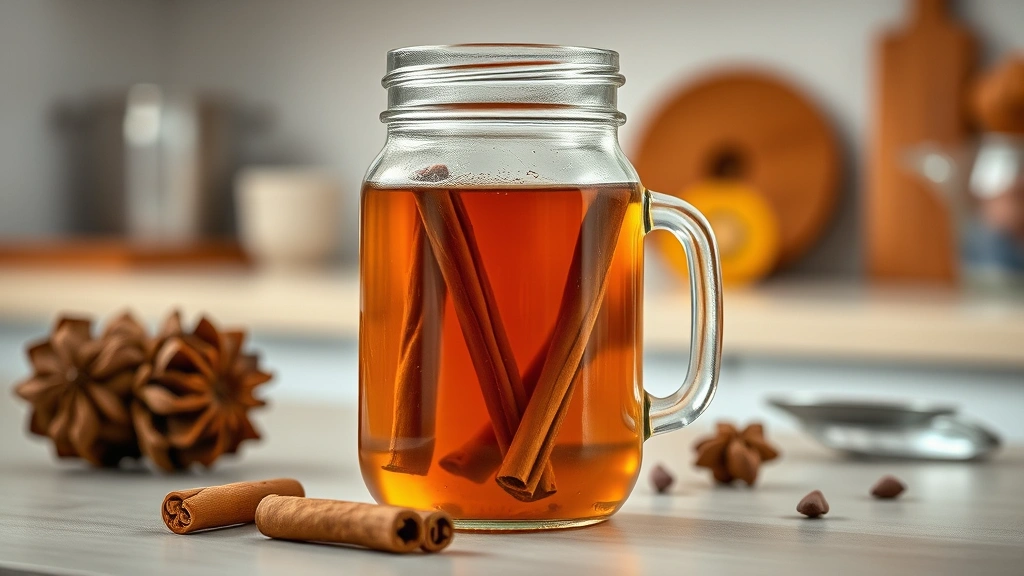
Making a chai tea concentrate recipe at home is one of those kitchen projects that feels fancy but honestly couldn’t be simpler. You’re basically simmering spices, brewing tea, and creating something that tastes like you spent hours in a professional kitchen—except you didn’t. I’ve been making this stuff for years, and it never gets old. You get that perfect balance of warmth, spice, and comfort in every sip, and the best part? You control exactly how strong you want those flavors to be.
Table of Contents
Why Make Homemade Concentrate
Store-bought chai concentrates are convenient, sure, but they’re often loaded with sugar and preservatives you don’t need. When you make your own chai tea concentrate recipe, you’re the boss. You decide how much sweetness, how much spice kick, and whether you want that creamy milk-forward vibe or something more tea-forward and brisk.
Plus, homemade concentrate costs a fraction of what you’d spend at a café. A batch lasts weeks in your fridge, and you can whip up a perfect cup in literally two minutes. It’s the kind of project that makes you feel accomplished without requiring any special equipment or advanced skills.
Gathering Your Spices
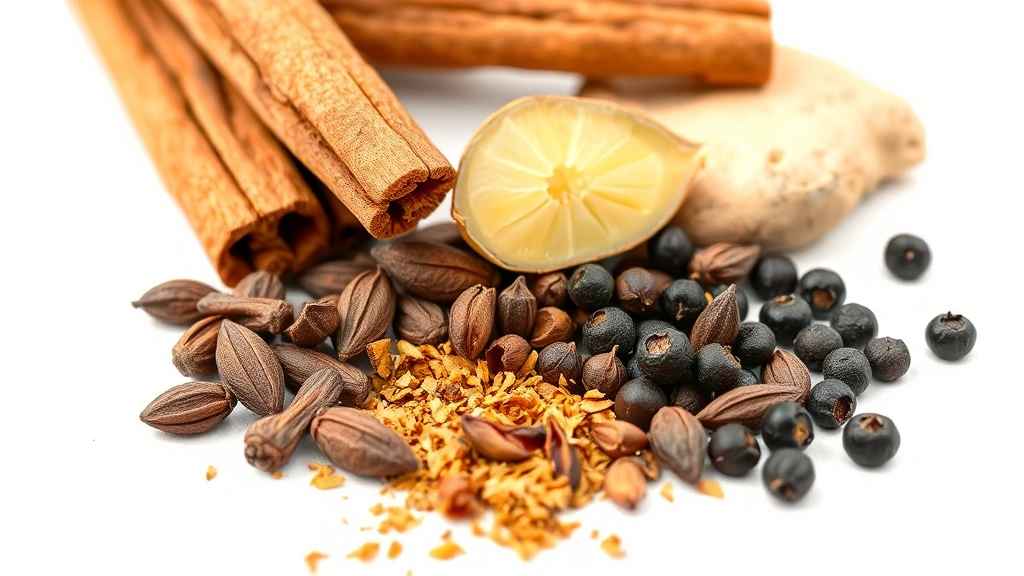
The foundation of any solid chai tea concentrate recipe starts with the right spices. You’ll want whole spices whenever possible—they hold their flavor longer and give you way more control over the final taste. Here’s what you need:
- Cinnamon sticks (3-4 sticks): The backbone of chai. Use Ceylon cinnamon if you can find it; it’s sweeter and less harsh than cassia.
- Cardamom pods (8-10 pods): These bring that complex, slightly floral note. Crush them gently before adding.
- Cloves (1 tablespoon): Go easy here—cloves are aggressive. A little goes a long way.
- Black peppercorns (1 teaspoon): Adds warmth and a subtle bite without being obvious.
- Fresh ginger (3-4 inch piece): Slice it thin. Fresh beats ground every single time for concentrate.
- Black tea (Assam or Darjeeling): About 3 tablespoons of loose leaf. This is your tea base.
- Water (4 cups): Filtered water works best.
- Honey or sugar (optional): Add after brewing if you want sweetness.
Don’t cheap out on the spices. Quality matters here because you’re concentrating flavors, not diluting them. A trip to a specialty spice shop or bulk section at your grocery store is worth it.
Step-by-Step Instructions
This is where the magic happens, and honestly, it’s straightforward work. Here’s exactly how to build your chai tea concentrate recipe:
Step 1: Prep Your Spices
Grab a small cutting board and your ginger. Slice it into thin coins—don’t peel it, just rinse it. Take your cardamom pods and crack them open with the side of a knife. You want them broken but not pulverized. Leave the cinnamon sticks whole.
Step 2: Toast the Spices
Heat a large pot over medium heat. Add your cinnamon sticks, cracked cardamom, cloves, and black peppercorns. Toast them for about 2-3 minutes, stirring occasionally. You’ll smell them wake up—that’s when you know they’re releasing their oils. Don’t burn them; you’re toasting, not charring.
Step 3: Add Water and Ginger
Pour in your 4 cups of filtered water and add the sliced ginger. Bring everything to a boil, then reduce heat to a gentle simmer. Let this bubble away for about 10 minutes. The water should start turning a light golden color, and your kitchen will smell absolutely incredible.
Step 4: Brew the Tea
Add your loose-leaf black tea directly to the pot. Stir it in and let everything simmer for another 5-7 minutes. Don’t go longer than 8 minutes or your tea will get bitter. You’re looking for a deep amber color.
Step 5: Strain and Cool
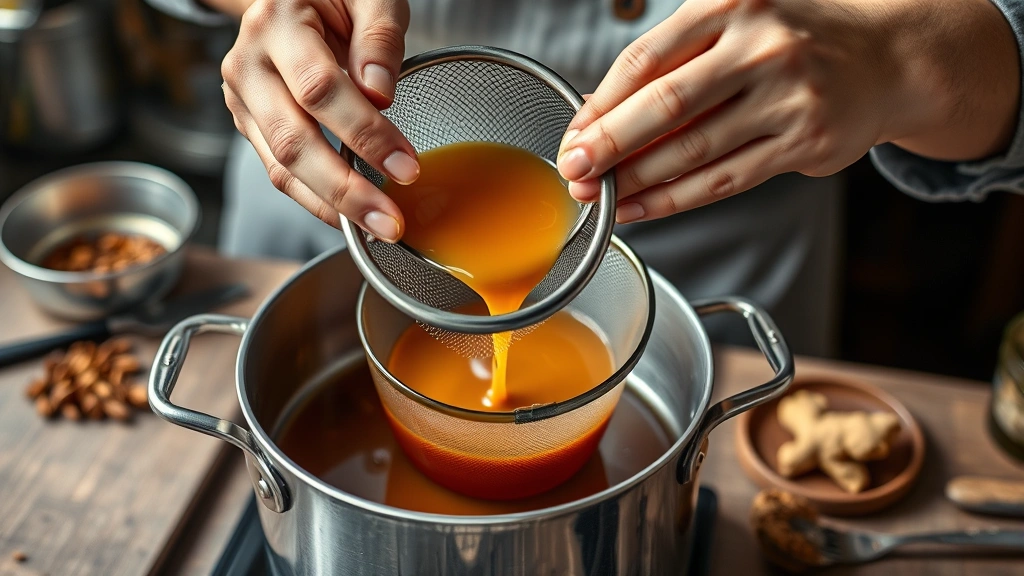
Set a fine-mesh strainer over a large bowl and carefully pour everything through. Use the back of a spoon to gently press the ginger and spices to extract all their goodness, but don’t squeeze too hard or you’ll get cloudy concentrate. Let it cool to room temperature before transferring to storage containers.
Perfecting the Flavor Balance
This is where your chai tea concentrate recipe becomes your recipe. Some people want it spice-forward and intense. Others prefer something more subtle and tea-driven. Here’s how to dial it in:
Too Weak? Next time, add more spices or let them simmer longer. You can also reduce the total water by half a cup to concentrate the flavors more.
Too Strong or Bitter? You probably steeped too long or used too much tea. Dial back the brewing time to 4-5 minutes, or use slightly less black tea.
Not Enough Spice Kick? Add a pinch more cloves or increase the ginger slightly. Cardamom can also be bumped up if you want that floral complexity.
Sweetness Level? Add honey or sugar after brewing, not before. Start with 2-3 tablespoons per quart of concentrate and adjust to taste. Some people skip sweetener entirely and add it when serving.
Keep notes on what you adjust. Seriously. After two or three batches, you’ll have dialed in exactly what works for your palate.
Storage and Shelf Life
Your finished chai tea concentrate recipe will keep in the refrigerator for about 3-4 weeks in an airtight container. Glass bottles work best—they don’t absorb flavors or odors like plastic can. Make sure your concentrate is completely cooled before sealing it up.
You can also freeze it in ice cube trays for longer storage. Once frozen, pop the cubes into a freezer bag and label them. They’ll last 2-3 months frozen, and you can thaw individual portions as needed.
If you’re feeling ambitious, you can also can your concentrate using proper canning methods, though that’s beyond the scope of a basic recipe. Refrigerator storage is honestly the easiest and safest approach for most home cooks.
Serving Your Concentrate
This is the payoff moment. The basic ratio is 1 part concentrate to 2-3 parts liquid (milk, water, or a combination). Here are your main options:
Classic Chai Latte: Heat 1/3 cup concentrate with 1 cup milk (dairy or non-dairy) and a splash of water. Stir in honey if desired. Top with a pinch of cinnamon.
Quick Chai Tea: Steep 1/3 cup concentrate in 1 cup hot water for 2 minutes. Add milk and sweetener to taste. This is your weekday version.
Iced Chai: Pour 1/3 cup concentrate over ice, top with cold milk, and stir. Perfect for summer mornings.
Chai Cocktails: If you’re into that sort of thing, chai concentrate pairs beautifully with bourbon, rum, or spiced spirits. You could even adapt the approach used in an Azalea Cocktail Recipe and create your own chai-based drink.
Variations and Creative Tweaks
Once you’ve nailed the basic chai tea concentrate recipe, you can start experimenting. Here’s where it gets fun:
Vanilla Chai: Add 1 vanilla bean (split and scraped) or 1 teaspoon vanilla extract after cooling.
Orange Chai: Add strips of orange zest during the spice-toasting phase. The citrus brightens everything up.
Spiced and Sweet: Include a star anise pod or two for a licorice note. Some people add a pinch of nutmeg.
Creamy Base: If you want a concentrate that’s closer to a ready-to-drink chai, blend in some condensed milk before storing.
Coffee-Chai Hybrid: Mix equal parts chai concentrate with strong cold brew coffee for an interesting morning drink.
The same creativity you’d apply to other recipes—like when you’re making Carolina BBQ Sauce Recipe variations—applies here. Small tweaks create completely different experiences.
Troubleshooting Common Issues
Cloudy Concentrate? This happens when you press too hard during straining. It’s not wrong, just aesthetically less appealing. Use a cheesecloth instead of a mesh strainer next time for clearer results.
Spices Settling at the Bottom? Totally normal. Just shake the container before using. If it bothers you, strain through cheesecloth before storing.
Tastes Stale After a Week? Your spices might have been old to begin with. Fresh spices make a huge difference. Also, make sure your container is truly airtight.
Ginger Flavor Too Aggressive? Use less ginger next time, or slice it thicker so it doesn’t break down as much during simmering. You can also remove the ginger after 5 minutes instead of letting it go the full time.
Concentrate Separated? If you added milk or cream, this is normal. Just stir before using. If it’s just the spice oils, that’s also fine—shake it up.
Frequently Asked Questions
Can I use ground spices instead of whole?
Technically yes, but I wouldn’t recommend it. Ground spices lose potency faster and can make your concentrate taste dusty or bitter if you’re not careful. Whole spices give you way better flavor control and last longer. If that’s all you have, use about half the amount and reduce simmering time to 5 minutes.
How long does homemade chai concentrate actually last?
In the refrigerator, 3-4 weeks in an airtight container. In the freezer, 2-3 months. The flavor starts degrading after about 2 weeks, so try to use it within that window for best results. If it smells off or looks moldy, toss it.
Can I make this without black tea?
Sure, but it won’t be traditional chai. You could use green tea for something lighter, or skip tea entirely and just make a spiced syrup. It’ll taste good, just different. The black tea is what gives chai its characteristic depth.
Is there a way to make this less spicy for kids?
Absolutely. Cut the cloves in half, reduce the peppercorns to just a few, and use less ginger. You can also add a splash of vanilla and increase any sweetener. The concentrate will be milder, which is perfect for younger palates.
Can I add milk directly to the concentrate for storage?
Not recommended. Milk will spoil faster and can separate. Keep your concentrate dairy-free and add milk when serving. This also keeps your options open for vegan or dairy-free drinks.
What’s the difference between chai concentrate and chai tea bags?
Everything. Your homemade chai tea concentrate recipe uses fresh whole spices and real tea. Commercial chai bags often contain dust, filler, and artificial flavoring. Your version tastes better, costs less, and you know exactly what’s in it.
Can I double or triple this recipe?
Absolutely. Scale everything up proportionally. Just make sure your pot is large enough and you have enough storage containers. The cooking process stays the same—same timing, same technique.
What if I want it sweeter?
Add honey, sugar, or agave after the concentrate cools completely. Start with 2 tablespoons per quart and taste as you go. You can always add more sweetness, but you can’t take it out. Some people prefer unsweetened concentrate and sweeten individual servings instead.
Your Chai Game Just Got Better
Making a homemade chai tea concentrate recipe is genuinely one of those projects that pays dividends. You’ll save money, have better-tasting chai than any café, and impress literally everyone who tries it. The process is simple enough that you can do it on a lazy Sunday morning, and the payoff lasts for weeks.
Start with the basic recipe, make notes on what you like and don’t like, and adjust from there. After a batch or two, you’ll have something that’s perfectly dialed in for your taste. That’s when the real magic happens—when you’ve created something that’s uniquely yours.
Want to extend your homemade beverage game? Check out how to make Bear Claw Recipe pastries to pair with your chai, or explore other homemade concentrate and syrup recipes. The skills transfer, and your kitchen projects keep getting better.
Now go make some chai. Your future self will thank you every time you pour a perfect cup.


