

Celery recipes don’t have to be boring—this crisp, versatile vegetable can be the star of soups, salads, stir-fries, and even beverages that’ll surprise your taste buds. Most home cooks relegate celery to the background as a supporting player in mirepoix or a vehicle for peanut butter, but once you start experimenting with dedicated celery recipes, you’ll realize this humble green stalk deserves way more attention.
Table of Contents
Creamy Celery Soup
Start simple with a warming celery soup that’s silky, satisfying, and packed with flavor. Chop about four bunches of celery (save the tender leaves for garnish), then sauté them with diced onions and minced garlic in butter until they soften—roughly 8 minutes. Add vegetable or chicken stock, bring to a boil, then simmer for 20 minutes until everything’s tender. Blend it smooth with an immersion blender, stir in heavy cream or coconut milk, and season aggressively with salt, white pepper, and a pinch of nutmeg. The magic happens when you finish with fresh lemon juice and a drizzle of quality olive oil. This is the foundation for countless celery recipes you can build from—add roasted garlic, swap in different herbs, or top with crispy bacon bits.
Roasted Celery Steaks
Cut celery hearts lengthwise into thick steaks (about 1.5 inches), toss with olive oil, coarse salt, cracked pepper, and smashed garlic cloves. Roast at 425°F for 25-30 minutes until the edges caramelize and the flesh turns golden-brown and tender. The transformation is remarkable—roasting brings out a subtle sweetness and nutty depth you won’t find in raw celery. Serve these steaks as a side dish, or use them as a base for composed plates. Drizzle with bearnaise sauce recipe for an elegant dinner party move, or finish with crispy sage and aged balsamic for a vegetarian entrée that actually impresses.
Celery Juice Benefits
Fresh celery juice has become wildly popular, and for good reason—it’s nutrient-dense and surprisingly refreshing. Run whole celery stalks through a cold-press juicer (or high-powered blender, then strain through cheesecloth) to get pure, undiluted juice. Drink it straight first thing in the morning on an empty stomach, or blend it into green smoothies with apple, ginger, and lemon. Some people swear by celery juice for digestive health and inflammation reduction, though the science is still catching up to the hype. What’s certain is that fresh celery juice tastes worlds better than anything bottled, and making it at home costs pennies. Pair this habit with how to make apple cider for a seasonal beverage program that’ll keep you hydrated and energized year-round.
Braised Celery Hearts
Braising celery hearts in a flavorful liquid transforms them into something tender and elegant. Halve the hearts lengthwise, arrange them cut-side down in a baking dish, then pour over a mixture of chicken stock, white wine, butter, and aromatics (bay leaf, thyme, shallots). Cover with foil and braise at 375°F for 45 minutes until fork-tender. The liquid reduces into a silky glaze that coats each piece. This technique works beautifully alongside roasted fish or poultry, and the braising liquid becomes a sauce you’ll want to spoon over everything. Celery recipes like this show how much flavor and sophistication you can coax from a vegetable most people ignore.
Celery Slaw Variations
Raw celery shines in slaws and crunchy salads. Shave celery stalks thin using a mandoline or vegetable peeler, then toss with shredded apples, toasted walnuts, and a sharp vinaigrette made from Dijon mustard, apple cider vinegar, and walnut oil. The contrast between crisp celery, sweet apple, and tangy dressing is electric. Try another version with celery, fennel, radishes, and a creamy dill dressing for something more herbaceous. Or go Asian-inspired: julienne celery and toss with shredded carrots, sesame oil, rice vinegar, and a touch of soy sauce. These celery recipes are perfect for meal prep—the slaw actually improves after a few hours as the flavors meld.
Stir-Fry Secrets
Celery is criminally underused in stir-fries, yet it’s perfect for the job. Cut stalks on the bias into thin pieces so they cook quickly and evenly. The key is high heat and constant movement—keep everything moving in the wok or large skillet for just 2-3 minutes so celery stays crisp-tender, not mushy. Pair it with ginger, garlic, and soy sauce, then add protein like shrimp, chicken, or tofu. Finish with a splash of sesame oil and fresh scallions. These celery recipes work with any vegetable combination, and the quick cooking time means dinner hits the table in 15 minutes. For a complete meal, serve over rice or noodles alongside how long to steam crab legs if you’re feeling fancy.

Quick Celery Pickles
Pickling is an underrated way to preserve celery and create a tangy condiment that lasts weeks. Cut celery into spears or chunks, pack them into jars with garlic, dill, red pepper flakes, and mustard seeds. Heat equal parts white vinegar and water with sugar and salt until the sugar dissolves, pour over the celery, and let cool. Refrigerate for at least 24 hours before tasting—the flavor deepens over time. These pickles are fantastic on charcuterie boards, chopped into tuna salad, or served alongside rich meats to cut through fat. Once you master this basic technique, experiment with different spice blends and vinegars. These celery recipes are preservation projects that pay dividends throughout the season.
Salad Combinations
Build composed salads around celery as the main ingredient. Combine thinly sliced celery with blue cheese, crispy bacon, and apple in a creamy dressing for a classic combination. Or try celery with roasted beets, goat cheese, and candied walnuts for something earthy and elegant. Mix raw celery with chickpeas, fresh herbs, lemon juice, and olive oil for a protein-packed lunch bowl. These celery recipes prove that this vegetable can anchor a satisfying meal, not just support one. The key is pairing it with complementary flavors—anything bright, acidic, or rich will make celery shine.
Storage Tips
Keep celery fresh and crisp by storing it upright in a glass of water in the refrigerator, or wrap the bunch tightly in aluminum foil and place it in the crisper drawer. Celery stays fresh this way for 2-3 weeks, giving you plenty of time to work through your celery recipes. Trim the base every few days and refresh the water if you’re using the glass method. If celery starts to wilt, submerge it in ice water for an hour and it’ll perk right back up. Prep ahead by cutting celery into sticks and storing in water-filled containers—this makes it easy to grab for snacking or cooking. Proper storage means you’ll actually use the celery you buy instead of watching it turn to mush in the back of the fridge.
Flavor Pairings
Understanding what flavors complement celery will unlock endless celery recipes. Celery pairs beautifully with lemon, vinegar, and other acids that brighten its mild earthiness. It loves rich fats like butter, cream, and olive oil that add depth. Fresh herbs—dill, parsley, tarragon, and chives—enhance celery’s subtle vegetal notes. Spices like cumin, coriander, and white pepper warm it up. Proteins like fish, chicken, and seafood are natural partners. Even fruits work—apples, pears, and citrus complement celery’s crisp texture and clean flavor. Once you start thinking about these pairings, you’ll find yourself inventing new celery recipes constantly. The vegetable becomes a blank canvas for your culinary creativity.
Frequently Asked Questions
Can you eat celery leaves?
Absolutely. Celery leaves are tender, flavorful, and packed with nutrients. Use them raw in salads, blend them into soups, or fry them until crispy for a garnish. They’re too often discarded, but they’re one of the best parts of the plant.
What’s the best way to clean celery?
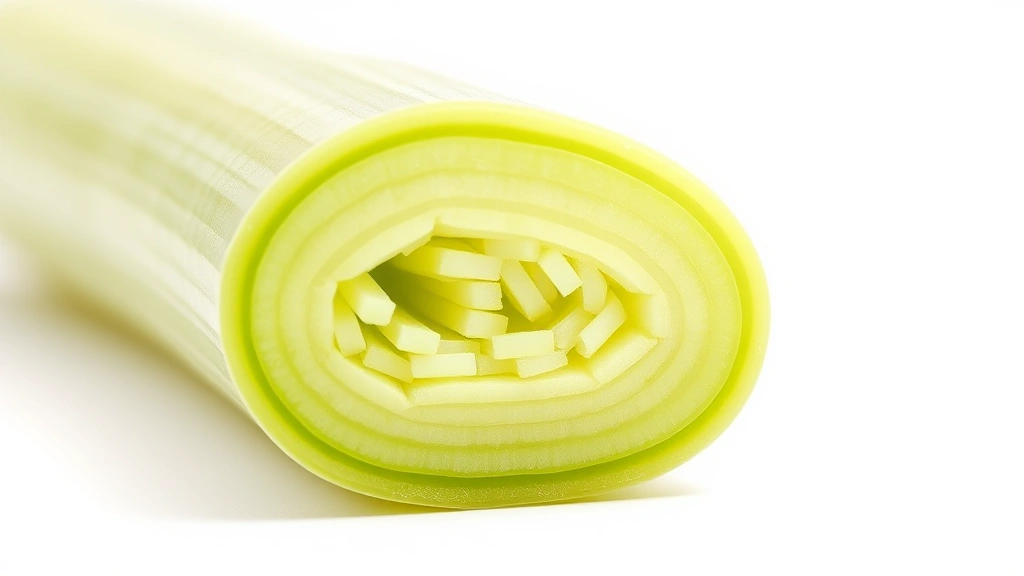
Rinse celery under cold running water and scrub gently with your fingers or a soft brush to remove any dirt. If the stalks have tough strings, use a vegetable peeler to remove them—peel from the top of the stalk downward, then snap off the strings. This makes the celery more pleasant to eat raw.
How do you remove celery strings?
Use a vegetable peeler or paring knife to peel the outer layer of each stalk, starting from the top. The strings run along the outside, so peeling removes them. Alternatively, snap the stalk sharply and pull it backward—the strings will come away cleanly.
Can celery recipes work for meal prep?
Yes, many celery recipes are perfect for meal prep. Roasted celery steaks, braised hearts, and slaws all store well in airtight containers for 3-4 days. Soups freeze beautifully for up to three months. Just reheat gently before serving.
Is celery good for weight loss?
Celery is very low in calories—about 6 calories per stalk—and high in water and fiber, so it’s filling without being calorie-dense. It’s a smart choice if you’re watching your weight, though celery recipes with cream or rich dressings will add calories. Stick to raw celery, celery juice, or lighter preparations for maximum benefit.
What’s the difference between celery and celeriac?
Celery is the stalk we’ve been discussing. Celeriac (also called celery root) is a different plant altogether—it’s the knobby root of a celery variety, with a more intense celery flavor and starchy texture. You can roast celeriac like potatoes or puree it into soups, but it’s not interchangeable with stalks in most celery recipes.


