
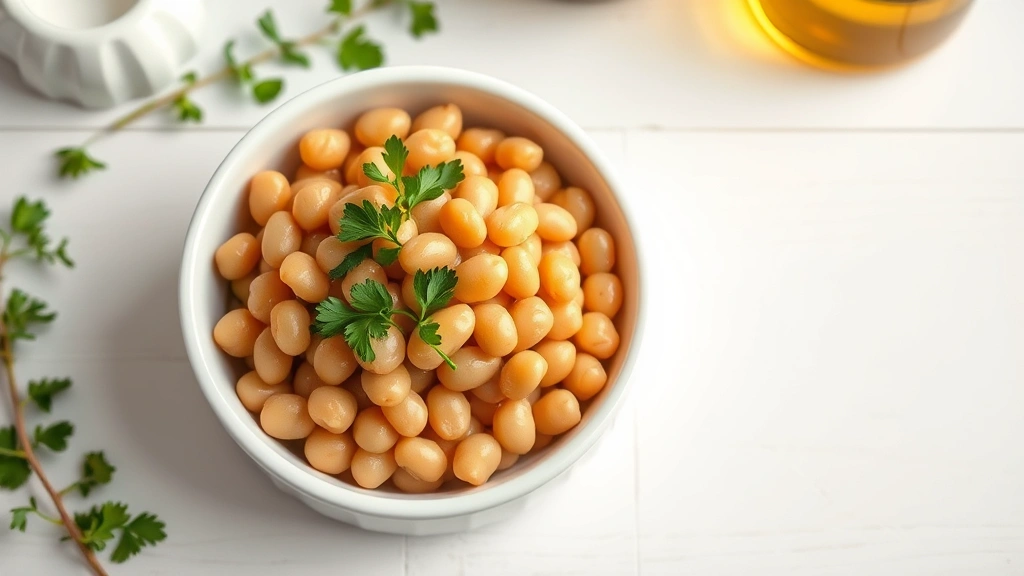
A ceci beans recipe is your ticket to mastering one of the most versatile and nutritious legumes in the kitchen. Whether you’re building a Mediterranean spread, crafting a protein-packed salad, or simmering a warming stew, ceci beans—also known as chickpeas—deserve a spot in your regular rotation. I’ve tested these methods in my own kitchen, and I’m sharing exactly how to cook them perfectly every single time.
Table of Contents
What Are Ceci Beans?
Ceci beans are the Italian name for chickpeas, those creamy, nutty legumes that have been feeding people for thousands of years. They’re packed with fiber, plant-based protein, and minerals like iron and manganese. Unlike some other dried beans that can taste chalky or bland, ceci beans have a naturally buttery flavor that works beautifully in both savory and slightly sweet applications. The key to unlocking that flavor is proper cooking technique.
You’ll find ceci beans sold dried or canned. Dried beans cost less and give you more control over texture, while canned beans save you time. This guide focuses on dried ceci beans since they reward your patience with superior flavor and texture.
Soaking Dried Beans First
Before you cook any batch of dried ceci beans, you’ve got two paths: the overnight soak or the quick soak. I typically go with overnight because it’s genuinely foolproof.
Overnight soaking: Place your dried ceci beans in a large bowl and cover them with cold water by about 3 inches. Let them sit on the counter overnight (or 8-12 hours). The beans will plump up and soften, cutting your cooking time significantly. Drain and rinse before cooking.
Quick soak method: Boil your beans in water for 2 minutes, then remove from heat, cover, and let them sit for 1 hour. Drain and rinse. This works in a pinch, though overnight soaking produces slightly more even results.
Pro tip: Save the soaking water separately if you’re making hummus or a creamy sauce—that starchy liquid is liquid gold for binding and thickening.
Stovetop Cooking Method
This is the traditional approach, and it’s reliable. After soaking and draining your beans, place them in a large pot and cover with fresh water by about 2 inches. Bring to a boil over high heat, then reduce to a gentle simmer. Add a bay leaf and a pinch of salt—yes, salt. The old myth about salt toughening beans is just that, a myth.
Simmer for 45 minutes to 1.5 hours, depending on your bean size and how old they are. Older dried beans take longer. Check them periodically by crushing one between your fingers—it should break easily but still hold its shape. You want tender beans, not mushy ones.
The beauty of stovetop cooking is that you can taste-test easily and adjust seasoning as you go. Keep the water level consistent; add more boiling water if the beans start to peek above the surface.
Pressure Cooker Speed Option
If you own a traditional stovetop pressure cooker, you’re looking at about 20-25 minutes of high pressure for soaked ceci beans. Use a 3:1 water-to-bean ratio, add your aromatics (bay leaf, garlic clove, onion quarter), and bring the cooker to pressure. Once it hisses and rocks, set your timer.
The advantage here is speed without sacrificing texture. Pressure cooking also seems to make the beans more digestible for some people, reducing gas and bloating. Just remember: never fill your cooker more than two-thirds full, and always allow natural pressure release for at least 10 minutes before opening the valve manually.
Instant Pot Electric Pressure
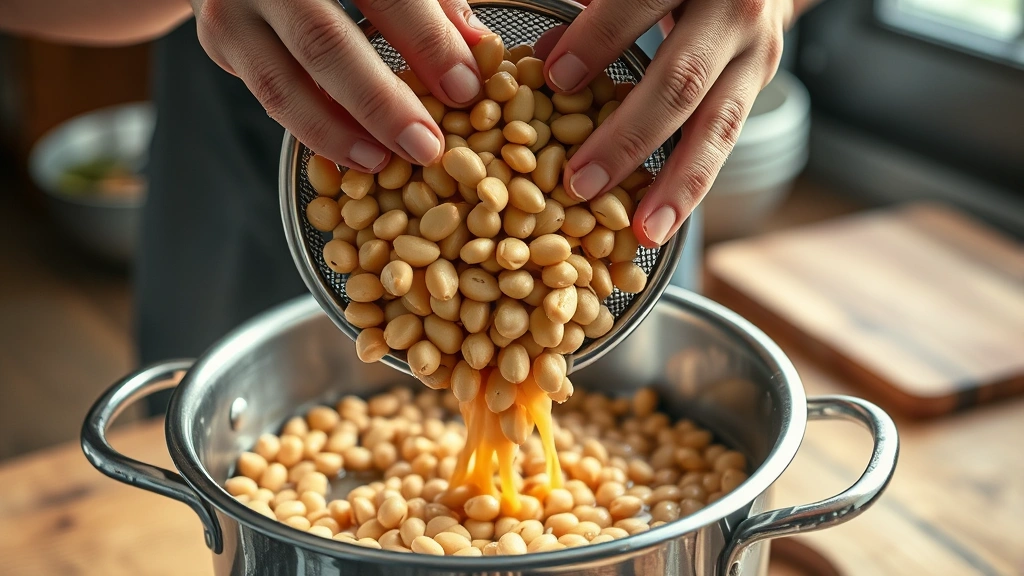
The Instant Pot has changed the game for weeknight cooking. For soaked ceci beans, use the pressure cooker function at high pressure for 15 minutes, with a 3:1 water-to-bean ratio. After the timer goes off, let the pressure release naturally for 10 minutes, then manually release any remaining pressure.
What I love about the Instant Pot is consistency. Every batch comes out the same because the temperature and pressure are precisely controlled. You can also use the slow cooker function if you prefer—just set it to low for 8 hours or high for 4 hours, and you’ll get creamy, perfectly cooked beans without any fussing.
Slow Cooker Hands-Off Approach
This method requires zero attention once you’ve assembled everything. Place your soaked and drained ceci beans in your slow cooker with fresh water (3:1 ratio), add aromatics, cover, and cook on low for 8-10 hours. You can also do high for 4-5 hours if you’re in a hurry.
The slow, gentle heat produces incredibly creamy beans with skins that stay intact. This is my go-to method when I’m working all day and want dinner ready when I walk through the door. The beans practically melt in your mouth, and the cooking liquid becomes a rich broth perfect for soups.
One note: don’t add acidic ingredients (tomatoes, vinegar, lemon juice) until the beans are completely tender, as acid can prevent them from softening properly.
Oven Baking Technique
This old-school method is less common but genuinely excellent. Soak your beans overnight, drain them, and place them in a Dutch oven with fresh water (3:1 ratio), aromatics, and a splash of olive oil. Cover and bake at 325°F for 2-3 hours, stirring occasionally and checking that the water level stays consistent.
The dry heat of the oven creates a different texture than stovetop or pressure cooking—slightly firmer, with better skin integrity. This works beautifully if you’re already using your oven for something else, since you can just toss the beans in and forget about them for a couple hours.
Seasoning and Finishing Touches
Once your ceci beans are tender, this is where you make them shine. Start with good salt and freshly cracked black pepper. Then consider your application. For a Mediterranean vibe, add minced garlic, fresh lemon juice, and a glug of quality olive oil. Stir in fresh parsley or cilantro.
For a spiced version, bloom cumin, coriander, and turmeric in oil before stirring them into the warm beans. If you’re building a creamy hummus, blend your cooked beans with tahini, garlic, lemon juice, and reserved cooking liquid until silky smooth. The cooking water is crucial here—it binds everything together better than added water would.
Don’t underseason. Beans are forgiving and can handle bold flavors. Taste as you go, and remember that flavors develop and mellow as the beans cool slightly.
Storage and Make-Ahead Tips
Cooked ceci beans keep in the refrigerator for 5 days in an airtight container, submerged in their cooking liquid. They also freeze beautifully for up to 3 months. I portion mine into 2-cup containers so I can grab exactly what I need for recipes. Frozen beans thaw quickly in the microwave or on the stovetop.
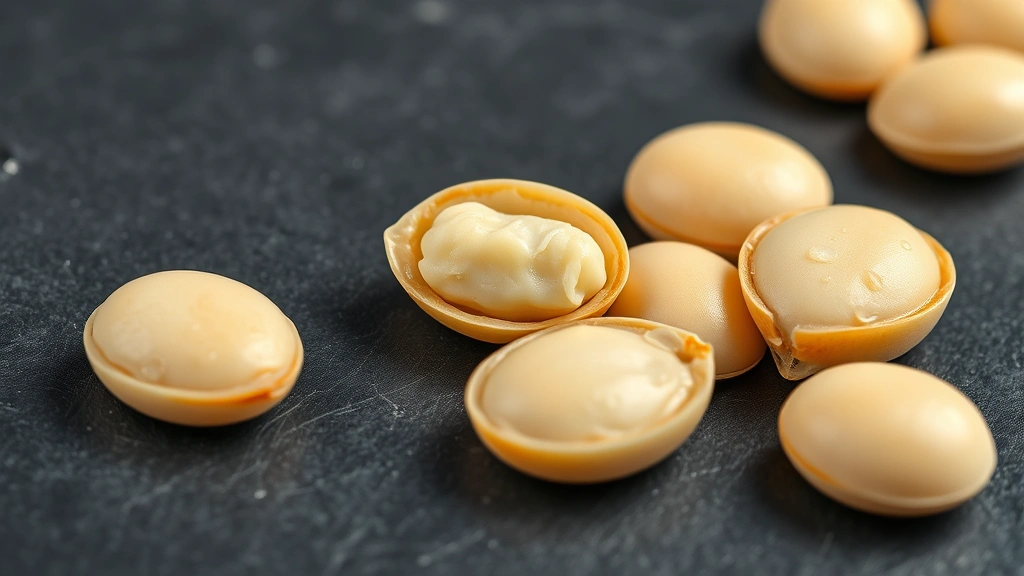
For meal prep, I often cook a big batch on Sunday and use them throughout the week in salads, soups, and grain bowls. This approach also saves money compared to buying canned beans repeatedly. One pound of dried beans yields roughly 6-7 cups of cooked beans, which is incredible value.
If you’re concerned about digestibility, save some of that cooking liquid and use it in your recipes. It contains compounds that help your body process the beans more easily. You can also add a piece of kombu seaweed while cooking, which reduces gas-producing compounds.
Frequently Asked Questions
Can I cook ceci beans without soaking?
Yes, but it’ll take longer—usually 2-3 hours on the stovetop. Soaking cuts this roughly in half and produces more even cooking. If you’re using a pressure cooker, you can skip soaking, but soaked beans still cook faster and more predictably.
Why are my ceci beans still hard after cooking?
Old beans take longer to cook. If your dried beans are more than a year old, expect 1.5-2 hours of cooking time. Hard water can also slow softening—if you have very hard tap water, use filtered water instead. Finally, acidic ingredients added too early will prevent softening.
What’s the difference between ceci beans and regular chickpeas?
There isn’t one. Ceci is simply the Italian word for chickpeas. You might also see them called garbanzo beans. They’re all the same legume.
Can I use canned ceci beans in these recipes?
Absolutely. Canned beans are already cooked, so just drain, rinse, and warm them gently. They work great for quick salads and side dishes, though they won’t have quite the same depth of flavor as beans you’ve cooked from dried.
How do I know when ceci beans are done?
They should be tender enough to crush easily between your fingers or with a wooden spoon, but still hold their shape. They shouldn’t be mushy or split open. A properly cooked bean has a creamy interior and intact skin.
Final Thoughts
Mastering a ceci beans recipe opens doors to countless meals. Whether you choose the quick pressure cooker route or the slow, meditative stovetop method, you’re investing in better flavor and nutrition. Start with one method that fits your schedule, perfect it, then branch out to the others.
The beauty of ceci beans is their flexibility. They’re equally at home in a Mediterranean salad, a spiced curry, a creamy hummus (similar techniques apply to other cooking methods like when you’re learning how long to bake tilapia for timing precision), or simply tossed with olive oil and herbs as a side dish. Once you’ve cooked a batch from dried beans, you’ll understand why people have relied on them for millennia. They’re affordable, nutritious, and genuinely delicious when treated with respect.
Keep a rotation of dried ceci beans in your pantry. Learn to recognize when they’re perfectly tender. Experiment with different aromatics and seasonings. Before long, you’ll be the person your friends ask for cooking advice, and you’ll have a reliable technique that works every single time.
For more timing precision in the kitchen, check out our guide on how long to steam crab legs to understand how different cooking methods affect various proteins. You might also find our article on how to keep apples from turning brown useful for meal prep strategies, and our resource on ambiguous recipe amount crossword clues can help clarify confusing cooking measurements.


