
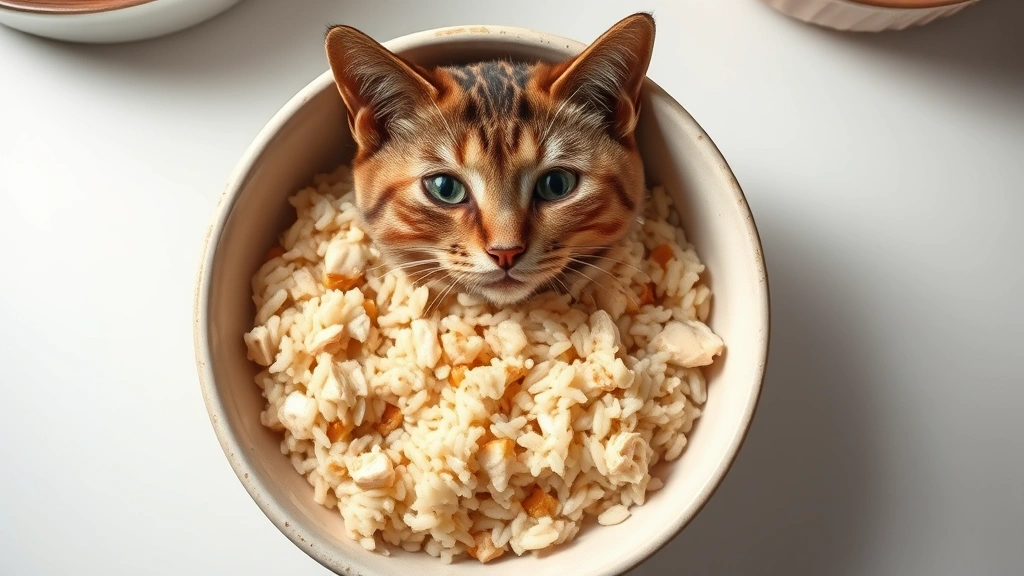
Making cat food recipes at home is one of the best ways to ensure your feline friend gets exactly what they need nutritionally while avoiding mystery ingredients and fillers. If you’re tired of commercial cat foods and want to take control of what goes into your cat’s bowl, you’re in the right place. Let me walk you through five simple, vet-approved homemade meals that your cat will actually devour.
Table of Contents
Why Make Homemade Cat Food?
Your cat depends on you to make smart choices about their nutrition. Commercial pet foods often contain preservatives, artificial flavors, and fillers that don’t belong in a carnivore’s diet. When you prepare cat food recipes at home, you know exactly what’s going into every bite. You control the protein quality, eliminate mystery ingredients, and can adjust portions based on your cat’s specific needs.
Plus, many cats respond better to fresh, home-cooked meals. You’ll likely notice shinier coats, better digestion, and more energy. It’s not complicated either—these recipes take about 30 minutes from start to finish.
Nutrition Basics for Cats
Before diving into cat food recipes, understand what cats actually need. Cats are obligate carnivores, meaning they require meat as their primary nutrition source. Unlike dogs, cats need taurine (an amino acid found in meat), vitamin A, and arachidonic acid—all naturally present in animal protein.
Every homemade recipe should be roughly 40-50% protein, with healthy fats and minimal carbohydrates. Always include a vitamin and mineral supplement designed for cats, since home cooking alone won’t provide complete micronutrient balance. Talk to your vet about the right supplement before starting these recipes.
Simple Chicken & Rice Bowl
This is the gateway recipe for beginners. It’s forgiving, affordable, and most cats love it.
Ingredients:
- 2 lbs boneless, skinless chicken breasts
- 1 cup cooked jasmine rice (you can reference jasmine rice recipes for cooking methods)
- 1/2 cup chicken broth (low sodium)
- 1 tablespoon fish oil
- Cat vitamin/mineral supplement (follow package dosing)
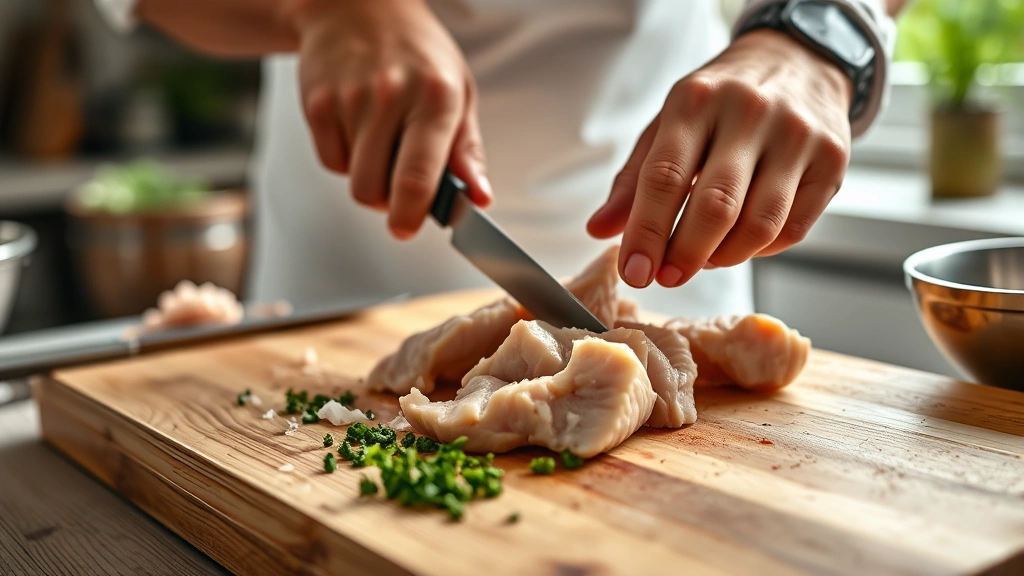
Instructions: Dice the chicken into small, bite-sized pieces. Boil or bake at 375°F for 12-15 minutes until fully cooked. Mix cooked chicken with cooked rice, broth, and fish oil. Cool completely before serving. Portion into ice cube trays for easy weekly storage.
This recipe yields about 8-10 servings depending on your cat’s size. A typical adult cat needs roughly 200-250 calories daily, so adjust portions accordingly.
Turkey & Veggie Mix
Ground turkey is leaner than chicken and works beautifully in cat food recipes. The addition of cat-safe vegetables adds fiber and nutrients.
Ingredients:
- 2 lbs ground turkey
- 1/4 cup finely chopped carrots (steamed)
- 1/4 cup pumpkin puree
- 2 tablespoons olive oil
- 1/2 cup beef or chicken broth
- Cat vitamin/mineral supplement
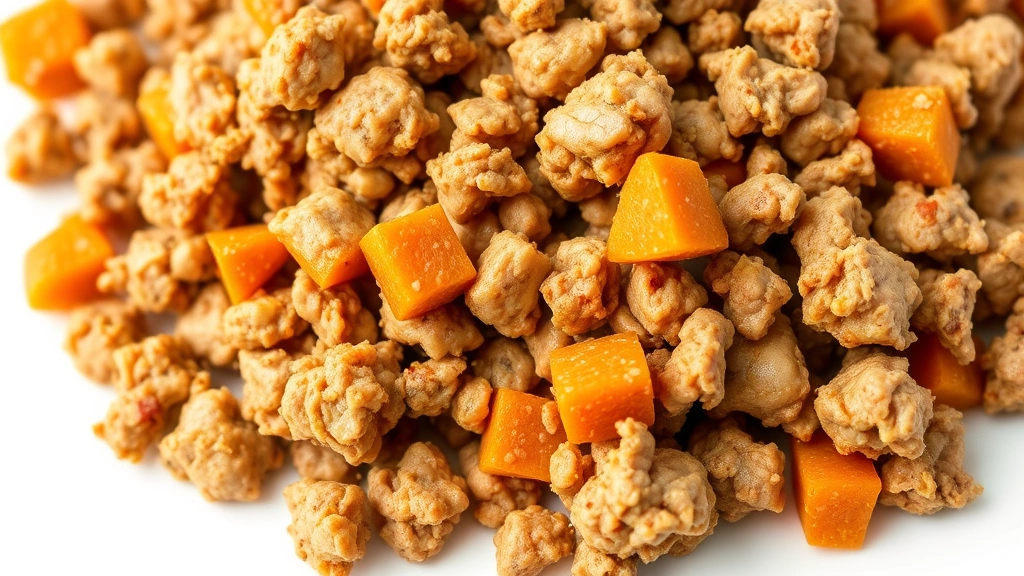
Instructions: Brown the ground turkey in a large skillet over medium heat, breaking it apart as it cooks. Add steamed carrots and pumpkin puree, stirring well. Add broth and oil, simmer for 5 minutes. Cool before portioning. This mix stays fresh in the refrigerator for 3 days or freezes for up to 3 months.
Carrots are one of the few vegetables cats tolerate well. If you’re interested in carrot preparation techniques, check out candied carrots recipe for steaming methods, though obviously you won’t be adding sugar for your cat’s meals.
Fish-Based Feast
Fish is packed with omega-3 fatty acids and gets most cats excited about mealtime. Use fresh salmon or mackerel for best results.
Ingredients:
- 1.5 lbs fresh salmon fillet
- 1 egg yolk
- 1/4 cup cooked sweet potato
- 1 tablespoon salmon oil
- Cat vitamin/mineral supplement
Instructions: Bake salmon at 400°F for 10-12 minutes until flaky. Remove all bones carefully—this is critical. Flake the cooked salmon into small pieces. Mix with cooked sweet potato, egg yolk, and salmon oil. The egg yolk provides additional protein and helps bind the mixture.
Fish-based recipes should be served no more than 2-3 times weekly to avoid thiamine deficiency, which can develop from excessive raw fish consumption.
Beef & Pumpkin Blend
Beef is nutrient-dense and satisfying for cats who prefer red meat. Pumpkin aids digestion naturally.
Ingredients:
- 2 lbs lean ground beef
- 1/2 cup pumpkin puree
- 1/4 cup beef broth
- 1 tablespoon beef liver (finely minced)
- 1 tablespoon coconut oil
- Cat vitamin/mineral supplement
Instructions: Brown the ground beef thoroughly in a skillet, breaking into small crumbles. Add pumpkin puree and broth, stirring until combined. Mix in minced liver and coconut oil. Cool and portion into serving sizes. This recipe is particularly good for cats with sensitive stomachs.
Liver Pâté Delight
Liver is nature’s multivitamin for cats. This recipe is rich, so use smaller portions than other recipes.
Ingredients:
- 1 lb chicken or beef liver
- 1/2 lb ground chicken
- 1/4 cup bone broth
- 1 tablespoon ghee
- Cat vitamin/mineral supplement
Instructions: Dice the liver into small pieces and cook thoroughly in a skillet with the ground chicken. Add bone broth and ghee, cooking until liver is completely cooked through (no pink inside). Blend or finely mince the mixture into a pâté-like consistency. This is potent stuff—serve 1-2 tablespoons per meal mixed with other proteins.
Storage and Food Safety
Proper storage is non-negotiable with homemade cat food recipes. Always cool meals completely before storing. Refrigerate for up to 3 days in airtight containers, or freeze in ice cube trays for individual portions lasting up to 3 months.
Never reuse thawed portions—what you don’t use in one meal should be discarded. Always wash your hands and utensils thoroughly after handling raw meat. Use separate cutting boards for pet food preparation if possible. Thaw frozen portions in the refrigerator overnight, never on the counter.
If you’re looking at food preparation techniques more broadly, air fryer vegetable recipes demonstrate proper cooking methods, though you’ll be using traditional cooking for most cat meals.
Transitioning Your Cat
Don’t switch to homemade cat food recipes overnight. Cats have sensitive digestive systems, and sudden diet changes cause vomiting or diarrhea. Start by mixing 25% homemade food with 75% of their current food for 3-4 days. Then move to 50/50 for another 3-4 days, then 75/25, and finally 100% homemade over 10-14 days total.
Watch for digestive upset during this transition. Some cats take longer to adjust. If your cat shows signs of distress, slow down the transition even more. Every cat is different—respect their individual needs.
Frequently Asked Questions
Do I need to add supplements to homemade cat food?
Yes, absolutely. Homemade recipes lack certain micronutrients like taurine, vitamin A, and calcium that commercial foods fortify. Use a vet-approved feline supplement with every batch. This is non-negotiable for your cat’s long-term health.
Can I feed my cat raw meat?
Raw meat diets for cats are controversial. While cats can digest raw meat, there’s increased risk of bacterial contamination (salmonella, E. coli) that affects both your cat and your household. Cooked meat is safer and equally nutritious. Consult your vet before attempting raw feeding.
How much should I feed my cat daily?
Most adult cats need 200-250 calories daily, but this varies by age, size, and activity level. A typical portion is about 5-6 ounces of food per day, split into 2-3 meals. Your vet can calculate specific caloric needs for your individual cat.
Can I use these recipes for kittens?
Kittens have different nutritional requirements than adult cats. They need more calories, more protein, and specific calcium-to-phosphorus ratios for proper bone development. Talk to your vet about kitten-specific recipes before using these adult formulas.
What vegetables are safe for cats?
Cats tolerate carrots, pumpkin, sweet potato, and green beans well. Avoid onions, garlic, grapes, raisins, and anything toxic to cats. When in doubt, check with your veterinarian before adding new ingredients to cat food recipes.
How do I know if my cat is getting proper nutrition?
Watch for a shiny coat, healthy weight, good energy levels, and regular digestion. Schedule annual vet checkups with bloodwork to monitor nutrient levels. If your cat seems lethargic or loses weight, adjust portions or consult your vet immediately.
Can I batch cook for the whole month?
You can freeze portions for up to 3 months, but I recommend cooking fresh batches every 2 weeks for maximum nutritional value. Freezing degrades some vitamins over time. Rotate recipes to ensure variety and complete nutrition.
Making cat food recipes at home transforms your cat’s health and strengthens your bond through the care you put into their meals. Start with the chicken and rice recipe, master the basics, then expand to other proteins. Your cat will thank you with better health, shinier fur, and genuine enthusiasm at mealtime. Work with your vet throughout this process—they’re your partner in keeping your feline friend thriving for years to come.


