
Cassava recipes are about to become your new kitchen staple, and honestly, once you start working with this versatile root vegetable, you’ll wonder why you didn’t discover it sooner. Whether you’re looking to expand your cooking repertoire or feed your family something nutritious and delicious, cassava delivers on all fronts. This starchy tuber packs serious nutrition—loaded with vitamin C, fiber, and resistant starch—while remaining incredibly forgiving to cook with. The best part? Most cassava recipes come together faster than you’d expect, and they work across cuisines from Latin America to West Africa to Southeast Asia.
Table of Contents
Cassava Basics and Prep
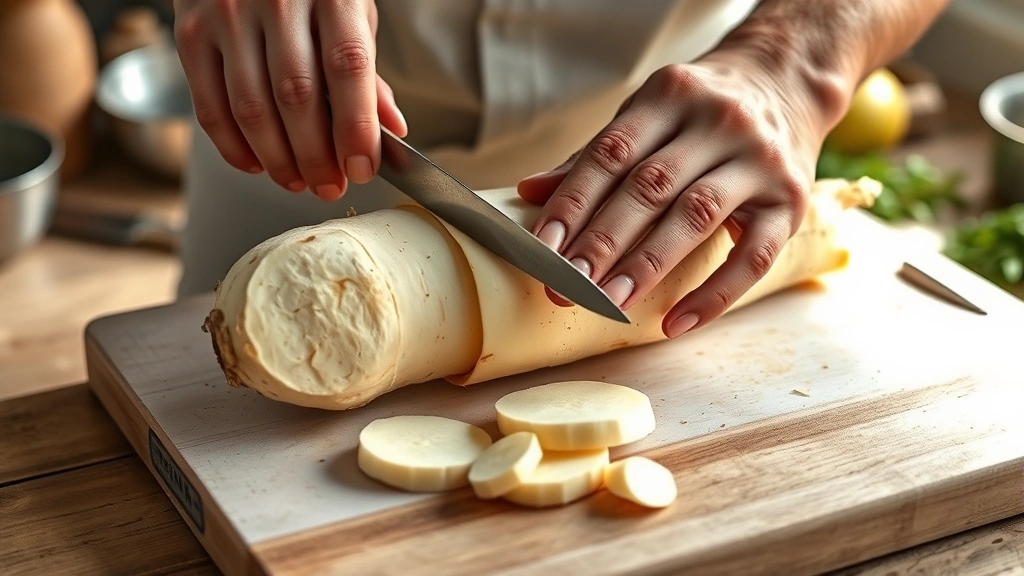
Before diving into specific cassava recipes, let’s talk preparation. Raw cassava looks intimidating—it’s a long, gnarly brown root that resembles a tree branch. Don’t let that fool you. Once you know the basics, handling cassava becomes second nature.
First, you’ll need to peel it. Cut off both ends with a sharp knife, then use a vegetable peeler or paring knife to remove the thick brown skin and the thin pink layer underneath. That pink layer contains cyanogenic compounds, so removing it completely matters. Rinse the peeled cassava under cold water. Now you’ve got a white, starchy root ready to work with.
Most cassava recipes start with either boiling or roasting. Boiling takes about 15-20 minutes until the pieces are fork-tender. Roasting at 400°F takes roughly 25-30 minutes. The cooking method you choose depends on your final dish—soups and curries benefit from boiling, while fries and wedges need roasting first for better texture.
Crispy Cassava Fries
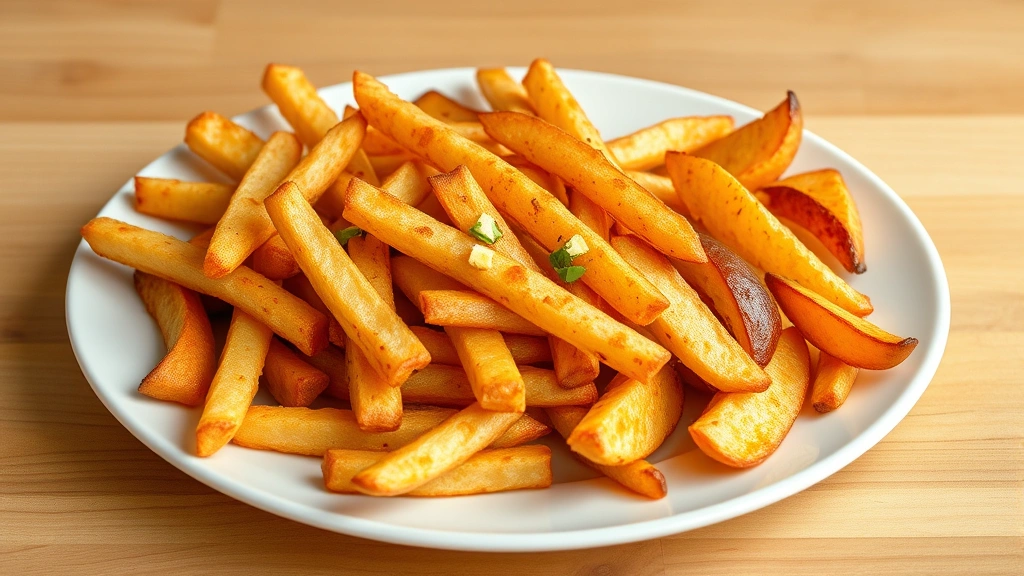
This is the gateway drug to cassava recipes. Cassava fries are crispier than potato fries and have a naturally sweet, nutty flavor that makes them addictive. Here’s the real technique that separates mediocre fries from restaurant-quality ones:
Peel and cut your cassava into fry-sized sticks, about ¼-inch thick. Boil them in salted water for 10 minutes until they’re just starting to soften but still hold their shape. Drain thoroughly and pat completely dry—moisture is the enemy of crispiness. Toss with a light coating of oil, sea salt, and whatever seasonings call to you. Black pepper, garlic powder, or cayenne all work beautifully.
Spread them on a baking sheet in a single layer and roast at 425°F for 20-25 minutes, shaking the pan halfway through. You’re looking for golden-brown edges and a crispy exterior. Serve immediately with your favorite dipping sauce. These pair perfectly alongside the boiling crab recipe for a complete seafood feast.
Boiled Cassava with Garlic
Sometimes the simplest cassava recipes are the best. This one’s basically a blank canvas for whatever flavors you want to layer on top. Peel and cut cassava into 2-3 inch chunks. Drop them into a pot of salted boiling water and cook for 15-20 minutes until completely tender. You should be able to pierce them easily with a fork.
While the cassava cooks, heat olive oil in a small pan and add minced garlic, red pepper flakes, and maybe some fresh thyme. Let it infuse for a couple minutes until fragrant. Drain the cassava and transfer to a serving bowl. Pour that garlicky oil over the top, squeeze fresh lemon juice, and finish with flaky sea salt and chopped parsley.
This preparation works as a side dish, a base for curries, or even mixed into rice dishes. You can also use this boiled cassava as the foundation for dozens of other cassava recipes throughout the week.
Cassava Flatbread
Cassava flour—also called tapioca flour—makes incredible gluten-free flatbreads that stay soft and pliable. Mix one cup of cassava flour with ½ teaspoon salt and ¾ cup warm water. Stir until you have a shaggy dough, then knead for a couple minutes until smooth. Let it rest for 10 minutes covered with a damp towel.
Divide the dough into golf ball-sized portions and roll each one between two pieces of parchment paper until thin, about the thickness of a tortilla. Heat a cast iron skillet or griddle over medium-high heat. Cook each flatbread for 2-3 minutes per side until light golden spots appear. Stack them on a plate and cover with a clean towel to keep them soft.
These flatbreads work with virtually any filling or topping. Serve them alongside caldo de pollo recipe for an authentic Latin American meal, or use them as wraps for grilled vegetables and proteins.
Roasted Cassava Wedges
If you want cassava recipes that feel more like comfort food, roasted wedges hit different. Cut peeled cassava into thick wedges, like you’re cutting a potato for wedge fries. Toss generously with olive oil, coarse sea salt, and freshly cracked black pepper. A sprinkle of smoked paprika or garlic powder takes them to the next level.
Spread on a baking sheet and roast at 400°F for 30-35 minutes, stirring halfway through. You’re aiming for golden-brown exteriors with creamy interiors. The edges should crisp up nicely while the inside stays tender. Serve hot with sour cream, ranch dip, or even a spicy aioli.
These wedges are substantial enough to serve as a main course side dish or as a snack for meal prep. They reheat well in a 350°F oven for about 10 minutes if you’ve made them ahead.
Cassava and Vegetable Soup
This is where cassava recipes shine in comfort food territory. Heat a couple tablespoons of oil in a large pot and sauté diced onions, carrots, and celery until softened, about 5 minutes. Add minced garlic and cook another minute. Pour in 6 cups of vegetable or chicken broth and bring to a simmer.
Add peeled, cubed cassava and any other vegetables you want—bell peppers, zucchini, green beans, or spinach all work beautifully. Simmer for 20-25 minutes until the cassava is completely tender. Season with salt, pepper, and a squeeze of lime juice. A handful of fresh cilantro stirred in at the end adds brightness.
This soup is naturally vegan, gluten-free, and incredibly filling. The cassava breaks down slightly and thickens the broth naturally, creating a creamy texture without any cream. Leftovers actually taste better the next day as flavors meld together.
Fried Cassava Cakes
These little fried cakes are popular across Caribbean and Latin American cuisines, and they’re among the most satisfying cassava recipes you can make. Boil peeled cassava chunks until completely tender, about 20 minutes. Drain well and mash while still warm with a fork or potato masher until smooth.
Mix in a beaten egg, some finely chopped scallions, minced garlic, salt, and pepper. Form into patties about 2 inches wide and ½-inch thick. Heat about ½ inch of oil in a shallow pan over medium-high heat. Once hot, carefully place the cassava cakes in the oil and fry for 3-4 minutes per side until golden brown and crispy.
Drain on paper towels and serve hot. These pair wonderfully with broccoli rabe recipe preparations for a complete meal with interesting contrasts in texture and flavor.
Cassava Curry with Coconut
Cassava recipes get seriously delicious when coconut curry comes into play. Heat oil in a large pot and sauté diced onions, minced garlic, and fresh ginger until fragrant. Add your curry powder—about 2 tablespoons—and stir constantly for a minute to bloom the spices.
Pour in a can of coconut milk and a cup of vegetable broth. Add peeled cassava chunks, diced tomatoes, and whatever vegetables appeal to you. Simmer for 25-30 minutes until the cassava is fork-tender and flavors have melded. Season with salt, lime juice, and a pinch of sugar if needed to balance the spices.
Serve over rice—jasmine rice recipes work particularly well here—and garnish with fresh cilantro and a drizzle of coconut milk. This curry is naturally vegan and tastes even better the next day.
Mofongo-Style Cassava
Mofongo traditionally uses plantains, but cassava works beautifully in this Puerto Rican classic. Cut peeled cassava into chunks and fry them in olive oil until golden and crispy on the outside, about 8-10 minutes total. Remove with a slotted spoon and drain on paper towels.
In a mortar and pestle—or a sturdy bowl with the back of a wooden spoon—combine the fried cassava with minced fresh garlic, a pinch of salt, and a splash of the frying oil. Mash until the cassava breaks down but still has some texture. You’re not going for a smooth puree; you want rustic, chunky consistency.
Mound it into a serving bowl and make a well in the center. Pour warm broth or sauce into that well. This works as a side dish or as the base for a complete meal. The contrast between the crispy exterior and creamy interior is what makes these cassava recipes so craveable.
Cassava Pudding Dessert
Yes, cassava recipes extend into dessert territory, and this pudding proves why. Boil peeled cassava until completely tender, then mash or blend until smooth. Mix with condensed milk, evaporated milk, a beaten egg, vanilla extract, cinnamon, and nutmeg. Some recipes add shredded coconut for extra richness.
Pour into a greased baking dish and bake at 350°F for about 40 minutes until the top is lightly golden and a knife inserted in the center comes out clean. The pudding will continue to set as it cools. Serve warm or chilled, optionally drizzled with caramel sauce or topped with whipped cream.
This dessert is naturally gluten-free and has a custard-like texture that feels indulgent despite being relatively simple to make. It’s perfect for meal planning since it stores well in the refrigerator for up to five days.
Storage and Make-Ahead Tips
Raw cassava keeps in a cool, dark place for about a week, similar to potatoes. Once peeled, use it immediately or store in water in the refrigerator for up to three days. Cooked cassava lasts about four days refrigerated in an airtight container.
Most cassava recipes freeze beautifully. Roasted wedges, fried cakes, and flatbreads all reheat well from frozen. Soups and curries freeze for up to three months. Thaw overnight in the refrigerator and reheat gently on the stovetop or in the microwave. The texture remains excellent because cassava doesn’t become mushy like some starches do.
For meal prep, boil a batch of cassava at the beginning of the week and use it as your base for multiple cassava recipes throughout the week. It works in breakfast hashes, lunch bowls, dinner sides, and even snacks.
Frequently Asked Questions
Is cassava safe to eat raw?
No, raw cassava contains cyanogenic compounds and must be properly peeled and cooked. Always remove the brown skin and the pink layer underneath before cooking. Boiling or roasting breaks down any remaining compounds and makes cassava completely safe to eat.
What’s the difference between cassava and yuca?
These terms are often used interchangeably—yuca is just another name for cassava. The root vegetable is the same plant, just called different names in different regions and languages.
Can I substitute cassava for potatoes in recipes?
Mostly yes, with some caveats. Cassava is starchier than potatoes and has a slightly different texture. It works wonderfully in mashed preparations, soups, and roasted dishes. For applications requiring very specific texture like gnocchi, you might need to adjust ratios, but cassava recipes often turn out even better than their potato counterparts.
Where do I buy cassava?
Most specialty grocery stores carry fresh cassava, particularly those with Latin American or African sections. You can also find frozen peeled cassava and cassava flour in many mainstream supermarkets. Online retailers ship both fresh and processed cassava nationwide.
How much cassava should I cook per person?
Plan for about 4-6 ounces of raw cassava per person as a side dish. If cassava is the main starch component of your meal, increase to 6-8 ounces. Keep in mind that cassava is quite filling due to its starch content, so portions don’t need to be huge.
Can I make cassava recipes ahead for meal prep?
Absolutely. Most cassava recipes store beautifully for 3-5 days in the refrigerator. Roasted wedges, fried cakes, and flatbreads reheat well. Soups and curries actually improve as flavors meld. Freeze longer-term storage in airtight containers for up to three months.
What pairs well with cassava dishes?
Cassava works with virtually any protein and vegetable. It’s particularly good alongside seafood, grilled chicken, beans, and leafy greens. Try pairing your cassava recipes with aroma rice cooker recipes for a complete grain-based meal, or use cassava as your main starch component alongside proteins and vegetables.
Are cassava recipes naturally gluten-free?
Yes, whole cassava root is naturally gluten-free. However, if using cassava flour, verify that it’s certified gluten-free and processed in a gluten-free facility if you have celiac disease or severe gluten sensitivity. Cassava flour itself doesn’t contain gluten, but cross-contamination during processing is always a consideration.
Wrapping It Up
Cassava recipes deserve a permanent spot in your cooking rotation. Whether you’re drawn to the crispy fries, the comforting soups, or the indulgent pudding, there’s a cassava preparation for every occasion and skill level. The beauty of cassava lies in its versatility—it adapts to virtually any flavor profile and cooking method while maintaining excellent nutrition.
Start with whichever recipe sounds most appealing and build from there. You’ll quickly discover that cassava is more forgiving than most root vegetables, harder to mess up than you’d expect, and genuinely delicious across the board. Once you’ve worked through a few cassava recipes, you’ll understand why this superfood has been a dietary staple across multiple continents for centuries. It’s time to bring it into your kitchen and start experimenting.


