
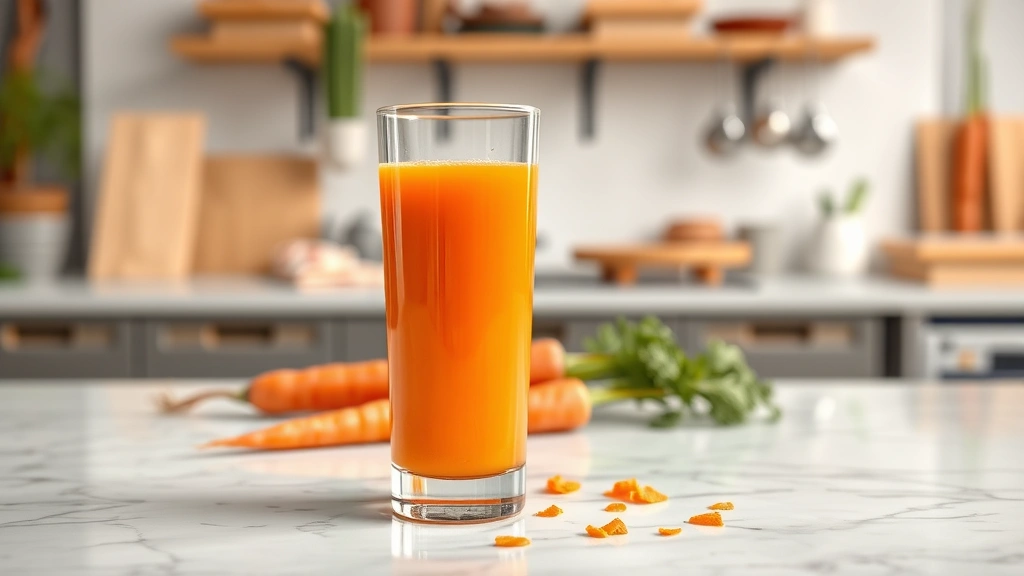
A carrot drink recipe juice is one of the easiest ways to pack serious nutrition into your daily routine—and honestly, it tastes way better than you’d expect. Whether you’re looking to boost your immune system, improve your skin, or just enjoy a refreshing beverage that doesn’t taste like a health store exploded in your glass, fresh carrot juice blends are your answer. I’ve been making these at home for years, and the difference between store-bought and homemade is night and day. Let me walk you through five killer recipes that’ll make you wonder why you ever bought pre-made juice.
Table of Contents
Why Carrot Juice Matters
Before we dive into recipes, let’s talk about why carrot juice is worth your time. Carrots are loaded with beta-carotene, which your body converts to vitamin A—essential for eye health, immune function, and skin quality. A single glass of fresh carrot juice gives you more nutrients than you’d get from eating a whole carrot raw, thanks to the juicing process breaking down cell walls and making everything more bioavailable. The natural sweetness means you don’t need added sugar, and the fiber-rich pulp (if you keep it) adds digestive benefits. Plus, making your own juice at home costs a fraction of what you’d pay at a juice bar, and you control exactly what goes in.
Basic Carrot Juice Recipe
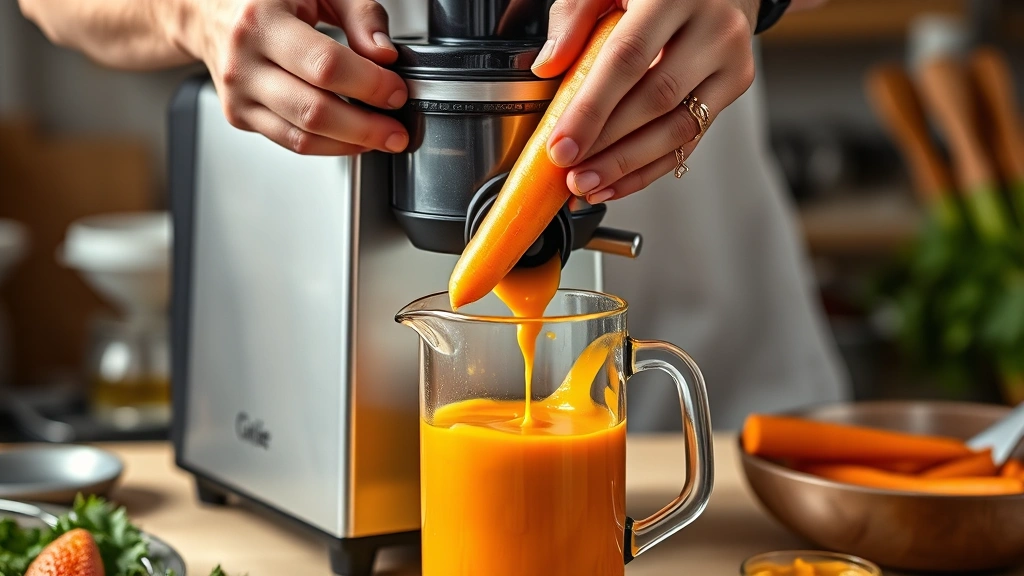
Let’s start simple. This is your foundation recipe—the one you’ll make again and again because it’s foolproof and delicious. Grab about 2 pounds of fresh carrots (roughly 8-10 medium carrots), wash them thoroughly under cold running water, and trim the ends. You don’t need to peel them if they’re organic; the skin contains nutrients. Feed them through your juicer slowly, letting the machine do the work. You’ll get roughly 16-20 ounces of pure carrot juice. The color should be bright orange, almost glowing. Drink it immediately for maximum nutrition, or store it in an airtight glass container in the fridge for up to 48 hours. That’s it. No fancy ingredients, just pure carrot goodness.
Carrot Apple Ginger Blend
This is where things get interesting. Combine 6 medium carrots with 2 crisp apples (Granny Smith or Honeycrisp work great) and a 1-inch piece of fresh ginger root. The apple adds natural sweetness and fiber, while ginger brings anti-inflammatory benefits and a subtle kick that wakes up your taste buds. Start by juicing the carrots, then the apples, then the ginger—save the ginger for last so it clears the machine properly. You’ll end up with about 18-20 ounces of a slightly spicy-sweet juice that tastes like fall in a glass. This blend is fantastic for digestive health and immune support. If you want to explore similar flavor combinations, check out our guide on properly washing produce to ensure your ingredients are clean before juicing.
Carrot Orange Turmeric Mix
Ready for a golden juice that tastes like wellness? This one’s my go-to when I feel a cold coming on. Juice 6 carrots, then add 2 fresh oranges (peeled), a 1-inch piece of turmeric root (or 1/2 teaspoon of turmeric powder if fresh isn’t available), and a pinch of black pepper to enhance turmeric absorption. The citrus brightens everything up, the turmeric brings powerful anti-inflammatory properties, and the black pepper makes sure your body actually uses the turmeric. The result is a vibrant orange-golden juice that tastes citrusy and slightly earthy. This recipe yields about 20-22 ounces and keeps for up to 72 hours in the fridge. Turmeric can stain, so use a dedicated cutting board and be careful with your clothes.
Carrot Beet Green Juice
If you want to level up your nutrition game, this blend is it. Combine 5 carrots, 2 medium beets (peeled), a handful of fresh spinach or kale, and a small piece of lemon (with the peel if organic). The beets add earthiness and support cardiovascular health, the greens pack in chlorophyll and minerals, and the lemon brightens the whole thing while aiding digestion. This juice is deep purple-red and absolutely packed with nutrients. Start with the carrots, then beets, then greens, then lemon. You’ll get roughly 16-18 ounces of the most nutrient-dense juice on this list. Fair warning: it tastes like you’re drinking health, but in the best way possible. For a complementary recipe that uses similar produce, try our beet hummus recipe for another creative way to use beets.
Tropical Carrot Pineapple
Want something that tastes like a vacation? Juice 6 carrots with 1/2 fresh pineapple (peeled and cored), 1 mango, and a small piece of fresh turmeric or ginger. The tropical fruits make this juice taste like dessert, but it’s completely natural sweetness. Pineapple adds bromelain, an enzyme that supports digestion, while mango brings vitamin C and antioxidants. You’ll get about 20-24 ounces of a golden-orange juice that honestly tastes like you’re cheating on your diet. This one’s perfect for post-workout recovery or as a refreshing afternoon pick-me-up. The sweetness means you can serve it to kids who normally turn their noses up at vegetable juice.
Equipment You’ll Need
You don’t need to spend a fortune here, but the right tool makes all the difference. A cold-press or masticating juicer is your best bet—these extract juice by slowly grinding produce rather than spinning it at high speeds, which means less oxidation and better nutrient retention. Brands like Hurom and Omega are solid investments that’ll last years. If budget’s tight, a centrifugal juicer works fine for getting started; you’ll just lose some nutrients and get slightly less juice. You’ll also want a cutting board, sharp knife, and glass storage containers with airtight lids. A fine-mesh strainer is optional but helpful if you prefer pulp-free juice. Clean your juicer immediately after use—dried pulp is a nightmare to remove later.
Storage and Shelf Life
Fresh juice oxidizes quickly, so timing matters. Drink it within 15 minutes of making it for maximum nutrient content and flavor. If that’s not realistic, store it in an airtight glass container in the coldest part of your fridge—not the door. Most fresh carrot juice blends stay fresh for 48-72 hours, depending on what you mixed in. Citrus and ginger help preserve juice longer, while leafy greens shorten shelf life. A pro tip: if you’re making juice for the week, freeze it in ice cube trays and thaw what you need. Frozen juice keeps for up to 3 months. When you thaw it, you might notice some separation—just stir it back together. The nutrients are still there.
Frequently Asked Questions
Can I use a blender instead of a juicer?
Technically yes, but you’ll get juice with pulp rather than pure juice. Blend the carrots with a splash of water, then strain through cheesecloth or a fine-mesh strainer. You’ll lose some nutrients in the pulp, and the texture won’t be the same, but it works in a pinch.
Is carrot juice safe for babies?
Not for babies under 6 months. After that, introduce it slowly and diluted with water. Carrot juice has been linked to nitrate concerns in very young infants, so check with your pediatrician first.
Why does my juice taste bitter?
You might be using old carrots or leaving the greens on. Fresh carrots from the farmers market taste noticeably sweeter. Also, if you’re adding too much ginger or turmeric, dial it back—these spices can overpower quickly.
Can I make these recipes ahead of time?
Yes, but drink within 48 hours for best quality. Store in glass containers in the fridge, not plastic, since carrot juice can stain plastic and some nutrients degrade faster in plastic.
What’s the best time to drink carrot juice?
First thing in the morning on an empty stomach allows maximum nutrient absorption. If that bothers your stomach, have it with a light breakfast instead.
Do I need organic carrots?
Conventional carrots are fine, but organic tend to taste sweeter. If budget allows, go organic—you’ll be consuming the whole carrot including the skin where pesticides concentrate. For other produce in these recipes, prioritize organic for berries and leafy greens.
Final Thoughts
Making your own carrot juice is genuinely one of the easiest healthy habits you can build. These five recipes give you options for every mood and season—from the simple straight-carrot version to the tropical escape blend. Start with whatever sounds good to you, invest in a decent juicer, and get comfortable with the process. Within a week, you’ll be making these recipes on autopilot, and you’ll notice your energy, skin, and digestion improving. The best part? You’ll save money compared to juice bars, and you’ll know exactly what’s going into your body. If you’re looking to expand your healthy recipe repertoire, our caramel macchiato guide and guacamole recipe offer other simple homemade options. Now stop reading and go make some juice—your body will thank you.


