
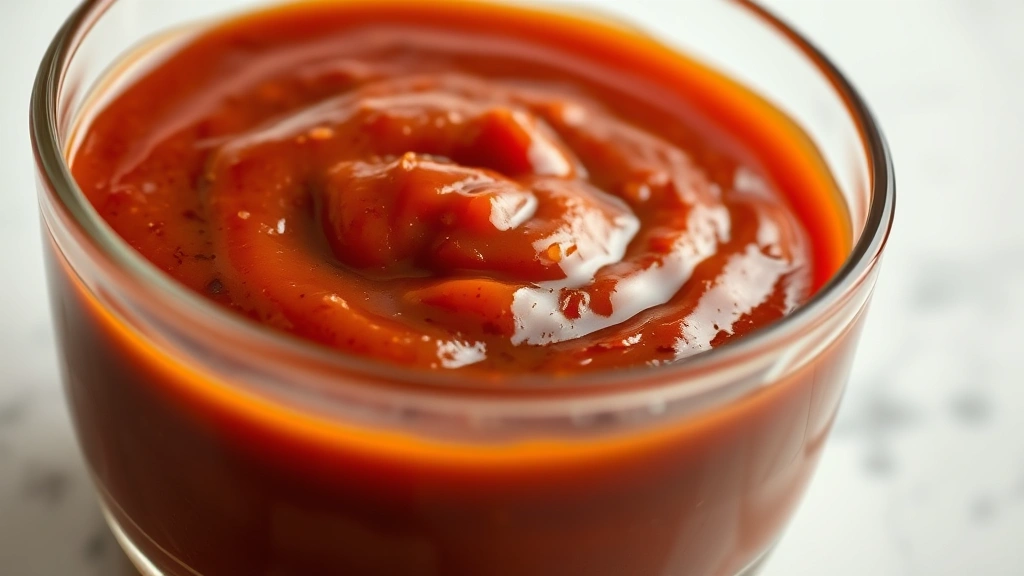
A carolina bbq sauce recipe is the backbone of authentic Carolina barbecue, and honestly, you don’t need hours in the kitchen to nail it. In just 20 minutes, you can whip up a tangy, vinegar-forward sauce that’ll make your pulled pork, ribs, or chicken taste like it came straight from a pit master’s smoker. I’ve been making this for years, and the beauty of it is the simplicity—no fancy ingredients, no complicated steps, just pure BBQ flavor that works.
Table of Contents
What Makes Carolina BBQ Special
Carolina barbecue sauce is fundamentally different from Kansas City or Texas styles. While those regions lean heavy on molasses and tomato, Carolina keeps it lean and mean with vinegar as the star player. The sauce is thin, peppery, and cuts through rich meat like a knife. Eastern North Carolina goes even lighter—mostly vinegar with heat. Western Carolina adds a touch of tomato and brown sugar for sweetness, but nothing like what you’d find out West.
The reason this style works so well is the acidity. When you’re smoking meat for hours, that vinegar tang wakes up your palate and balances the smokiness. It’s not a heavy coating sauce; it’s a finishing sauce that enhances rather than masks. That’s the Carolina way, and once you taste it, you’ll understand why barbecue lovers down South are so protective of their recipe.
Ingredients You Need
Here’s what goes into a solid carolina bbq sauce recipe:
- 1 cup apple cider vinegar (this is non-negotiable)
- ¼ cup brown sugar
- 2 tablespoons ketchup
- 1 tablespoon Worcestershire sauce
- 1 tablespoon hot sauce (Frank’s or similar)
- 1 teaspoon black pepper (freshly cracked if you can)
- ½ teaspoon cayenne pepper
- ½ teaspoon garlic powder
- ½ teaspoon onion powder
- ¼ teaspoon red pepper flakes
- Salt to taste
That’s literally it. No tomato paste, no molasses, no complicated spice blends. The magic happens when these simple ingredients come together. The apple cider vinegar is your foundation—don’t substitute it with white vinegar or you’ll lose that fruity depth that makes Carolina sauce distinctive.
Step-by-Step Guide
Making this sauce takes about 5 minutes of active work, plus 15 minutes of simmering. Here’s how:
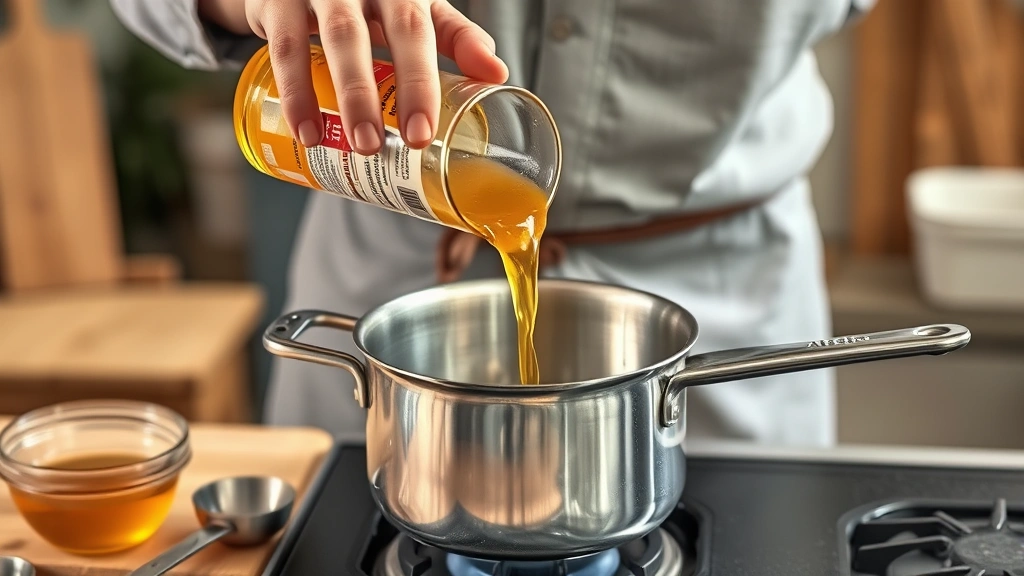
Step 1: Combine Your Base Pour your apple cider vinegar into a medium saucepan over medium heat. Add the brown sugar, ketchup, and Worcestershire sauce. Stir until the sugar dissolves completely. This should take about 2 minutes.
Step 2: Add the Heat Stir in your hot sauce, black pepper, cayenne, garlic powder, onion powder, and red pepper flakes. Mix thoroughly so everything is evenly distributed. You want no clumps of spice hiding in the corners.
Step 3: Simmer and Develop Reduce heat to low and let it simmer for 12-15 minutes. You’re not looking for a rolling boil here—just gentle bubbles. This allows the flavors to marry and the sauce to thicken slightly. Stir occasionally.
Step 4: Taste and Adjust After simmering, taste it. Too vinegary? Add a pinch more brown sugar. Not enough heat? Another dash of cayenne. This is where you make it yours. Add salt to taste—usually about ½ teaspoon, but go easy.
Step 5: Cool and Use Let it cool for 5 minutes before using. The sauce will thicken more as it cools. If you want it thinner, add a splash of vinegar. If you want it thicker, let it simmer a few minutes longer.
Eastern vs Western Style
Here’s where Carolina gets interesting. The state has two distinct styles, and they’re worth understanding.
Eastern North Carolina is the purist version. It’s basically vinegar, pepper, and heat. Some versions add just a touch of ketchup, but that’s it. This is what you’d find in the Piedmont region. If you want to go full Eastern, reduce the ketchup to 1 teaspoon and skip the brown sugar entirely.
Western North Carolina (around Lexington) adds brown sugar and tomato to create a slightly sweeter, more balanced sauce. This is closer to what I’ve given you in the main recipe. It bridges the gap between Eastern Carolina and other regional styles.
Both are legitimate. Both are delicious. The choice depends on what meat you’re serving and your personal preference. I usually make the Western version because it’s more forgiving and works better with a wider range of dishes.
Pro Cooking Tips
After making this sauce dozens of times, here are the tricks that separate good from great:
Use Fresh Spices Those spice jars sitting in your cabinet for two years? They’ve lost their punch. Fresh garlic powder and onion powder make a noticeable difference. If you have time, use fresh garlic and onion instead—mince them fine and add them during the simmer.
Don’t Skip the Simmer I know you want to use it immediately, but those 12-15 minutes matter. The vinegar sharpness mellows, and the spices bloom. Patience pays off here.
Temperature Control Keep that heat low. If it boils aggressively, you’ll cook off too much vinegar and end up with something too thick and concentrated. Low and slow is the move.
Taste as You Go Everyone’s palate is different. Your hot sauce might be spicier than mine. Your vinegar might have slightly different acidity. Adjust as needed. This is your sauce.
Storage and Shelf Life
This sauce keeps for ages because of the vinegar’s preservative properties. Store it in a clean glass jar or bottle in the refrigerator, and it’ll last 2-3 months easily. Some people keep it in the pantry at room temperature, and it’s fine there too, but the fridge extends the life and keeps the flavors fresher.
If you want to make a big batch and store it longer, you can can it using standard canning procedures. The high acidity makes it safe for water bath canning. Sterilize your jars, fill them hot, and process for 10 minutes in boiling water. You’ll get shelf-stable sauce that lasts a year or more.
Pairing With Different Meats
This sauce is versatile, but it shines with certain proteins.
Pulled Pork This is the classic pairing. The vinegar cuts through the richness of pork shoulder beautifully. Brush it on during the last 30 minutes of smoking, or serve it on the side for dipping.
Ribs Apply it as a finishing sauce in the last 15 minutes of cooking. The acidity keeps ribs from feeling heavy.
Chicken This works great on whole chickens or chicken breasts. The tang complements poultry perfectly.
Brisket Some purists say Carolina sauce doesn’t go on brisket, but I disagree. It’s excellent as a finishing touch on Texas-style brisket.
Pro tip: Use it as a dipping sauce at the table rather than cooking it onto the meat. This preserves the sauce’s brightness and lets people control how much they use.
Customize Your Sauce
Once you nail the basic recipe, you can experiment. Here are some variations I’ve tried:
Spicier Version Double the cayenne and red pepper flakes. Add a teaspoon of ghost pepper powder if you’re brave.
Sweeter Version Increase brown sugar to ⅓ cup and add a tablespoon of honey. This leans toward Western Carolina style.
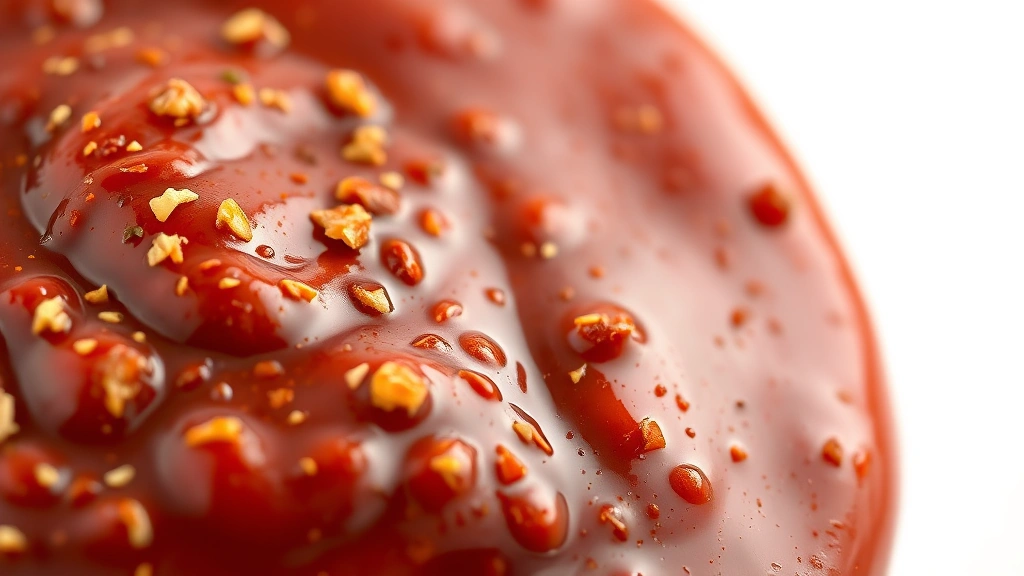
Smoky Version Add a teaspoon of liquid smoke. Not traditional, but delicious.
Mustard Version Add 2 tablespoons of yellow or whole grain mustard. This bridges Carolina and South Carolina styles.
The beauty of this recipe is it’s a jumping-off point. Make the base version first, then experiment. You might discover your own signature variation.
Frequently Asked Questions
Can I make this sauce without vinegar?
Technically yes, but you’re not making Carolina BBQ sauce anymore. Vinegar is the defining ingredient. If you don’t like vinegar, try a Kansas City-style sauce instead, which uses molasses and tomato as the base.
How thick should the sauce be?
Carolina sauce should be thin enough to drizzle but thick enough to coat a spoon. It’s thinner than most other regional BBQ sauces. If yours is too thick after cooling, thin it with a splash of apple cider vinegar.
Can I use white vinegar instead of apple cider?
You can, but the result won’t be authentic. Apple cider vinegar has a fruity, slightly sweet undertone that white vinegar lacks. Stick with apple cider if you can.
How long does this keep after opening?
Refrigerated in a sealed jar, it lasts 2-3 months. The vinegar acts as a natural preservative. If you notice any mold or off smell, toss it.
Is this sauce good for grilling or just smoking?
It works for both. Use it as a finishing sauce on the grill—brush it on in the last few minutes of cooking. On a smoker, apply it during the last 30 minutes or serve it on the side.
Can I double this recipe?
Absolutely. Double everything and simmer for 20 minutes instead of 15. It scales up perfectly.
What if I don’t have hot sauce?
Add another ½ teaspoon of cayenne pepper instead. You’ll lose a tiny bit of flavor complexity, but it’ll still be excellent.
Final Thoughts
Making a carolina bbq sauce recipe at home is one of those kitchen wins that feels fancy but is genuinely simple. Twenty minutes from start to finish, and you’ve got something better than most bottled sauces. The ingredient list is short, the technique is straightforward, and the results are authentic.
Once you’ve made this a few times, you’ll have it memorized. You’ll be able to throw it together while your meat is smoking, adjust it to your taste, and impress everyone at your next cookout. That’s the real skill—not following a recipe, but understanding it well enough to make it your own.
If you’re looking for other quick kitchen projects, check out how to make caramel popcorn for a sweet side dish that pairs well with savory BBQ. Or if you want to round out your meal with vegetables, learn how long to steam carrots for a simple side. And if you need a dessert to follow your BBQ feast, how to make dalgona cookies is a fun, quick option.
Now get out there and make some sauce. Your next barbecue is going to be legendary.


