
If you’re diving into the carnivore diet, carnivore recipes are your foundation for success. This way of eating focuses entirely on animal products—meat, fish, eggs, and dairy—cutting out plants completely. It sounds restrictive, but once you master a few core meals, you’ll discover endless possibilities for delicious, satisfying dishes that keep you full and energized.
Table of Contents
Simple Steaks & Basics
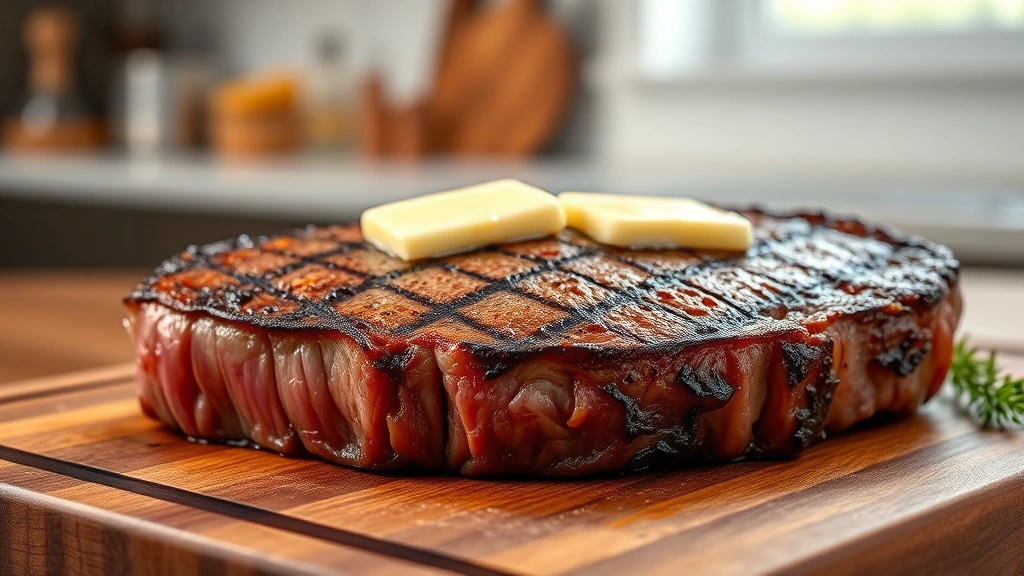
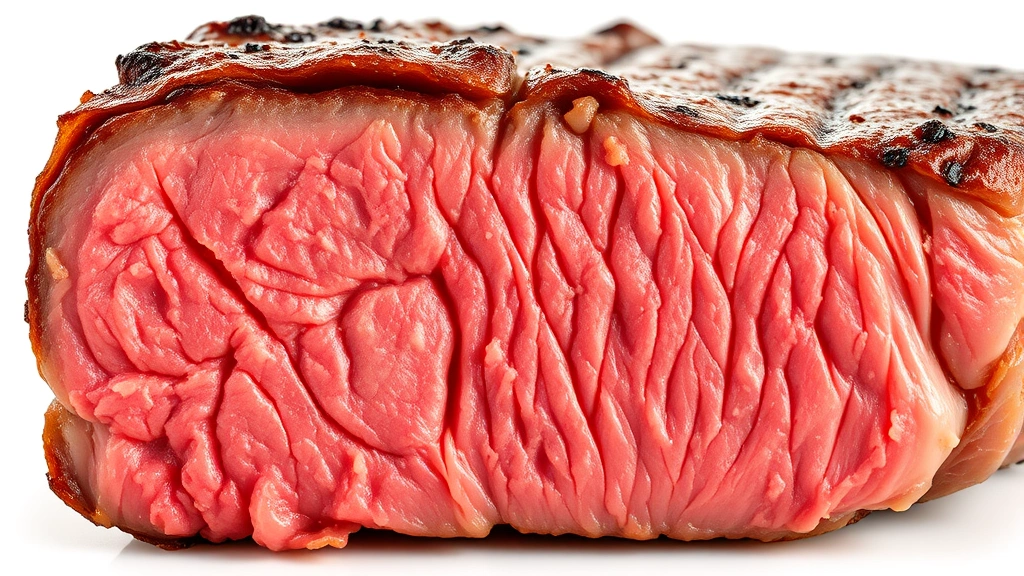
Let’s start with the easiest carnivore recipes: a perfect steak. This is where most people begin, and rightfully so. A quality cut of beef—ribeye, New York strip, or sirloin—needs minimal intervention. Pat your steak dry with paper towels, season generously with salt and pepper, and let it sit at room temperature for 30 minutes. Heat your cast iron skillet until it’s screaming hot, then sear each side for 3-4 minutes depending on thickness. The goal is a golden crust while maintaining a pink center.
The beauty of steak-based carnivore recipes is their versatility. You can cook them on a grill, in a skillet, or even in a Dutch oven if you’re batch cooking. Temperature matters: aim for 130-135°F internal temperature for medium-rare. Rest your steak for 5 minutes after cooking—this keeps juices locked inside rather than running onto your plate. Top with a pat of grass-fed butter if you want extra richness.
Ground Meat Foundations
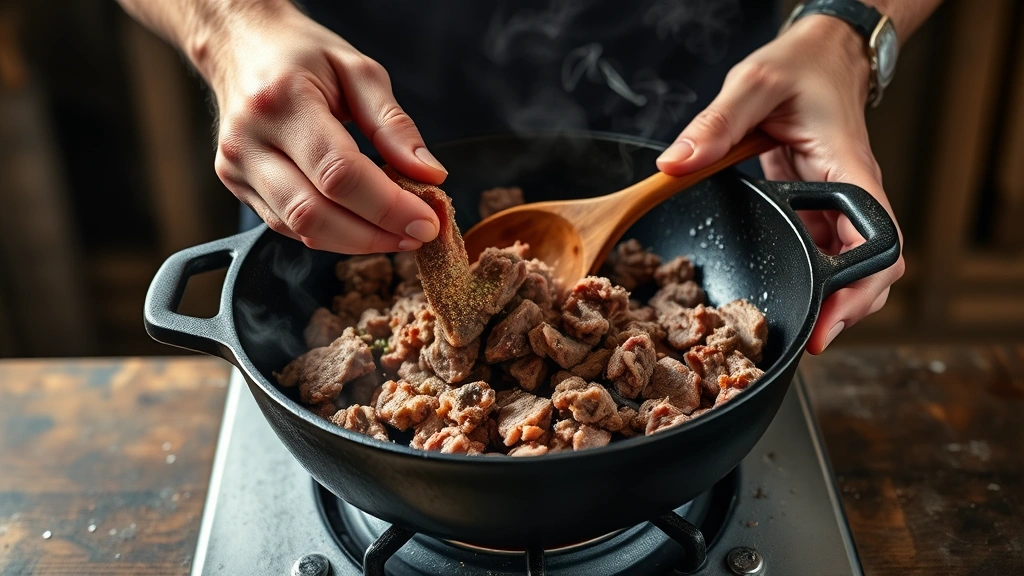
Ground beef is the workhorse of beginner carnivore recipes. It’s affordable, cooks quickly, and adapts to various preparations. Brown a pound of ground beef in a large skillet over medium-high heat, breaking it apart as it cooks. Season with salt, pepper, and garlic powder. That’s your base for countless meals.
Try our Al Pastor Recipe for inspiration on layered meat cooking techniques, though you’ll skip the traditional marinade and focus on the meat preparation itself. You can also reference Amatriciana Recipe methods for understanding how to build deep flavor through proper meat selection and cooking technique, adapting it to pure carnivore by keeping only the pork and beef components.
Ground beef patties are another essential. Mix ground beef with salt and pepper, form into thick patties, and pan-fry until cooked through. Serve them plain, topped with cheese, or wrapped in bacon. These patties freeze beautifully, making them perfect for meal prep.
Fatty Cuts Done Right
The carnivore diet embraces fat in ways conventional nutrition never did. Fatty cuts like brisket, chuck roast, and pork belly become your allies. These cuts develop incredible flavor when cooked low and slow. A Dutch oven becomes invaluable here—check our guide on Best Dutch Oven Recipes for technique fundamentals you can apply to carnivore cooking.
Season your brisket generously, sear it in a hot skillet to develop a crust, then braise it in beef broth at 275°F for 4-6 hours. The result is tender, juicy meat that pulls apart with a fork. Pork belly can be roasted skin-side up at 400°F until the skin crisps—this creates carnivore “crackling” that satisfies any craving for textural variety.
Seafood Protein Choices
Fish and shellfish deserve a place in your carnivore recipes rotation. Salmon, mackerel, and sardines provide omega-3 fatty acids alongside complete protein. Pan-fry salmon fillets skin-side down in butter for 6-8 minutes until the skin crisps and flesh flakes easily. Cod and halibut work beautifully baked whole or filleted.
Shellfish like shrimp, oysters, and mussels add variety. Shrimp cooks in minutes—toss them in hot butter with salt and pepper for a meal ready in under 10 minutes. Oysters can be eaten raw or lightly pan-seared. Mussels steam in a covered pot with a bit of water and butter, creating their own sauce.
Egg Dishes for Any Time
Eggs are the most versatile carnivore recipes ingredient. Scrambled, fried, poached, or baked—eggs work for breakfast, lunch, or dinner. Scrambled eggs cooked low and slow in butter become creamy and luxurious. Fried eggs with crispy edges provide textural contrast. Baked eggs in a muffin tin with cheese and bacon bits create portable portions for meal prep.
Make egg muffins by beating eggs, pouring them into greased muffin tins, adding cooked sausage or bacon, topping with cheese, and baking at 350°F for 20-25 minutes. These freeze and reheat beautifully. Omelets filled with cheese and ham offer another quick option when you need something fast.
Organ Meats & Nose-to-Tail
Advanced carnivore recipes incorporate organ meats for complete nutrition. Liver is nutrient-dense but requires proper preparation. Slice beef liver thin, soak it in milk or salt water for an hour to reduce the strong flavor, then pan-fry quickly in hot butter. Don’t overcook—liver becomes rubbery and unpleasant when cooked past medium.
Kidney, heart, and tongue offer different flavors and textures. Beef heart is surprisingly lean and tender when sliced thin and cooked hot and fast. Tongue requires longer cooking but becomes incredibly tender and rich. These cuts are budget-friendly and incredibly nutrient-dense, making them worth exploring once you’re comfortable with basic carnivore recipes.
Best Cooking Methods
Your carnivore recipes success depends on mastering cooking techniques. High-heat searing in cast iron develops the Maillard reaction—that delicious brown crust that makes meat taste incredible. Medium-heat pan-frying works for delicate fish and eggs. Low-and-slow braising tenderizes tough cuts and develops deep flavor.
Grilling adds smoky complexity to steaks and burgers. Roasting in the oven works for larger cuts and multiple portions simultaneously. Slow cooking in a crockpot requires minimal effort—just add meat and salt, then walk away for 8 hours. Understanding when to use each method prevents dry, overcooked meat and ensures tender, juicy results every time.
Seasoning Without Plants
Carnivore recipes rely on salt as the primary seasoning. Sea salt or rock salt brings out meat’s natural flavors. Black pepper adds pungency. Garlic powder and onion powder provide depth without plant material. Some carnivore followers debate whether these powders violate the diet’s principles, but most accept them in small quantities.
Experiment with salt types—pink Himalayan salt, Celtic sea salt, and kosher salt each bring subtle differences. Fresh cracked black pepper tastes superior to pre-ground. Compound butters—butter mixed with salt and spices—elevate simple steaks into restaurant-quality meals. Some people add fresh herbs like rosemary during cooking, though strict carnivore followers avoid this.
Meal Prep Like a Pro
Successful carnivore recipes require planning. Cook a large batch of ground beef on Sunday and portion it into containers for the week. Grill multiple steaks at once and refrigerate them—they reheat beautifully in a hot skillet. Make egg muffins in bulk and freeze them for grab-and-go breakfasts. Cook a brisket or pork shoulder and slice portions for multiple meals.
Store cooked meat in airtight containers, using them within 3-4 days. Freeze portions you won’t eat immediately for up to three months. Label everything with the date. This approach removes the “what’s for dinner” stress and ensures you always have carnivore recipes ready when hunger strikes.
Common Beginner Mistakes
New carnivore followers often undercook meat, fearing foodborne illness. Ground beef should reach 160°F internal temperature; whole cuts like steaks are safe at 125°F. Overcooking is the bigger mistake—dry, tough meat discourages people from continuing the diet.
Another error: neglecting fat. The carnivore diet isn’t about eating only lean protein. Fatty cuts, butter, and cheese provide satiety and flavor. Beginners sometimes eat too little, leading to hunger and cravings. Listen to your body and eat until satisfied. Also avoid getting bored—rotate between beef, pork, lamb, fish, and eggs to maintain interest in your carnivore recipes.
Wrapping Up Your Carnivore Journey
Mastering these essential carnivore recipes gives you the foundation to thrive on an all-meat diet. Start simple with quality steaks and ground beef, then expand into fatty cuts, seafood, and eggs. Don’t fear organ meats once you’re comfortable—they’re nutritional powerhouses. Focus on cooking technique, proper seasoning, and meal prep to remove friction from your daily eating.
The carnivore lifestyle isn’t restrictive once you understand the possibilities. These recipes prove that eliminating plants doesn’t mean eliminating flavor, variety, or satisfaction. Cook with confidence, trust the process, and enjoy the simplicity of eating real meat prepared well.
Frequently Asked Questions
Can I eat processed meats on a carnivore diet?
Processed meats like bacon, sausage, and deli meat are technically allowed, but quality matters. Look for products without sugar or excessive additives. Uncured, nitrate-free options are preferable. Fresh meat is always the better choice for carnivore recipes, but processed options work for convenience.
How much meat should I eat daily?
There’s no one-size-fits-all answer. Most people eat 1-2 pounds of meat daily, adjusting based on hunger and activity level. The carnivore diet is self-regulating—eat when hungry, stop when full. Your body will signal its needs once you’re fat-adapted.
Do I need supplements on a carnivore diet?
Most people don’t need supplements if eating nose-to-tail, including organ meats. However, some people benefit from electrolyte supplementation during the adaptation phase. Consult a healthcare provider about your specific needs.
What beverages can I drink?
Water is the primary beverage. Coffee and tea are acceptable if you enjoy them. Some carnivore followers drink bone broth for additional nutrients and minerals. Avoid all plant-based beverages and sugary drinks.
How long does the adaptation phase last?
Most people feel normal within 2-4 weeks, though complete adaptation can take 3-6 months. During this time, some experience fatigue, headaches, or cravings. This typically passes as your body adjusts to burning fat for fuel.
Can I meal prep carnivore recipes?
Absolutely. Cooked meat stores well in the refrigerator for 3-4 days and freezes for months. Prepare large batches of ground beef, steaks, or roasts, then portion them for easy weekday meals. Egg muffins also freeze beautifully.


