
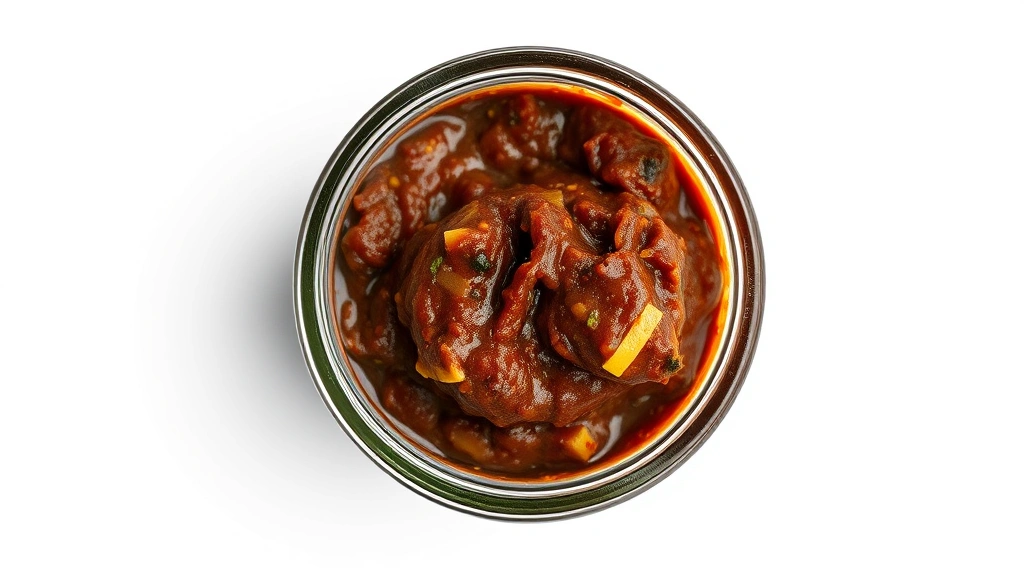
A proper carne asada seasoning recipe is the foundation of legendary grilled meat—the kind that makes people ask for your secret. This isn’t about fancy imported spice blends or mystery ingredients. It’s about understanding how citrus, chiles, and aromatics work together to create that authentic Mexican flavor profile that turns a simple cut of beef into something unforgettable.
Table of Contents
Core Ingredients Matter
The backbone of any authentic carne asada seasoning recipe starts with five essential components: cumin, chiles, citrus, garlic, and oregano. These aren’t random choices—they’re the flavor profile that defines Mexican grilled meat traditions.
Cumin brings earthiness and warmth. You want whole seeds if possible, toasted just before grinding. That toasting step isn’t optional—it wakes up the oils and deepens the flavor by about 40%. Ground cumin from a jar that’s been sitting for six months? That’s not going to cut it.
Dried chiles provide heat and complexity. Most authentic recipes use a combination: guajillo for mild fruity notes, ancho for depth, and maybe a bit of chipotle for smokiness. Skip the generic “chili powder” from the supermarket spice aisle. That stuff is already mixed with other ingredients and won’t give you the control you need.
Citrus—lime and orange—is non-negotiable. The acid tenderizes the meat while brightening the entire seasoning profile. Fresh juice matters here more than anything else in this blend.
Building Your Blend
Here’s the exact carne asada seasoning recipe that works:
Dry Components (grind together):
- 2 tablespoons whole cumin seeds, toasted
- 2 dried guajillo chiles, stemmed and seeded
- 1 dried ancho chile, stemmed and seeded
- 1 tablespoon whole coriander seeds
- 1 teaspoon whole black peppercorns
- 1 teaspoon dried oregano
- ½ teaspoon whole cloves
Fresh Components (minced fine):
- 6 cloves garlic
- 2 tablespoons fresh cilantro
- Zest of 2 limes
- Zest of 1 orange
Wet Base:
- ¼ cup fresh lime juice
- 3 tablespoons fresh orange juice
- 3 tablespoons olive oil
- 1 tablespoon apple cider vinegar
- 1 tablespoon honey
- Salt to taste
This creates a paste rather than a dry rub, which is actually more authentic than what most people expect. The moisture helps the seasonings penetrate deeper into the meat fibers.
Fresh vs Dried Components
The tension between fresh and dried ingredients is where most home cooks go wrong. You need both, and they serve different purposes.
Dried chiles and spices are your foundation—they’re concentrated, stable, and provide the backbone flavor. But they’re one-dimensional without fresh elements. Fresh garlic, cilantro, and citrus zest add brightness and complexity that no dried version can replicate.
If you’re making a batch of seasoning paste to use immediately, go heavy on the fresh stuff. If you’re making a dry rub to store, focus on the dried components. Most of us want something in between—a paste that’ll keep for a week in the fridge.
The fresh lime and orange juices are where many people cut corners, and it shows. Bottled juice has been pasteurized and stabilized. Fresh juice has living acids and oils that make a real difference. Spend the 90 seconds to juice fresh citrus.
Mixing and Storage
Toast your whole spices in a dry skillet over medium heat for about 2-3 minutes. You’re listening for them to smell fragrant and watching for very light browning. Overdoing it makes them bitter.
Let them cool completely. Grind in a spice grinder or mortar and pestle. A coffee grinder works if you dedicate it to spices (your morning coffee will thank you for not mixing these).
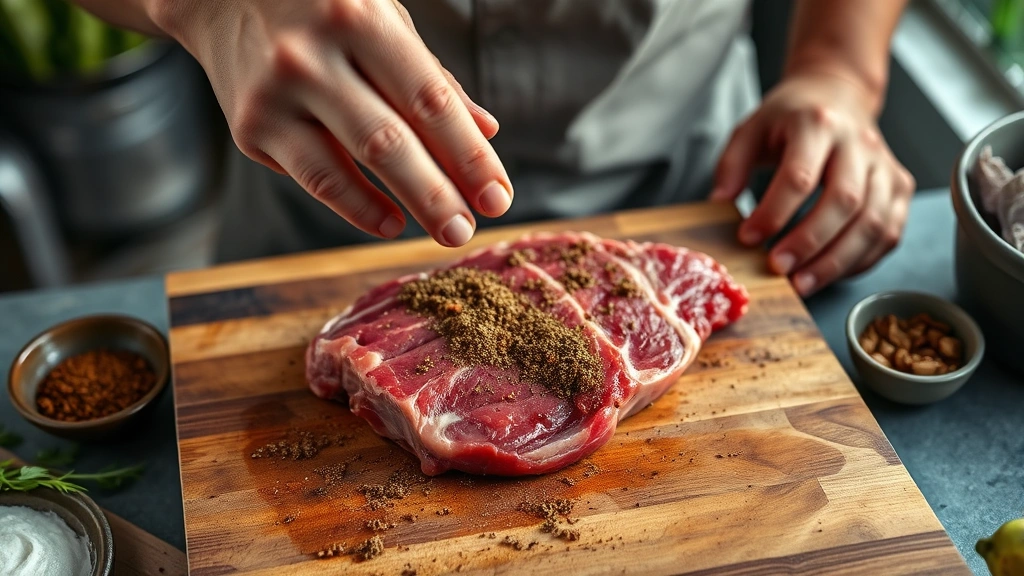
Mince your fresh garlic and cilantro very fine. Zest your citrus directly into your mixing bowl. Combine everything with the juices, oil, vinegar, and honey. Stir until you get a paste consistency.
Store in a glass jar in the refrigerator. It’ll keep about 10 days. The flavor actually improves after a day as the ingredients marry together. Make a double batch and you’ll have it ready for your next grilling session.
Prepping Your Meat
Use skirt or flank steak—cuts with good marbling and grain structure that’ll hold the seasoning. Trim excess fat but leave a thin cap for flavor.
Pat the meat dry with paper towels. Moisture is the enemy of good seasoning adhesion. Score the surface lightly in a crosshatch pattern—this helps the paste grip better.
Apply your carne asada seasoning recipe generously, working it into the meat with your fingers. Don’t be shy. Get it into the scored areas. If you’re using a paste, you can’t really overseason at this stage.
Let it sit for at least 30 minutes at room temperature, or up to 4 hours in the refrigerator. The acid in the citrus will start breaking down proteins immediately, tenderizing as it seasons.
Grilling Like a Pro
Get your grill screaming hot—we’re talking 450°F minimum. Pat the meat dry again before it hits the grates. Any moisture will create steam instead of char.
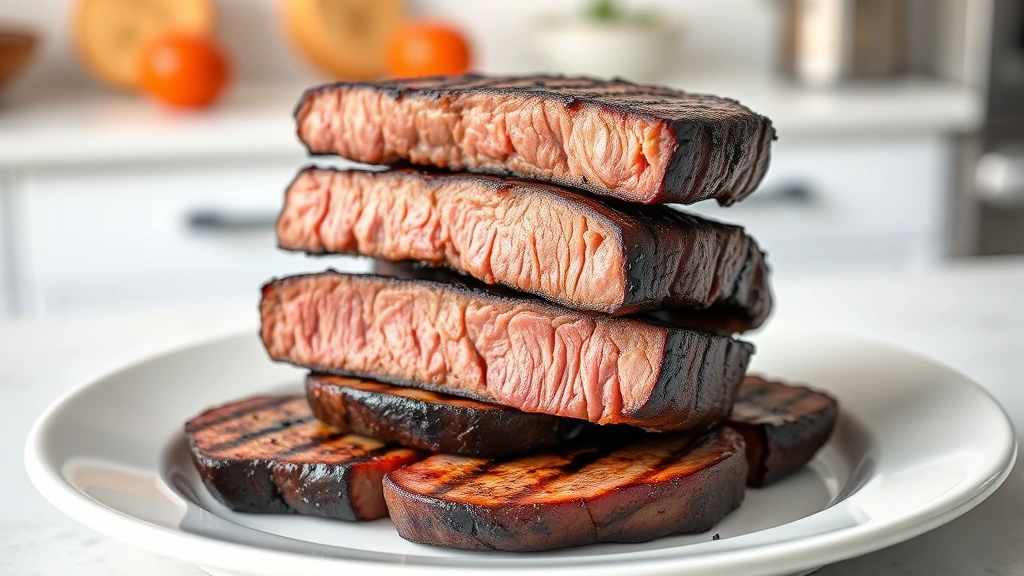
Sear hard on the first side—don’t move it around. You want a dark crust forming. That’s where the real flavor lives. About 4-5 minutes per side for medium-rare on a standard cut.
Let it rest for 5 minutes after grilling. This isn’t wasted time—the juices redistribute and the meat stays juicier when you cut into it. Slice against the grain for maximum tenderness.
If you want to explore complementary flavors, check out our adobo sauce recipe for a finishing sauce that pairs beautifully with carne asada.
Flavor Variations
Once you’ve mastered the basic carne asada seasoning recipe, you can play with it. Add a pinch of cinnamon for subtle warmth. Include a small amount of coffee powder for depth. Some cooks add a teaspoon of fish sauce—just a teaspoon—for umami complexity.
For a smokier version, increase the chipotle content or add a tablespoon of smoked paprika. For brightness, add more cilantro and lime juice.
The beauty of making your own blend is control. You’re not locked into someone else’s formula. Taste as you go and adjust.
Similar to how you’d approach our burnt ends recipe, the seasoning foundation matters more than you’d think. Get that right and everything else follows.
Common Mistakes
Using pre-ground spices that are older than six months. They lose potency fast. If your spice cabinet smells like cardboard, it’s time to refresh.
Not toasting whole spices. This step takes three minutes and doubles the flavor intensity. Skip it and your blend will taste flat.
Using bottled lime juice instead of fresh. There’s no substitute here. The difference is dramatic.
Applying seasoning to cold meat. Room temperature meat absorbs flavors better and cooks more evenly.
Not giving the seasoned meat enough time before grilling. Thirty minutes minimum. The acid needs time to work.
Overcooking the meat. Carne asada is best served medium-rare. Beyond that, it gets tough and loses the point of all this seasoning work.
Frequently Asked Questions
Can I make this seasoning dry instead of a paste?
Absolutely. Just skip the wet ingredients and store the ground spices in an airtight container. You’ll use it as a dry rub, applying it directly to the meat. It’ll work fine, but the paste version penetrates deeper and creates more flavor complexity. Think of the paste as the premium version.
How long does the seasoning keep?
A paste version keeps about 10 days in the refrigerator in a sealed glass jar. A dry blend keeps 3-4 months in an airtight container away from heat and light. The fresher you use it, the better it tastes.
Can I freeze the seasoning paste?
Yes, and it’s a smart move. Freeze in ice cube trays, then pop the cubes into a freezer bag. Each cube is roughly one serving. Thaw at room temperature before using. Frozen paste keeps about three months.
What cut of meat works best?
Skirt steak is traditional and ideal—it’s flavorful, has good marbling, and benefits from the acidic marinade. Flank steak is the next best option. You can use ribeye or strip steak, but they’re pricier and don’t need the tenderizing that carne asada seasoning provides.
Do I need to marinate after seasoning?
The seasoning paste itself acts as a marinade. Thirty minutes to four hours is enough. Longer than that and the acid can start to make the texture mushy. This isn’t a traditional marinade situation—the seasoning is doing double duty.
Can I use this on other proteins?
Definitely. It works beautifully on chicken, pork, and even fish. Reduce the seasoning amount slightly for chicken and fish since they’re more delicate. The citrus and cumin complement almost any protein.
The Bottom Line
A proper carne asada seasoning recipe isn’t complicated, but it does require attention to detail. Toast your spices. Use fresh citrus. Give the meat time to absorb the flavors. Grill hot and don’t overcook.
That’s it. Those four things separate authentic carne asada from the mediocre versions most people settle for. Start with this base recipe, adjust it to your taste preferences, and you’ll have a seasoning blend you’ll use constantly.
Once you’ve nailed the seasoning, you’re ready to explore complementary dishes. Our authentic bolognese recipe and branzino recipe showcase how proper seasoning foundations elevate any cooking project.
The real secret to great carne asada isn’t exotic ingredients or complicated techniques. It’s respecting the fundamentals and understanding why each component matters. Master that mindset and you’ll never need to buy pre-made seasoning blends again.


