
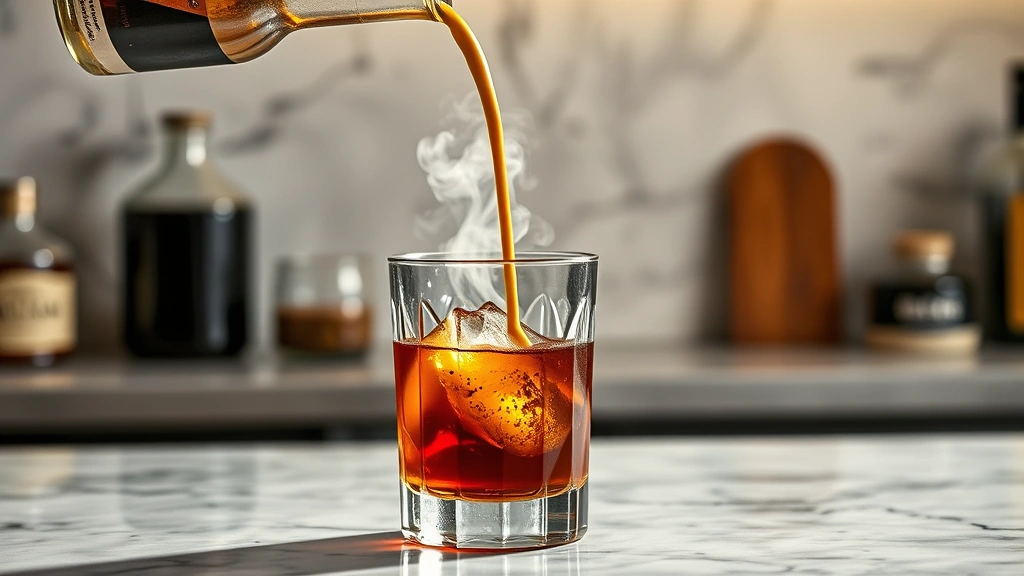
A carajillo recipe is your ticket to mastering one of Spain’s most beloved after-dinner drinks—a bold combination of hot espresso and brandy (or rum) that’ll warm you right up. This isn’t just coffee; it’s a ritual, a moment of pure indulgence that Spanish bartenders and home enthusiasts have perfected over generations. Whether you’re looking to impress guests or simply want to elevate your coffee game, this guide walks you through everything you need to know.
Table of Contents
What Exactly Is Carajillo?
Let’s cut straight to it: a carajillo recipe combines two simple components—hot espresso and a spirit—into something that’s way more than the sum of its parts. Born in Spain, particularly popular in Catalonia and Madrid, this drink has been fueling conversations and celebrations for decades. The name itself comes from “cara” (face) and “jillo” (small glass), though the exact etymology is debated among Spanish coffee enthusiasts. What matters is that when you pour hot espresso into a glass with brandy or rum, you get a drink that’s sophisticated, warming, and absolutely craveable. The heat from the coffee slightly warms the spirit, releasing its aromatic compounds and creating a smoother, more integrated flavor profile than you’d get from drinking them separately.
Essential Ingredients You Need
Here’s what goes into a proper carajillo recipe—and yes, the ingredient list is refreshingly short. You’ll need:
- Espresso or very strong coffee: 1.5 to 2 ounces of freshly brewed espresso (this is non-negotiable for authentic flavor)
- Brandy or rum: 0.5 to 1 ounce, depending on your preference and the spirit’s proof
- Optional sweetener: A small splash of honey, sugar syrup, or nothing at all
- Optional garnish: A cinnamon stick, lemon twist, or orange peel
That’s it. No fancy syrups, no elaborate setups. The beauty of a carajillo recipe lies in its simplicity and the quality of what you use. Think of it like the DIY approach to cocktails—you’re working with straightforward components and relying on proper technique to make magic happen. If you’re interested in exploring other simple yet elegant recipes, check out our guide on aglio olio recipe, which shares that same philosophy of letting quality ingredients shine.
Step-by-Step Brewing Method
Here’s where technique matters. Follow this process for a carajillo recipe that hits every time:
Step 1: Prepare Your Glass
Use a heat-safe glass—typically a small rocks glass or a specialized carajillo glass. You want something that can handle hot liquid without cracking. Some people warm the glass first by running hot water through it, though this is optional.
Step 2: Pour Your Spirit
Add 0.5 to 1 ounce of brandy or rum to the glass. This is where your carajillo recipe gets its character, so choose something you’d actually enjoy drinking on its own.
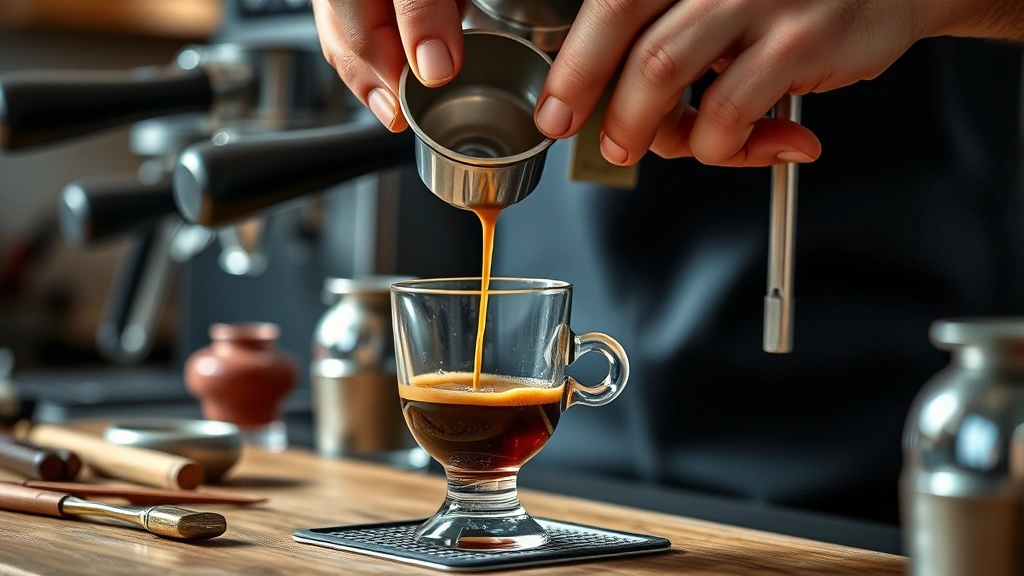
Step 3: Brew Fresh Espresso
Pull a shot (or double shot) of espresso directly into a cup. The espresso needs to be hot and freshly made—this isn’t the time to use yesterday’s coffee. If you don’t have an espresso machine, use very strong, hot coffee as a substitute, though purists will tell you it’s not quite the same.
Step 4: The Pour
Slowly pour the hot espresso into the glass with the spirit. The heat will cause the mixture to expand slightly and blend beautifully. Some bartenders pour the espresso from a height to create a small flame effect (if you’re using high-proof brandy), though this is more for show than substance.
Step 5: Stir and Taste
Give it a gentle stir to combine the flavors fully. Taste it and adjust sweetness if needed—a small spoon of honey works wonders if you want to mellow the intensity.
Choosing Your Perfect Spirit
This is where your carajillo recipe gets personalized. The spirit you choose dramatically affects the final flavor, so don’t just grab whatever’s on sale.
Brandy: This is the traditional choice in Spain, particularly cognac or Spanish brandy like Torres or Fundador. Brandy brings warmth, slight sweetness, and sophisticated oak notes. It’s the safest choice if you’re new to carajillo recipes.
Rum: Increasingly popular, especially dark or aged rum. This creates a richer, more complex carajillo recipe with hints of molasses and spice. Spanish rum or Caribbean varieties both work beautifully.
Whiskey: Not traditional, but some modern interpretations use bourbon or Irish whiskey for a bolder, smokier profile.
Liqueur: Some people add a splash of coffee liqueur (like Kahlúa) or Irish cream, which sweetens the drink considerably and changes the texture.
Start with a quality brandy if you’re experimenting. You’ll taste the difference immediately, and it’ll inform how you approach future carajillo recipes.
Temperature & Timing Matter
Temperature is where amateur carajillo recipes fail and good ones succeed. The espresso needs to be hot enough to warm the spirit and release its aromatic compounds, but not so hot that you can’t drink it immediately. Aim for espresso that’s between 195-205°F—that’s standard espresso temperature, so if you’re pulling a fresh shot, you’re good.
Timing matters too. Drink your carajillo recipe within 2-3 minutes of making it, while the espresso is still hot and the flavors are fully integrated. The longer it sits, the more the heat dissipates and the more the flavors separate back into their components. This isn’t a drink you make and set aside for later.
Creative Flavor Variations
Once you’ve mastered the basic carajillo recipe, here’s where you can have fun:
Honey-Sweetened Version: Add a drizzle of honey before pouring the espresso. The heat will warm it and distribute it evenly. This creates a smoother, less harsh drink that’s perfect if you find straight carajillo recipes too intense.
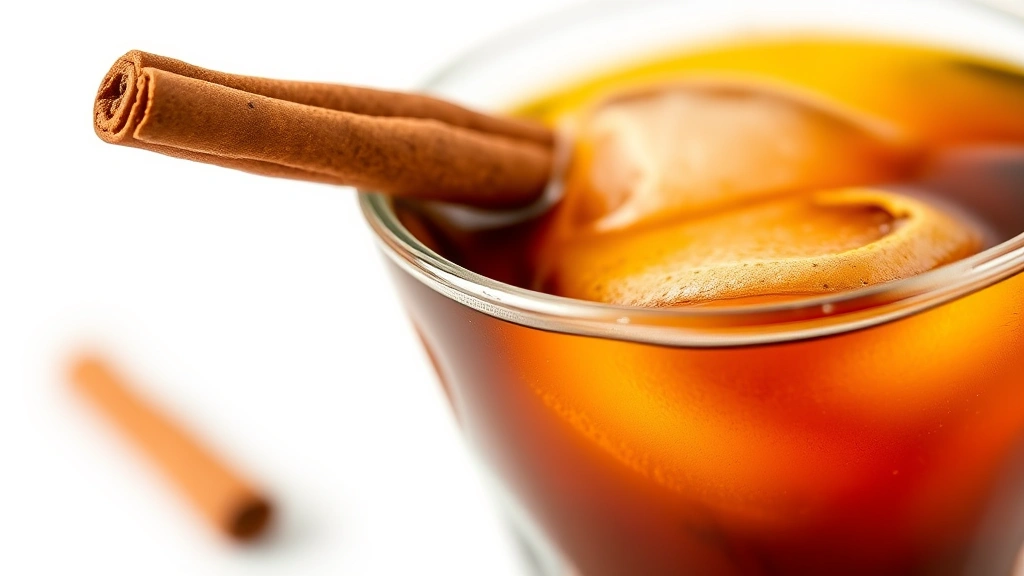
Cinnamon Stick Carajillo: Stir with a cinnamon stick instead of a regular spoon. The stick will gradually release its warmth and spice into the drink. Leave it in as you sip for continued flavor.
Citrus-Infused Version: Add a twist of lemon or orange peel before pouring the espresso. The heat will release the citrus oils and add brightness to the carajillo recipe. If you’re interested in other ways to preserve and work with citrus, our article on how to keep apple slices from turning brown covers preservation techniques that apply to citrus as well.
Spiced Variation: Add a pinch of nutmeg or cardamom to the glass before pouring. These warm spices complement both coffee and brandy beautifully.
Creamy Carajillo: Some modern versions add a small splash of cream or condensed milk, creating a richer, dessert-like drink. This isn’t traditional, but it’s delicious if that’s your preference.
Serving & Presentation Tips
How you present your carajillo recipe matters more than you’d think. It’s a drink meant to be savored, not rushed.
Glassware: Use a proper carajillo glass (a small, heat-safe glass) or a rocks glass. The size matters because you want the drink concentrated, not diluted in a large vessel.
Temperature Control: Warm your glass first if possible. Pour hot water through it, then discard the water before making your carajillo recipe. This keeps the drink hot longer.
Garnish Thoughtfully: A single cinnamon stick, a lemon twist, or a small piece of orange peel is all you need. Don’t over-garnish; let the carajillo recipe speak for itself.
Serve Immediately: Make the drink right in front of your guests if possible. The ritual of pouring hot espresso into brandy is part of the appeal. It shows you’re not cutting corners.
Timing: Serve carajillo recipes after dinner, as a digestif. The combination of caffeine and alcohol makes it perfect for an after-meal moment, though some people enjoy it anytime.
Common Mistakes to Avoid
Here’s what kills an otherwise solid carajillo recipe:
Using Cold or Lukewarm Coffee: Temperature is everything. If your espresso isn’t hot, your carajillo recipe will taste flat and the flavors won’t integrate. Always use freshly pulled espresso.
Pouring Espresso Too Quickly: This can cause the glass to crack or the flavors to separate. Pour slowly and deliberately.
Using Low-Quality Spirits: Your carajillo recipe is only as good as its ingredients. Don’t cheap out on the brandy or rum. You’re making a small drink with few components, so each one matters.
Over-Sweetening: The espresso and spirit already have complexity. Adding too much sugar masks the flavors you’re trying to showcase. Start with no sweetener and add only if needed.
Making It Too Far in Advance: A carajillo recipe is best enjoyed immediately. Don’t make a batch and expect it to hold. Each one should be made to order.
Forgetting the Ratio: The balance between espresso and spirit matters. Too much spirit and it’s boozy; too much espresso and it’s just hot coffee with a hint of alcohol. Aim for roughly 2:1 espresso to spirit.
Storage & Make-Ahead Prep
Since carajillo recipes are best fresh, storage isn’t really the point. However, you can prep ahead:
Prep Your Spirits: Pour your brandy or rum into a small decanter or bottle and keep it accessible. This makes the actual drink-making process faster when guests arrive.
Have Espresso Ready: If you’re making multiple carajillo recipes, brew a pot of strong espresso and keep it in a thermal carafe. It’ll stay hot for 30-45 minutes. This isn’t ideal (fresh espresso is always better), but it’s practical for entertaining.
Prepare Garnishes: Cut your citrus twists or prepare your cinnamon sticks ahead of time. Store them in the fridge and bring them to room temperature before using.
Warm Your Glasses: If you’re making several carajillo recipes, have hot water ready in a kettle to warm glasses quickly between drinks.
Frequently Asked Questions
Can I make a carajillo recipe without an espresso machine?
Yes, though it’s not ideal. Use very strong, hot coffee instead—something like a pour-over or French press made with a high coffee-to-water ratio. The flavor won’t be quite as intense as with true espresso, but it’ll still be delicious. The key is heat and strength.
What’s the best brandy for a carajillo recipe?
Spanish brandy is traditional and excellent. Look for Torres, Fundador, or Osborne. Cognac works beautifully too if that’s what you have. Avoid very cheap brandy, as the quality will be obvious in such a simple drink. You don’t need to spend a fortune, but aim for mid-range quality.
Can I make a carajillo recipe with instant coffee?
Technically yes, but it’s not recommended. Instant coffee lacks the depth and complexity of espresso or freshly brewed coffee. If you’re desperate, dissolve instant coffee in hot water and use that, but you’ll notice the difference. It’s worth investing in an espresso machine or visiting a café for fresh espresso if you’re serious about carajillo recipes.
How much alcohol is in a carajillo recipe?
A standard carajillo recipe contains about 0.5 to 1 ounce of spirit (15-30ml), which is roughly one shot. The alcohol content will be around 15-20% ABV in the finished drink, depending on how much espresso you use. It’s a strong drink, so sip it slowly.
Is a carajillo recipe served hot or cold?
Always hot. The entire point is the combination of hot espresso with the spirit. Serving it cold would miss the whole appeal. Drink it while it’s hot, ideally within a few minutes of making it.
Can I add milk to a carajillo recipe?
Traditionally, no. A proper carajillo recipe is espresso and spirit, nothing else (except optional sweetener). However, modern variations sometimes include a splash of cream or condensed milk. If you want to experiment, try it, but know that adding milk changes the drink significantly and isn’t considered traditional.
What’s the difference between a carajillo and a riff?
A carajillo recipe is specifically espresso and brandy/rum. A riff is a variation with different spirits or additions. When you add liqueur, cream, or other ingredients, you’re making a riff on the carajillo recipe, not a true carajillo. Both are valid, but the terminology matters to enthusiasts.
How do I flame a carajillo recipe?
Some bartenders ignite the surface of a carajillo recipe for dramatic effect, typically using high-proof brandy (at least 40% ABV). This requires careful handling: warm the glass first, pour the spirit, ignite it carefully with a long lighter, then pour the hot espresso into the flaming glass. This is purely for show and adds no flavor. It’s also risky, so skip it unless you’re experienced and comfortable with open flames.
Bottom Line: A carajillo recipe is straightforward to make but demands attention to detail. Fresh espresso, quality spirit, proper temperature, and immediate enjoyment are non-negotiable. Master the basics, and you’ll have a drink that impresses every single time. For more culinary inspiration and techniques, explore other recipes and guides that emphasize quality ingredients and proper method—much like how aglio olio recipe shows that simplicity done right beats complexity every time. Now go make yourself a carajillo recipe and enjoy the moment.


